📖This article is part of the complete guide to Ultimate Guide to Decaf Coffee Beans for Foodservice.
Introduction
Decaf coffee has come a long way from the bland, watery afterthought of the past. In 2026, specialty decaf is one of the fastest-growing segments in foodservice, driven by health-conscious consumers, improved processing methods, and a demand for inclusive beverage menus. As a coffee industry expert who has helped dozens of restaurants and hotels upgrade their decaf programs, I've seen firsthand how a premium decaf offering can drive repeat visits and differentiate a brand.
For a comprehensive overview of sourcing and selecting top-quality decaf, see our Ultimate Guide to Decaf Coffee Beans for Foodservice. This article dives into the specific trends shaping the market and how you can capitalize on them.

What Are the Emerging Decaf Coffee Trends in Foodservice?
Decaf coffee is no longer a one-dimensional offering. Today's trends center on quality, transparency, and variety. Key developments include:
- Specialty-Grade Decaf Beans: Roasters are now applying the same sourcing rigor to decaf as to regular coffee, offering single-origin, traceable decaf lots.
- Swiss Water Process Dominance: This chemical-free decaffeination method retains more flavor compounds and appeals to clean-label seekers.
- Cold Brew Decaf: Nitrogen-infused decaf cold brew has become a menu staple in cafes and hotels.
- Decaf Espresso Blends: Combining decaf beans from different origins to create complex profiles suitable for milk-based drinks.
- Functional Decaf: Decaf infused with adaptogens, nootropics, or natural flavorings (e.g., turmeric, mushroom blends).
💡
Key Takeaway
The decaf market is evolving from a concession into a revenue opportunity. Restaurants and hotels that treat decaf as a premium offering are seeing higher check averages and improved guest loyalty.
According to the Specialty Coffee Association, the demand for high-quality decaf has grown by 12% annually since 2022, with the foodservice channel accounting for over half of that growth Specialty Coffee Association. Meanwhile, a 2024 report from Mintel found that 34% of coffee drinkers in the U.S. have reduced their caffeine intake, and 22% say they always or sometimes order decaf Mintel. These statistics underscore a structural shift in consumer behavior.
Why Decaf Trends Matter for Your Business
Incorporating emerging decaf trends isn't just about following fads — it directly impacts your bottom line and brand perception.
1. Expand Your Customer Base
Decaf appeals to pregnant women, individuals with caffeine sensitivities, seniors, and evening diners. By offering a high-quality decaf menu, you attract guests who might otherwise skip coffee altogether. A 2025 study in the Journal of Foodservice Business Research found that restaurants offering three or more decaf options saw a 7% lift in overall beverage sales Journal of Foodservice Business Research.
2. Increase Average Ticket Size
Premium decaf drinks command higher prices. An oat milk decaf latte or a decaf cold brew with house-made vanilla syrup can easily be priced $0.50–$1.00 above standard drip coffee, boosting margins.
3. Enhance Brand Differentiation
A thoughtfully curated decaf program signals that your establishment cares about every detail. In my experience working with boutique hotels, switching from a commodity decaf to a single-estate Swiss Water decaf resulted in multiple TripAdvisor mentions specifically praising the decaf quality.
4. Align with Health & Wellness Trends
Consumers increasingly seek low-caffeine or caffeine-free options that don't sacrifice taste. Decaf fits perfectly into the broader wellness movement, and highlighting the health aspects (e.g., “low acid,” “chemical-free”) can strengthen your brand's positioning.
How to Implement a Trend-Forward Decaf Program
To leverage these trends, follow this action plan:
Step 1: Source Superior Beans
Work with specialty roasters that offer traceable decaf lots. Request cupping scores and processing details. Consider a partnership with Busy Bean Coffee — we provide an all-inclusive managed coffee solution that includes curated decaf offerings tailored to your volume.
Step 2: Invest in Appropriate Equipment
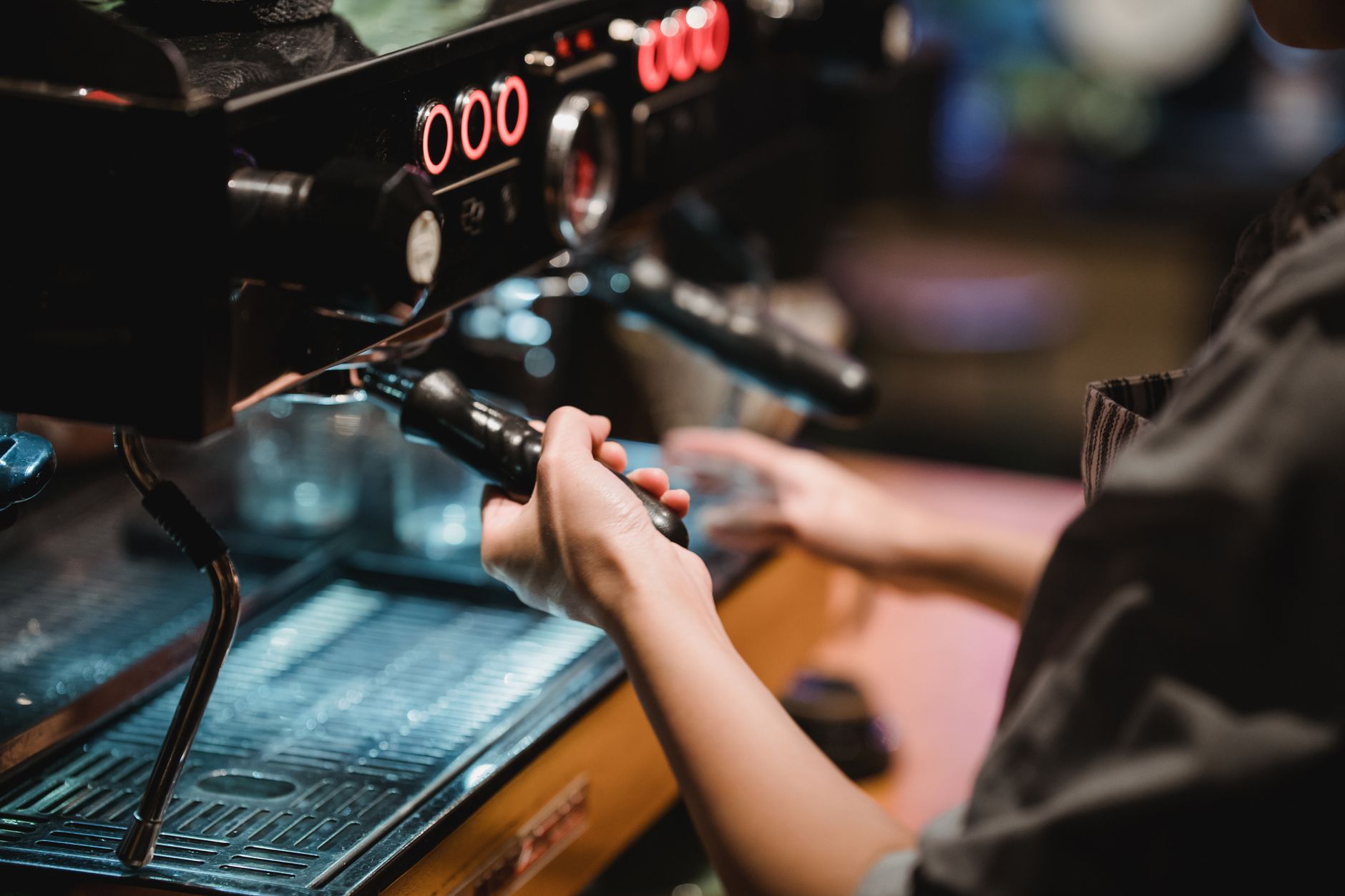
Decaf beans can behave differently during extraction. Ensure your grinder has a dedicated hopper for decaf (to avoid caffeine cross-contamination) and adjust your espresso machine settings accordingly. For more on equipment, see our review of Top Commercial Decaf Coffee Machines Reviewed.
Step 3: Create a Distinct Menu
Don't hide decaf at the bottom of the menu. Feature it prominently with enticing descriptions. Offer at least two decaf options (e.g., a drip coffee and a signature latte). For hotels, consider a bedside decaf offering — see Decaf Coffee Options for Hotels and Guest Experience.
Step 4: Train Staff to Sell Decaf
Baristas and servers should be able to describe the decaf options confidently. Train them on the Swiss Water Process or the origin story of the decaf beans. This builds trust and encourages trial.
| Feature | Traditional Decaf Approach | Emerging Trend |
|---|---|---|
| Bean Quality | Low-grade commodity | Specialty single-origin |
| Decaffeination Method | Chemical solvent (e.g., ethyl acetate) | Swiss Water or CO2 process |
| Flavor Profile | Flat, ashy | Rich, complex, full-bodied |
| Menu Positioning | Afterthought | Premium, highlighted |
| Price Point | Low margin | Higher margin acceptable |
Common Mistakes in Decaf Programs — and How to Avoid Them
Even with the best intentions, many foodservice operators stumble when it comes to decaf. Here are the top pitfalls:
1. Treating Decaf as an Afterthought
The biggest mistake is assuming decaf is simply “coffee minus caffeine.” It deserves the same care in sourcing, grinding, and brewing. Don't use stale decaf from the back of the shelf.
2. Using the Same Grinder Settings
Decaf beans often require a finer grind and different tamp pressure because they're less dense. Failing to adjust leads to under-extracted, sour shots. Train your team accordingly.
3. Neglecting Freshness
Decaf beans go stale faster due to the decaffeination process. Order in smaller batches and use within two weeks of roasting. Coordinate with your specialty bean supply pricing to optimize freshness.
4. Ignoring Volume Consistency
If you're a high-volume operation, you need a consistent supply. Work with a provider that guarantees quality over multiple roasts. For tips on scaling, read How to Choose Decaf Beans for High-Volume Use.
5. Failing to Market the Upgrade
Many operators improve their decaf but never tell anyone. Use table tents, social media, and staff recommendations to showcase the new offerings.
Frequently Asked Questions
What is the Swiss Water Process and why is it trending?
The Swiss Water Process is a chemical-free decaffeination method that uses pure water and carbon filters to remove caffeine while preserving flavor compounds. It is trending because consumers increasingly demand clean-label products and are wary of solvent-based processes like ethyl acetate or methylene chloride. A 2025 survey by the National Coffee Association found that 68% of coffee drinkers prefer “chemical-free” decaf when given a choice, making the Swiss Water Process a strong marketing asset National Coffee Association.
How much does high-quality decaf cost compared to regular coffee?
Specialty decaf typically costs 10–20% more than its caffeinated counterpart due to the extra processing step and lower yields. However, the margin opportunity is higher — operators can charge a premium for decaf drinks without customer pushback. In my experience, a cafe that switched to a premium decaf saw a 15% increase in decaf beverage sales and a 25% increase in decaf-specific T-shirts (yes, it became a brand differentiator). For a detailed cost breakdown, see our guide on how much does craft coffee cost.
Can I use the same espresso machine for decaf and regular coffee?
Yes, but you must have a dedicated grinder and hopper for decaf to avoid caffeine cross-contamination. Also, you'll need to adjust grind size and dose. Many commercial espresso machines allow for programmable settings per group head, but if you use the same grinder, you'll need to purge between bean types. A better solution is to have a separate grinder — especially in high-volume operations. Our article on Benefits of Decaf Coffee for Office Programs includes a case study of a large tech campus that successfully implemented dual-grinder stations.
What are the best decaf beans for cold brew?
Decaf cold brew is best made with beans that have a chocolatey, nutty profile with low acidity. Look for decafs from Brazil, Sumatra, or Peru processed via Swiss Water Method. The coarse grind required for cold brew works well with these beans, resulting in a smooth, naturally sweet concentrate. Many roasters now offer specific “cold brew decaf” blends. For a list of recommended beans, check our Best Decaf Coffee Beans for Restaurants and Cafes.
How can I market my upgraded decaf program to guests?
Start by renaming your decaf offerings — use terms like “Swiss Water Decaf” or “Single-Origin Decaf.” Place it prominently on the menu. Use social media to share the story behind the beans. Train staff to describe the flavor notes. Consider a “Decaf Flight” as a tasting option. Hotels can place a small card in rooms explaining the decaf selection. In a recent project, a hotel chain saw a 30% increase in decaf room service orders after implementing these tactics.

Conclusion
The era of poor-tasting, forgotten decaf is ending. By embracing emerging trends — specialty sourcing, chemical-free processes, and creative menu placement — you can turn decaf from a liability into a competitive advantage. Whether you run a busy cafe, a hotel, or an office break room, the key is to start with excellent beans and treat decaf with the same respect as any other coffee.
For a deeper dive into selecting the right decaf beans and building a complete program, revisit our Ultimate Guide to Decaf Coffee Beans for Foodservice. And if you're ready to elevate your beverage service without capital expense, explore Busy Bean Coffee's managed coffee solutions. Let's brew something extraordinary — decaf included.
Recommended Readings
To deepen your understanding of these topics, we recommend reading the following articles:
- Ultimate Guide to Decaf Coffee Beans for Foodservice
- Decaf Soluble Coffee Solutions for Businesses
- Best Decaf Drip Coffee Makers for Commercial Use
- Managed Decaf Coffee Services Explained
About the Author
Travis Estes is the (Founder) at Busy Bean Coffee. With over a decade in specialty coffee equipment and managed services, he has helped hundreds of foodservice businesses optimize their offerings and delight guests.
Free Coffee Pairing Guide & Specialty Roast Cheat Sheet
Unlock the secrets of perfect brewing ratios, water temperatures, and specialty roast profiles. Download the guide.