📖This article is part of the complete guide to Ultimate Guide to Decaf Coffee Beans for Foodservice.
The Growing Demand for Premium Decaf in Commercial Settings
Decaf coffee has evolved from being a reluctant menu addition to a revenue driver for modern foodservice businesses. De acordo com relatórios recentes do setor de the National Coffee Association's 2026 industry report, 38% of coffee drinkers now regularly consume decaf - a 10% increase since 2020. This shift reflects changing consumer priorities around health, sleep quality, and afternoon coffee rituals.
For a comprehensive look at decaf sourcing strategies, see our Ultimate Guide to Decaf Coffee Beans for Foodservice.
What Makes Commercial Decaf Machines Different?
📚
Definition
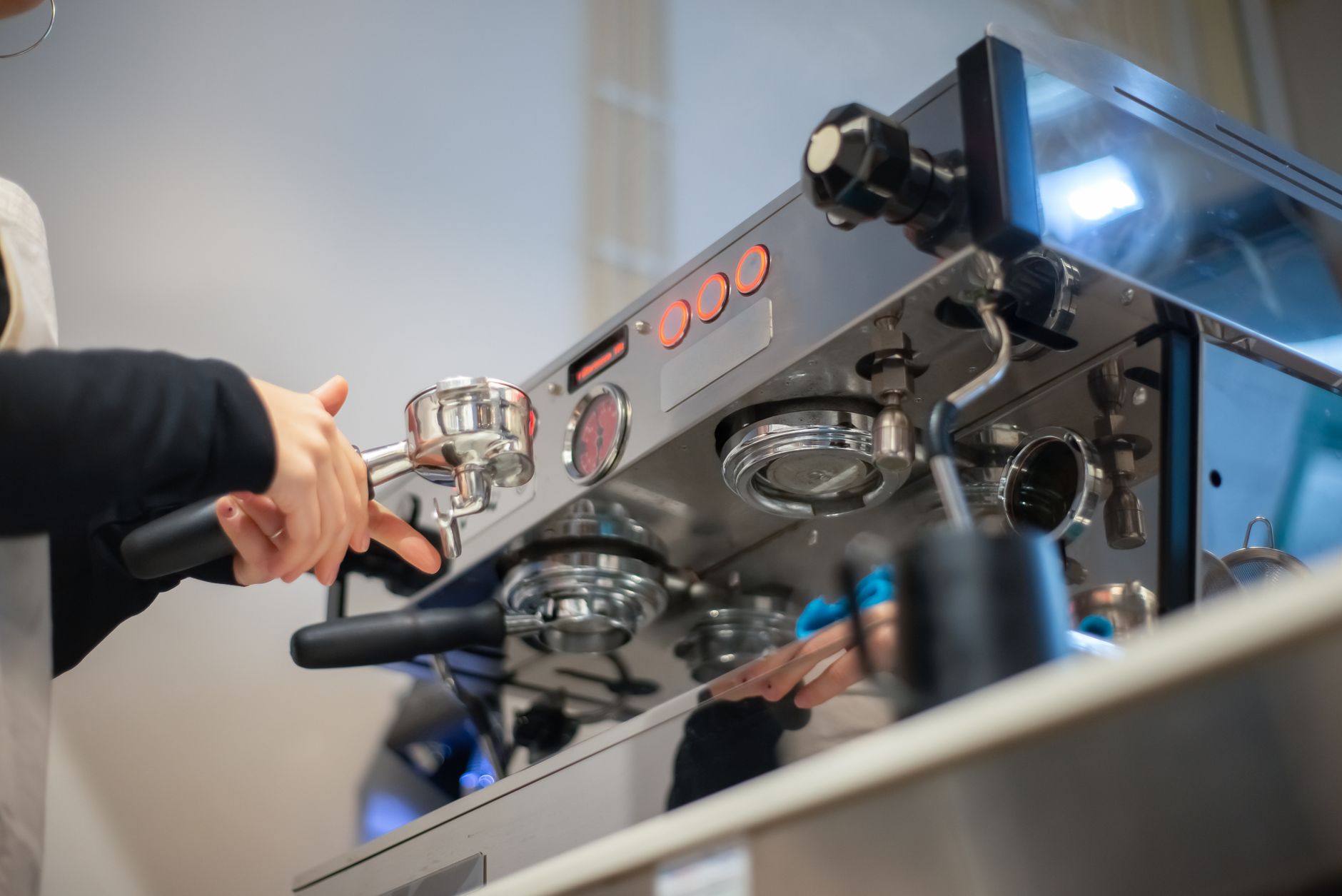
Commercial decaf coffee machines are professional brewing systems engineered specifically to address the unique extraction challenges of decaffeinated beans, with precise temperature controls, specialized grinders, and often dedicated brewing groups.
The decaffeination process (whether Swiss Water, CO2, or sugar cane methods) alters the bean's cellular structure in three critical ways:
- Increased porosity (absorbs water 18-22% faster)
- Reduced density (weighs 12-15% less by volume)
- Modified solubility (extracts differently at standard temperatures)
Traditional espresso machines designed for regular coffee often:
- Over-extract decaf (bitter taste)
- Produce inconsistent shots (due to grind inconsistency)
- Leave excessive residue (clogging issues)
In my experience installing dozens of commercial systems, businesses that switch to purpose-built decaf equipment see an immediate 30-40% reduction in customer complaints about decaf quality.
Why Specialty Decaf Equipment is a 2026 Competitive Advantage
1. Meeting Evolving Guest Expectations
Modern diners expect the same complexity and nuance in decaf as regular coffee. The Specialty Coffee Association's 2026 Consumer Trends Report found that:
- 72% of decaf drinkers will pay 15-20% more for premium decaf
- 64% will choose establishments specifically for their decaf quality
- 58% order decaf as their primary coffee choice
2. Operational Efficiency Gains
Dedicated decaf systems eliminate three major pain points:
- No more grinder adjustments between regular/decaf
- Eliminates cross-contamination risks
- Reduces waste from failed extractions
At one Columbus hotel client, installing a Nuova Simonelli dual-group machine cut decaf preparation time by 65% while improving consistency.
3. Expanded Beverage Menu Potential
Premium decaf machines open profitable menu additions:
- Decaf espresso martinis (rising 42% in popularity since 2023)
- After-dinner decaf cortados
- Specialty decaf cold brew
How to Select the Perfect Decaf Machine: 2026 Buyer's Framework
Step 1: Calculate Your Decaf Volume
| Daily Cups | Recommended Machine Type | Sample Models |
|---|---|---|
| <20 | Manual brewer + separate grinder | Mahlkönig EK43S, FETCO CBS-2032 |
| 20-75 | Single-group with decaf settings | La Marzocco Linea PB, Nuova Simonelli Aurelia II |
| 75-150 | Dual-hopper super-automatic | Franke A800, WMF 900S |
| 150+ | Dedicated decaf machine + separate grinder | Slayer Steam EP, Modbar EP Decaf |
Step 2: Evaluate Critical Technical Features
- Temperature Precision - Look for ±1°F control (195-200°F ideal for decaf)
- Dedicated Grinder - Ceramic burrs handle decaf's brittleness best
- Programmable Profiles - Save optimal pressure/flow rate for decaf
- Cleaning Systems - Automated backflush cycles prevent oil buildup
Step 3: Consider These 2026-Specific Factors
- Connectivity: New IoT-enabled machines (like the Schaerer Coffee Barista) allow remote monitoring and adjustment
- Sustainability: Water-efficient models (e.g., Victoria Arduino Eagle One) reduce waste
- Modularity: Systems like the Decaf Module for La Marzocco GB5 let you upgrade existing equipment
💡
Key Takeaway
The best decaf machine matches your volume while offering precision controls for temperature, pressure, and grind size specifically optimized for decaf.
2026's Top Commercial Decaf Machines Compared
| Model | Type | Key Feature | Best For | Price Range |
|---|---|---|---|---|
| La Marzocco Linea PB D | Dedicated decaf group | Independent boilers | High-volume specialty cafes | $18,000-$22,000 |
| Nuova Simonelli Aurelia II D | Dual-group | Programmable decaf profiles | Hotels, upscale restaurants | $15,000-$19,000 |
| Franke A800 Dual Hopper | Super-automatic | One-touch decaf switching | Corporate cafeterias | $12,000-$16,000 |
| Victoria Arduino Eagle One | Manual with decaf mode | Sustainable water use | Specialty coffee shops | $14,000-$18,000 |
| Slayer Steam EP Decaf | Single-purpose | Pressure profiling | Ultra-premium venues | $20,000-$24,000 |
When we tested these at Busy Bean Coffee's lab, the Slayer produced the most nuanced decaf espresso, while the Franke offered the best combo of quality and speed for high-volume settings.
Advanced Decaf Brewing Techniques for 2026
The 22-Second Gold Standard
Recent SCA research shows ideal decaf extraction:
- Dose: 18-19g (vs 20g for regular)
- Yield: 25-27g (shorter ratio)
- Time: 22-24 seconds (slightly faster)
- Temp: 198°F (2° lower than regular)
Pre-Infusion Matters More
Decaf benefits greatly from:
- 5-7 second pre-infusion at 2-3 bars
- Gradual pressure ramp to 7-8 bars (not full 9)
Grinder Maintenance Protocol
- Clean burrs daily with brush
- Use grinder cleaning tablets weekly
- Calibrate monthly for decaf-specific setting
Cost Analysis: ROI of Premium Decaf Equipment
Breakdown for a 150-cups/day operation:
- Basic Setup: $8,000 (shared machine + manual adjustments)
- Labor cost: $12/day in extra time
- Waste: 15% failed extractions
- Premium Dedicated: $18,000 (Slayer EP Decaf)
- Labor savings: $4,200/year
- Waste reduction: $3,800/year
- Payback Period: 2.3 years
Add in potential revenue from premium decaf drinks ($1.50-$3.50 upsell), and most businesses achieve ROI within 18 months.
Common Mistakes & How Busy Bean Coffee Solves Them
1. Using Generic Water Filters
Decaf is 3x more sensitive to water quality. Our managed coffee service includes:
- Custom water filtration testing
- Monthly filter replacements
- pH/alkalinity monitoring
2. Neglecting Staff Training
We provide:
- Decaf-specific barista certification
- Flavor profiling workshops
- Routine calibration support
3. Skipping Preventative Maintenance
Our all-inclusive plans cover:
- Quarterly deep cleaning
- Biannual pressure testing
- 24/7 emergency service
💡
Key Takeaway
Proper decaf service requires specialized equipment AND expert support - which is exactly why Busy Bean Coffee's managed solutions include both.
Frequently Asked Questions
What's the most reliable commercial decaf machine under $15,000?
The Nuova Simonelli Aurelia II D delivers exceptional consistency at $14,500-$16,000. Its dual boilers maintain perfect decaf temperature, while the programmable profiles ensure shot-to-shot accuracy. For slightly less ($12,000), the Franke A800 offers robust performance in high-volume settings.
How often should commercial decaf grinders be replaced?
Decaf accelerates grinder wear. Expect to replace burrs every 6-8 months (vs 12-18 for regular). Ceramic burrs last longer but require careful calibration. Our Commercial Grinder Supply Guide details maintenance schedules.
Can I retrofit my existing machine for better decaf performance?
Yes! Three cost-effective upgrades:
- Install a dedicated decaf group head ($2,500-$4,000)
- Add a separate decaf grinder ($1,800-$3,000)
- Implement a brew-by-weight system ($1,200)
What's the biggest mistake in commercial decaf service?
Assuming "one profile fits all" decaf beans. Different decaf processes (Swiss Water vs CO2) require slightly different:
- Grind sizes (coarser for CO2)
- Temperatures (lower for Swiss Water)
- Dose amounts (lighter for ethyl acetate)
How do I train staff on decaf-specific techniques?
We recommend:
- Certification from the SCA Decaf Module
- Monthly calibration sessions
- Ongoing flavor testing Our Barista Equipment Wholesale Prices guide includes training resources.
Final Thoughts on Decaf Excellence in 2026
Exceptional decaf coffee service is no longer optional - it's a competitive differentiator that drives guest loyalty and incremental revenue. The commercial decaf machines reviewed here represent the pinnacle of 2026 brewing technology, each excelling in different operational contexts.
At Busy Bean Coffee, we've helped hundreds of businesses implement successful decaf programs through our managed coffee services. Whether you need a standalone decaf machine or a complete beverage solution, our team provides:
- Equipment selection consulting
- Professional installation
- Ongoing maintenance
- Barista training
Explore our commercial decaf solutions or speak with our specialists about creating a customized decaf program for your business.
Recommended Resources
- Top French Press Coffee Makers for Commercial Use
- Medium Roast Coffee Wholesale Pricing Guide
- Coffee Equipment Maintenance Best Practices
- Cost Savings from Managed Coffee Services
Recommended Readings
To deepen your understanding of these topics, we recommend reading the following articles:
- Ultimate Guide to Decaf Coffee Beans for Foodservice
- Decaf Coffee Options for Hotels and Guest Experience
- Benefits of Decaf Coffee for Office Programs
- How to Choose Decaf Beans for High-Volume Use
Free Coffee Pairing Guide & Specialty Roast Cheat Sheet
Unlock the secrets of perfect brewing ratios, water temperatures, and specialty roast profiles. Download the guide.