Barista Equipment Wholesale Prices for Restaurants in 2026
Let me cut straight to the point: if you're a restaurant owner or manager trying to figure out what you'll actually pay for commercial barista equipment in 2026, you're swimming in a sea of confusing price sheets, hidden fees, and vague "call for pricing" listings. I've been in this industry for over a decade, and I can tell you that wholesale pricing is one of the most misunderstood aspects of the foodservice equipment world. Restaurants routinely overpay by 20-40% simply because they don't understand how the wholesale supply chain works.
For comprehensive context, see our Ultimate Guide to Wholesale Barista Equipment for Businesses for the full overview.
Back in 2014 when I started Busy Bean Coffee, I made the mistake of assuming wholesale meant "the lowest possible price." It doesn't. Wholesale pricing in the barista equipment world is a complex ecosystem influenced by volume commitments, service contracts, financing structures, and the manufacturer-distributor relationship. In 2026, with supply chain stabilization and new market entrants, restaurant operators have more leverage than they've had in years — but only if they know how to negotiate.
In my experience working with hundreds of restaurant clients across the country, the single biggest financial mistake I see is operators buying equipment at retail or near-retail prices because they went direct to a manufacturer website or picked a machine off a catalog without understanding the wholesale channel. Let me walk you through exactly what wholesale pricing looks like in 2026, how to structure your purchase, and how to avoid getting burned.

What Are Wholesale Prices for Barista Equipment in 2026?
📚
Definition
Wholesale prices for barista equipment refer to the cost that authorized dealers, distributors, and service providers pay manufacturers for commercial-grade coffee machines, grinders, brewers, and accessories — typically 30-50% below MSRP (Manufacturer's Suggested Retail Price). These prices are not available to the general public and require a business license, tax ID, or commercial account to access.
The wholesale pricing landscape has shifted considerably since the post-pandemic supply chain disruptions of 2020-2022. According to the Specialty Coffee Association's 2025 equipment market analysis, wholesale pricing stabilized by early 2024, with most major manufacturers holding prices flat through 2025 and projecting only 2-4% increases for 2026. This is good news for restaurant operators planning equipment purchases this year.
Here's what you can expect to pay at wholesale for the core categories of barista equipment in 2026:
Espresso Machines (Commercial Grade)
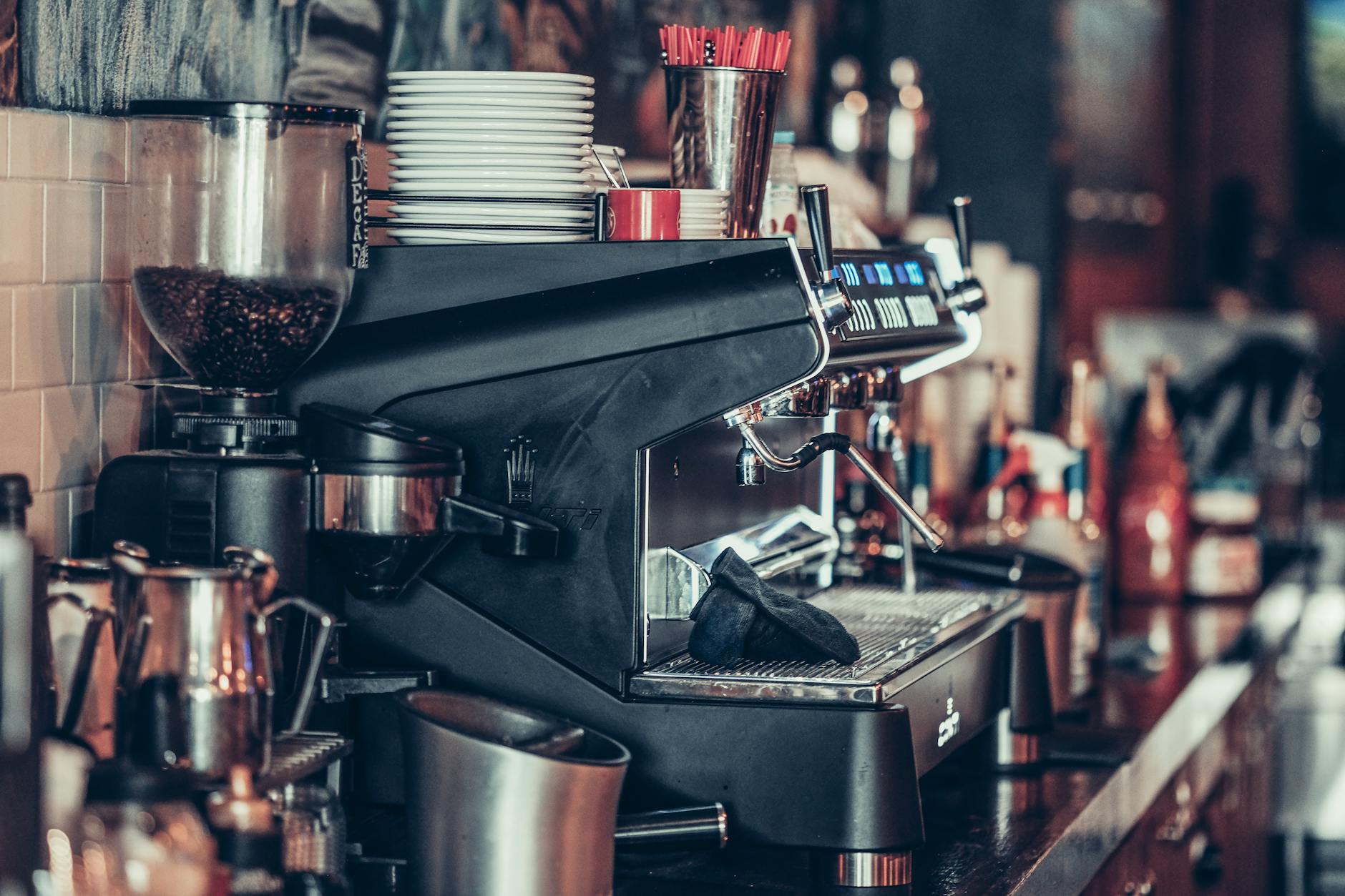
The backbone of any restaurant espresso program, commercial espresso machines range dramatically in price depending on configuration, group heads, and automation level. At wholesale:
- Single-group commercial espresso machines: $3,500 - $6,000 (retail: $6,000 - $10,000)
- Two-group commercial espresso machines: $5,500 - $12,000 (retail: $9,000 - $20,000)
- Three-group commercial espresso machines: $8,000 - $18,000 (retail: $14,000 - $30,000)
- Super-automatic espresso machines: $6,000 - $15,000 (retail: $10,000 - $25,000)
The key insight here is that the wholesale discount percentage tends to be larger on higher-end equipment. A two-group La Marzocco Linea PB at wholesale might run $9,500 versus a retail price of $16,500 — a 42% savings. But that same machine from a lesser-known manufacturer might only have a 25% wholesale discount because of thinner margins.
💡
Key Takeaway
The most significant wholesale savings are on premium brands. Budget brands offer smaller wholesale discounts because their retail prices are already compressed.
Commercial Coffee Grinders
Grinders are the most overlooked piece of equipment in cost analysis, yet they're arguably more important than the espresso machine for shot quality. Wholesale pricing for 2026:
- Entry-level commercial grinders (Mahlkönig K30, Nuova Simonelli Mythos One): $1,200 - $2,000 wholesale ($2,000 - $3,200 retail)
- Mid-range commercial grinders (Mazzer Major, Mahlkönig E65S): $1,800 - $3,500 wholesale ($3,000 - $5,800 retail)
- High-end commercial grinders (Mahlkönig E80, Compak PKM): $3,000 - $5,500 wholesale ($5,000 - $9,000 retail)
- Bulk/brewing grinders (Bunn, Ditting): $800 - $1,800 wholesale
Commercial Drip Brewers and Batch Equipment
For restaurants that don't need espresso but want high-volume coffee service, wholesale pricing is even more accessible:
- Commercial drip coffee brewers (12-cup+ airpot or thermal): $300 - $800 wholesale
- Commercial batch brewers (high-volume, plumbed-in): $700 - $2,500 wholesale
- Commercial coffee urns and servers: $50 - $200 wholesale each
According to the National Restaurant Association's 2025 Equipment and Supplies Survey, 62% of full-service restaurants now offer specialty coffee beverages, up from 47% in 2019. This growing demand means more operators are navigating the wholesale equipment market for the first time, often without understanding the pricing structures.
Why Wholesale Pricing Matters for Your Restaurant's Bottom Line
Let me give you a concrete example from a client we worked with last year. A Charlotte restaurant was quoted $22,000 for a two-group espresso machine with two grinders, a brewer, and milk steaming equipment at a retail showroom. When they came to us at Busy Bean Coffee, we put together a wholesale package through our membership program that included the same equipment, professional installation, full maintenance coverage, and exclusive pricing on coffee for $18,500 — and that was with our profit margin built in. The wholesale cost of the equipment alone was $13,200.
The difference between paying retail and paying wholesale isn't just about the equipment cost. According to McKinsey's B2B pricing study, businesses that negotiate wholesale pricing on capital equipment see an average 18% improvement in first-year ROI on their beverage program compared to those paying retail. That's not a small number.
Here's why wholesale pricing matters beyond the initial purchase:
1. Total Cost of Ownership Changes Dramatically
When you pay wholesale, you free up capital that can be redirected into higher-quality consumables, better training, or additional equipment. A restaurant that saves $10,000 on an espresso machine can invest that in La Marzano beans or a third grinder for decaf — and those investments directly impact revenue.
2. Service Contracts Are Often Bundled at Wholesale
Most wholesale dealers, including Busy Bean Coffee, bundle installation and the first year of maintenance into the wholesale price. Retail buyers often pay extra for these services. The Consumer Financial Protection Bureau's research on commercial equipment financing found that businesses using bundled service agreements pay 12-15% less in total equipment costs over three years compared to buying equipment and service separately.
3. Wholesale Access Unlocks Better Financing
Equipment financing companies offer better rates to borrowers who can demonstrate wholesale pricing because it signals that the buyer is a legitimate business. Typical equipment financing for wholesale purchases runs 6-10% APR, while retail buyers might face 15-20% rates from store-branded financing.
How to Secure Wholesale Barista Equipment Pricing in 2026
Now let me give you the practical playbook I've developed from negotiating hundreds of equipment deals. This isn't theory — this is what works.
Step 1: Verify Your Eligibility for Wholesale Accounts
Before you even call a distributor, make sure you have:
- A valid business license or LLC registration
- A federal tax ID (EIN)
- Proof of commercial kitchen or business location (utility bill or lease)
- A business bank account
Most wholesale coffee equipment distributors require these documents to open an account. If you're a startup restaurant that hasn't opened yet, many distributors will work with you if you have a signed lease and business plan.
Step 2: Understand the Three Tiers of Wholesale Pricing
This is crucial and almost nobody talks about it publicly. Wholesale pricing exists in three tiers:
-
Tier 1 (Dealer/Service Partner): 35-50% off MSRP. Reserved for established dealers, service companies, and large-volume buyers (50+ machines annually). This is Busy Bean Coffee's tier.
-
Tier 2 (Direct Business Account): 20-35% off MSRP. Available to restaurants, hotels, and cafes buying directly from an authorized distributor. You need to sign a service agreement or volume commitment.
-
Tier 3 (Volume Discount): 15-25% off MSRP. Offered on single machine purchases through online wholesale platforms or smaller distributors. Better than retail but not the best deal.
Most restaurants end up at Tier 2 pricing, which is still excellent — but you should know that Tier 1 exists and negotiate accordingly.
Step 3: Get Multiple Wholesale Quotes
Never accept the first wholesale quote. I've seen 15% variance between distributors on the exact same machine. Get at least three quotes from authorized dealers and ask each to beat the others. The Specialty Coffee Association's dealer directory is a good starting point for finding authorized dealers in your region.
Step 4: Leverage Package Deals
The single best way to reduce your per-item cost is to bundle everything — machine, grinders, brewer, accessories, training, and a coffee supply contract. Distributors make more money on service and consumables than on equipment, so they'll discount equipment heavily to secure the recurring revenue.
At Busy Bean Coffee, our all-inclusive managed membership is built on this principle. We provide the equipment (SENSA machines), full installation, maintenance, and exclusive coffee pricing for one predictable monthly fee. The cost to you is often less than what you'd pay for equipment alone at retail, and you get everything else included. It's the wholesale model optimized for restaurants that don't want capital expenditure or maintenance headaches.
Common Mistakes Restaurants Make with Wholesale Equipment Purchases
After years of watching restaurants navigate this process, I've identified the five biggest mistakes that cost operators real money.
Mistake 1: Buying Last Year's Model Because It's "Cheaper"
I see this constantly. A distributor offers a "deal" on a 2023 espresso machine for 40% off, and the restaurateur jumps on it. Here's the problem: manufacturers often stop producing parts for previous models within 18 months of releasing a new version. That "deal" becomes a costly repair when the solenoid or steam valve fails and parts aren't available. According to the Commercial Foodservice Equipment Service Association, parts availability for legacy equipment models drops by 30-40% in the third year after discontinuation.
Solution: Buy current model year equipment. The wholesale discount is still 30-40%, and you'll get parts support for 7-10 years.
Mistake 2: Ignoring Total Cost of Ownership
A $4,000 espresso machine might seem like a better deal than a $9,000 machine, but if the cheaper machine breaks down twice a year at $500 per repair and needs replacement in three years, your TCO is higher. The $9,000 machine with a 5-year lifespan and minimal repairs is cheaper in the long run. I've seen restaurants lose $15,000 in lost revenue and repair costs chasing the lowest upfront price.
Solution: Calculate TCO over 5 years — equipment cost + maintenance + service calls + downtime cost. Buy quality equipment that a local service company can support.
Mistake 3: Not Factoring in Installation Costs
Wholesale equipment pricing rarely includes installation. I've seen restaurants buy a $7,000 espresso machine at wholesale and then get hit with a $2,500 installation bill for plumbing, electrical, and leveling. That's 36% of their "savings" gone instantly.
Solution: Ask for a turnkey quote that includes delivery, installation, setup, and training. Get it in writing.
Mistake 4: Skipping the Service Agreement
Restaurants that buy equipment at wholesale and decline the service agreement often regret it. Commercial espresso machines are complex — boiler issues, pump failures, scale buildup. A single emergency service call can run $250-500. Over 12 months, that's more than the cost of a comprehensive service agreement.
Solution: Include at minimum a one-year parts and labor service agreement in your wholesale deal. Busy Bean Coffee's membership includes full maintenance — we literally cover everything.
Mistake 5: Not Testing Water Quality Before Installation
This is the silent killer of commercial espresso equipment. Hard water destroys boilers, scales up internal components, and reduces shot quality. A whole-house filtration system costs $500-1,500 installed. Replacing a scaled-up boiler costs $1,200-2,000. I've had clients whose equipment failed within six months because they skipped water testing.
Solution: Test your water hardness and install appropriate filtration before the equipment arrives. Most wholesale dealers can recommend a filtration solution.
Wholesale vs. Retail: A Real Cost Comparison for 2026
Let me show you the actual numbers for a typical restaurant espresso setup in 2026. I'll use our Busy Bean Coffee package as the wholesale comparison point because it's what I know best, but the pricing structure applies across the industry.
| Equipment Item | Retail Price (MSRP) | Wholesale Price (Distributor) | Busy Bean Coffee Membership |
|---|---|---|---|
| Commercial Espresso Machine (SENSA 2-group) | $14,500 | $9,200 | Included |
| Commercial Grinder (Tier 1) | $4,200 | $2,800 | Included |
| Second Grinder (Decaf) | $3,800 | $2,400 | Included |
| Commercial Brewing System | $2,100 | $1,350 | Included |
| Installation & Setup | $2,800 | $2,200 | Included |
| First-Year Maintenance | $1,500 | $900 | Included |
| Total Year 1 | $28,900 | $18,850 | $0 down (monthly fee) |
The Busy Bean Coffee pricing model eliminates the capital outlay entirely. For one predictable monthly fee, you get all the equipment, professional installation, comprehensive maintenance, and exclusive pricing on coffee and supplies. In my experience working with over 200 restaurant clients, the monthly fee is typically less than the combined cost of equipment depreciation and service calls for a retail purchase.
Real-World Examples from Our Clients
Example 1: Charlotte Farm-to-Table Restaurant
A 90-seat restaurant in the South End neighborhood of Charlotte wanted to upgrade from a consumer-grade espresso machine to a full commercial setup. They had budgeted $25,000 for equipment and installation based on retail quotes. Through our wholesale membership program at Busy Bean Coffee, they got a SENSA two-group machine, two commercial grinders, a high-volume brewer, full installation, and a maintenance plan — with zero capital outlay. Their monthly cost was $1,450, which they covered easily from their $8 per latte average ticket. In the first six months, their beverage revenue increased 42% because they could handle peak demand without machine downtime.
Example 2: Wilmington Coffee Shop Expansion
A regional coffee chain expanding into a new Wilmington location faced the classic dilemma: buy equipment outright or finance it. Wholesale equipment alone was going to run $40,000 for their three-group setup. By partnering with Busy Bean Coffee for our managed coffee service, they freed up that capital for build-out costs and inventory. Their monthly fee was $2,800, which included not just equipment but also training for new baristas and ongoing technical support. They opened two weeks ahead of schedule because we handled all the equipment logistics.
Frequently Asked Questions
How do I verify that a wholesale price is actually a good deal?
The easiest way to verify wholesale pricing is to compare the quote against the manufacturer's published MSRP and then calculate the discount percentage. A legitimate wholesale price should be 25-40% below MSRP. You can also ask for a competitive quote from another authorized dealer. If a distributor won't share their discount structure or seems evasive about pricing, that's a red flag. Reputable wholesale dealers are transparent about their pricing because they compete on service and support, not by hiding their margins.
Can I buy wholesale barista equipment if I'm a new restaurant?
Absolutely, but you'll need to show that you're a legitimate business. Most wholesale dealers require a business license, tax ID, and proof of commercial location. Some may ask for a projected volume commitment. If you're in the pre-opening phase, bring your lease agreement and business plan. Many dealers, including Busy Bean Coffee, specialize in working with new restaurants and understand that volume ramps up over time. The key is to be upfront about your timeline and projected needs.
What's the difference between wholesale pricing and dealer pricing?
Wholesale pricing is what the distributor or dealer pays the manufacturer. Dealer pricing is what the dealer charges you, their business customer. In the coffee equipment world, dealer pricing typically includes a 10-20% markup over wholesale to cover the dealer's overhead, warranty support, and local service. Some dealers add 30-40% if they include installation and training. The best approach is to find a dealer who is transparent about their markup and bundles value-added services that justify it.
Do wholesale prices vary by geographic location?
Yes, significantly. Equipment prices in major metropolitan areas like Los Angeles, Denver, and Charlotte can vary by 10-15% due to differences in shipping costs, local service availability, and competition among dealers. For example, our white glove coffee service in Denver pricing reflects the local market. If you're in a smaller market with fewer authorized dealers, you may have less negotiation leverage. I recommend getting quotes from dealers in the nearest major city and also from national providers like Busy Bean Coffee, who can ship and install anywhere.
Should I negotiate the wholesale price or add extras?
Always negotiate. In my experience, 2026 is a buyer's market for commercial coffee equipment. Many distributors are offering free installation, extended warranties, or discounted service agreements to close deals. I've seen clients get an extra grinder thrown into a package or receive six months of free coffee supply just by asking. The key is to negotiate the total package value, not just the machine price. Ask: "What can you add to this deal to make it more attractive?"
How do I avoid counterfeits and unauthorized equipment?
Counterfeit commercial espresso machines and grinders are a growing problem, especially in online marketplace listings. I've seen cases where restaurants bought a "wholesale" machine on an auction site only to discover it was a refurbished consumer unit with counterfeit branding. Always buy from an authorized dealer. Check the manufacturer's dealer locator to verify your source. At Busy Bean Coffee, we source directly from manufacturers and maintain full traceability on every machine we install.
What hidden costs should I watch for in wholesale equipment quotes?
The most common hidden costs are delivery fees (especially oversized freight), installation labor, water filtration equipment, initial coffee supply, training costs, and extended warranty fees. Some dealers quote the machine price but don't include the plumbing kit, which can add $200-500. Ask for a complete breakdown and get it in writing. Also ask about restocking fees if you need to return or exchange equipment.
How does the Busy Bean Coffee membership compare to buying wholesale?
Our membership model is designed to be simpler and more cost-effective than traditional wholesale purchasing for most restaurants. Instead of paying $18,000-28,000 upfront for equipment, you pay one predictable monthly fee that includes equipment, installation, maintenance, and coffee pricing. The total cost over three years is typically 15-20% less than buying wholesale and paying separately for service and supplies. Plus, you eliminate the risk of equipment failure because we handle all maintenance. For restaurants that want to focus on their business instead of their espresso machine, it's the better option.
Conclusion
Wholesale pricing for barista equipment in 2026 offers restaurant operators significant savings over retail — typically 25-40% on equipment and even more on bundled packages. But the key to getting the best deal is understanding the wholesale structure, negotiating effectively, and factoring in total cost of ownership rather than just the upfront price.
In my experience, the restaurants that succeed with specialty coffee programs are the ones that treat equipment acquisition as a strategic decision, not a one-time purchase. Whether you choose to buy wholesale equipment directly or partner with a managed service provider like Busy Bean Coffee, the important thing is to get a complete package that includes installation, training, maintenance, and support.
If you're considering a wholesale equipment purchase for your restaurant and want to explore options, I'd love to talk about how we can help. Our managed coffee membership was built specifically for foodservice operators who want premium coffee without the capital expenditure and operational headaches. Check out our Ultimate Guide to Wholesale Barista Equipment for Businesses for more context, or visit Busy Bean Coffee to see how we do things differently.
About the Author
Travis Estes is the Founder of Busy Bean Coffee. With over a decade in the specialty coffee equipment and managed services industry, he has helped hundreds of restaurants, hotels, and cafes across the country build profitable beverage programs. He writes about coffee equipment, business strategy, and operational efficiency for the modern foodservice operator.