📖This article is part of the complete guide to Commercial Espresso Machines. The Great Debate: Control vs. Consistency
If you are shopping for a new coffee setup, the question of semi automatic vs automatic commercial espresso machine is likely at the top of your list. It is a decision that defines your workflow, your training needs, and ultimately, the quality of every shot you serve. In my years working with foodservice operators, I have seen owners make the wrong choice here and immediately regret it—not because one machine is bad, but because they chose the wrong style for their specific volume and staff.
💡Key Takeaway
The choice between semi-automatic and automatic machines is a trade-off between barista control and operational consistency. There is no universally 'better' option—only the right fit for your business model.
Before we dive into the nuances, it helps to understand the broader landscape of equipment. For comprehensive context, see our guide on
Commercial Espresso Machines.
What is a Semi-Automatic Commercial Espresso Machine?
📚Definition
A semi-automatic espresso machine requires the barista to manually start and stop the water flow through the coffee puck. The machine provides the pressure (usually 9 bars), but the barista controls the volume and extraction time.
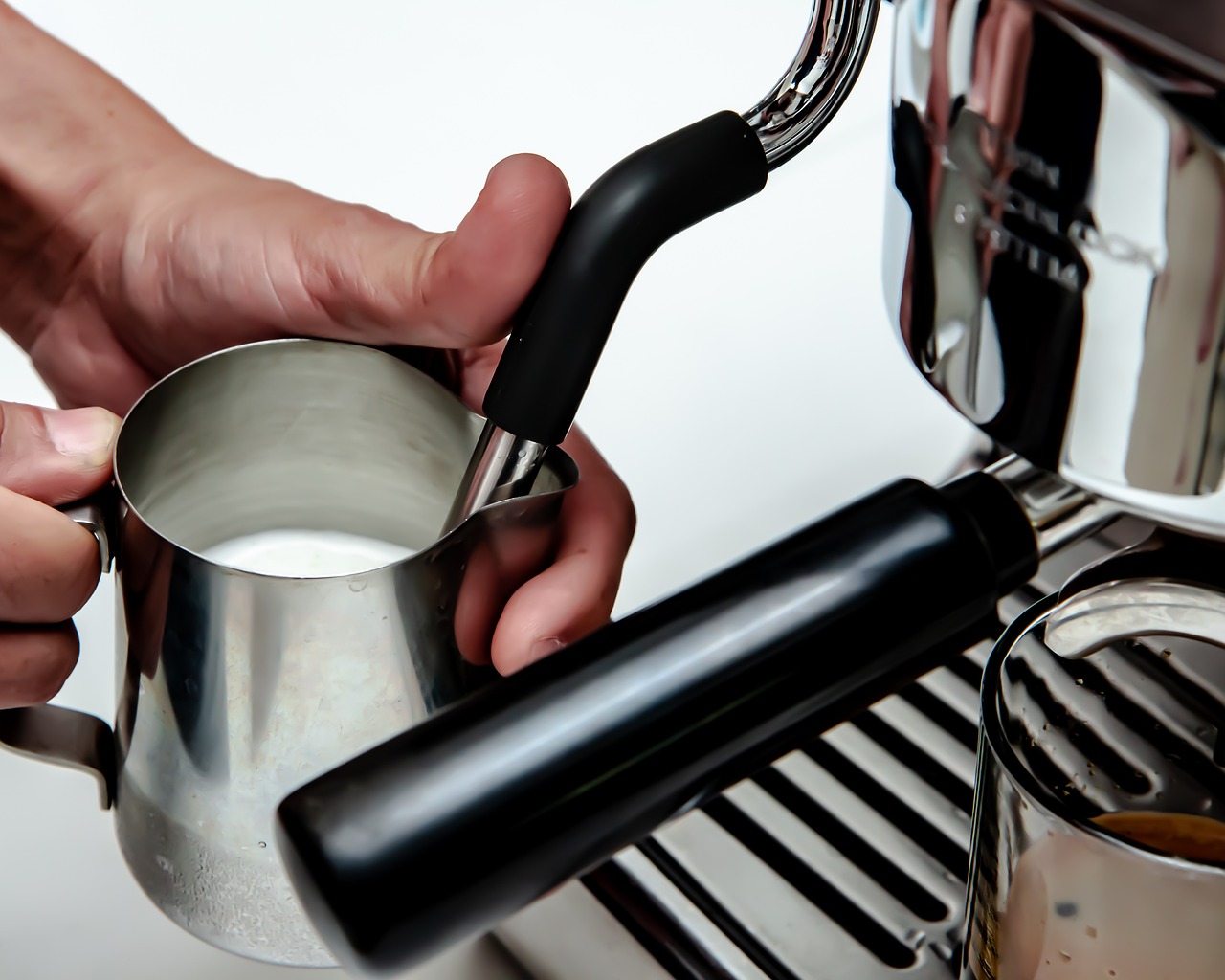
In a semi-automatic setup, the operator grinds the coffee, doses it into the portafilter, tamps it, locks it into the group head, and then presses a button or flips a switch to start the water pump. The barista must watch the extraction and manually stop the water when the desired volume is reached.
The Barista's Art
This style of machine is the gold standard for specialty coffee shops where the barista is a skilled professional. It allows for minute adjustments to each shot based on the age of the beans, humidity, and grind size. According to a study by the Specialty Coffee Association, baristas using semi-automatic machines report feeling 40% more engaged with their craft compared to using fully automated systems.
Pros:
- Total control over extraction
- Ability to adjust to changing bean conditions
- Lower upfront cost per group head
- Easier to perform maintenance on individual components
Cons:
- Requires significant training and skill
- Inconsistent results between different baristas
- Slower workflow during peak hours
What is an Automatic (or Super-Automatic) Commercial Espresso Machine?
📚Definition
An automatic espresso machine, often called a super-automatic, automates the entire process from grinding to brewing. The user simply presses a button, and the machine grinds the beans, doses, tamps, and extracts the espresso, stopping the flow automatically based on pre-programmed volume settings.
These machines are designed for high-volume environments where speed and consistency are more critical than the nuanced control of a semi-automatic. Think hotels, offices, and high-turnover cafes.
The Efficiency Machine
For a hotel breakfast buffet serving 200 guests in two hours, a super-automatic is a lifesaver. It eliminates the bottleneck of a single barista pulling shots one at a time. According to research from the National Coffee Association, establishments using super-automatic machines report a 25% faster service time during peak hours compared to those using semi-automatic machines.
Pros:
- Extreme consistency from shot to shot
- Minimal training required
- High throughput (60+ drinks per hour)
- Reduced labor costs
Cons:
- Higher upfront cost
- Less flexibility for bean adjustments
- More complex internal parts can be expensive to repair
Semi-Automatic vs. Automatic: The Head-to-Head Comparison
To make the decision easier, here is a direct comparison table covering the most critical factors for a commercial buyer.
| Feature | Semi-Automatic | Automatic (Super-Automatic) |
|---|
| Skill Level Required | High (skilled barista) | Low (any staff member) |
| Consistency | Variable (depends on barista) | Very High (programmed) |
| Speed (per drink) | 30–60 seconds (manual pull) | 15–30 seconds (one button) |
| Upfront Cost | $3,000 – $8,000 (per group) | $8,000 – $20,000+ |
| Maintenance Complexity | Moderate (simpler mechanics) | High (complex electronics) |
| Best For | Specialty cafes, boutique restaurants | Hotels, offices, high-volume chains |
Why the Choice Matters for Your Business
The wrong choice here can cost you thousands in labor and lost sales. I have seen a high-end hotel in New York install a beautiful semi-automatic machine, only to find that their overnight staff had no training to use it. Within a month, the machine was collecting dust, and guests were complaining about the instant coffee alternative.
Conversely, I have seen a specialty coffee shop try to use a super-automatic to save on labor costs, and their loyal customers immediately noticed the drop in quality. The nuance was gone.
Labor Costs vs. Quality Premium
A study by Deloitte found that labor costs represent 30–35% of a restaurant's operating budget. If you are in a market where skilled baristas charge $18–$22 per hour, a super-automatic can pay for itself within 12–18 months by allowing you to staff with lower-cost labor. However, if your brand relies on the cachet of a 'craft coffee' experience, the semi-automatic is non-negotiable.
How to Choose: A Practical Decision Framework
Here is a simple three-question test to determine which path is right for you:
- What is your primary volume driver? If it is high-speed breakfast service (hotel), go automatic. If it is slow, artisanal afternoon service (cafe), go semi-automatic.
- Who is pulling the shots? If you have a dedicated, trained barista for every shift, semi-automatic works. If you have rotating shift workers, go automatic.
- What is your brand promise? If you market 'handcrafted espresso,' you need a semi-automatic. If you market 'fast, consistent coffee,' automatic is fine.
For a deeper look at matching machines to your specific operation, read our
Commercial Espresso Machine Buying Guide.
The Managed Service Advantage at Busy Bean Coffee
This is where the conversation gets interesting. Many owners are paralyzed by the semi automatic vs automatic commercial espresso machine debate because they are afraid of the operational complexity. What if the machine breaks? Who will fix it? Where do I find parts?
At
Busy Bean Coffee, we solve this dilemma entirely. Our managed membership model means you choose the machine style that fits your business, and we handle everything else.
- For a hotel needing high volume: We install a top-tier super-automatic from our SENSA line. Our white-glove technicians (like Leslie Cook) set it up, calibrate it, and train your staff in under two hours.
- For a boutique cafe needing craft control: We install a semi-automatic SENSA Pro. We handle all maintenance, repairs, and even provide ongoing training for your baristas.
💡Key Takeaway
With Busy Bean Coffee, you don't have to worry about the maintenance nightmares that plague both types of machines. Our all-inclusive fee covers installation, maintenance, support, and premium product pricing. You run the business. We handle the coffee.
Frequently Asked Questions
Generally, semi-automatic machines have a lower upfront purchase price, ranging from $3,000 to $8,000 per group head. Automatic super-automatic machines are significantly more expensive, often costing between $8,000 and $20,000 or more. However, the total cost of ownership (TCO) is different. Semi-automatic machines require more skilled labor (higher wages) and more frequent maintenance due to manual wear, while automatic machines have lower labor costs but higher repair costs when internal components fail. A study by Restaurant Technology Network found that the TCO over five years for a super-automatic is often 15% lower than a semi-automatic in high-volume settings, due to labor savings.
Can you make specialty-grade espresso on an automatic machine?
Yes, but with caveats. Modern super-automatic machines, especially those from premium brands like the SENSA line, have improved significantly. They now feature adjustable grind settings, pre-infusion capabilities, and programmable water temperatures. However, they cannot match the nuance of a skilled barista using a semi-automatic machine who can adjust on the fly based on bean freshness. For most commercial applications—hotels, offices, bakeries—the quality from a high-end automatic is more than sufficient. For a third-wave specialty cafe aiming for a 90+ point score on their espresso, a semi-automatic is still the standard.
How much maintenance does each type require?
Semi-automatic machines require daily backflushing, cleaning of the group head and portafilter, and periodic descaling. The mechanical parts (valves, pumps) are simpler to access and repair. Automatic super-automatic machines require daily cleaning of the brewing unit, bean hopper, and drip tray. They also require periodic deep cleaning of the internal grinder and brewing chamber. Because of the complexity of the electronics and internal mechanics, repairs on automatic machines are more expensive and often require a certified technician. This is a major reason why many businesses prefer the managed service model offered by
Busy Bean Coffee, where all maintenance is included in the monthly fee.
Which machine is better for a hotel breakfast buffet?
For a hotel breakfast buffet, a super-automatic machine is almost always the better choice. The speed of service is critical—guests want their coffee quickly, and they expect consistency. A super-automatic can produce a latte or cappuccino in under 30 seconds with the push of a button. This eliminates the need for a dedicated barista during breakfast hours and ensures that every guest receives the same quality. Many hotels using our SENSA Fresh model have reported a 30% increase in guest satisfaction scores related to breakfast beverage quality.
What is the lifespan of a commercial espresso machine?
With proper maintenance, a commercial espresso machine should last 5 to 10 years. Semi-automatic machines often last longer because they have fewer complex electronic components that can fail. Automatic machines have a slightly shorter lifespan (5–7 years) due to the wear and tear on internal grinders and circuit boards. However, the key variable is maintenance. A machine that receives regular descaling, cleaning, and professional servicing will outlast one that is neglected. This is another reason why our managed membership at Busy Bean Coffee is so popular—we ensure the machine is serviced regularly, extending its life and preventing costly breakdowns.
Conclusion
The debate between semi automatic vs automatic commercial espresso machine ultimately comes down to your specific operational needs. If you prioritize barista artistry and have the skilled staff to execute it, a semi-automatic is your tool. If you prioritize speed, consistency, and ease of operation—especially in a hotel, office, or high-volume cafe—an automatic super-automatic is the smarter investment.
For a complete overview of the different types of machines available, revisit our pillar guide on
Commercial Espresso Machines.
Whichever path you choose, the burden of maintenance, repair, and supply sourcing remains. That is where
Busy Bean Coffee changes the game. Our all-inclusive managed membership means you get the perfect machine for your business—installed, maintained, and supported by our white-glove team. You pay one predictable monthly fee. No capital expenditure. No surprise repair bills. Just great coffee, every time.
Ready to stop worrying about your coffee program? Call us at (833) THE-BEAN or visit
www.busybeancoffee.com to schedule a consultation.
Recommended Readings
To deepen your understanding of these topics, we recommend reading the following articles:
About the Author
the author is the CEO & Founder of
Busy Bean Coffee. With over a decade of experience in the foodservice equipment industry, he has helped hundreds of hotels, restaurants, and offices across the United States design and implement profitable, hassle-free coffee programs.
Free Coffee Pairing Guide & Specialty Roast Cheat Sheet
Unlock the secrets of perfect brewing ratios, water temperatures, and specialty roast profiles. Download the guide.