Where Do You Actually Find Industrial Coffee Roasters for Commercial Scale?
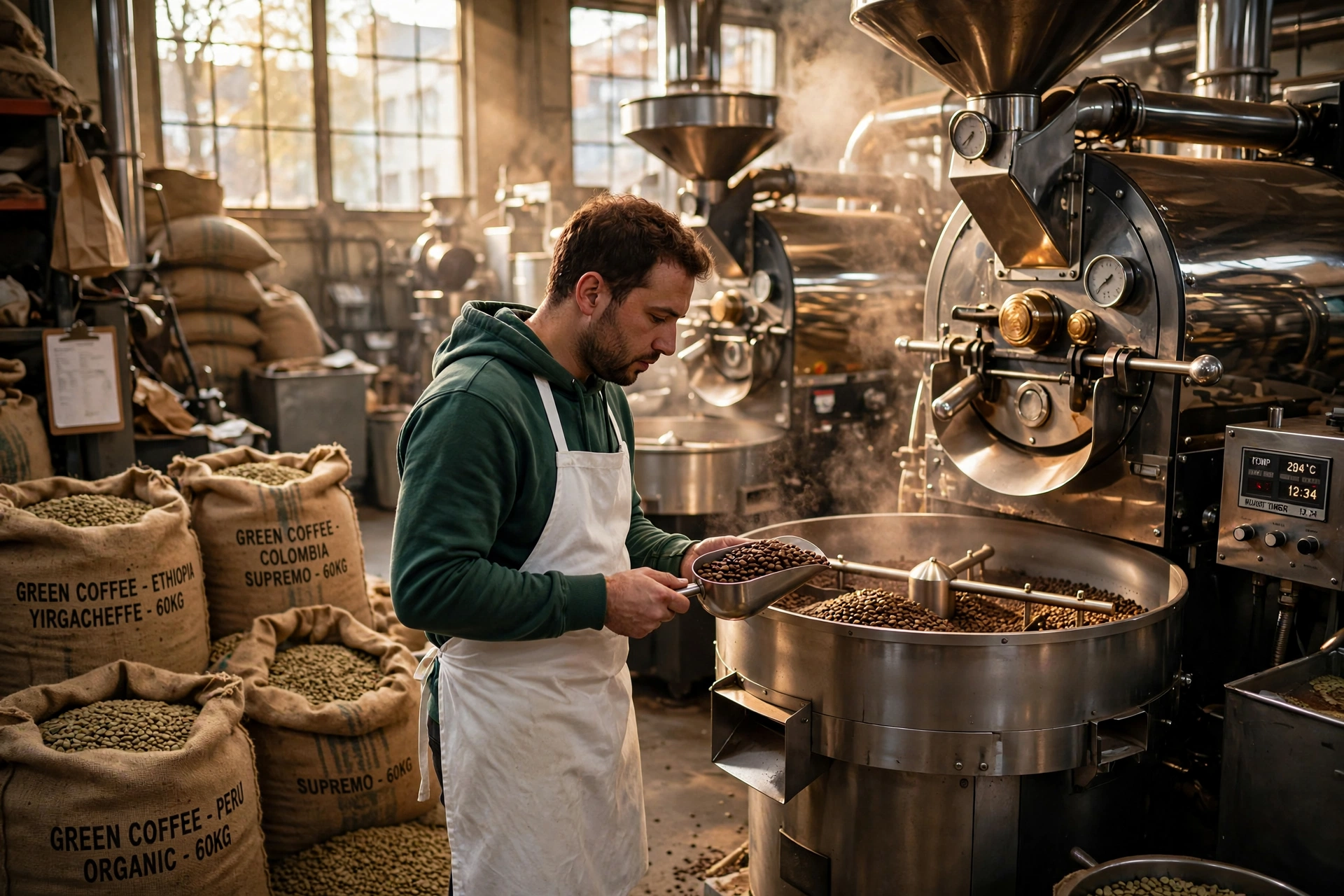
Sourcing high-capacity roasting equipment isn't as simple as browsing a standard retail catalog. When businesses scale to the point of needing industrial coffee roasters, they typically find them through three primary channels: specialized OEM (Original Equipment Manufacturer) dealerships, direct-from-factory imports from roasting hubs like Germany or Italy, and certified industrial liquidators for pre-owned machinery. Finding the right source depends entirely on whether you prioritize cutting-edge thermal precision, immediate availability, or capital preservation.
In my experience working with specialty coffee operators, the biggest mistake I see is entrepreneurs buying a "commercial" roaster that is actually just a scaled-up home machine. A true industrial setup requires specific zoning, ventilation, and gas infrastructure that generic sellers often gloss over. If you are scaling a foodservice coffee program in Chicago IL, you cannot simply plug these machines into a wall; you are looking for an ecosystem of support, not just a piece of hardware.
Understanding the Ecosystem of Industrial Roasting Equipment
To know where to look, you first have to understand what defines "industrial" in the context of coffee production. We aren't talking about 5kg batch roasters used in a small cafe, but rather high-volume systems capable of processing hundreds of kilograms per hour.
📚
Definition
Industrial coffee roasters are high-capacity thermal processing machines designed for continuous operation, featuring advanced automation, integrated cooling trays, and sophisticated exhaust systems to handle large volumes of Coffea arabica or Robusta beans.
Most high-end industrial roasters are found through specialized distributors who provide "turnkey" solutions. These distributors don't just sell the drum; they design the roasting room. They are typically located in industrial zones near major ports or logistics hubs because these machines are massive and expensive to ship.
According to the Specialty Coffee Association (SCA), the move toward "precision roasting" has shifted where these machines are sourced. There is now a heavier reliance on software-integrated systems. This means you are no longer just looking for a metal fabricator; you are looking for a technology partner. When we analyze the supply chain for automatic coffee machines for hotels and hospitality, we see a similar trend: the hardware is only as good as the service contract backing it.
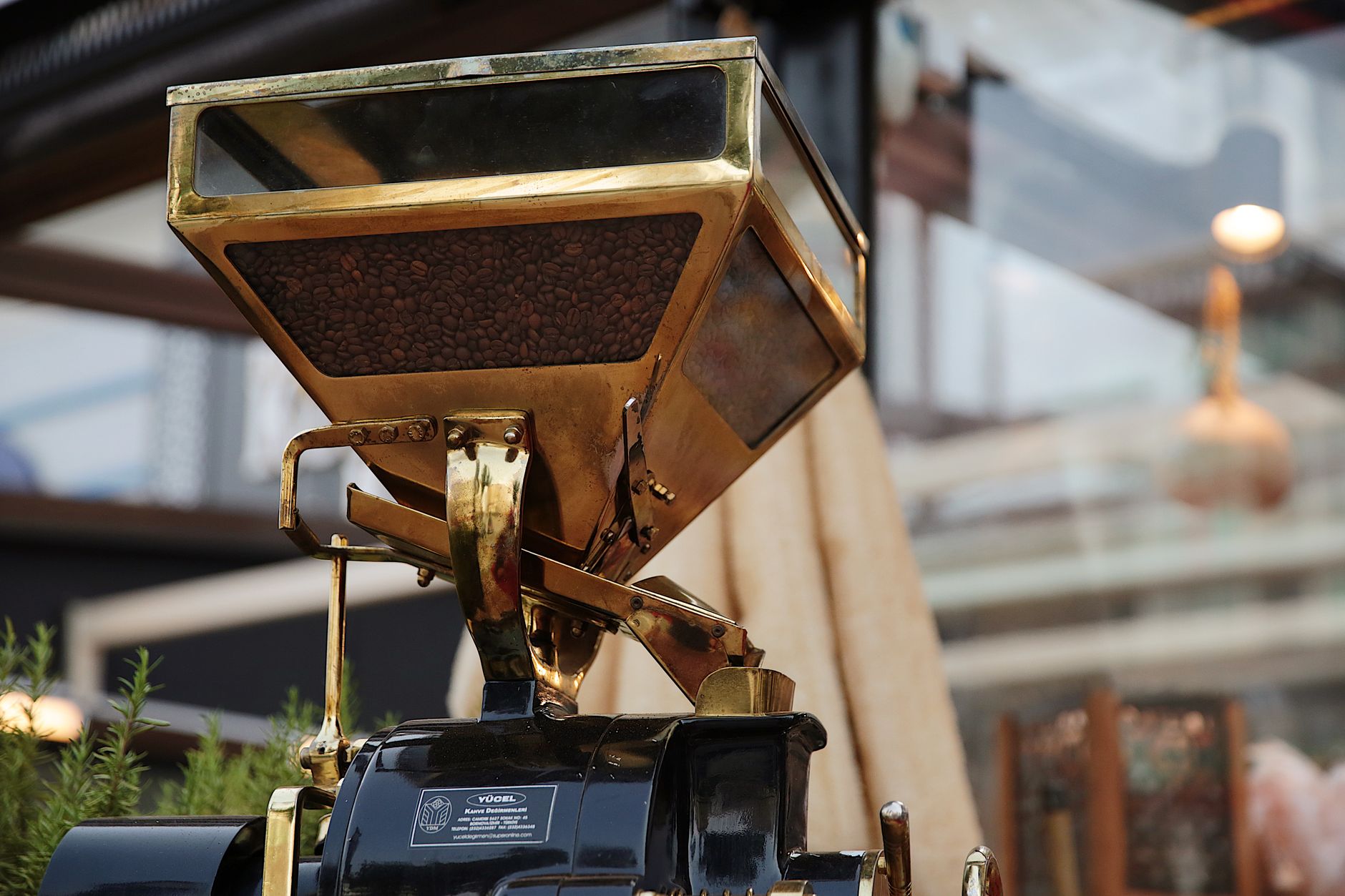
Now, here's where it gets interesting: the "where" also depends on the roasting technology. If you want fluid-bed (air) roasters, you are often looking at direct imports from US-based engineering firms. If you want traditional cast-iron drums, your search leads you toward European manufacturers. The procurement process usually involves a "demo roast" at a regional showroom, which is why finding a dealer with a physical presence in your region, such as those specializing in Sensa coffee service in Charlotte, NC, is a fundamental advantage.
Why the Sourcing Location Impacts Your Bottom Line
Where you buy your industrial coffee roasters determines your long-term operational cost, not just the initial sticker price. The "total cost of ownership" includes shipping, installation, calibration, and the inevitable downtime.
If you source a machine from a distant overseas manufacturer without a local service agent, a single blown sensor or a warped drum can shut down your entire production for weeks. This is a risk most businesses cannot afford. Data from the International Coffee Organization (ICO) indicates that volatility in green coffee prices makes production efficiency essential. Any single day of downtime in an industrial setting can result in thousands of dollars in lost revenue.
The implications of choosing the wrong "where" are stark:
- Lead Times: Direct factory orders from Europe can take 6 to 12 months.
- Regulatory Hurdles: Machines must meet specific safety standards. According to NSF International, equipment used in commercial food production must adhere to strict sanitation and safety protocols (such as NSF/ANSI 4). Buying from a non-certified source can lead to failed health inspections.
- Calibration Drift: Industrial roasting is a science of thermodynamics. A machine sourced from a low-tier marketplace often lacks the PID controllers necessary for roast consistency.
After analyzing dozens of roasting facilities, I've noticed that the most successful operations prioritize "serviceable proximity." They don't buy the cheapest machine; they buy the machine that has a technician within a two-hour drive. This is why investing in a managed solution, like those provided by Busy Bean Coffee, is often more viable for hospitality groups than attempting to manage an industrial roastery in-house.
Practical Application: How to Source and Install Industrial Equipment
If you've decided to move forward with purchasing industrial coffee roasters, the process is a strategic operation, not a simple purchase. You cannot simply "find" a machine and plug it in.
First, identify your required throughput. Calculate your peak demand per hour. If you are providing a foodservice coffee program in Rock Hill SC, your volume needs will differ significantly from a standalone warehouse roastery.
The Sourcing Workflow:
- The Shortlist: Identify 3-5 manufacturers that offer the specific heat-transfer method (conduction vs. convection) you require.
- The Site Visit: Never buy an industrial roaster without seeing it in operation. Visit a regional dealership or a partner facility.
- The Infrastructure Audit: Before the machine arrives, you must prepare the "where." This includes installing a dedicated gas line, high-CFM exhaust fans, and fire suppression systems.
- The Calibration Phase: Once installed, you spend 2-4 weeks "profiling" the machine with different bean densities and moisture levels.
💡
Key Takeaway
The "where" of your equipment's physical location is as important as the "where" of the purchase. Proper ventilation and gas zoning are non-negotiable for industrial safety and bean quality.
For those who find this process overwhelming, Busy Bean Coffee simplifies the entire beverage pipeline. Instead of managing the volatility of industrial roasting and equipment maintenance, businesses can leverage our managed memberships. We handle the complexity of the equipment and the quality of the roast, allowing you to focus on the guest experience. Whether you need a Sensa coffee service in Raleigh NC or a larger regional setup, our model removes the capital risk associated with industrial hardware.
Comparing Sourcing Channels for Industrial Roasters
Not all "where" options are created equal. Depending on your budget and risk tolerance, you will choose between these three main avenues.
| Sourcing Channel | Pros | Cons | Best For |
|---|---|---|---|
| Authorized OEM Dealer | Local support, certified installation, warranty protection | Higher markup, limited to dealer stock | Scaling businesses needing reliability |
| Direct Factory Import | Lowest hardware cost, latest custom specs | Massive lead times, no local support, customs risk | Enterprise-level roasting plants |
| Certified Liquidators | Immediate availability, significantly lower cost | No warranty, unknown wear and tear, outdated tech | Bootstrapped startups with a technician on staff |
Most guides suggest starting with the cheapest option. I disagree. Most guides get this wrong because they forget about the "hidden" costs of industrial roasting. A liquidator's machine might be 50% cheaper, but if the bearings are worn or the drum is pitted, your roast consistency will plummet. In the specialty coffee world, consistency is the only currency that matters.

Common Questions and Misconceptions about Industrial Sourcing
There are several myths regarding where to find and how to buy industrial coffee roasters that often lead businesses into expensive traps.
Myth 1: "Any commercial roaster is an industrial roaster."
This is the most dangerous misconception. A "commercial" roaster might be a 2kg machine used in a boutique shop. An "industrial" roaster is a piece of heavy machinery that requires three-phase power and professional gas fitting. If you are looking for equipment to support a Sensa coffee service in Jacksonville, FL, ensure you are specifying industrial capacity, not just commercial grade.
Myth 2: "Buying direct from the factory is always the best value."
While the unit price is lower, the "landed cost" often tells a different story. Shipping a 2-ton machine from Germany involves ocean freight, customs brokerage, and inland trucking. Furthermore, if a part breaks, you are waiting for an international shipment. I've seen businesses lose thousands in sales because they saved $5,000 on the initial purchase by skipping the local dealer.
Myth 3: "Automatic roasters remove the need for a skilled barista or roaster."
Automation changes the where of the labor, but it doesn't remove the need for expertise. Even the most advanced industrial roasters require a Q-Grader's touch to calibrate the profiles. Automation handles the repetition; the human handles the quality. This is why we emphasize a holistic approach in our Sensa coffee service in Greenville SC deployments.
Frequently Asked Questions
Where is the best place to find certified pre-owned industrial coffee roasters?
The best place to find certified pre-owned equipment is through authorized dealer trade-in programs. Unlike generic auction sites, authorized dealers typically refurbish the machines, replace worn gaskets, and test the thermal probes before reselling. I recommend looking for dealers who offer a limited "refurbished warranty." Avoid "as-is" sales from closed businesses unless you have a master technician who can perform a full teardown of the drum and motor assembly before you commit to the purchase.
Do I need specific zoning permits to install industrial coffee roasters in a business?
Yes, almost certainly. Industrial roasting involves high heat and the release of "chaff" and smoke, which can trigger fire alarms or violate local air quality ordinances. You will likely need a permit for a commercial exhaust hood and a certified gas line installation. In cities with strict codes, you may also need a "change of use" permit for your facility to be classified as light industrial. Always check your local municipal codes before signing a lease for a roasting space.
How do I verify if an industrial roaster meets safety standards?
You should look for an NSF or UL certification label on the machine. As mentioned, NSF International provides the gold standard for food equipment safety. If a manufacturer cannot provide a certification document or a compliance report, the machine is a liability. This is especially important for insurance purposes; many commercial insurance providers will refuse to cover a facility that uses non-certified industrial heating equipment.
What is the difference between a drum roaster and a fluid-bed roaster in an industrial setting?
A drum roaster uses a rotating metal cylinder to heat beans through conduction and convection, often producing more traditional, "bold" flavors. A fluid-bed roaster uses a column of hot air to suspend and roast the beans (convection), which typically results in a cleaner, more consistent roast and is often faster. Where you find these depends on your target market; drum roasters are the industry standard for specialty coffee, while fluid-beds are often found in extremely high-volume, commercial-grade operations.
How often does an industrial coffee roaster require professional maintenance?
Industrial machines typically require a deep cleaning and calibration every 3 to 6 months, depending on volume. This includes removing chaff buildup from the exhaust (a major fire hazard) and checking the accuracy of the thermocouples. Failing to maintain this schedule can lead to "burnt" batches and permanent equipment damage. This is why many businesses prefer a managed service like Busy Bean Coffee, where maintenance is baked into the membership, ensuring the equipment always runs at peak efficiency.
Final Thoughts on Finding Industrial Coffee Roasters
Finding the right industrial coffee roasters is less about the search and more about the vetting process. Whether you source through a local OEM dealer in the Southeast or import a custom build from Europe, the "where" must be supported by a "how", specifically, how you will maintain the machine and ensure consistent quality.
For most foodservice businesses, the capital expenditure and operational headache of running an industrial roastery are simply too high. The risk of equipment failure, coupled with the need for specialized labor, often outweighs the margins. That is why we've perfected an all-inclusive managed coffee membership. We provide the premium equipment, the professional installation, and the world-class roasts for one predictable monthly fee.
If you're ready to elevate your beverage program without the industrial stress, visit Busy Bean Coffee to explore our managed solutions. Whether you are looking for a Sensa coffee service in Mount Pleasant SC or a comprehensive corporate setup, we provide the quality of a master roastery with the simplicity of a subscription.
Free Coffee Pairing Guide & Specialty Roast Cheat Sheet
Unlock the secrets of perfect brewing ratios, water temperatures, and specialty roast profiles. Download the guide.