Introduction
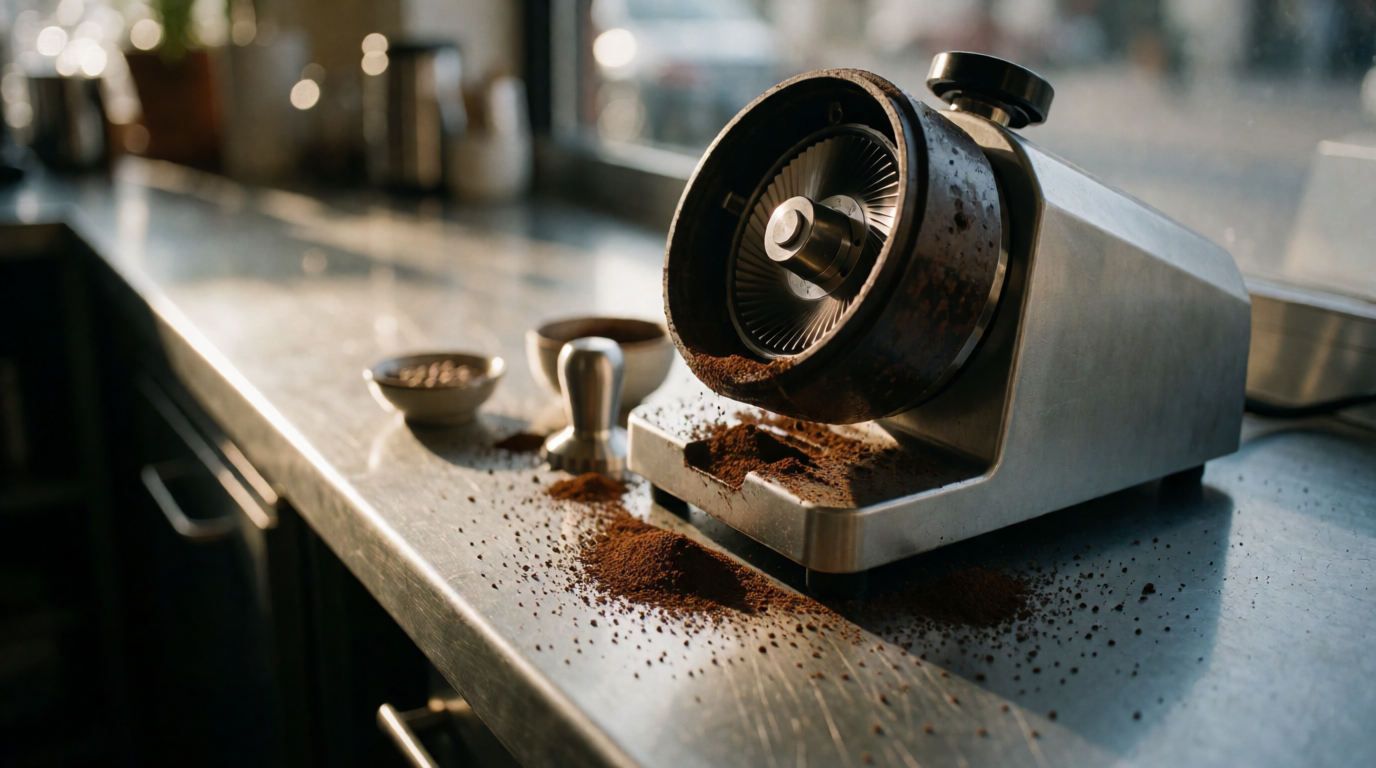
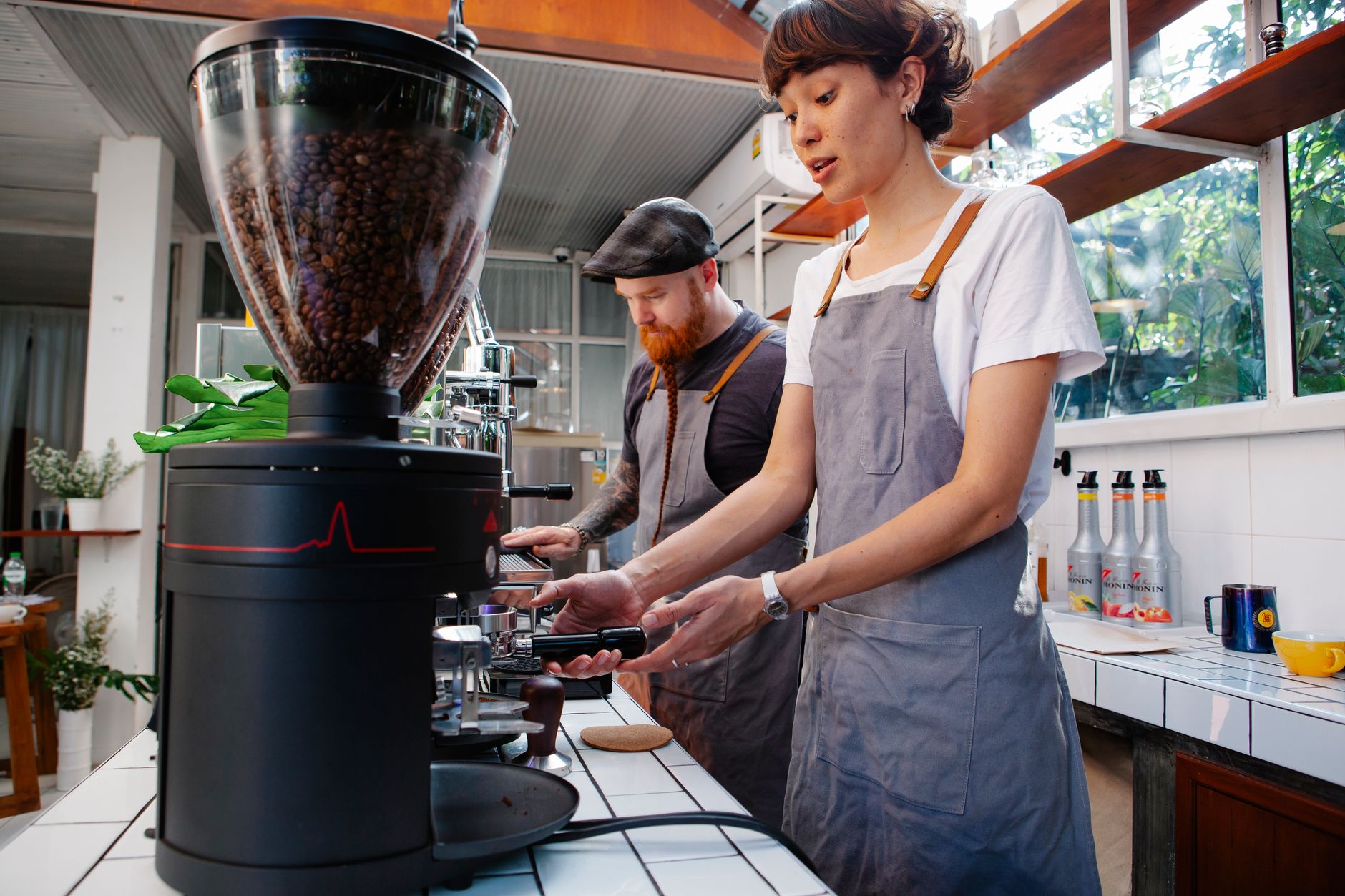
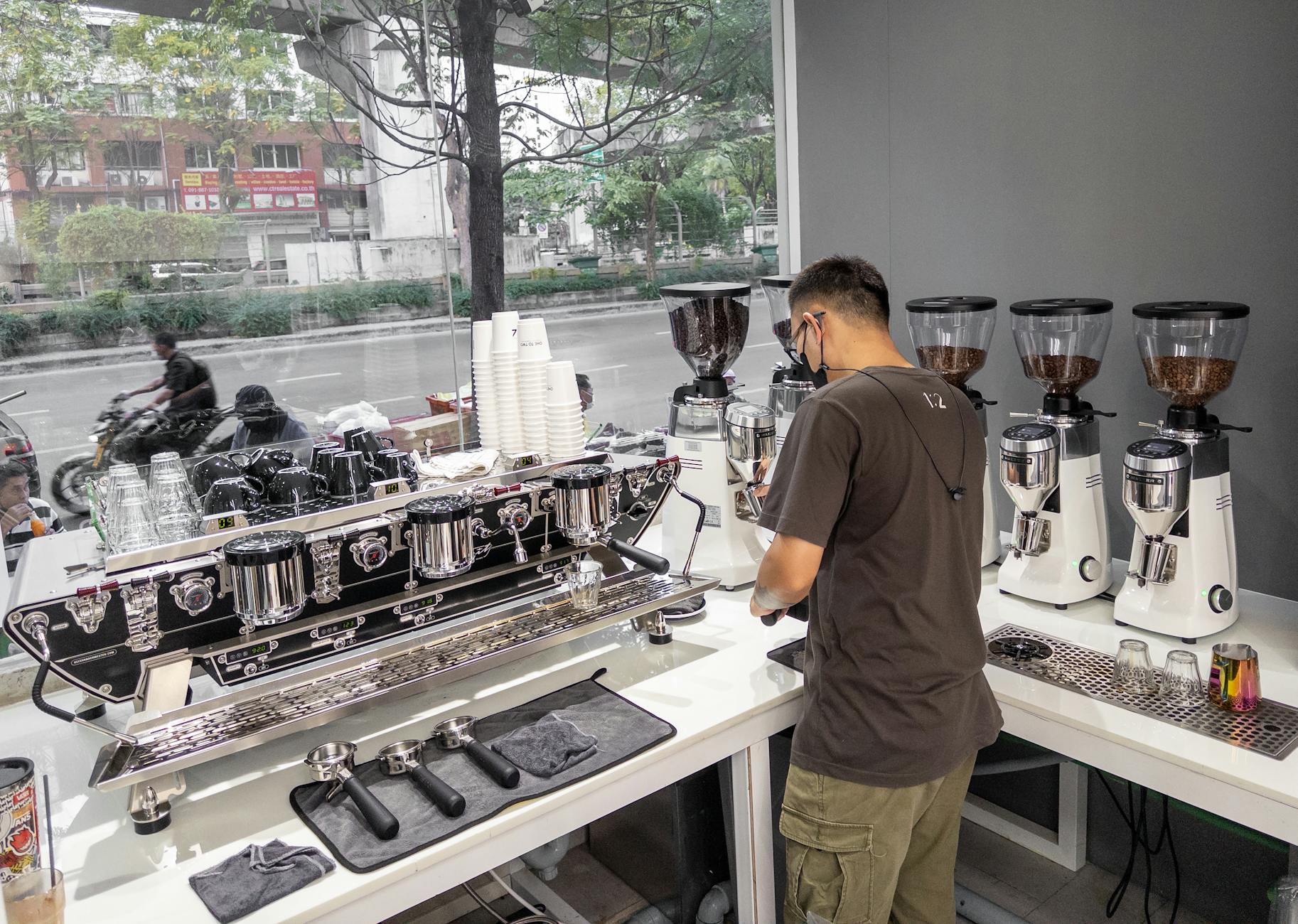
Choosing the right commercial grinder supply is one of the most critical decisions you'll make for your cafe. It directly impacts shot quality, consistency, and your bottom line. Many owners focus on the espresso machine and neglect the grinder, but in my experience, the grinder is where the magic—or the disaster—happens. This step-by-step guide will walk you through exactly how to evaluate your needs, compare grinder types, and select a supplier that keeps your operation running smoothly.
For a broader view of coffee equipment, see our guide on Reliable Coffee Machines for Foodservice: 2026 Buyer's Guide.

What Is Commercial Grinder Supply?
📚
Definition
Commercial grinder supply refers to the complete system of sourcing, maintaining, and replacing coffee grinders and their consumable parts (burrs, motors, hoppers) for a foodservice business. It includes the equipment itself, ongoing service, and replacement components required for consistent operation.
A commercial grinder supply isn't just buying a grinder once. It's about ensuring you have the right equipment for your volume, a reliable supplier for replacement burrs and parts, and a service plan to minimize downtime. The Specialty Coffee Association (SCA) emphasizes that grinder quality is the single most important factor in brew consistency after bean freshness. According to SCA standards, a grinder must produce a narrow particle size distribution to achieve optimal extraction.
When evaluating commercial grinder supply, you need to consider three core elements: the grinder itself (burr type, motor, size), the supply chain (where you get burrs, shims, and service), and the total cost of ownership over 3–5 years. Most guides skip the operational side, but that's where cafes lose money.
Why Commercial Grinder Supply Matters
Your grinder is the workhorse of your bar. It grinds hundreds of pounds of coffee per week, and if it fails, you're stuck serving subpar drinks or shutting down the espresso bar. A study by the Coffee Quality Institute found that improper grinding can waste up to 15% of coffee due to inconsistent extraction, directly hitting your cost of goods sold. Additionally, a grinder that's undersized for peak demand creates bottlenecks—your baristas can't keep up during rush hour, leading to longer wait times and frustrated customers.
💡
Key Takeaway
A poorly chosen commercial grinder supply costs you in three ways: wasted coffee, lost sales from downtime, and decreased customer satisfaction.
Beyond daily operations, the right grinder supply affects your reputation. Third Wave coffee consumers expect consistency. If your espresso pulls sour one day and bitter the next, they'll go elsewhere. According to Allegra World Coffee Portal's 2025 Project Café report, 41% of consumers would switch coffee shops after one bad experience. Your grinder is directly responsible for that consistency.
How to Choose Commercial Grinder Supply: A Step-by-Step Guide
Now let's get practical. Follow these five steps to select the best commercial grinder supply for your cafe:
Step 1: Assess Your Volume and Peak Demand
Start by calculating your average daily shots and the busiest hour's demand. A cafe serving 200 shots per day needs a different grinder than one serving 600. Most manufacturers list a grinder's duty cycle—for example, a Mazzer Super Jolly is rated for about 80–100 shots per day, while a larger model like the Eureka Atom 75 can handle 200+. In my experience, many cafe owners underestimate peak demand and buy grinders that overheat during the morning rush. Always size for your busiest hour times 1.5 as a buffer.
Step 2: Choose Between Flat and Conical Burrs
This is the biggest technical decision. Flat burrs produce a very uniform particle size, ideal for high-clarity espresso and pour-over. Conical burrs generate a wider distribution with more fines, which can add body and sweetness to espresso. There's no absolute right answer—it depends on your desired flavor profile. However, flat burrs are more common in specialty cafes for their consistency. Both types require periodic replacement: typically after 500–1000 lbs of coffee for flat burrs and 1000–1500 lbs for conical. Make sure your commercial grinder supply includes easy access to replacement burrs.
For a deeper dive into espresso machines, see our Bean to Cup Office Espresso Machines Explained.
Step 3: Determine Required Grind Size Range
If you offer multiple brew methods (espresso, drip, cold brew), you need a grinder that can adjust across a wide range. Some grinders are stepless, allowing infinite adjustment, while others have stepped settings. For espresso-only cafes, a dedicated espresso grinder with fine adjustment is sufficient. For multi-method cafes, consider a separate grinder for drip and espresso, or a versatile model like the Mahlkönig EK43. The Specialty Coffee Association recommends that a grinder should have a consistent particle size distribution within a tolerance of ±100 microns.
Step 4: Evaluate Durability and Warranty
Commercial coffee grinders operate under heavy use. Look for models with robust motors (minimum 1/2 HP, preferably 3/4 HP), metal burr carriers, and replaceable burrs. Warranty coverage matters: a standard 1-year parts and labor is common, but some premium brands offer 2–3 years. Also check the availability of local service technicians. If your supplier doesn't offer maintenance, you'll need to find a third-party repair service. At Busy Bean Coffee, we include full maintenance and replacement in our managed coffee program, so you never have to worry about sourcing parts or finding a technician.

Step 5: Consider Total Cost of Ownership
Don't just look at the purchase price. Factor in burr replacement costs (typically $100–$300 per set), electricity, and lost revenue from downtime. A cheaper grinder that needs frequent repairs can cost more over three years than a premium model with a higher upfront price. When evaluating commercial grinder supply, compare the cost per pound of coffee ground, including maintenance. This is where all-inclusive programs shine—they bundle equipment, installation, maintenance, and consumables into one predictable monthly fee.
💡
Key Takeaway
The cheapest grinder upfront is often the most expensive over time. Prioritize reliability and service support.
Flat Burr vs Conical Burr: Which Commercial Grinder Supply Is Right for You?
| Feature | Flat Burr | Conical Burr |
|---|---|---|
| Particle uniformity | Very high (narrow distribution) | Moderate (wider distribution, more fines) |
| Flavor profile | Bright, clean, high clarity | Full-bodied, sweet, good for espresso |
| Best for | Pour-over, drip, high-clarity espresso | Traditional espresso, darker roasts |
| Burr lifespan | 500–1000 lbs | 1000–1500 lbs |
| Maintenance | Requires more frequent alignment | Generally easier to maintain |
| Cost | Moderate to high | Moderate |
This table simplifies the trade-offs. For most specialty cafes, flat burrs are preferred for espresso because they allow precise dialing-in. But if you serve mainly milk drinks with darker roasts, conical burrs can be a great cost-effective option.
For more on equipment choices, read our Lease vs Buy Office Espresso Machines: The Real Decision Guide.
Common Questions & Misconceptions About Commercial Grinder Supply
Let's clear up a few myths I encounter regularly:
Myth 1: Bigger burrs always produce better coffee.
Actually, burr geometry and alignment matter more than size. A well-aligned 64mm flat burr can outperform a poorly aligned 80mm. Focus on the manufacturer's reputation for consistency, not just diameter.
Myth 2: You can use the same grinder for espresso and drip without issues.
Yes, but it's not ideal. Switching between grind sizes wastes coffee and creates retention problems. A dedicated espresso grinder is a better investment if you serve both.
Myth 3: All commercial grinders are built the same.
Far from it. Entry-level models often use plastic components that wear out quickly. Stick to established brands like Mazzer, Eureka, Mahlkönig, or Fiorenzato. Pay attention to the burr material: steel burrs last longer but may run hotter; titanium-coated burrs offer a good balance.
Myth 4: Buying a grinder outright is always cheaper.
Not when you factor in maintenance, downtime, and burr replacements. For many cafes, an all-inclusive supply agreement (like what Busy Bean Coffee offers) provides better total cost of ownership, especially for high-volume operations.
Frequently Asked Questions
What size commercial grinder do I need for my cafe?
Calculate your weekly volume: if you serve 300 shots per day, you need a grinder rated for at least 350–400 shots daily to allow for peak times. A general rule: choose a model with a motor of at least 0.5 HP and a burr size of 64mm or larger. For high-volume cafes (500+ shots/day), consider a twin-grinder setup or a large-capacity model like the Mahlkönig K30. Always check the manufacturer's recommended daily capacity.
How often should I replace grinder burrs?
Burr replacement depends on throughput and coffee type. For standard espresso, flat burrs need replacement every 500–800 lbs of coffee; conical burrs last 800–1500 lbs. Lighter roasts are harder on burrs, so replace sooner if you use light roasts. Signs of worn burrs include inconsistent particle size, longer extraction times, and increased fines. Most suppliers recommend quarterly or bi-annual inspection.
Should I buy or lease my commercial grinder supply?
If you have capital and want full ownership, buying can be cheaper in the long run. However, leasing or joining a managed coffee program offers predictable costs, includes maintenance, and allows you to upgrade equipment easily. For new or growing cafes, the lower upfront investment of a program can preserve cash flow. Our Managed Coffee Service Cost Per Cup article breaks down the math.
How do I maintain a commercial coffee grinder?
Daily: purge a few grams before grinding to clear old coffee. Weekly: brush the burrs and remove the hopper for cleaning. Monthly: inspect burrs for wear and alignment. Annually: deep clean with grinder cleaning tablets and check the motor brushes (if applicable). Always follow the manufacturer's maintenance schedule to avoid voiding the warranty.
Can I use a commercial grinder for both espresso and French press?
Technically yes, but not recommended if you must frequently switch. Adjusting grind size wastes a significant amount of coffee (retention can be 10–30 grams per setting change). It also introduces stale grinds. If you need both, either own two grinders or use a model with low retention and a wide grind range, like the Mahlkönig EK43.
Summary & Next Steps
Choosing the right commercial grinder supply is a strategic decision that affects your cafe's quality, efficiency, and profitability. Focus on matching grinder capacity to your volume, selecting the appropriate burr type for your flavor goals, and securing a reliable supplier for long-term maintenance. Start by auditing your current setup: calculate your daily shot count, evaluate your burr condition, and compare your replacement parts costs.
If you're tired of sourcing parts and scheduling maintenance, consider a managed coffee program. At Busy Bean Coffee, we provide premium SENSA grinders, professional installation, full maintenance coverage, and exclusive product pricing for one predictable monthly fee. No capital expense, no hassle—just great coffee. Contact us today to learn more.
For more insights, read our Benefits of All-Inclusive Coffee Programs for Businesses in 2026 and Emerging Trends in Wholesale Barista Equipment for 2026.
About the Author
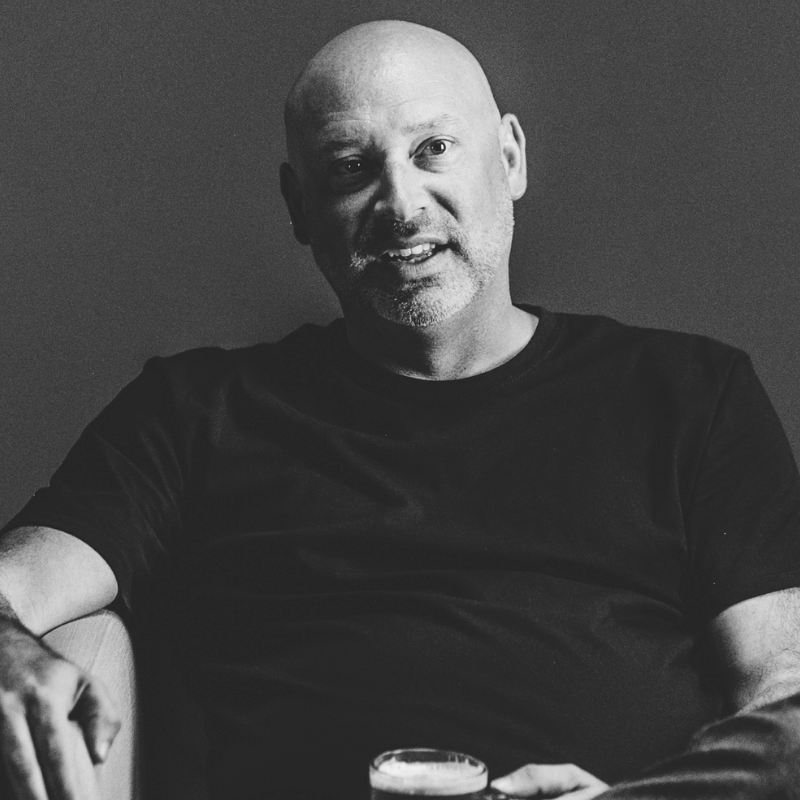
Travis Estes is the (Founder) at Busy Bean Coffee. With over a decade of experience in specialty coffee equipment and managed services, he has helped hundreds of cafes optimize their coffee programs. He believes that the grinder is the heart of the espresso bar.