How Do Professional Office Coffee Solutions Actually Work?
Managing a high-volume breakroom often feels like a losing battle against stale pots and broken machines. The core of effective office coffee solutions is the transition from a "purchase and pray" model, where you buy a machine and hope it works, to a managed ecosystem. This system integrates high-end hardware, a consistent supply of specialty coffee, and proactive maintenance into a single operational flow. By shifting the burden of equipment uptime and bean sourcing to a specialist, businesses ensure that the quality of the brew remains constant while the administrative overhead of managing supplies drops to near zero.
In my experience working with hospitality and corporate clients, the most common failure point isn't the coffee itself, but the "gap of neglect." This is the period between when a machine starts tasting "off" and when a manager actually notices and calls a technician. A managed solution eliminates this gap through scheduled preventative maintenance and precise calibration, ensuring that a Monday morning rush doesn't result in 50 cups of bitter, under-extracted coffee.

What is the Mechanics of a Managed Coffee Ecosystem?
To understand how these systems function, we first have to define the framework. Most businesses assume they are just buying a coffee maker, but a professional solution is actually a service contract centered around a specialized asset.
📚
Definition
Office coffee solutions refer to a comprehensive service model where a provider supplies the brewing equipment, the coffee beans, and the technical support required to maintain beverage quality and machine uptime.
The process begins with a needs assessment. A Q-Grader or coffee consultant analyzes the daily headcount, peak usage hours, and the specific taste preferences of the staff. For example, a law firm in Mount Pleasant, SC, has very different requirements than a creative agency in the same region; one may prioritize speed and volume, while the other views the coffee station as a collaborative hub for high-end specialty coffee.
Once the scale is determined, the provider installs commercial-grade equipment, often utilizing SENSA technology or similar high-precision systems, that can handle hundreds of cycles per day without overheating. Unlike consumer machines, these are plumbed directly into the building's water line and filtered through industrial systems to remove minerals that cause scale buildup.
According to the Specialty Coffee Association (SCA), the precision of water temperature and filtration is the single most important variable in ensuring the flavor profile of Coffea arabica is preserved. Managed solutions automate this by including regularly scheduled filter changes and water chemistry tests, which prevents the "sour" or "metallic" taste often found in unmanaged office pots.
Now, here is where it gets interesting: the supply chain. Instead of an office manager ordering bags of beans from a grocery store, the solution utilizes a "just-in-time" delivery model. The provider tracks usage patterns and ensures that fresh-roasted beans arrive exactly when needed, preventing the oxidation that occurs when coffee sits in a pantry for three weeks.
Why Does a Managed Approach Impact Business Productivity?
The financial logic behind professional office coffee solutions extends far beyond the cost of the beans. It is an investment in "frictionless" workplace culture. When a coffee machine breaks in a busy office, it doesn't just mean no caffeine; it means a loss of focused time as employees leave the building to find a cafe, often staying away for 20 to 30 minutes.
If an office of 50 people loses just 15 minutes of productivity per person due to a broken machine or poor-quality brew, the company is leaking significant operational value. Data from the National Coffee Association USA (NCA) suggests that a significant percentage of adults rely on coffee to initiate their professional focus. When that ritual is disrupted or the quality is subpar, the psychological "start" to the workday is delayed.
Furthermore, the health and safety implications of unmanaged equipment are often overlooked. Commercial brewers that aren't cleaned according to strict standards can harbor bacteria or develop mold in the reservoir. Following NSF International guidelines for food equipment ensures that every machine is sanitized and safe for consumption, removing the liability from the business owner.
The mistake I see constantly is companies trying to save $50 a month by using a home-grade Keurig in a 40-person office. Within six months, the pump fails due to hard water, the pods create a mountain of plastic waste, and the staff complains about the lack of quality. A managed solution replaces this chaos with a predictable monthly fee, turning a volatile expense into a stable operational cost.
How to Implement an Office Coffee Solution Step-by-Step
Implementing a professional system is not as simple as plugging in a machine. It requires a strategic rollout to ensure the equipment is placed for maximum efficiency and minimum disruption.
Step 1: The Volume Audit
Calculate your "Peak Hour Demand." If you have 100 employees, but 60 of them all want coffee between 8:45 AM and 9:15 AM, you need a machine with a high-capacity boiler. Busy Bean Coffee typically performs this audit by analyzing current waste and employee feedback to determine the exact throughput required.
Step 2: Infrastructure Preparation
Professional machines require specific utilities. You need a dedicated power circuit to prevent tripped breakers and a direct water line connection. We recommend installing a high-grade filtration system at the point of entry to protect the espresso machine from the specific mineral content of the local water supply in your area.
Step 3: Bean Selection and Calibration
Not all coffee fits all machines. A dark roast might be better for a drip system, while a medium-bodied Arabica coffee is ideal for an espresso-based system. The provider calibrates the grind size and dose to match the specific roast profile, ensuring that the extraction is balanced, neither too acidic nor too bitter.
Step 4: Staff Training (The Barista Bridge)
Even the best machine fails if the user doesn't know how to operate it. A key part of the Busy Bean Coffee implementation is training a few "office champions", staff members who know how to perform basic daily cleaning and how to swap out beans.
Step 5: The Feedback Loop
A managed solution is iterative. After 30 days, the provider reviews the consumption data. If the office is burning through beans faster than expected, the delivery frequency is adjusted. If a certain roast isn't popular, it's swapped for a different profile.
💡
Key Takeaway
The success of an office coffee solution depends less on the machine itself and more on the "Calibration Loop", the ongoing process of adjusting roast, grind, and maintenance to match real-world usage.

Comparing Coffee Service Models
When deciding how to bring coffee into the workplace, businesses usually face three distinct paths. The "right" choice depends entirely on your growth stage and your tolerance for administrative tasks.
| Feature | Manual/DIY Approach | Cheap Pod-Based Systems | Managed Business Solution |
|---|---|---|---|
| Upfront Cost | Moderate (Buying a machine) | Low (Cheap hardware) | Zero to Low (Membership model) |
| Coffee Quality | Inconsistent (Varies by bean) | Low (Processed/Stale) | High (Specialty Grade) |
| Maintenance | Reactive (Fix when broken) | Replace (Throw away) | Proactive (Scheduled service) |
| Waste Level | Low to Medium | Extremely High (Plastic pods) | Low (Compostable grounds) |
| Admin Effort | High (Ordering/Cleaning) | Medium (Pod refills) | Low (Automated delivery) |
| Best For | Small teams (< 5 people) | Temporary/Low-use spots | Growth-oriented businesses |
Most guides get this wrong by suggesting that pods are the "easiest" option. While the initial setup is easy, the long-term administrative burden of ordering pods and the environmental guilt of the waste make it a poor choice for any company trying to project a professional or sustainable brand image.
Common Questions and Misconceptions
There are several myths that circulate in the corporate world regarding coffee services. Let's dismantle them using actual industry data.
Myth 1: "Managed services are only for huge corporations."
Actually, mid-sized firms (20-100 employees) benefit the most. In a giant corporation, coffee is a rounding error in the budget. In a mid-sized firm, a broken machine is a noticeable productivity killer. Small-to-mid-sized businesses can now access "Enterprise-grade" equipment through membership models that eliminate the need for a $15,000 capital expenditure.
Myth 2: "Buying beans in bulk from a wholesaler is cheaper."
This is a classic accounting error. Bulk-bought beans lose their volatile aromatic compounds quickly. According to industry standards, coffee starts to degrade significantly within two weeks of roasting. By buying in bulk to "save money," you are paying for coffee that tastes stale, leading to wasted product as employees pour bad coffee down the drain.
Myth 3: "The machine does all the work."
A machine is just a tool. The real "work" is the water chemistry and the grind consistency. If your water is too hard, it will clog the internal valves regardless of how expensive the machine was. This is why professional solutions prioritize the filtration system as much as the brewer itself.
Frequently Asked Questions
How often does a professional coffee machine need maintenance?
In a high-volume office environment, basic cleaning should happen daily (emptying trays and rinsing ports). However, professional deep-cleaning and descaling should occur every 30 to 90 days, depending on the water hardness of your specific location. A managed solution includes these visits in the monthly fee, meaning a technician arrives to perform the "heavy lifting" without the office manager needing to track the calendar. This prevents the cumulative buildup of oils and minerals that eventually destroy the heating elements.
Is specialty coffee too "intense" for a general office population?
This is a common concern, but specialty coffee is actually more palatable because it lacks the burnt, bitter taste of commercial-grade "commodity" coffee. By using high-quality Arabica beans and precise roasting, the coffee has natural notes of chocolate, fruit, or nuts. The key is providing a few different profiles, perhaps a medium roast for general appeal and a darker roast for those who prefer a traditional "bold" cup. When calibrated correctly, specialty coffee is more widely enjoyed than cheap alternatives.
What is the difference between a "lease" and a "managed solution"?
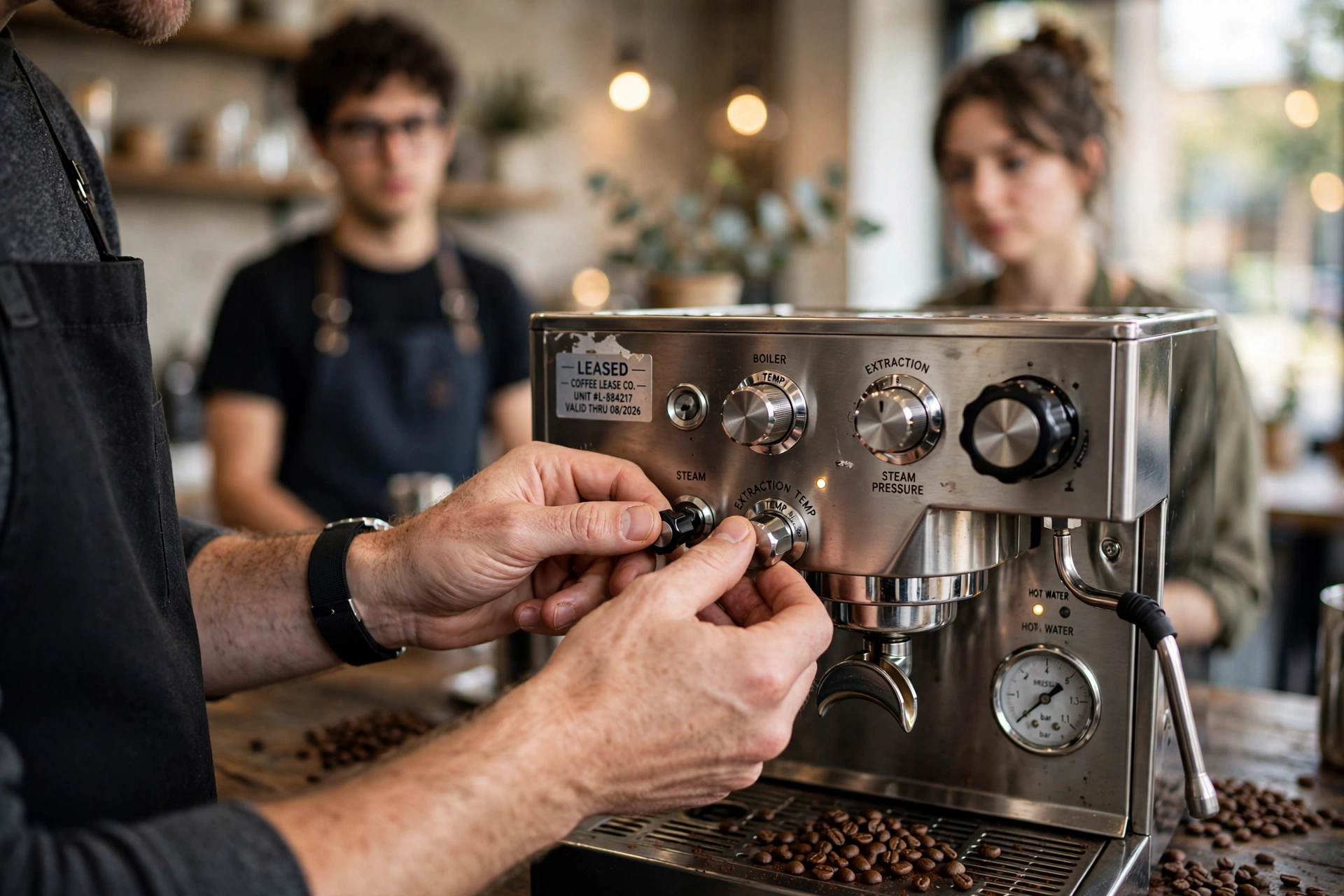
A lease is a financial agreement to pay for a piece of hardware over time. You still own the headache of ordering beans, cleaning the machine, and calling for repairs when it breaks. A managed solution, like the one offered by Busy Bean Coffee, is a service agreement. You aren't just paying for the machine; you are paying for the guarantee of high-quality coffee. If the machine breaks, it is replaced or fixed as part of the membership, and the coffee supply is automated based on your actual consumption.
How do office coffee solutions handle sustainability and waste?
Traditional pod systems create an environmental nightmare of plastic and aluminum. Professional managed solutions focus on whole-bean coffee, which produces organic waste (spent grounds) that can be composted. Furthermore, by using energy-efficient, commercial-grade machines, businesses reduce the power waste associated with having multiple small, inefficient home-brewers plugged into various outlets throughout the office. Using a single, high-efficiency hub is significantly more sustainable.
How do I know if my office actually needs a professional solution?
Ask yourself three questions: Does the coffee station require more than 15 minutes of "management" time per week? Does the machine break down more than twice a year? Are employees frequently leaving the office to buy coffee elsewhere? If the answer to any of these is "yes," you have a friction point. When the cost of employee time and the loss of productivity exceed the monthly cost of a managed service, the professional solution becomes the more economical choice.
Final Thoughts on Office Coffee Solutions
Moving your workplace away from a fragmented, manual coffee setup to a professional office coffee solutions model is more than just a luxury, it is a strategic operational move. By removing the friction of maintenance and the inconsistency of bean quality, you create a reliable "third space" within your office where collaboration happens naturally.
Whether you are operating a boutique firm in Mount Pleasant or a scaling corporate headquarters, the goal is the same: eliminate the administrative burden and elevate the sensory experience for your team. When the coffee is excellent and the machine always works, it sends a subtle but powerful message to employees and clients that the details matter in your business.
If you are ready to stop managing your coffee and start enjoying it, we invite you to explore the all-inclusive managed coffee membership at Busy Bean Coffee. We handle the equipment, the installation, and the maintenance, so you can focus on growing your business while we ensure your team stays caffeinated with the highest quality roasts.
Recommended Readings
To deepen your understanding of these topics, we recommend reading the following articles:
- The Complete Guide to White Glove Coffee Service
- Ultimate Guide to All-Inclusive Coffee Service for Businesses
- Ultimate Guide to Automated Coffee Machines for Business
- Ultimate Guide to Specialty Coffee Equipment for Business
Free Coffee Pairing Guide & Specialty Roast Cheat Sheet
Unlock the secrets of perfect brewing ratios, water temperatures, and specialty roast profiles. Download the guide.