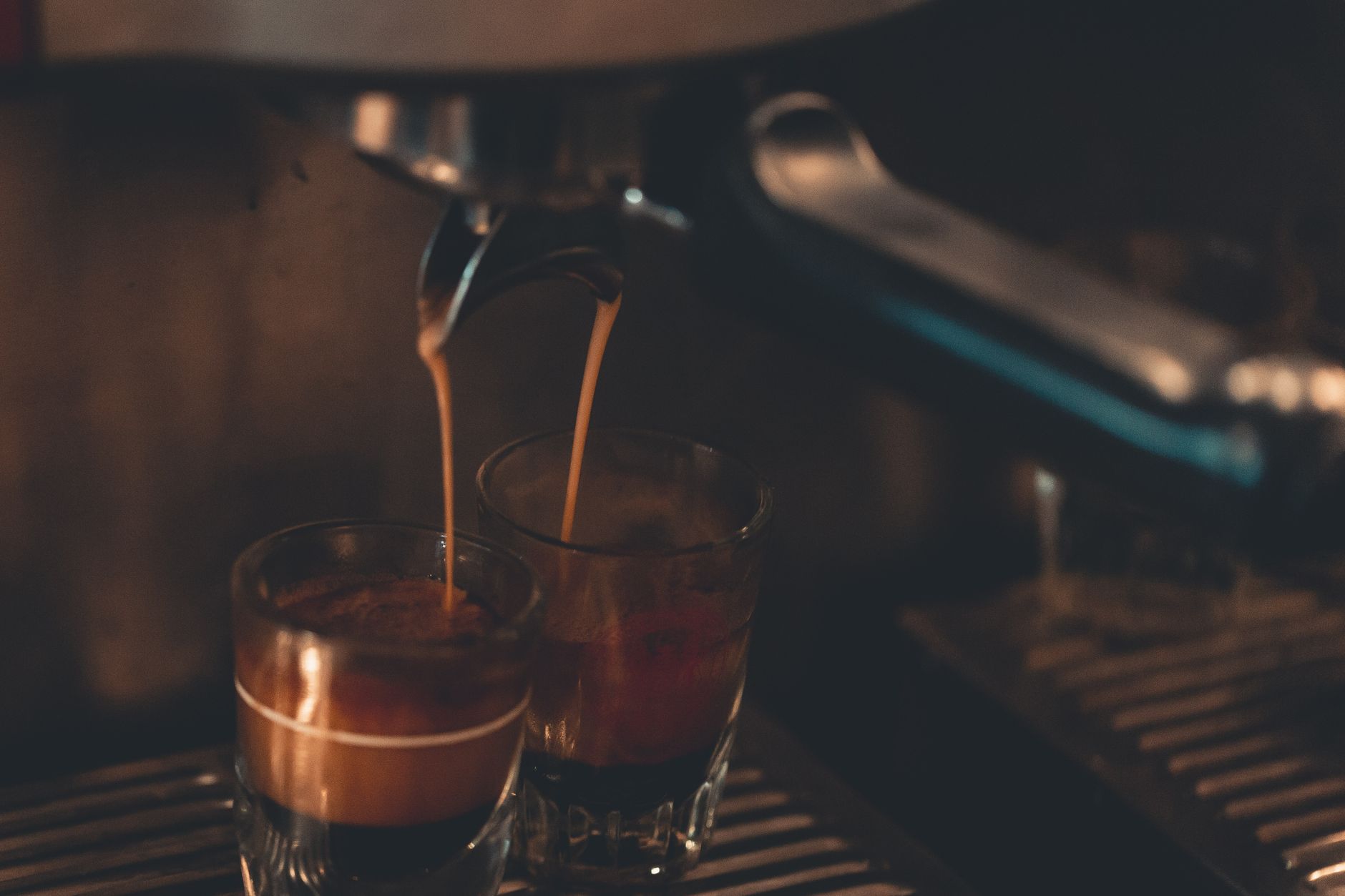
Where Should You Source Professional Office Coffee Solutions?
Finding the right place to buy office coffee solutions often feels like a choice between two extremes: buying a consumer-grade machine from a big-box retailer or signing a restrictive, overpriced contract with a national corporate vendor. For most businesses, the ideal location is actually a managed service provider that blends high-end equipment with a flexible membership model. This approach shifts the burden of maintenance and inventory from your office manager to a dedicated expert, ensuring the coffee is always fresh and the machines are always running.
In my experience working with hundreds of foodservice and corporate accounts, the biggest mistake I see is the "retail trap." Companies buy a high-end espresso machine from a website, only to realize six months later that they have no one to calibrate the grinder or descale the boiler. The "where" isn't just about the transaction; it's about where the ongoing support resides. If you are looking for a localized, high-touch experience, exploring a Sensa Coffee Service in Charlotte, NC or similar regional specialists is the only way to ensure your equipment doesn't become a costly paperweight.
What Exactly Are Managed Office Coffee Solutions?
When businesses look for office coffee solutions, they aren't just buying beans and a pot; they are investing in a beverage ecosystem. A managed solution is a comprehensive service where a provider handles the equipment, the roasting, the delivery, and the technical upkeep for a predictable monthly fee. Instead of a capital expenditure (CapEx) where you pay thousands upfront for a machine, a managed service operates as an operating expense (OpEx), allowing you to scale as your headcount grows.
📚
Definition
Managed Coffee Services are all-inclusive memberships providing commercial-grade equipment, professional installation, routine maintenance, and a recurring supply of specialty coffee beans for a flat monthly fee.
This model is particularly vital for high-traffic environments. For instance, a medical facility cannot afford for their coffee machine to be down for three days while waiting for a part to ship from overseas. This is why many healthcare providers prioritize automated coffee machines for clinics and medical offices, where reliability and speed are non-negotiable. By sourcing from a managed provider, you are essentially buying an insurance policy against downtime.
According to the Specialty Coffee Association (SCA), the quality of the final cup depends on a precise synergy between the roast profile, water chemistry, and equipment calibration. Most "off-the-shelf" retail solutions ignore these variables entirely. When you partner with a specialized roastmaster, you get access to Coffea arabica sourced from sustainable farms and roasted specifically for the equipment you are using, which eliminates the guesswork and ensures a consistent taste profile across every brew.
Why the Sourcing Location Impacts Your Bottom Line?
The "where" of your coffee procurement directly affects your employee productivity and operational costs. Many executives view coffee as a trivial perk, but the data suggests otherwise. Coffee stations serve as the primary "collision point" in an office, where spontaneous collaboration happens. If the coffee is poor or the machine is broken, you aren't just losing a beverage; you are losing a cultural hub.
From a financial perspective, the hidden costs of "cheap" retail solutions are staggering. When you buy a consumer machine, you are responsible for:
- Maintenance Labor: The hours your staff spends cleaning and troubleshooting.
- Waste: The amount of coffee thrown away due to incorrect grind settings or stale beans.
- Unexpected Replacement: The cost of replacing a machine that wasn't designed for 50+ cups a day.
Research from the National Coffee Association USA (NCA) indicates that coffee consumption patterns in the workplace are shifting toward "specialty" expectations. Employees no longer want basic drip coffee; they want lattes, macchiatos, and precise temperature control. When a business fails to provide this, it impacts the perceived value of the workplace.
Furthermore, the International Coffee Organization (ICO) highlights the volatility of the global coffee commodity market. When you source through a managed provider like Busy Bean Coffee, you are often shielded from these wild price swings through locked-in membership pricing. This allows for predictable budgeting in 2026, rather than reacting to the fluctuating price of a bag of beans at a local grocery store.
How to Implement a Professional Coffee Program Step-by-Step
Transitioning from a basic coffee pot to a professional office coffee solution requires a strategic approach. You cannot simply drop a commercial machine into a breakroom and expect it to work; you need infrastructure and a workflow.
First, conduct a Volume Audit. Determine how many cups are consumed per hour during peak times (usually 8:00 AM to 10:00 AM). If you have 50 employees, you might be brewing 100 cups in two hours. A consumer machine will overheat and fail under this load. This is where you need to look into automatic coffee machines for hotels and hospitality in 2026 or corporate-grade Sensa equipment, which are engineered for continuous duty cycles.
Second, assess your Water Quality. This is the most overlooked step in the process. Hard water contains minerals that build up in the boilers of your machine, leading to "calcification." Without a professional filtration system, even the most expensive machine will break down within a year. Professional providers include water filtration as part of the setup, ensuring the longevity of the equipment and the purity of the taste.
Third, select your Roast Profile. Not every office likes the same coffee. Some prefer a bold, dark roast for milk-based drinks, while others prefer a light, fruity roast for black coffee. A managed provider will help you curate a selection of specialty coffee that appeals to a diverse palate.
Finally, establish a Maintenance Schedule. The mistake I made early on, and that I see constantly, is assuming that a machine is "set and forget." Even the best automated machines need regular descaling and group-head cleaning. By using a managed membership, you move this task off your to-do list.
💡
Key Takeaway
The most efficient way to deploy office coffee solutions is through a membership model that bundles equipment, filtration, and roasting into one predictable monthly fee, eliminating CapEx and maintenance headaches.
For those in specific regions, such as South Carolina, sourcing locally is a massive advantage. For example, a Sensa Coffee Service in Mount Pleasant SC: Complete Guide provides not just the product, but the physical proximity for rapid-response technicians who can be on-site in hours, not days.
Comparing Your Procurement Options
When deciding where to buy, you generally have three paths. The following table breaks down the trade-offs based on operational data and long-term ROI.
| Option | Pros | Cons | Best For |
|---|---|---|---|
| Retail/Big Box Store | Low initial cost, immediate availability. | High failure rate, no support, poor quality control. | Small offices (< 5 people) with low volume. |
| National Corporate Vendor | Broad reach, standard contracts. | Rigid terms, "cookie-cutter" coffee, slow support. | Massive corporations with 100+ locations. |
| Managed Roastmaster (Busy Bean) | Expert curation, zero CapEx, rapid local support. | Requires a monthly commitment. | Growth-oriented businesses, hotels, and medical clinics. |
Now, here's where it gets interesting: most businesses start with the retail approach, experience a "catastrophic failure" of their machine during a high-stress week, and then scramble to find a professional provider. By moving directly to a managed service, you avoid that downtime entirely. If you are operating in a high-stakes environment, such as a busy law firm or a medical center, you might consider Sensa Coffee Service in Raleigh NC to ensure your guests and staff have a premium experience from day one.

Common Misconceptions About Office Coffee
Many decision-makers rely on outdated information when choosing where to source their coffee. Let's debunk a few common myths.
Myth 1: "A high-end consumer machine is the same as a commercial one."
Most guides get this wrong. A consumer machine is designed for 2-4 cups a day. A commercial machine is designed for 200. The internal boilers in consumer machines are often made of aluminum or thin steel, whereas professional equipment uses heavy-duty brass or stainless steel to maintain temperature stability. If you use a home machine in an office, you are essentially treating a sedan like a semi-truck; it will break.
Myth 2: "Buying beans in bulk from a wholesaler is the cheapest option."
This ignores the "stale factor." Coffee is a perishable product. When you buy 50 lbs of beans from a wholesaler, the last 20 lbs are often stale by the time you reach them. A managed service provides "just-in-time" delivery of freshly roasted coffee beans, ensuring the flavor is peak and waste is minimized.
Myth 3: "Automatic machines don't taste as good as manual brew."
This was true ten years ago. Today, the latest Sensa equipment uses precision dosing and volumetric control that rivals a human barista. When the roast is calibrated to the machine, the consistency is actually higher than manual brewing, where human error often leads to bitter or sour cups.
Frequently Asked Questions
How do I know if I need a managed service or just a machine?
If your office has more than 10 employees or serves clients/patients, you need a managed service. The sheer volume of cleaning and maintenance required for commercial-grade coffee exceeds what a typical office manager can handle. When you calculate the cost of labor spent fixing a broken machine and the cost of wasted coffee, a managed membership is almost always cheaper than owning the equipment. Furthermore, a managed service allows you to access high-end technology without a massive upfront investment.
What is the difference between "specialty coffee" and "commercial coffee" for the office?
Commercial coffee is typically a blend of lower-grade beans designed for consistency and low cost, often resulting in a burnt or generic taste. Specialty coffee refers to beans that score 80 points or higher on a 100-point scale as defined by the Specialty Coffee Association (SCA). This means the beans are grown, harvested, and roasted with precision. In a business setting, offering specialty coffee signals a commitment to quality and detail that reflects positively on your brand.
How often should commercial coffee equipment be serviced?
For high-volume environments, a professional "deep clean" and calibration should happen monthly, while daily maintenance (like rinsing the milk system) must happen every 24 hours. If you are using an automated system, the machine will alert you when it needs descaling. However, a professional technician should visit quarterly to check the water filtration and pump pressure. This prevents the "sudden death" of a machine and ensures that every cup tastes exactly as intended.
Are these solutions compliant with health and safety standards?
Yes, but only if you source from a professional provider. Equipment from a managed service is typically NSF International certified, meaning it meets strict sanitary and safety standards for commercial use. Consumer machines often lack these certifications, making them a potential liability in a regulated environment like a clinic or a hotel. Managed services handle the installation to ensure that plumbing and electrical setups are up to code.
Can I change my coffee roast or equipment as my business grows?
One of the primary benefits of a membership model is scalability. Unlike buying a machine that you are stuck with for five years, a managed service allows you to pivot. If your headcount doubles, you can upgrade to a larger machine or add a second station without having to sell old equipment on the secondary market. You simply adjust your membership tier. This flexibility is why so many growing companies in cities like Atlanta utilize Sensa Coffee Service in Atlanta GA.
Final Thoughts on Office Coffee Solutions
Choosing where to buy your office coffee solutions is a decision that balances immediate cost against long-term operational efficiency. While the allure of a cheap, one-time purchase from a retail store is strong, the "hidden tax" of maintenance, downtime, and poor quality eventually catches up. The most successful businesses treat their coffee program as an investment in their culture and their brand.
By partnering with a specialist like Busy Bean Coffee, you move from being a "machine owner" (which is a liability) to a "coffee subscriber" (which is an asset). You get the peace of mind that comes with professional roasting, NSF-certified equipment, and rapid local support. Whether you are looking for a Sensa Coffee Service in Jacksonville, FL or a comprehensive program in a larger metro area, the goal is the same: great coffee, zero hassle.
Ready to upgrade your office experience? Visit Busy Bean Coffee Blog to find the perfect managed membership for your business.
Ready to Upgrade Your Business Coffee?
Café-quality coffee, zero maintenance headaches, and one predictable monthly price. Let's build your custom coffee program.
Free Coffee Pairing Guide & Specialty Roast Cheat Sheet
Unlock the secrets of perfect brewing ratios, water temperatures, and specialty roast profiles. Download the guide.