📖This article is part of the complete guide to Breakroom Coffee Service Providers (2026 Overview).
Which Office Coffee Solution is Right for Your Business?
The difference between a productive morning and a chaotic breakroom often comes down to the quality of the caffeine delivery system. When evaluating office coffee solutions, the "right" choice isn't about the most expensive machine, but the intersection of your employee headcount, available maintenance bandwidth, and the desired quality of the brew. For a small 10-person boutique, a high-end bean-to-cup machine suffices; for a 200-person corporate hub, a managed membership model is the only way to avoid operational collapse.
In my experience working with dozens of corporate offices, the most common failure isn't the coffee taste, it's the "hidden labor." I've seen office managers spend four hours a week cleaning machines or ordering pods, which is a massive waste of professional salary. The goal is to move from a "hardware-first" mindset to a "service-first" framework.
Whether you are looking for Sensa Coffee Service in Charlotte, NC or scaling a national footprint, the decision boils down to three paths: self-managed hardware, pod-based convenience, or an all-inclusive managed membership.
Understanding the Framework of Modern Office Coffee Solutions
To make an informed decision, you first need to understand that you aren't just buying a machine; you are implementing a beverage program. A professional program integrates the hardware, the raw materials (the beans), and the maintenance cycle into a single workflow.
📚
Definition
Office Coffee Solutions refer to the end-to-end ecosystem of hardware, consumables, and maintenance services designed to provide consistent, high-quality beverage options within a professional workplace environment.
The landscape has shifted significantly. We have moved past the era of the "burnt pot" of drip coffee. Today, the focus is on Specialty Coffee, which requires precise temperature control and fresh roasting to maintain the volatile aromatic compounds of the coffee bean. When you move toward professional-grade equipment, you are essentially bringing a cafe-quality experience into the workplace, which has a direct impact on employee satisfaction and retention.
According to the National Coffee Association USA (NCA), coffee consumption patterns in the workplace have evolved, with a growing demand for "premium" experiences over basic caffeine delivery. This shift means that providing a low-quality solution is no longer a neutral choice; it is a visible indicator of how a company values its employees' daily experience.
Now, here's where it gets interesting: the complexity of the solution must scale with the volume. If you have a high-traffic area, a manual espresso machine will create a bottleneck of frustrated employees. You need automation that doesn't sacrifice the integrity of the Coffea arabica bean. This is why many high-growth firms are opting for automated coffee machines for clinics and medical offices or corporate headquarters, where speed and consistency are non-negotiable.

Why the Quality of Your Coffee Service Directly Impacts Your Bottom Line
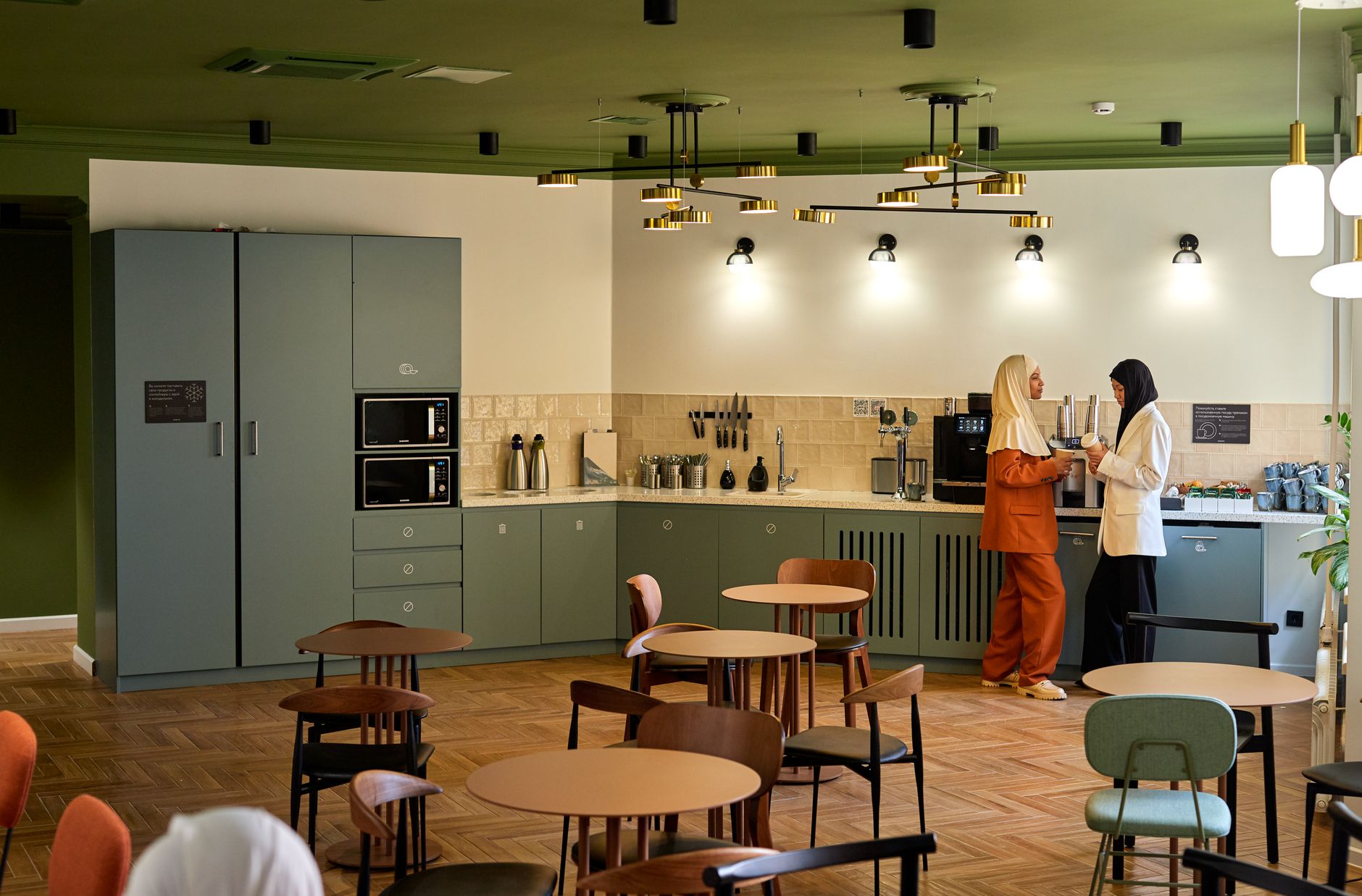
Many executives view coffee as a "perk" or a line item in the facilities budget. This is a fundamental mistake. In reality, the coffee station is the primary social hub of the office, the "water cooler" of the 21st century. When the coffee is poor or the machine is broken, it creates a micro-friction that ripples through the workday.
The business impact manifests in three primary areas: productivity, employee morale, and guest perception. When employees have to leave the building for 20 minutes to find a "real" coffee, you aren't just losing time; you are breaking their deep-work flow.
Research into workplace productivity suggests that strategic "micro-breaks" actually increase cognitive function. However, if the break is spent fighting with a clogged pod machine, the psychological benefit is negated. Furthermore, for businesses that host clients, the quality of the coffee served is a proxy for the quality of the work the company produces. Offering a guest a mediocre cup of coffee is a subtle signal of mediocrity.
From a financial perspective, the "cheap" option is often the most expensive. A low-cost machine that breaks every three months and requires manual descaling and cleaning creates a hidden cost in labor. According to NSF International, maintaining strict sanitary standards for food-contact equipment is essential to avoid health risks and equipment failure. When an office fails to maintain its machines, the resulting downtime and replacement costs often exceed the price of a professional managed service.
For those managing large-scale hospitality environments, the stakes are even higher. Integrating automatic coffee machines for hotels and hospitality in 2026 allows for a seamless guest experience that removes the need for constant staff intervention, directly lowering labor costs while increasing the perceived value of the stay.
How to Implement a High-Performance Coffee Program
Implementing a coffee solution isn't as simple as plugging in a machine. It requires a strategic rollout to ensure that the equipment matches the usage patterns of your staff.
First, perform a "Volume Audit." Count how many cups are consumed during the peak 9:00 AM to 11:00 AM window. If you are serving more than 20 people per hour, you need a high-capacity automated system. If you are under 10, a premium bean-to-cup machine might suffice.
Second, determine your "Maintenance Appetite." Be honest about who is going to clean the machine. If the answer is "the office manager" or "the cleaning crew," you are setting yourself up for failure. Most cleaning crews are not trained in the specifics of coffee machine hygiene, leading to scale buildup and pump failure.
This is where Busy Bean Coffee changes the equation. Instead of selling you a machine and wishing you luck, we provide an all-inclusive managed membership. We handle the professional installation, the recurring delivery of specialty roasts, and, most importantly, the full maintenance coverage.
💡
Key Takeaway
The most efficient way to scale a coffee program is to decouple the hardware ownership from the service. A managed membership removes the capital expense and the maintenance burden, turning a complex operational task into a predictable monthly fee.
If you are operating in a specific region, such as needing Sensa Coffee Service in Raleigh NC (2026 Overview), the logistics of bean freshness become critical. Localized service ensures that your roast date is recent, which is the only way to truly experience the flavor profiles of high-altitude Arabica beans.

Comparing Your Options: The Decision Framework
When choosing which solution to deploy, you must weigh the trade-offs between convenience, quality, and cost. Most companies fall into one of three categories.
The "Self-Managed" route is where you buy a machine from a big-box retailer and buy bags of coffee from a wholesaler. This offers the most control but the highest risk of failure and the most manual labor.
The "Pod-Based" route is the hallmark of the 2010s. It's convenient, but the cost per cup is astronomical, and the environmental impact of plastic pods is a growing concern for corporate ESG (Environmental, Social, and Governance) goals.
The "Managed Service" route, like the one offered by Busy Bean Coffee, treats coffee as a utility. It provides the highest quality (Specialty Coffee), the best equipment (SENSA), and zero maintenance stress.
Office Coffee Solutions Comparison Table
| Feature | Self-Managed (Retail) | Pod-Based Systems | Managed Membership (Busy Bean) |
|---|---|---|---|
| Initial Cost | Medium (Hardware Purchase) | Low to Medium | Zero (Membership-based) |
| Cup Quality | Variable (Depends on User) | Consistent but Generic | Premium Specialty Grade |
| Maintenance | Manual / DIY | Simple but Frequent | Fully Managed / Professional |
| Cost per Cup | Low (Bulk Beans) | High (Individual Pods) | Predictable Monthly Fee |
| Environmental Impact | Low (Compostable) | High (Plastic Waste) | Low (Sustainable Sourcing) |
| Best For | Micro-offices (< 5 people) | Very Low Volume/Occasional | Professional Offices & Hospitality |
That said, the "Managed" approach is the only one that scales. If you're expanding your presence in the South, whether through Sensa Coffee Service in Savannah GA: Complete Guide | Busy Bean Coffee or Sensa Coffee Service in Jacksonville, FL, having a partner who understands the regional logistics of freshness is a competitive advantage.
Common Questions & Misconceptions
Most guides on office coffee focus on the "best machine," but they miss the operational reality. Here are the most common myths I encounter.
Myth 1: "Pod machines are the most cost-effective for small offices."
This is mathematically false. While the machine is cheap, the cost per pod is often 4x to 10x higher than the cost of specialty beans. Over a year, a small office can spend thousands of dollars more on pods than they would on a managed bean-to-cup service.
Myth 2: "Any automatic machine makes the same coffee."
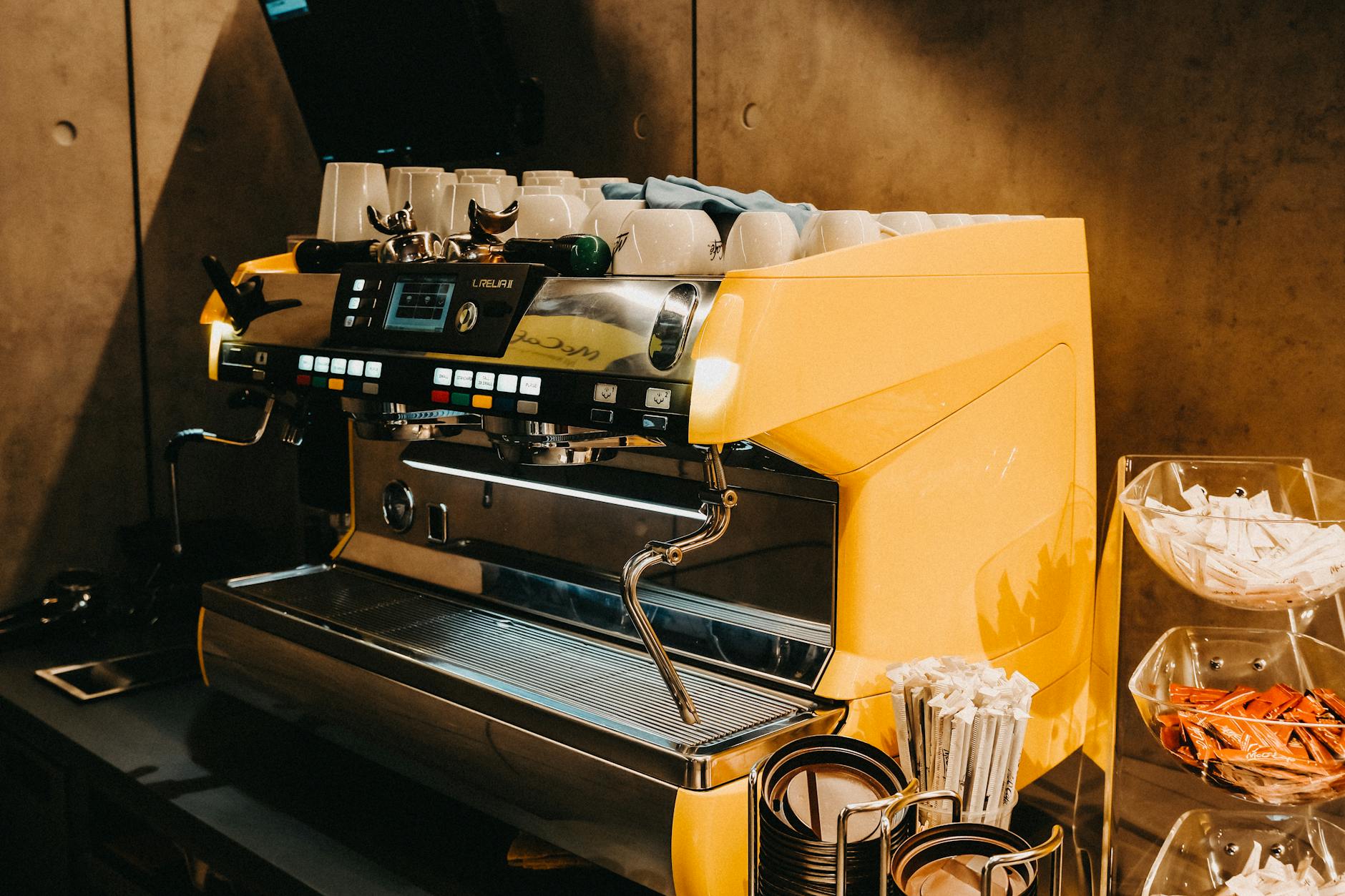
This is a dangerous simplification. The difference between a consumer-grade "automatic" machine and a professional espresso machine comes down to pressure and temperature stability. Most cheap machines "burn" the coffee, resulting in a bitter taste that employees hate. Professional equipment ensures the extraction is balanced.
Myth 3: "We can just have the janitorial staff clean the machine."
I see this mistake constantly. Professional coffee equipment requires specific descaling agents and a precise cleaning sequence. When janitorial staff use generic cleaners or ignore the internal brew group, the machine develops biofilms or lime scale, leading to expensive repairs and poor taste.
Myth 4: "Specialty coffee is too 'fancy' for a general office."
Actually, the modern workforce, especially Gen Z and Millennials, expects a certain standard of quality. Providing specialty coffee isn't about being "fancy"; it's about meeting the baseline expectation of the current professional environment.
Frequently Asked Questions
How do I calculate the ROI of a managed coffee service?
To calculate ROI, you must look beyond the monthly fee. Start by totaling the cost of hardware depreciation, the cost of consumables (beans, milk, sugar), and the labor cost of the employee who manages the ordering and cleaning. In most cases, a managed service reduces "hidden labor" by 5 to 10 hours per month. When you multiply those hours by the employee's hourly rate, the managed service often pays for itself simply by recovering lost productivity. Additionally, consider the "retention value", the cost of replacing an employee who feels undervalued is significantly higher than a monthly coffee membership.
What is the difference between a "bean-to-cup" machine and a traditional espresso machine?
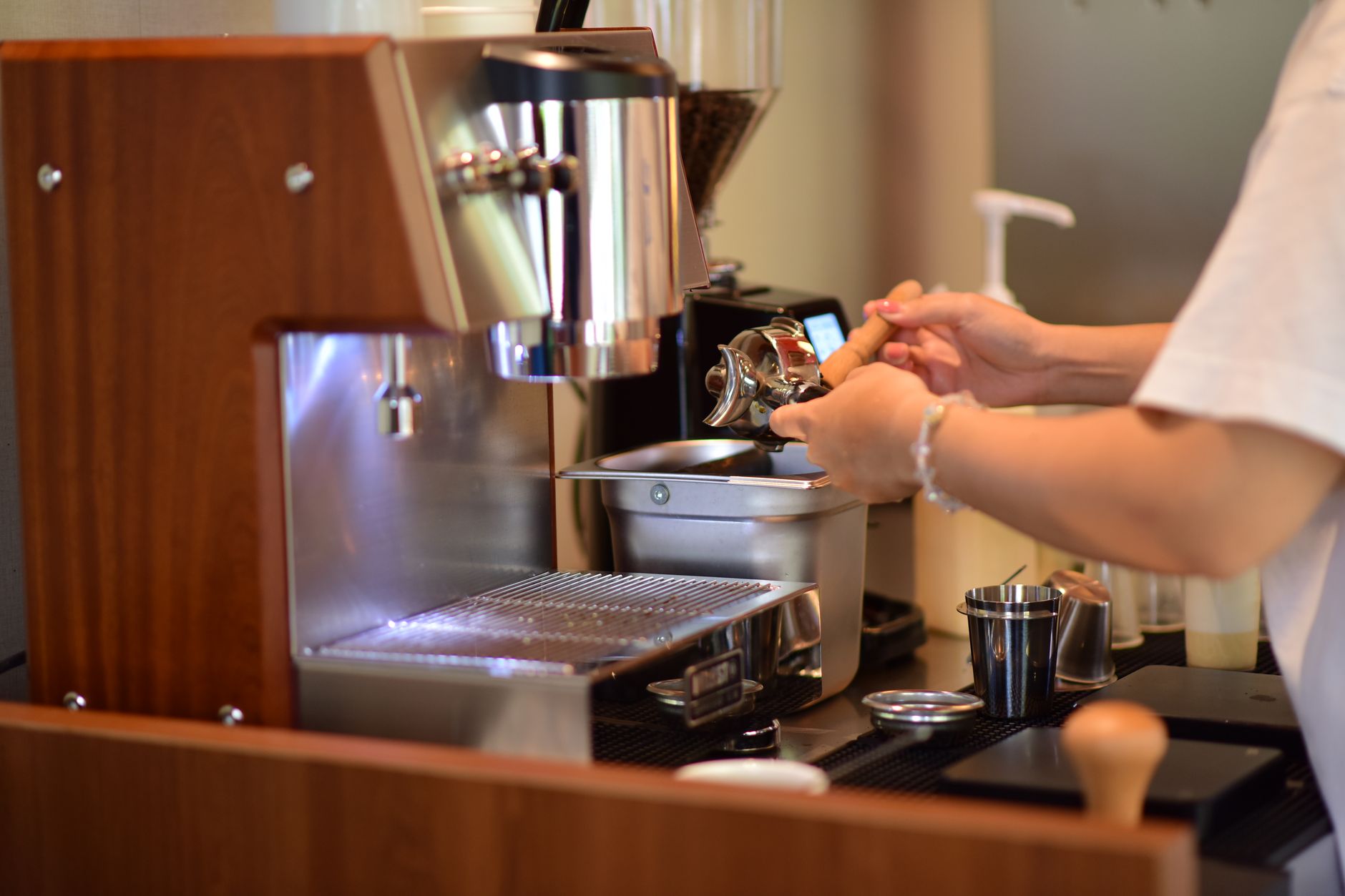
A traditional espresso machine requires a trained barista to grind, tamp, and pull the shot manually. In an office setting, this is usually unrealistic and creates a mess. A bean-to-cup machine automates this entire process: it grinds the fresh coffee bean, tamps it, and extracts the espresso at the push of a button. For a business, the bean-to-cup model provides the quality of a cafe with the speed and cleanliness of an appliance, making it the ideal choice for high-traffic areas.
How often should office coffee equipment be serviced to avoid downtime?
Professional equipment should undergo a deep technical audit at least every quarter, while daily maintenance (like emptying the dregs and rinsing the milk system) must happen every 24 hours. If you rely on a self-managed system, the lack of a scheduled maintenance plan usually leads to "catastrophic failure," where the machine breaks during a peak period. Managed services, such as those provided by Busy Bean Coffee, include proactive maintenance to ensure the machine never reaches a point of failure.
Is specialty coffee actually better for productivity than standard commercial coffee?
Yes, because of the chemistry of the bean. Specialty coffee, typically sourced from Coffea arabica, contains a more complex profile of antioxidants and flavor compounds that provide a more sustained energy lift without the "jittery" crash associated with low-grade Robusta beans often found in commercial blends. When employees enjoy the taste of their coffee, the act of getting a cup becomes a genuine mental reset, which improves focus and cognitive clarity for the rest of the afternoon.
Which solution is best for a medical office or clinic?
For clinics, the priority is hygiene and speed. You cannot have patients or medical staff spending ten minutes waiting for a brew. The best solution is a high-capacity automated system with an NSF-certified sanitary design. We often recommend Sensa Coffee Service in Mount Pleasant SC: Complete Guide or similar configurations for medical environments because they minimize contact points and maximize output speed, ensuring that the coffee service doesn't interfere with patient care.
Final Thoughts on Office Coffee Solutions
Choosing the right office coffee solutions is a strategic decision that affects the daily rhythm of your organization. Whether you are managing a corporate headquarters or a boutique hospitality venue, the goal is to remove the friction of caffeine delivery.
The trend for 2026 is clear: businesses are moving away from owning depreciating hardware and moving toward flexible, service-based memberships. By eliminating the capital expenditure and the maintenance headache, you can focus on your core business while your employees enjoy a world-class beverage experience.
If you are tired of managing pods, fighting with broken machines, or settling for mediocre brews, it's time to upgrade. Experience the difference of a truly managed beverage program with Busy Bean Coffee.
Visit www.busybeancoffee.com to find the perfect fit for your team, or explore our local guides, such as the Sensa Coffee Service in Columbia SC: Complete Guide | Busy Bean Coffee, to see how we support businesses across the region.
Ready to Upgrade Your Business Coffee?
Café-quality coffee, zero maintenance headaches, and one predictable monthly price. Let's build your custom coffee program.
Free Coffee Pairing Guide & Specialty Roast Cheat Sheet
Unlock the secrets of perfect brewing ratios, water temperatures, and specialty roast profiles. Download the guide.