📖This article is part of the complete guide to Coffee Solutions for Restaurants.
I remember a mid-sized bistro in Mount Pleasant, SC, that viewed coffee as a mere courtesy, a low-margin afterthought served in chipped mugs. After we audited their beverage program and transitioned them to a high-grade Arabica coffee source with a dedicated espresso machine, their coffee-related revenue jumped by 42% in a single quarter. The realization for the owner was simple: they weren't just selling a drink; they were leaving thousands of dollars on the table by ignoring the profit potential of specialty coffee. For a comprehensive overview of how to scale this, explore our guide on coffee solutions for restaurants.
What is the Actual Profit Margin When Restaurants Sell Coffee?
📚
Definition
Coffee profit margin is the difference between the total cost of goods sold (COGS), including the coffee bean, water, milk, and cup, and the final menu price, expressed as a percentage of the sale price.
When asking how much money restaurants make selling coffee, the answer lies in the staggering disparity between the cost of raw materials and the perceived value of a prepared beverage. In the specialty coffee sector, profit margins typically range from 70% to 90%. Because a single 12-ounce latte uses only a few grams of coffee and a small amount of steamed milk, the unit cost remains remarkably low compared to the $5.00 to $8.00 price point common in 2026 markets.
To put this into perspective, a standard double shot of espresso from high-quality Coffea arabica beans costs the operator roughly $0.25 to $0.45 in raw materials. When that shot is transformed into a specialty latte, the cost of milk adds approximately $0.30 to $0.60. Even with a high-end disposable cup and lid costing $0.25, the total COGS rarely exceeds $1.30. Selling that beverage for $6.50 creates a gross profit of $5.20 per cup.
However, these numbers are gross, not net. To understand the true take-home pay, a restaurant must account for the labor of the barista, the electricity for the espresso machine, and the depreciation of equipment. In my experience working with hospitality groups, the most successful operations treat coffee as a high-margin engine that subsidizes lower-margin food items, such as steaks or seafood, where food costs can often eat 30% to 40% of the revenue. By optimizing the coffee program, a restaurant can significantly lower its overall blended food and beverage cost percentage, directly increasing the bottom line.

Why Does Specialty Coffee Directly Impact Restaurant Revenue?
Specialty coffee matters because it transforms a utility, something people drink to wake up, into an experience they are willing to pay a premium for. When a restaurant upgrades from generic pre-ground coffee to specialty coffee, they aren't just improving taste; they are shifting the customer's psychological perception of the brand. According to the Specialty Coffee Association (SCA), the standards for specialty coffee require a score of 80 or higher on a 100-point scale, which justifies the price premium that restaurants can charge.
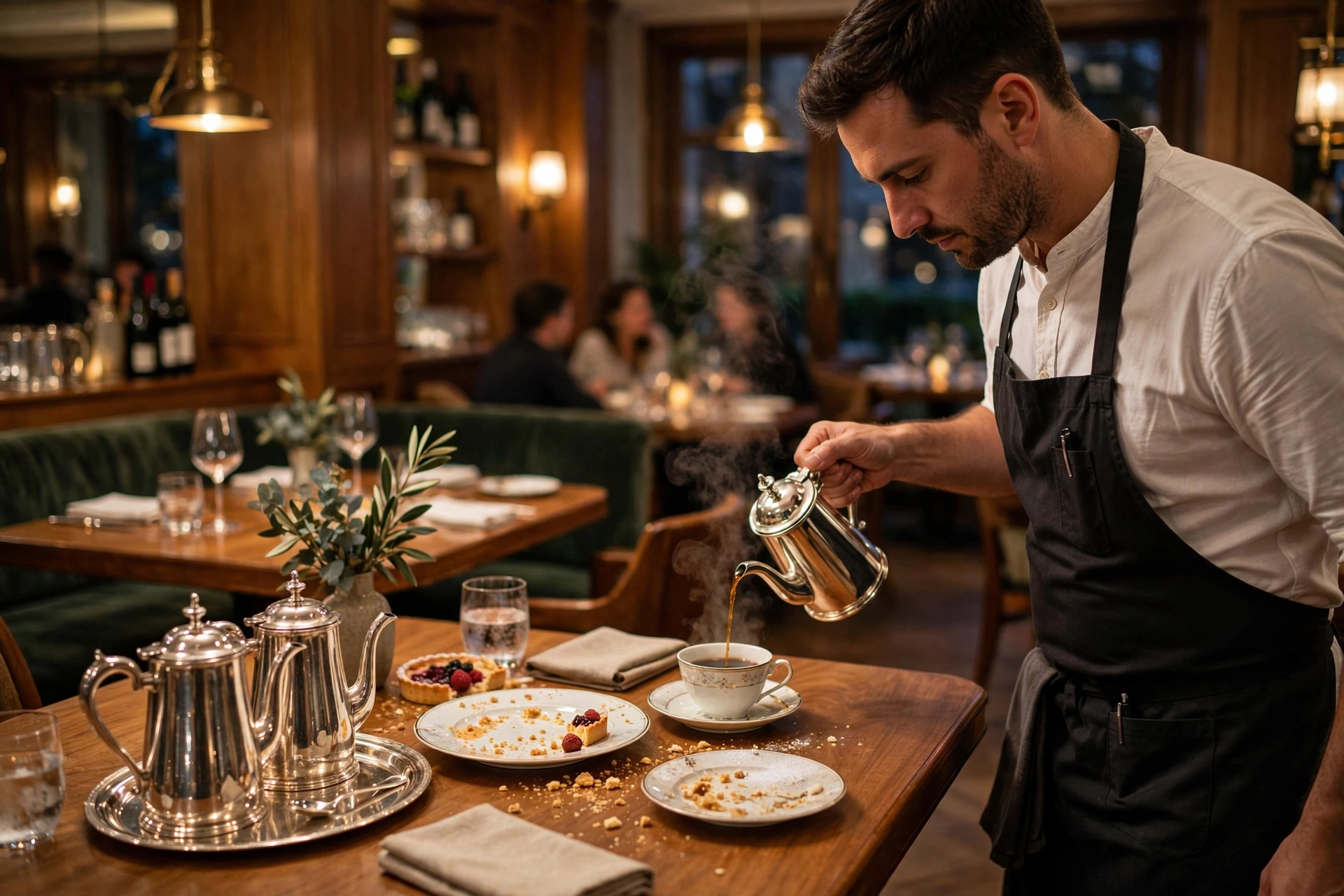
First, the increased ticket average is immediate. A customer who finishes a $30 entrée is far more likely to order a $7 specialty cappuccino than a complimentary pot of house coffee. This behavior is particularly evident in the "after-dinner" window. By implementing a structured after dinner coffee service: boosting revenue for restaurants, establishments can add $2 to $10 to every single check. If a restaurant serves 100 covers a night and 60% order a specialty coffee, that is an additional $400 to $600 in high-margin revenue per day, totaling over $140,000 in additional annual gross revenue.
Second, specialty coffee acts as a powerful customer acquisition tool. In a competitive landscape like Mount Pleasant, SC, being known as the "spot with the best lattes" drives mid-day traffic during the traditionally slow hours between lunch and dinner. This "bridge traffic" increases the utilization of the facility and staff, turning dormant hours into profitable windows. This is where the specialty coffee competitive advantage for restaurants becomes a tangible asset on the balance sheet.
Third, the operational efficiency of a modern coffee service reduces waste. When restaurants use precise measurements and professional training for their baristas, they eliminate the massive waste associated with "guessing" dosages or dumping half-full pots of burnt coffee. According to the National Coffee Association USA (NCA), consumer demand for premium, ethically sourced coffee continues to grow, meaning customers are not only willing to pay more but are specifically looking for the quality markers that specialty coffee provides.
How to Maximize the Money Made from Coffee Sales
To maximize the amount of money restaurants make selling coffee, you must move away from a passive approach and adopt an active beverage strategy. The most successful operators focus on three pillars: menu engineering, equipment optimization, and staff proficiency.
1. Strategic Menu Engineering
Don't just list "Coffee" on your menu. Create a tiered system that guides the customer toward higher-margin options. Start with a base espresso and then offer modifiers. For example, an oat milk substitution or a house-made vanilla syrup adds negligible cost (cents) but allows you to increase the price by $0.75 to $1.50. This is the fastest way to inflate the margin without increasing the base price of the drink. I recommend studying our guide on how to build a profitable coffee menu for your restaurant to see how to layout these options for maximum conversion.
2. Equipment Precision
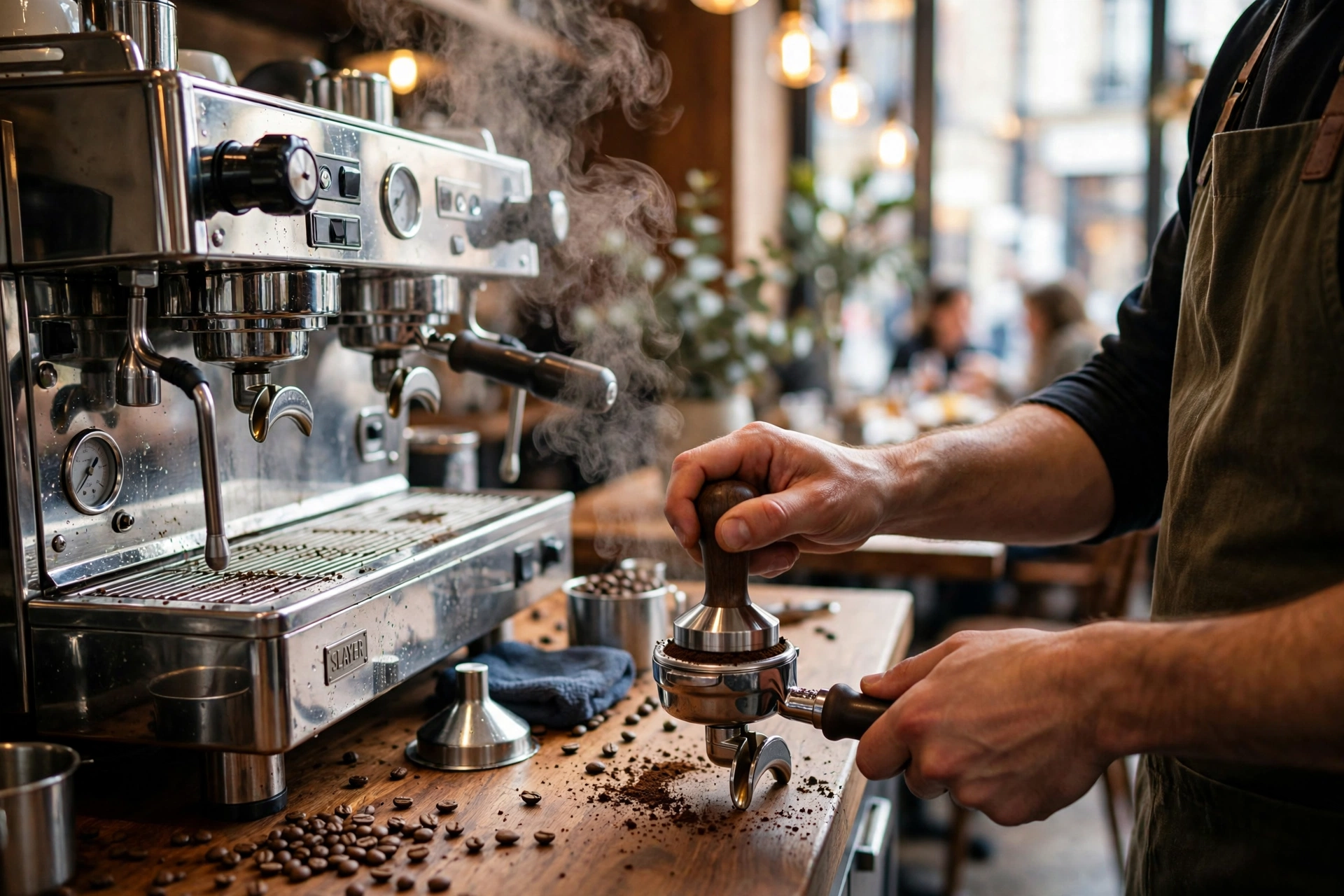
Your equipment is the heartbeat of your profit. A poorly calibrated machine leads to "channeling," where water bypasses the coffee grounds, resulting in a sour, weak shot that must be thrown away. This waste is a direct hit to your profit. Using professional-grade gear, like the SENSA equipment provided by Busy Bean Coffee, ensures that every gram of coffee bean is utilized efficiently. If you are considering a new setup, the espresso bar setup for restaurants: what you need to know provides the technical blueprints for a high-volume, low-waste environment.
3. The Art of the Upsell
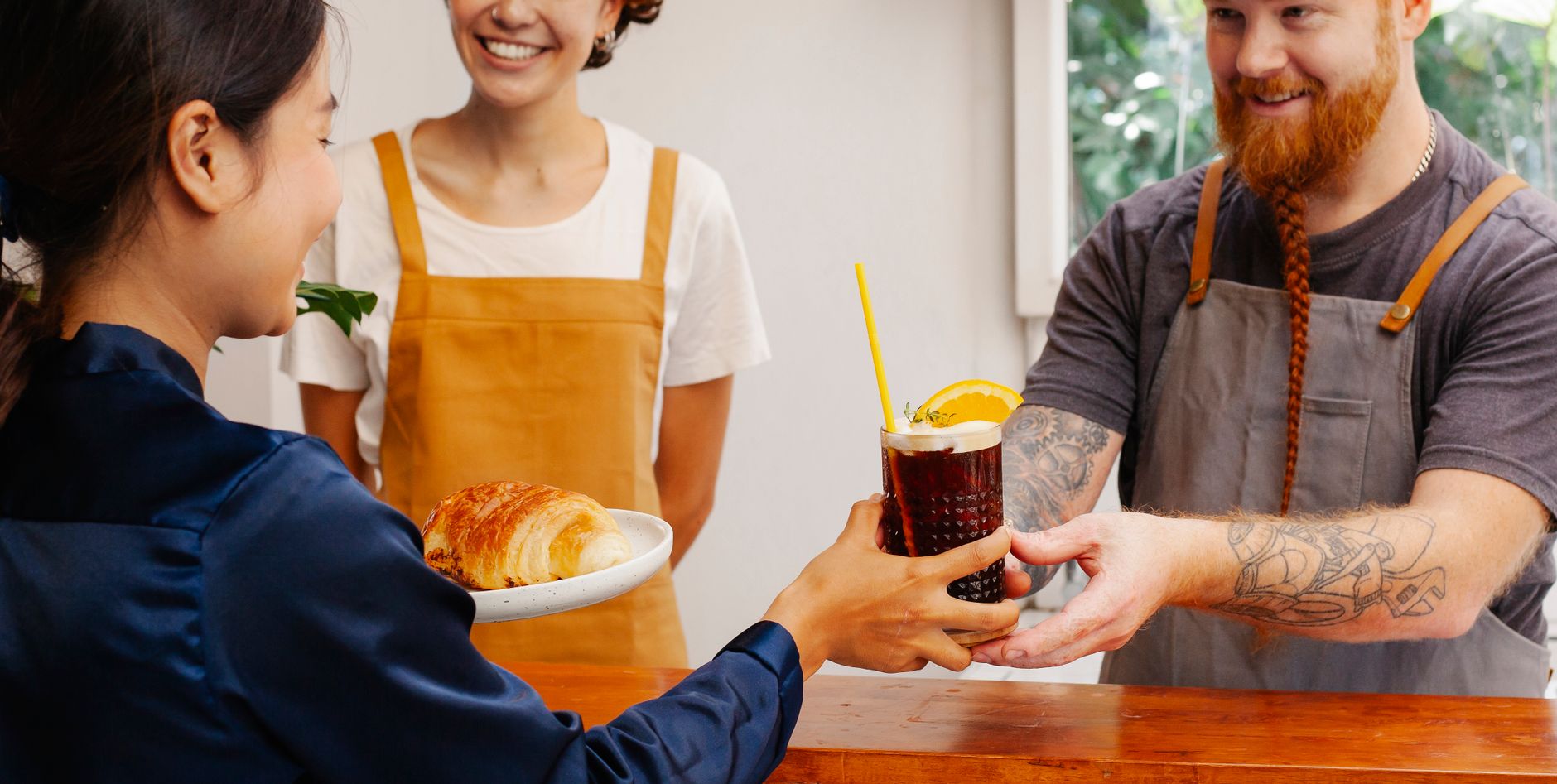
Training your staff to suggest a specific roast or a pairing is the difference between a $3 sale and a $12 sale. Instead of asking "Would you like coffee?", a trained server says, "Would you like to try our Ethiopian Yirgacheffe? It has a bright, citrusy profile that pairs perfectly with your cheesecake." This technique moves the coffee from a commodity to a curated experience. When you integrate coffee and food pairings: a guide for restaurant owners, you aren't just selling a drink; you are selling a dessert course.
💡
Key Takeaway
The highest profits in coffee aren't made on the base cup, but on the modifiers (milk alternatives, syrups) and the strategic pairing with food items.

Comparing Coffee Business Models
Not all coffee programs are created equal. The amount of money you make depends heavily on the model you choose. Below is a comparison of the traditional approach versus modern managed solutions.
| Feature | Traditional (DIY) | Cheap/Generic AI approach | Busy Bean Coffee Managed Solution |
|---|---|---|---|
| Equipment Cost | High upfront CapEx | Low-end home machines | $0 Upfront (Included in membership) |
| Quality Control | Variable/Inconsistent | Low-grade, burnt roast | Q-Grader Certified Specialty Coffee |
| Maintenance | Reactive (Wait for break) | No professional support | Proactive, all-inclusive coverage |
| Profit Margin | Unpredictable due to waste | Low (due to low perceived value) | Optimized high-margin (80%+) |
| Staff Skill | Basic / Self-taught | None | Professional Barista Training |
Common Pitfalls That Drain Your Coffee Profits
In my years as a Q-Grader, I have seen countless restaurants undermine their own profitability through a few common mistakes. The most frequent error is the "Cheap Equipment Trap." Owners buy a low-end machine to save $2,000 upfront, only to lose $10,000 over three years in wasted beans, inconsistent quality, and frequent downtime. If your machine is down for two days during a busy weekend, the lost revenue far outweighs the cost of a premium lease.
Another profit killer is ignoring the "Bean Freshness Window." Coffee begins to lose its volatile aromatic compounds shortly after roasting. When restaurants buy in massive bulk to save a few cents per pound, they end up serving stale coffee. Stale coffee cannot command a specialty price point. To maintain a $6.00+ price tag, the coffee must taste like a $6.00 product. This requires a reliable supply chain that delivers fresh roasts on a predictable schedule.
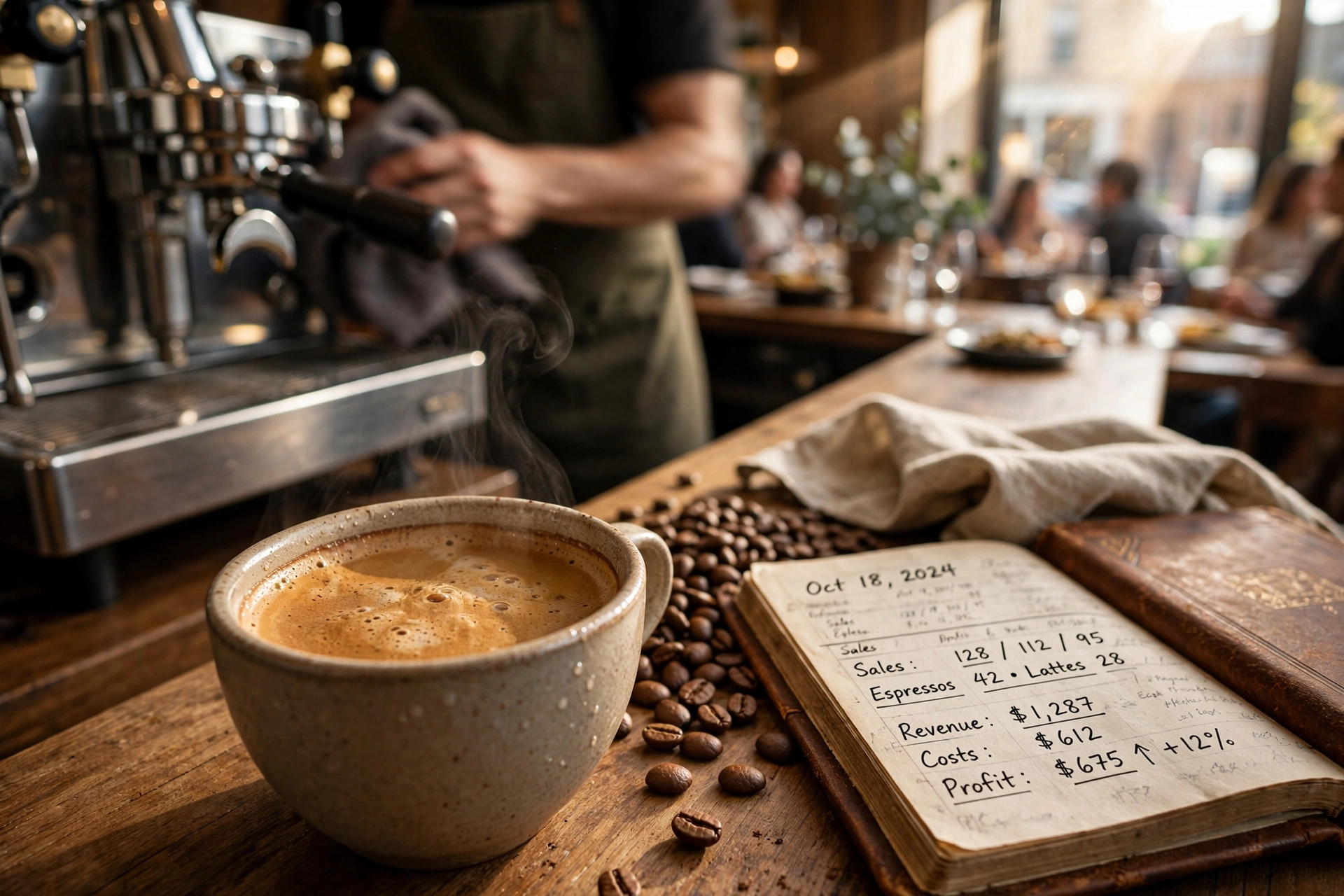
Furthermore, many restaurants fail to track their "Coffee Waste Log." If your baristas are purging too much milk or grinding too many shots that never make it into a cup, your 80% margin can quickly drop to 50%. I've analyzed businesses where 15% of all coffee was wasted due to poor calibration. Implementing a simple daily waste log and providing staff with precise measurements can instantly reclaim those lost profits.
Lastly, avoid the "Generic Menu" mistake. If your menu just says "Coffee," the customer assumes it is the same coffee they get at home for free. By using descriptors like "Single-Origin," "Small-Batch Roasted," or "Arabica," you are signaling quality and justifying the price. The language you use on the menu is directly proportional to the amount of money you can charge.
Frequently Asked Questions
How much does a single cup of specialty coffee actually cost to make?
For a standard 12oz latte, the cost of goods sold (COGS) typically ranges between $0.80 and $1.30. This includes roughly $0.30 for the specialty coffee beans, $0.40 for the milk, and $0.20 for the cup and lid. Because the raw material cost is so low compared to the typical retail price of $5.00 to $8.00, the gross profit per cup is exceptionally high, often exceeding 80%.
Is it better to buy a coffee machine or use a managed service?
For most restaurants, a managed service is more profitable because it eliminates the massive initial capital expenditure (CapEx) and the risk of expensive repairs. A managed solution, such as the one offered by Busy Bean Coffee, provides professional installation, maintenance, and a steady supply of Q-Grader certified beans for a predictable monthly fee. This allows you to keep your cash flow liquid while ensuring your equipment never causes a loss in revenue due to downtime.
How can I increase the average price of my coffee drinks?
The most effective way to increase the price is through "value-added modifiers." Offering high-quality oat or almond milk, house-made artisanal syrups, or unique brewing methods like pour-overs allows you to charge a premium. Additionally, bundling coffee with a small pastry or a dessert pairing increases the total transaction value. When customers perceive the coffee as a curated experience rather than a commodity, they are less price-sensitive.
Why is specialty coffee more profitable than standard drip coffee?
Specialty coffee commands a higher price point because it is perceived as a luxury product. Standard drip coffee is often viewed as a utility, leading customers to expect it to be cheap or even free. Specialty coffee, defined by the SCA as having a specific quality score, allows you to enter the "premium'" market. The cost to produce it is only slightly higher than standard coffee, but the price you can charge is significantly higher, widening the profit gap.
How do I stop my staff from wasting coffee and milk?
Waste reduction starts with precision training. Baristas should be taught to use scales for every dose of coffee and to use specific pitchers for different drink sizes to avoid over-steaming milk. Implementing a "Waste Log" where every discarded shot or spilled pitcher is recorded creates accountability. When staff see the actual dollar amount being thrown away, they become more mindful of their technique, which directly protects your profit margins.
Recommended Readings
To deepen your understanding of these topics, we recommend reading the following articles:
- Coffee Equipment for Restaurant Kitchens
- Cold Brew and Iced Coffee Options for Restaurant Menus
- How Restaurants Are Differentiating with Specialty Coffee Programs
- Specialty Coffee as a Competitive Advantage for Restaurants
Conclusion
Understanding how much money restaurants make selling coffee is the first step toward unlocking a hidden revenue stream that can either barely break even or become a primary profit driver. By shifting from a commodity mindset to a specialty coffee approach, you aren't just improving your beverage menu; you are optimizing your entire financial structure. The high margins associated with Coffea arabica and professional espresso service provide a critical buffer against the rising costs of food and labor in 2026.
Whether you are looking to implement a high-end espresso bar in Mount Pleasant, SC, or simply want to stop the bleed of wasted resources, the path to profitability is through precision, quality, and the right partnership. Don't let your coffee program be an afterthought. Transform it into a competitive advantage that attracts new guests and increases the spend of every person who walks through your door.
If you're ready to stop guessing your margins and start scaling your revenue, explore our comprehensive guide on coffee solutions for restaurants to find the perfect fit for your business. For immediate assistance in upgrading your equipment and beans, visit us at www.busybeancoffee.com.
Ready to Upgrade Your Business Coffee?
Café-quality coffee, zero maintenance headaches, and one predictable monthly price. Let's build your custom coffee program.
Free Coffee Pairing Guide & Specialty Roast Cheat Sheet
Unlock the secrets of perfect brewing ratios, water temperatures, and specialty roast profiles. Download the guide.