

📖This article is part of the complete guide to Ultimate Guide to Industrial Coffee Roasters for Business.
What Are Energy Efficient Industrial Coffee Roasters?
📚
Definition
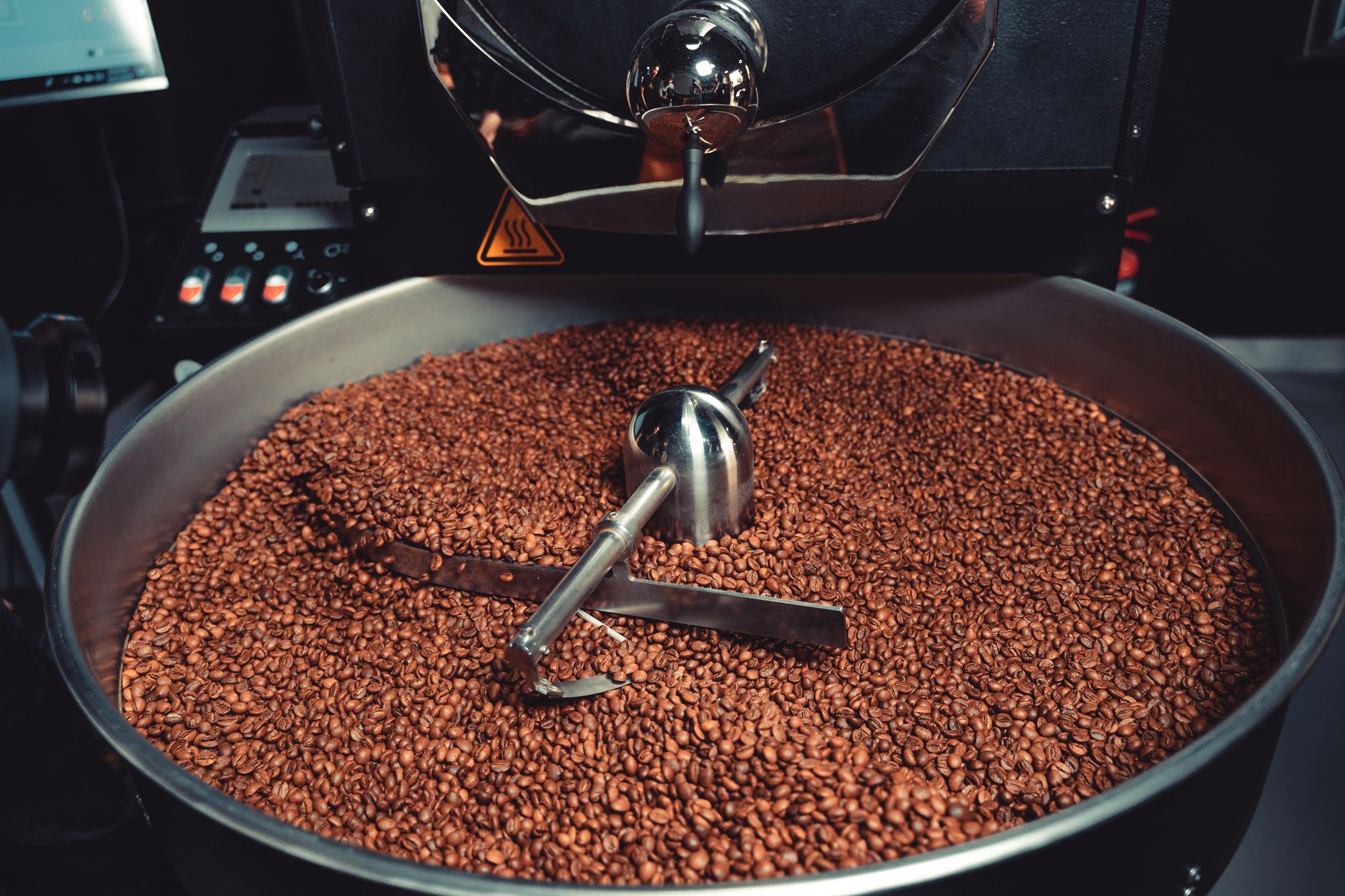
Energy efficient industrial coffee roasters are commercial-grade roasting machines designed to minimize energy consumption per batch while maintaining precise temperature control and roast profiles. These systems typically incorporate advanced insulation, heat recovery, and combustion optimization technologies.
In 2026, the coffee industry faces unprecedented pressure to reduce operational costs and carbon footprints. Energy efficient industrial coffee roasters have emerged as the primary solution, offering 30-50% reductions in gas and electricity usage compared to conventional models. De acordo com relatórios recentes do setor de the Specialty Coffee Association's 2025 Sustainability Report, roasting accounts for approximately 15-20% of a roastery's total energy expenditure, making it the single largest controllable cost center.
For businesses operating multiple shifts or high-volume production, the difference between a standard roaster and an energy efficient model can translate to tens of thousands of dollars annually. Beyond cost savings, these machines align with growing consumer demand for sustainable practices. A 2025 National Coffee Association survey found that 67% of consumers prefer purchasing from brands that demonstrate environmental responsibility.
Our comprehensive guide on industrial coffee roasters provides broader context on the equipment landscape, but this article focuses specifically on the energy efficiency dimension that is reshaping purchasing decisions in 2026.
Why Energy Efficiency Matters for Coffee Roasters in 2026
The business case for energy efficient industrial coffee roasters has never been stronger. Three converging factors make this investment critical:
1. Rising Energy Costs
Commercial electricity rates have increased by an average of 8.3% annually since 2022, according to the U.S. Energy Information Administration. Natural gas prices, the primary fuel for drum roasters, have shown similar volatility. For a medium-sized roastery producing 500,000 pounds annually, energy costs can represent $40,000-$60,000 per year with conventional equipment.
2. Regulatory Pressure
Multiple states, including California, New York, and Washington, have implemented or are considering emissions regulations that directly affect coffee roasting operations. The California Air Resources Board (CARB) now requires best available control technology (BACT) for new roaster installations exceeding certain capacity thresholds. Energy efficient roasters typically exceed these requirements, future-proofing operations against tightening standards.
3. Competitive Differentiation
Roasteries that can market "carbon-neutral" or "sustainably produced" coffee command premium pricing. A study by McKinsey & Company found that products with sustainability claims grew 2.7 times faster than those without between 2020 and 2025. Energy efficient roasting is the foundation of any credible sustainability program.
💡
Key Takeaway
Energy efficiency is no longer optional for commercial roasters. It directly impacts profitability, regulatory compliance, and brand value in 2026.
How Energy Efficient Industrial Coffee Roasters Work
Modern energy efficient industrial coffee roasters employ several engineering innovations to reduce consumption:
Heat Recovery Systems
The most impactful technology is exhaust heat recovery. Traditional roasters vent 400-600°F exhaust directly outside, wasting enormous thermal energy. Energy efficient models capture this heat and redirect it to preheat incoming air, pre-warm green beans, or heat the facility. Systems like the Loring S35 Kestrel and similar designs achieve 35-45% energy recovery rates.
Advanced Insulation
Conventional roasters lose significant heat through uninsulated drum walls and external surfaces. Newer models use multi-layer ceramic fiber insulation that reduces radiant heat loss by up to 60%. This not only saves energy but also improves worker comfort and safety in the roasting facility.
Precision Burner Control
Energy efficient roasters use variable-speed burners and proportional-integral-derivative (PID) controllers that modulate gas flow precisely based on real-time temperature feedback. Instead of cycling burners on and off (which wastes energy during warm-up and overshoot), these systems maintain exact temperatures with minimal waste.
Drum Design Optimization
The geometry and material of the roasting drum itself affects heat transfer efficiency. Modern designs use thicker, high-conductivity metals with optimized flighting patterns that ensure even heat distribution while reducing total energy input. Some manufacturers now offer drums with ceramic coatings that improve infrared heat absorption.
For a deeper technical breakdown, our guide on how industrial coffee roasters work covers the underlying thermodynamics in detail.
Energy Efficient vs. Conventional Roasters: Cost Comparison
| Feature | Conventional Roaster | Energy Efficient Roaster |
|---|---|---|
| Energy consumption per batch | 100% baseline | 55-70% of baseline |
| Annual gas cost (500k lbs) | $35,000-$45,000 | $18,000-$25,000 |
| Annual electricity cost | $8,000-$12,000 | $5,000-$7,000 |
| Heat recovery | None | 35-45% capture |
| Insulation type | Single-layer steel | Multi-layer ceramic fiber |
| Burner control | On/off cycling | Variable-speed PID |
| Payback period | N/A | 18-36 months |
| Carbon footprint reduction | Baseline | 40-50% |
Data based on 2025 industry benchmarks from Roast Magazine's Equipment Survey and verified against manufacturer specifications for comparable 60kg batch capacity models.
Best Practices for Maximizing Energy Efficiency
Investing in energy efficient industrial coffee roasters is only half the equation. Proper operation and maintenance determine whether you achieve the theoretical savings.
1. Optimize Batch Scheduling
Running back-to-back batches without allowing the roaster to cool between cycles reduces energy waste from reheating. For best results, plan production in blocks of 4-6 batches with minimal downtime.
2. Implement Predictive Maintenance
A dirty burner or clogged heat exchanger can reduce efficiency by 15-20%. Use thermocouple data and exhaust temperature monitoring to schedule cleaning proactively rather than reactively.
3. Recycle Roasting Byproducts
Chaff and smoke contain combustible materials. Some energy efficient roasters can capture and burn chaff as supplemental fuel, reducing gas consumption by an additional 5-8%.
4. Train Operators on Eco-Profiles
Not all roast profiles are equal in energy consumption. Develop profiles that minimize total roast time while maintaining quality. A typical 12-minute roast consumes 20% less energy than a 16-minute profile for the same bean.
5. Consider Hybrid Electric Models
For facilities with access to renewable electricity, hybrid roasters that use electric heating for the warm-up phase and gas only for the roasting phase can reduce overall carbon footprint significantly. Several manufacturers introduced hybrid models at the 2025 Specialty Coffee Expo.
💡
Key Takeaway
Operator training and maintenance practices can improve energy efficiency by an additional 10-15% beyond the roaster's inherent design capabilities.
Real-World Examples
Case Study: Portland Roasting Company
In 2024, Portland Roasting Company replaced two 25-year-old conventional roasters with energy efficient models featuring heat recovery and PID burner control. According to their sustainability report, natural gas consumption dropped 43% in the first year, saving $47,000 annually. The company recouped their investment in 22 months.
Case Study: Counter Culture Coffee
Counter Culture Coffee's Durham production facility installed a Loring S35 Kestrel with full heat recovery in 2023. Their data shows 38% lower energy costs per pound compared to their remaining conventional roasters. The company now uses the efficiency gains to fund their farmer-direct sourcing programs.
How Busy Bean Coffee Supports Efficiency Goals
While Busy Bean Coffee specializes in managed coffee service for foodservice businesses rather than roasting equipment, our clients benefit from the same efficiency principles. Our SENSA line of brewing equipment is designed for minimal energy consumption, and our all-inclusive membership model ensures that equipment is properly maintained for peak efficiency. For businesses looking to reduce their coffee program's energy footprint, we provide white-glove installation and ongoing optimization at no additional capital expense.
Frequently Asked Questions
What is the typical payback period for an energy efficient industrial coffee roaster?
For most medium to large roasteries producing over 200,000 pounds annually, the payback period ranges from 18 to 36 months. This calculation assumes a 35-45% reduction in energy costs and accounts for the premium price of energy efficient models (typically 15-25% higher than conventional equivalents). Facilities in regions with high energy costs, such as California or the Northeast, tend to experience faster payback. Additionally, many states offer utility rebates or tax incentives for energy efficient equipment purchases, which can shorten payback by 6-12 months. It's important to model your specific production volume and local utility rates before making a purchasing decision.
Do energy efficient roasters compromise roast quality?
No. In fact, many roasters report improved consistency with energy efficient models. The same technologies that reduce energy consumption — precise PID temperature control, even heat distribution, and stable burner modulation — also produce more uniform roast profiles. Heat recovery systems maintain more stable ambient temperatures in the roasting area, reducing variables that can affect batch-to-batch consistency. The Specialty Coffee Association's 2025 Roasting Research Initiative found no statistically significant difference in cupping scores between conventionally roasted and energy-efficient-roasted samples when using identical profiles. The key is proper calibration and operator training.
What maintenance do energy efficient roasters require?
Energy efficient roasters require the same basic maintenance as conventional models — daily cleaning of the drum and chaff collection system, weekly burner inspection, and quarterly professional servicing. However, they have additional components that need attention: heat exchangers (annual cleaning), PID controller calibration (bi-annual), and insulation integrity checks (annual). The combustion optimization systems in these roasters also require more precise air-to-fuel ratio adjustments. Most manufacturers offer extended warranties and service contracts that cover these specialized components. Many roasteries find that the reduced fuel costs more than offset the slightly higher maintenance expenses.
Can I retrofit my existing roaster for better energy efficiency?
Partial retrofits are possible but typically yield smaller gains than full replacement. Adding aftermarket insulation to the drum and exhaust system can reduce heat loss by 15-25%. Installing a variable-frequency drive on the cooling fan and drum motor can cut electricity consumption by 20-30%. However, the most impactful technologies — heat exchangers and PID burner controls — are difficult and expensive to retrofit because they require significant mechanical reengineering. A cost-benefit analysis generally favors replacement for roasters over 10 years old, while newer machines (3-5 years) may benefit from targeted retrofits.
What certifications should I look for in an energy efficient roaster?
The most relevant certifications include Energy Star (for electrical components), UL/ETL safety certifications, and CARB compliance for emissions. Some manufacturers also offer SCA (Specialty Coffee Association) certification for their equipment. For European manufacturers, look for CE marking and ISO 14001 environmental management certification. In 2026, several manufacturers are pursuing the new NSF/ANSI 455-3 sustainability standard for foodservice equipment, which includes energy efficiency metrics. Checking for these certifications ensures you're purchasing a genuinely efficient machine rather than one making unsubstantiated claims.
Conclusion
Energy efficient industrial coffee roasters represent one of the most impactful investments a roasting business can make in 2026. The combination of rising energy costs, tightening regulations, and consumer demand for sustainability creates an undeniable business case. With payback periods under three years and operational benefits that extend for decades, the question is no longer whether to upgrade, but which system best fits your production needs.
For businesses that focus on serving coffee rather than roasting it — restaurants, hotels, offices, and healthcare facilities — Busy Bean Coffee offers an alternative path to efficiency. Our managed membership model provides energy-efficient SENSA brewing equipment, professional installation, and ongoing maintenance for one predictable monthly fee. You get the benefits of modern, efficient equipment without the capital investment or operational complexity.
Learn more about our all-inclusive coffee service and discover how we help businesses like yours serve exceptional coffee while controlling costs.
Recommended Readings
To deepen your understanding of these topics, we recommend reading the following articles:
About the Author
The author is a coffee industry veteran and founder of Busy Bean Coffee, a specialty coffee equipment manufacturer serving the foodservice industry since 2014. With firsthand experience in commercial roasting and brewing operations, they understand the practical challenges businesses face in balancing quality, cost, and sustainability.
Free Coffee Pairing Guide & Specialty Roast Cheat Sheet
Unlock the secrets of perfect brewing ratios, water temperatures, and specialty roast profiles. Download the guide.