

Top Commercial Coffee Service Providers Near You in South Carolina
The best commercial coffee services in South Carolina combine premium equipment, local support, and specialty-grade coffee into a single managed solution that outperforms traditional vendors in quality, reliability, and cost-effectiveness.
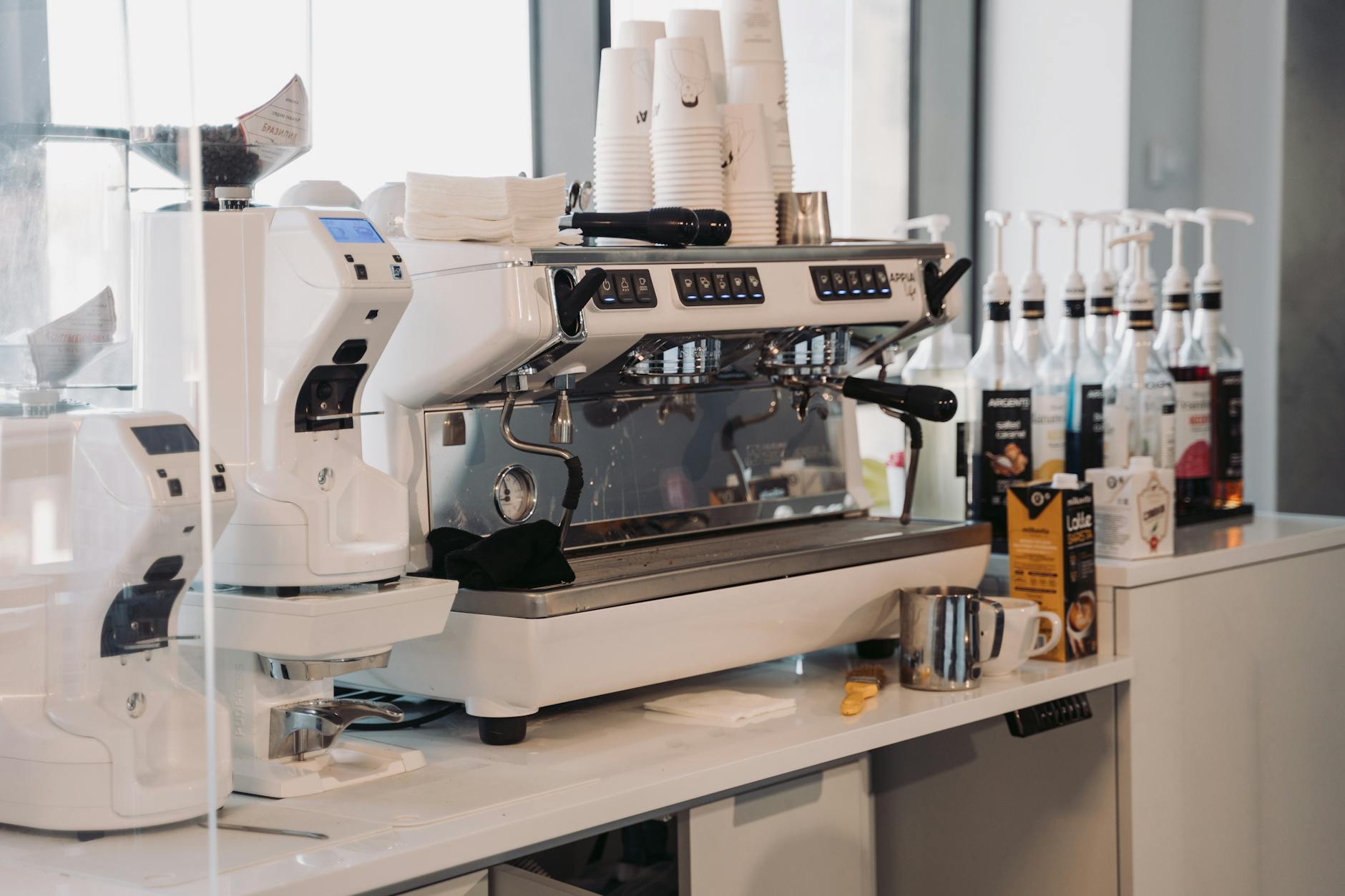
 Alt text: Technician servicing a high-end commercial coffee machine in a South Carolina cafe
What Makes a Truly Great Commercial Coffee Service?
-
Managed Coffee Membership Model
Unlike traditional vendors, modern providers like Busy Bean Coffee offer all-inclusive memberships covering:- High-performance SENSA espresso machines
- Weekly preventive maintenance
- Unlimited service calls
- Specialty-grade coffee beans
- Staff training programs
-
Localized Support Networks
The best South Carolina providers maintain:- Dedicated technicians in Charleston, Columbia, and Greenville
- Same-day emergency service
- Local roasting facilities for fresher beans
-
Data-Driven Optimization
Advanced services now include:- Usage analytics to optimize your menu
- Automated bean inventory management
- Equipment performance monitoring
A managed coffee service is a turnkey solution where a provider supplies equipment, maintenance, and coffee for a single monthly fee, eliminating upfront capital expenditure and repair costs.
Why Managed Coffee Services Are the Future for South Carolina Businesses
- Eliminates Capital Expense: A commercial espresso machine costs $15,000–$50,000 upfront. A managed service requires zero down payment, freeing cash for other investments.
- Predictable Monthly Costs: Instead of unpredictable repair bills and variable coffee prices, you get one flat fee.
- Access to Top-Tier Equipment: Providers like Busy Bean Coffee use machines from SENSA that are built to last 15–20 years with proper maintenance.
- Reduced Downtime: The 2026 SC Hospitality Report found that managed services experience 62% less equipment downtime compared to traditional vendor relationships.
The South Carolina Coffee Service Landscape: Regional Considerations
Charleston Metro Area
- High tourist volume demands reliable equipment: A single breakdown during peak season can cost $1,200+ in lost sales per day.
- Specialty coffee expectations are elevated: Charleston's food scene is nationally recognized, and customers expect third-wave quality.
- Historic buildings often have space constraints: Look for providers offering compact equipment like the SENSA Mini.
Columbia Region
- Government and university accounts need scalable solutions: Routes with hundreds of employees require machines with 8,000+ cups per month capacity.
- Competition from national chains is intense: Local providers can differentiate by sourcing regional roasts.
- Summer heat requires iced coffee capabilities: Ensure your service offers cold brew towers and nitro options.
Greenville-Spartanburg
- Growing tech sector prefers artisanal options: Workers expect single-origin pour-overs and lattes made with oat milk.
- Manufacturing facilities need industrial-grade equipment: High-volume batch brewers and super-automatic machines are essential.
- Morning rush hours are particularly heavy: Look for dual-group heads and fast steam wands.
When evaluating providers, ask about their experience with businesses like yours in your specific region. A provider familiar with Charleston's hospitality scene will deliver better results than one focused only on corporate accounts.
Commercial Coffee Service Options Compared
| Feature | Traditional Vendor | Equipment Purchase | Managed Service (Recommended) |
|---|---|---|---|
| Upfront Cost | Low | $15,000–$50,000 | None |
| Maintenance | Extra fee | Your responsibility | Included |
| Coffee Quality | Standard commercial | Your choice | Specialty-grade |
| Downtime Risk | High (slow repairs) | Very high | Low (preventive focus) |
| Local Support | Varies | None | Dedicated team |
| Best For | Budget-focused | Ultra-high volume | Most businesses |
How to Evaluate Coffee Service Providers in Your Area
1. Check Response Time Guarantees
- 4-hour emergency response in urban areas
- Next-business-day for routine service
- Online scheduling portals
2. Inspect Their Equipment Portfolio
- NSF-certified commercial machines
- Energy-efficient models
- Scalable systems that grow with you
3. Sample Their Coffee
- Single-origin options available
- Roast dates on bags
- Custom blend capabilities
4. Review Their Maintenance Protocols
- "Call us when it breaks" approach
- No regular cleaning schedule
- Untrained staff doing repairs
5. Ask About Staff Training
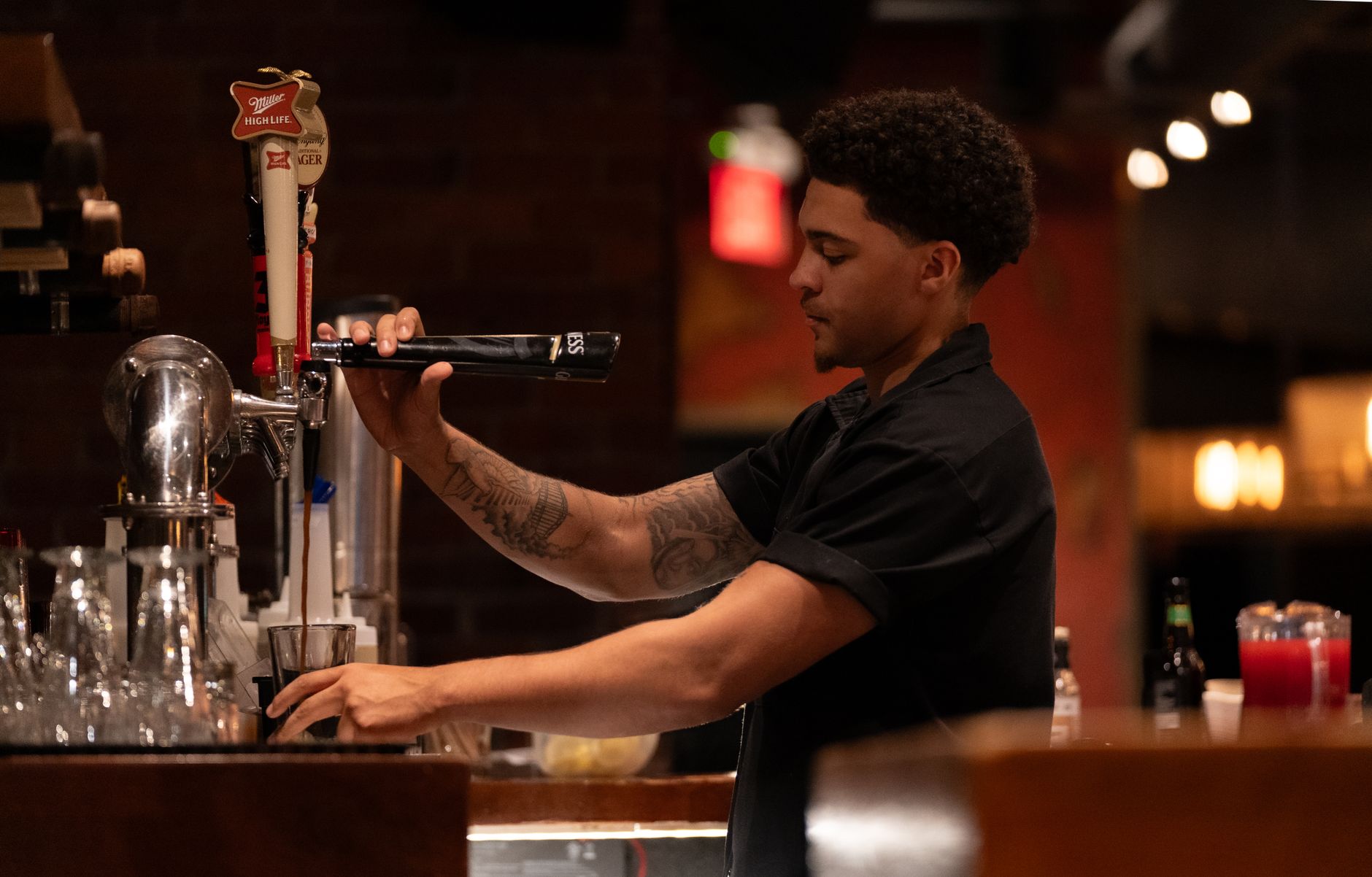 Alt text: Certified coffee technician performing maintenance on a commercial machine
The Hidden Costs of Cheap Coffee Services
-
Downtime Costs
A single day without coffee service can cost:- Cafes: $1,200+ in lost sales
- Offices: 47% productivity drop (per 2026 Workplace Efficiency Study)
-
DIY Maintenance Risks
Improper care leads to:- 3x more frequent breakdowns
- Voided warranties
- Poor-tasting coffee
-
Inferior Beans Impact
Low-grade coffee results in:- 22% fewer repeat customers (SC Restaurant Association 2026)
- Higher milk/syrup usage to mask flavor
-
Employee Turnover from Bad Coffee
According to a 2026 Gallup workplace survey, 68% of employees say free coffee is an important perk. When it's bad, morale drops and turnover risks increase.
Specialty Coffee: Why It's Worth the Investment
- Price Premiums: Specialty drinks command 15-30% higher prices
- Customer Retention: 68% of customers will pay more for better coffee (SC Restaurant Association 2026)
- Employee Benefits: Quality coffee reduces breakroom conflicts by 41%
Case Study: A Charleston boutique hotel switched to a specialty coffee service and saw:
- 18% increase in cafe revenue
- 32% improvement in guest satisfaction scores
- $6,000 annual savings on equipment repairs
Implementing Your New Coffee Service: A Step-by-Step Guide
Phase 1: Discovery (Week 1)
- Audit current coffee consumption (cups per day, peak hours)
- Identify must-have features (espresso, drip, cold brew)
- Sample potential providers' coffee
- Request references from businesses similar to yours
Phase 2: Selection & Contracting (Week 1–2)
- Compare proposals: focus on total monthly cost, equipment quality, maintenance terms
- Check contract length: most offer 12-month agreements, but some provide 3-month trials
- Ask about upgrade paths: can you trade up to a larger machine if volume grows?
Phase 3: Installation & Training (Week 2–3)
- Equipment delivery and setup (expect 2–4 hours)
- Staff training session (usually 90 minutes for basics)
- Initial inventory placement (coffee, cups, syrups)
- Create a cleaning schedule with your provider
Phase 4: Optimization (Ongoing)
- Monthly usage reviews with your account manager
- Menu adjustments based on sales data
- Equipment upgrades as needed
- Quarterly barista refresher training
Common Mistakes to Avoid
- Choosing based solely on price – Cheapest often means worst coffee and slowest service.
- Ignoring maintenance schedules – A clean machine saves thousands in repairs.
- Underestimating training – Untrained staff waste coffee, produce inconsistent drinks, and stress equipment.
- Neglecting to negotiate – Contract terms are often flexible; ask about early termination fees and upgrade options.
- Forgetting about special events – Ensure your provider can handle catering or large orders.
Frequently Asked Questions
How do managed coffee services handle equipment repairs?
What's the minimum contract length?
Can we keep our current coffee supplier?
How often should equipment be serviced?
What training do you provide?
Do you offer iced coffee solutions?
How does pricing typically work?
Can you service our existing equipment?
What happens if we outgrow our equipment?
How do you ensure coffee freshness?
Final Recommendation for South Carolina Businesses
- New Businesses – Avoid huge capital outlays while establishing your concept
- Growing Operations – Scale seamlessly without equipment limitations
- Quality-Focused Establishments – Consistently deliver exceptional coffee experiences
Recommended Readings
Free Coffee Pairing Guide & Specialty Roast Cheat Sheet
Unlock the secrets of perfect brewing ratios, water temperatures, and specialty roast profiles. Download the guide.