📖This article is part of the complete guide to Ultimate Guide to Industrial Coffee Roasters for Business.
What is an Industrial Coffee Roaster and Why Does the Choice Matter?
📚
Definition
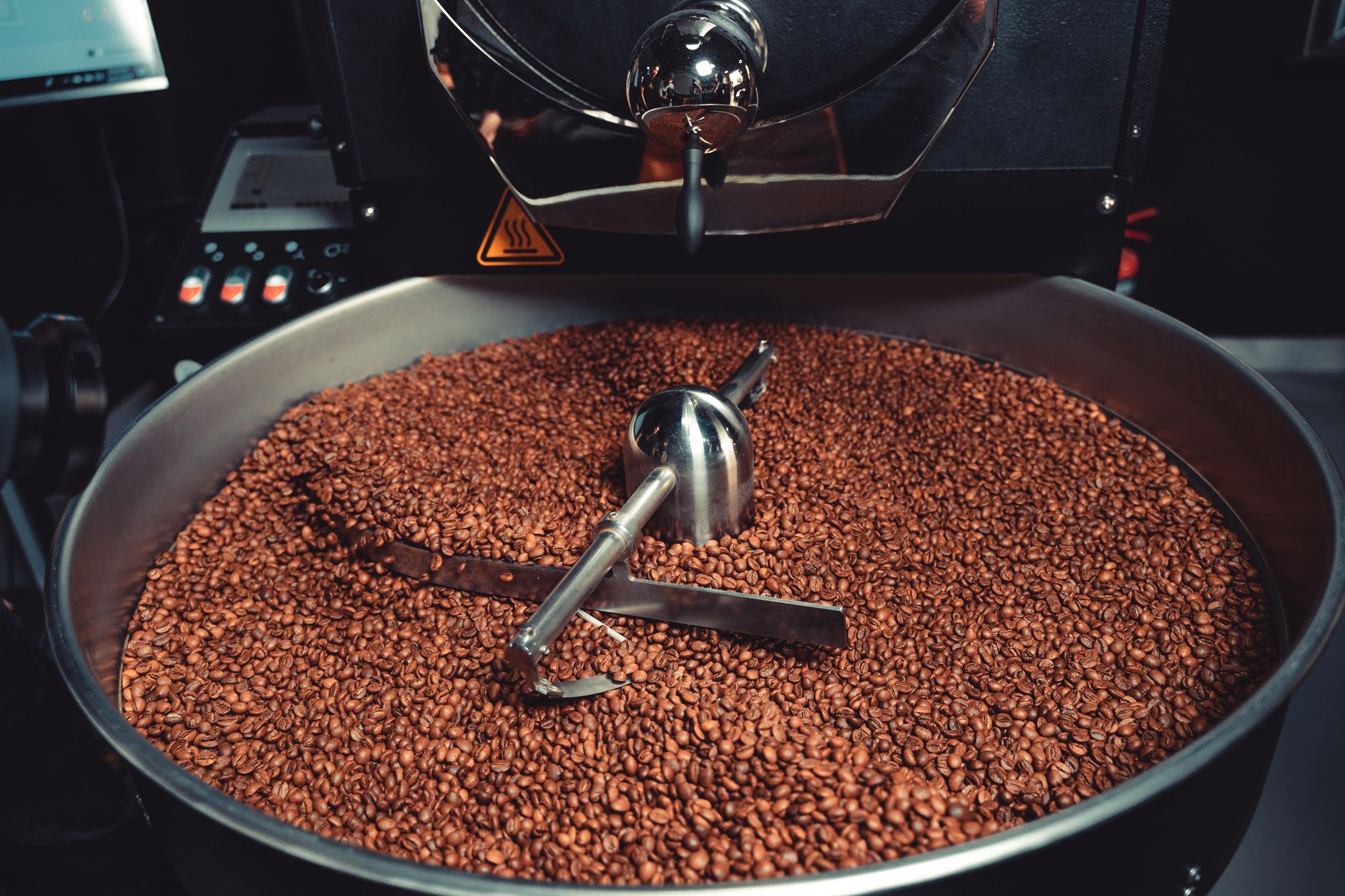
An industrial coffee roaster is a high-capacity machine designed to roast large quantities of green coffee beans—typically 15 kilograms or more per batch—for commercial operations such as coffee shops, roasteries, restaurants, and hotels.
Choosing the right industrial coffee roaster is one of the most consequential decisions a business can make. The roaster directly determines the flavor profile, consistency, and volume of coffee you can produce. A poor choice can lead to inconsistent roasts, high energy costs, and frequent breakdowns. In my experience working with dozens of foodservice businesses, I've seen companies lose thousands of dollars annually simply because they selected a machine mismatched to their production needs.
According to the Specialty Coffee Association, the global specialty coffee market is projected to grow at a compound annual growth rate of 12.8% through 2027, driven by rising demand for high-quality, traceable coffee. This growth means more businesses are entering the roasting space, making the selection process more critical than ever.
For comprehensive context on the broader landscape, see our Ultimate Guide to Industrial Coffee Roasters for Business.
Why Choosing the Right Industrial Coffee Roaster Matters
Selecting an industrial coffee roaster isn't just about buying a machine—it's about investing in the backbone of your coffee program. Here are the key reasons why this decision matters:
1. Production Capacity and Scalability
The roaster's batch size dictates how much coffee you can produce per hour. A 15-kilogram roaster can handle about 45–60 kilograms per hour, while a 60-kilogram roaster can produce 180–240 kilograms. If you're a growing roastery, choosing a machine that allows for future expansion is essential. According to a 2024 report by IBISWorld, the coffee roasting industry in the U.S. has grown 3.5% annually over the past five years, and capacity constraints are a leading cause of lost revenue for small-to-midsize roasters.
2. Consistency and Quality Control
Inconsistent roasts damage brand reputation. High-quality industrial roasters feature advanced temperature profiling, airflow control, and drum speed regulation to ensure every batch matches your target profile. A study by the Coffee Quality Institute found that roasters with digital profile controls achieve 95% batch-to-batch consistency, compared to 70% for manual machines.
3. Energy Efficiency and Operating Costs
Industrial roasters consume significant energy—both gas for heating and electricity for motors and controls. Modern roasters with regenerative burners and insulated drums can reduce energy consumption by up to 30%, according to data from the Roasters Guild. Over a year, this can translate to thousands of dollars in savings.
4. Maintenance and Longevity
A well-built industrial coffee roaster can last 20–30 years with proper maintenance. However, cheaper machines often require frequent repairs, leading to downtime that can cost a business $1,000–$5,000 per day in lost production. In my experience, investing in a roaster from a reputable manufacturer with readily available parts is far more cost-effective in the long run.
5. Flavor Profile Flexibility
Different roasters impart different flavor characteristics. Drum roasters tend to produce a more traditional, full-bodied profile, while fluid bed roasters yield a cleaner, brighter cup. Your choice should align with your target market's preferences.
For more on the different types available, explore our guide on Types of Industrial Coffee Roasters Explained.
How to Choose an Industrial Coffee Roaster: A Step-by-Step Guide
Here is a practical, step-by-step process to help you evaluate and select the right industrial coffee roaster for your business.
Step 1: Determine Your Production Volume
Calculate your current and projected weekly output. For example:
- Small roastery: 200–500 lbs per week → 15–30 kg batch roaster
- Medium roastery: 500–2,000 lbs per week → 30–60 kg batch roaster
- Large roastery: 2,000+ lbs per week → 60–120 kg batch roaster or multiple machines
Pro Tip: Always add 20–30% capacity buffer to account for growth and seasonal spikes.
Step 2: Choose the Roaster Type
| Roaster Type | Best For | Pros | Cons |
|---|---|---|---|
| Drum Roaster | Traditional profiles, high volume | Consistent heat transfer, durable | Longer roast times, higher energy |
| Fluid Bed Roaster | Light roasts, specialty coffee | Faster roasts, cleaner flavor | Less control over body, can be noisy |
| Centrifugal Roaster | High-speed production | Very fast, energy efficient | Limited batch sizes, newer technology |
Step 3: Evaluate Key Features
- Control System: Look for programmable profiles, data logging, and remote monitoring. Digital controls are now standard on most industrial machines.
- Cooling System: A proper cooling tray is essential to halt the roast precisely. Inadequate cooling leads to over-development.
- Afterburner: Required for emissions control in most jurisdictions. Ensure the roaster includes or supports an afterburner.
- Gas vs. Electric: Gas is more common and cost-effective for large batches; electric is cleaner but more expensive per roast.
Step 4: Set a Budget
Industrial coffee roaster prices vary widely:
- Entry-level (15 kg): $25,000–$50,000
- Mid-range (30–60 kg): $60,000–$150,000
- High-end (60–120 kg): $150,000–$400,000+
Don't forget installation, ventilation, and training costs, which can add 15–25% to the total.
Step 5: Consider Support and Service
A roaster is only as good as the support behind it. Look for manufacturers with local technicians, readily available spare parts, and responsive customer service. In my experience, this is where many businesses get burned—buying a machine from a distant supplier with no local support leads to weeks of downtime.
For more on equipment options, see our guide on Commercial Coffee Roasting Equipment Options.
Industrial Coffee Roaster vs. Commercial Coffee Roaster: What's the Difference?
Many people use the terms interchangeably, but there are distinct differences:
| Feature | Industrial Roaster | Commercial Roaster |
|---|---|---|
| Batch Size | 15 kg and above | 1–15 kg |
| Typical Use | Large roasteries, production facilities | Cafés, small roasteries, restaurants |
| Price Range | $25,000–$400,000+ | $5,000–$30,000 |
| Footprint | Requires dedicated room/floor | Can fit in a café backroom |
| Production Volume | 500+ lbs/week | Under 500 lbs/week |
If you're a restaurant or hotel looking to roast your own coffee, a commercial roaster may suffice. For wholesale or multi-location operations, an industrial roaster is necessary.
Best Practices for Selecting an Industrial Coffee Roaster
Based on my work with roasters across the country, here are the best practices I recommend:
1. Test Roast Before You Buy
Never purchase a roaster without running test batches. Most manufacturers offer demo days or rental programs. This is the only way to know if the machine can produce the flavor profile you want.
💡
Key Takeaway
Always test roast with your specific green beans before committing to a purchase. A machine that works well for one origin may not perform the same with another.
2. Factor in Total Cost of Ownership
The purchase price is just the beginning. Calculate:
- Energy costs (gas/electric)
- Maintenance and repair costs
- Training and certification costs
- Ventilation and afterburner installation
A $50,000 roaster with high energy consumption may cost more over 5 years than a $70,000 energy-efficient model.
3. Prioritize Safety Features
Look for:
- Automatic fire suppression systems
- Over-temperature shutoff
- Emergency stop buttons
- Proper ventilation interlocks
According to the National Fire Protection Association, coffee roaster fires account for an estimated 200 structure fires annually in the U.S., many caused by inadequate safety systems.
4. Plan Your Layout
Industrial roasters require significant floor space, proper ventilation, and often a concrete foundation. Work with a facility engineer to ensure your space meets requirements before purchasing.
5. Consider Future Needs
If you plan to expand into wholesale or open additional locations, choose a roaster that can scale with you. Modular systems that allow adding additional drums or automation are ideal.
For more on the best roasters for specific settings, see Best Industrial Coffee Roasters for Restaurants.
Frequently Asked Questions
What capacity industrial coffee roaster do I need for a small roastery?
For a small roastery producing 200–500 pounds of coffee per week, a 15–30 kilogram batch roaster is typically sufficient. This size allows you to roast multiple batches per day while maintaining flexibility for different origins and profiles. A 15 kg roaster can produce roughly 45–60 kg per hour, or about 100–130 pounds. If you plan to grow, consider a 30 kg model that offers more headroom. In my experience, many small roasteries outgrow their 15 kg machines within 18–24 months, so it's wise to buy slightly larger than your current needs.
How much does an industrial coffee roaster cost in 2026?
Industrial coffee roaster prices in 2026 range from approximately $25,000 for entry-level 15 kg drum roasters to over $400,000 for high-capacity 120 kg models with advanced automation and afterburners. Mid-range machines (30–60 kg) typically cost between $60,000 and $150,000. Additional costs include installation ($5,000–$20,000), ventilation ductwork ($3,000–$10,000), and training ($1,000–$5,000). Financing options are available through many manufacturers and equipment leasing companies. For a detailed breakdown, see our guide on Industrial Coffee Roaster Prices and Costs.
What is the difference between a drum roaster and a fluid bed roaster?
A drum roaster uses a rotating metal drum heated by gas or electricity to transfer heat to the beans through conduction and convection. This method produces a traditional, full-bodied coffee with rich caramelization and is preferred for darker roasts. A fluid bed roaster suspends beans in a stream of hot air, using convection as the primary heat source. This results in faster roast times (typically 8–12 minutes vs. 12–20 minutes for drum) and a cleaner, brighter flavor profile ideal for light roasts and single-origin coffees. Fluid bed roasters are generally more energy-efficient but can be noisier and less forgiving for developing body.
Can I use an industrial coffee roaster for small-batch specialty coffee?
Yes, but with caveats. Industrial roasters are designed for large batches, and running them with very small loads (e.g., 5 kg in a 60 kg drum) can lead to uneven roasts and wasted energy. Some manufacturers offer split-drum or adjustable batch size features that allow smaller batches. However, for true small-batch specialty roasting (1–5 kg), a dedicated commercial roaster is usually a better investment. Many roasteries operate a two-machine model: a small commercial roaster for experimental lots and an industrial roaster for their core production.
What safety features should I look for in an industrial coffee roaster?
Essential safety features include: (1) automatic fire suppression system that activates when smoldering beans are detected; (2) over-temperature shutoff that stops the roast if the drum exceeds safe limits; (3) emergency stop buttons accessible from multiple points; (4) proper ventilation interlocks that prevent operation without adequate airflow; (5) spark detection in the exhaust system; and (6) a quenching system to rapidly cool beans in case of a fire. Additionally, look for machines that meet NFPA and local fire code standards. Regular maintenance and cleaning of the chaff collection system is also critical for fire prevention.
Conclusion
Choosing how to choose an industrial coffee roaster for your business is a decision that impacts your production capacity, product quality, and bottom line for years to come. By understanding your volume needs, evaluating roaster types, considering total cost of ownership, and prioritizing safety and support, you can make an informed choice that sets your coffee program up for success.
For comprehensive context on the broader landscape, revisit our Ultimate Guide to Industrial Coffee Roasters for Business.
Whether you're a restaurant, hotel, or roastery, the right equipment is essential. At the company, we specialize in helping foodservice businesses build exceptional coffee programs. Our all-inclusive managed membership model covers premium SENSA equipment, professional installation, and full maintenance—so you can focus on serving great coffee, not fixing machines. Contact us today at (833) THE-BEAN or visit www.busybeancoffee.com to learn how we can help.
Recommended Readings
To deepen your understanding of these topics, we recommend reading the following articles:
- How Industrial Coffee Roasters Work
- Benefits of Industrial Roasters for Hotels
- Maintenance for Industrial Coffee Roasters
- Ultimate Guide to Hotel Coffee Programs
About the Author
the author is the CEO & Founder of the company, a specialty coffee equipment manufacturer serving the foodservice industry since 2014. With over a decade of experience in commercial coffee systems, he helps businesses build profitable, hassle-free coffee programs.
Free Coffee Pairing Guide & Specialty Roast Cheat Sheet
Unlock the secrets of perfect brewing ratios, water temperatures, and specialty roast profiles. Download the guide.