📖This article is part of the complete guide to Automated Coffee Machines for Business.
What Are Automated Coffee Machines and How Do They Work?
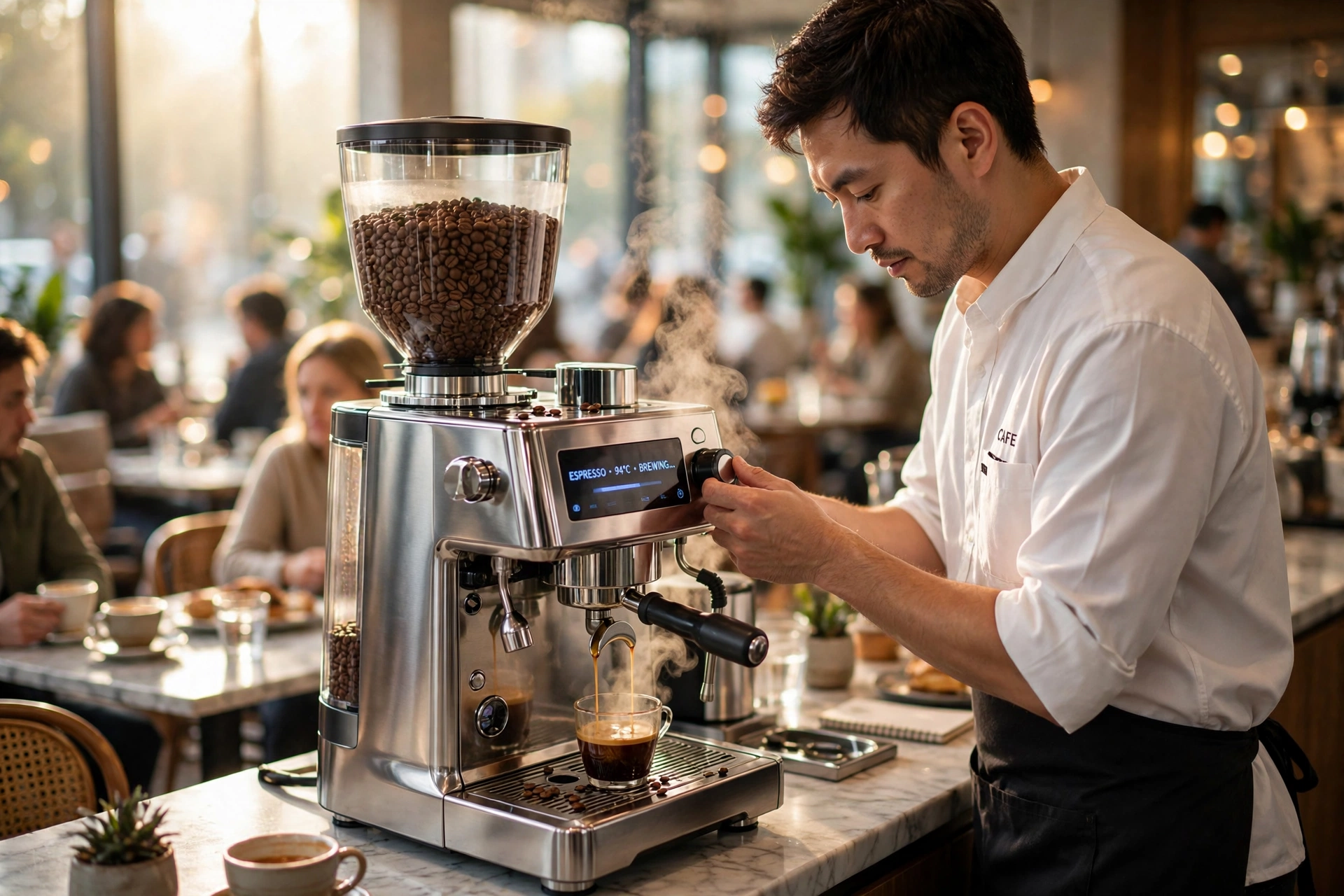
Running a high-volume foodservice operation reveals a harsh truth: the gap between a perfectly pulled espresso shot and a wasted batch of bitter coffee is often just a few seconds of barista error. This volatility is why many businesses are shifting toward automated coffee machines, which integrate the grinding, tamping, and brewing processes into a single, programmable sequence. These machines remove the human variable, ensuring that a latte served at 7:00 AM tastes identical to one served at 2:00 PM, regardless of who is behind the counter.
For those managing high-traffic environments, the transition to automation isn't just about convenience; it is about scalability. In my experience working with dozens of hospitality clients, the most common point of failure isn't the equipment itself, but the inconsistency of the staff. When you implement a professional automated system, you are essentially "encoding" the expertise of a Q-Grader into the hardware.
📚
Definition
Automated coffee machines are integrated brewing systems that utilize programmable logic controllers (PLCs) and precision sensors to automate the coffee preparation process, typically including bean grinding, dosing, tamping, and water extraction.
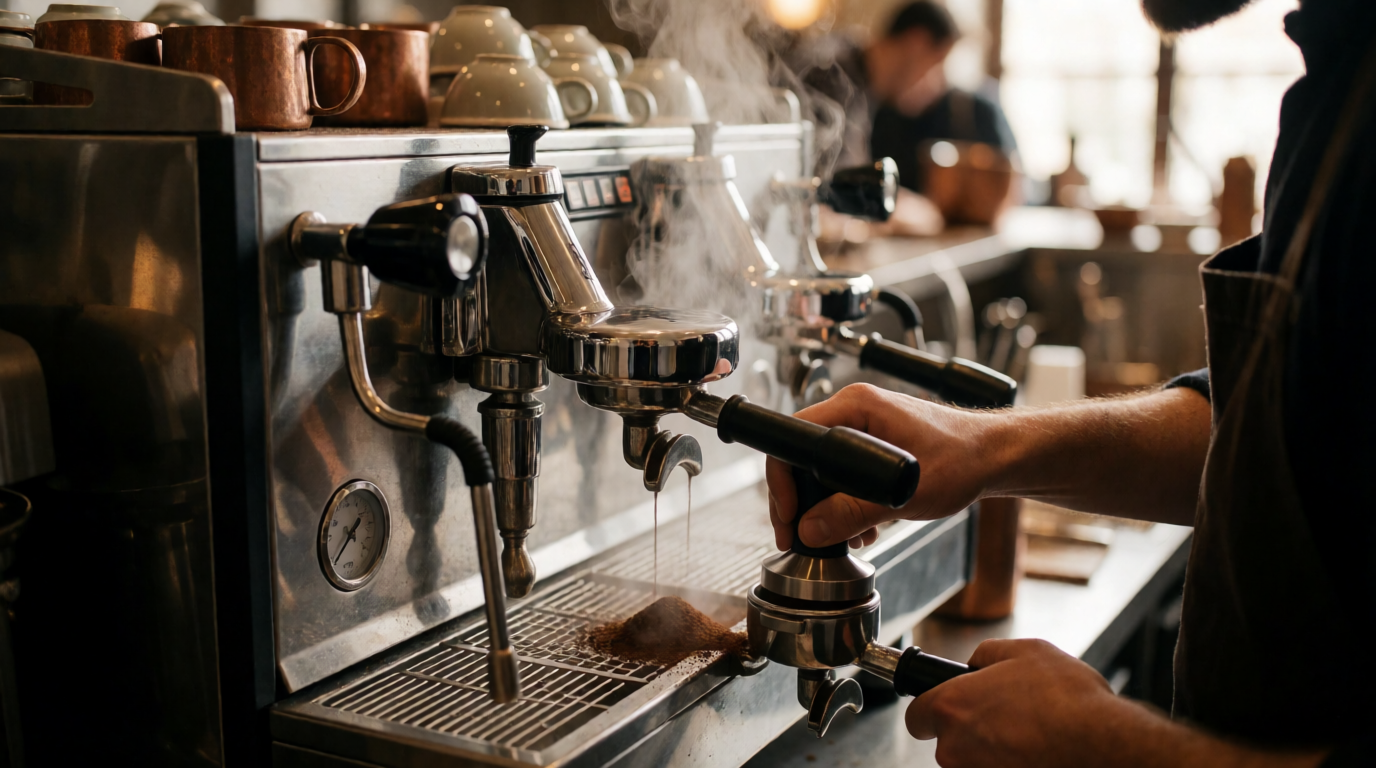
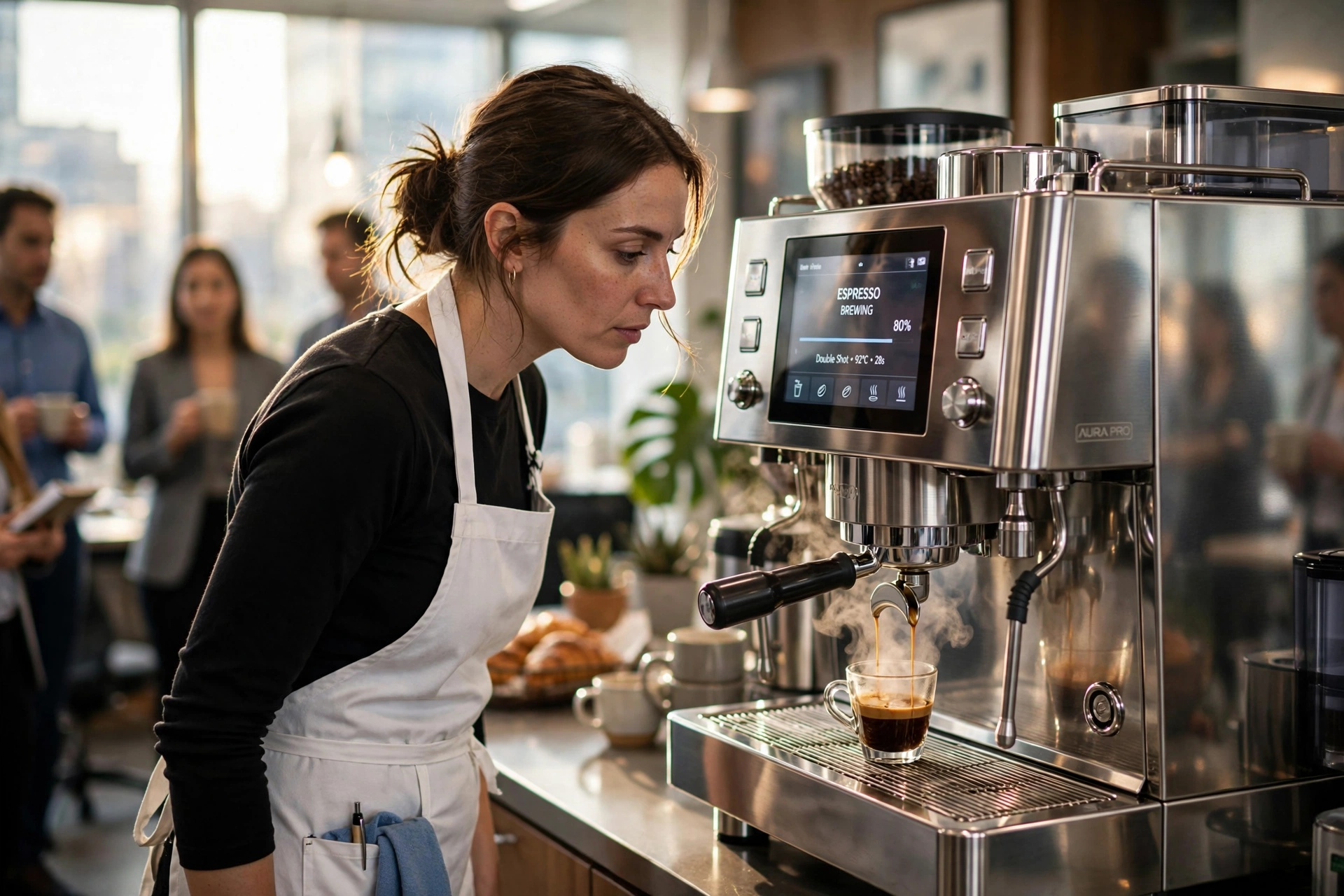
To understand these machines, one must look at the internal mechanics. Unlike a traditional semi-automatic setup where a barista manually distributes the coffee and applies pressure, an automated system uses a motorized dosing unit. Once a drink is selected, the machine grinds a precise weight of coffee bean (usually Coffea arabica for specialty grade), compresses it with a motorized tamper, and forces water through the puck at a constant pressure, typically 9 bars. This precision is why these systems are becoming the gold standard for automatic coffee machines for hotels and hospitality in 2026, where speed and uniformity are non-negotiable.
Why Does Automation Matter for Modern Foodservice?
The shift toward automation is driven by a critical labor shortage and a rising demand for specialty coffee quality in non-traditional settings. According to the Specialty Coffee Association (SCA), maintaining precise water temperature and extraction time is the only way to consistently hit the "sweet spot" of a roast. When a business relies on manual labor for every cup, the risk of "channeling", where water finds a path of least resistance through the coffee puck, increases, resulting in under-extracted, sour coffee.
From a financial perspective, the impact of automation is measured in waste reduction. In a traditional manual setup, it is common to see 5% to 10% of coffee wasted due to "dialing in" the grinder or barista error. Automated systems virtually eliminate this. Furthermore, the National Coffee Association USA (NCA) indicates that consumer preferences are shifting toward a wider variety of milk-based beverages, which typically require more technical skill to steam. Automation handles the milk texturing via integrated steam wands that produce consistent micro-foam without requiring a certified barista.
Now, here's where it gets interesting: the ROI isn't just in the coffee. It's in the throughput. A manual espresso process takes roughly 2 to 3 minutes per drink when accounting for prep and cleanup. An automated system can reduce this to 45 seconds. For a clinic or a busy office, this means the difference between a functional breakroom and a bottleneck that disrupts the workday. This is why we see a surge in automated coffee machines for clinics and medical offices, where staff have zero time for manual brewing but high expectations for quality.
How to Implement Automated Coffee Solutions Step by Step
Transitioning to an automated system requires more than just plugging in a machine; it requires a strategic alignment of your coffee program with your operational flow. The mistake I made early on, and that I see constantly, is purchasing a machine based on "features" rather than "volume." A machine that can make 20 drinks an hour will fail miserably in a hotel lobby that needs 200.
First, you must conduct a volume audit. Track your peak hours and identify your most requested beverages. Are you serving mostly black coffee, or is there a heavy demand for cappuccinos? This determines whether you need a "bean-to-cup" system or a "super-automatic" machine with integrated milk carafes. For those in the Southeast, we often recommend tailored programs, such as a Sensa coffee service in Charlotte, NC, to ensure the equipment matches the local demand.
Second, prioritize water quality. This is the most overlooked step in automation. Automated machines have tighter tolerances than manual ones; calcium buildup (scale) can ruin a precision solenoid valve in months. Install a high-grade filtration system that meets NSF International standards to protect your investment.
Third, calibrate your roast profile. Not all beans work in all machines. A very oily dark roast can clog some automated grinders, while a light roast might require a higher temperature setting to avoid sourness. This is where Busy Bean Coffee provides the most value. We don't just drop off a machine; we manage the entire membership, ensuring the roast is optimized for the specific hardware in your facility.
💡
Key Takeaway
The success of an automated coffee program depends less on the machine's buttons and more on the "triad of consistency": filtered water, calibrated roast profiles, and a scheduled maintenance plan.

Comparing Automated Options: Super-Automatics vs. Bean-to-Cup
Not all "automated" machines are created equal. The industry generally splits these into two categories: those designed for convenience (super-automatics) and those designed for high-end specialty output (professional bean-to-cup).
The traditional approach to coffee in many businesses involved large percolators or "pot" coffee. This was slow, produced burnt-tasting coffee due to overheating, and resulted in massive waste. The "cheap" AI or entry-level automated approach often uses pre-ground pods or low-quality plastic internals that cannot maintain the pressure needed for a true espresso, leading to "watery" coffee that alienates customers. Our modern approach at Busy Bean Coffee focuses on high-performance SENSA equipment that mimics a human barista's precision through engineering.
| Feature | Traditional Pot Coffee | Cheap Pod/Entry Automation | Professional Super-Automatic |
|---|---|---|---|
| Consistency | Very Low (Burnt/Cold) | Medium (Uniform but bland) | Very High (Programmable) |
| Waste | High (Unused pots) | High (Pod waste) | Low (Exact dose per cup) |
| Labor Required | Medium (Brewing/Cleaning) | Low (Insert pod) | Lowest (One-touch) |
| Taste Profile | Generic | Artificial/Flat | Specialty Coffee Grade |
| Best For | Low-cost offices | Small home offices | Hotels, Clinics, Cafes |
For businesses in growth hubs, such as those utilizing Sensa coffee service in Raleigh NC (2026 Overview), the professional super-automatic is the only viable choice. It allows a business to offer a "cafe experience" without the overhead of a $50k/year barista salary.
Common Questions and Misconceptions
Most guides get this wrong by claiming that automation "kills" the art of coffee. In reality, automation simply moves the "art" from the brewing stage to the sourcing and roasting stage. If the beans are poor, a $20,000 machine will still produce poor coffee. The "art" now lies in the coffee roasting process and the selection of the right coffee bean.
One common myth is that automated machines are harder to clean. Actually, the opposite is true. Professional systems have automated cleaning cycles that use detergents to purge the internal milk lines and brew groups. The risk only arises when owners ignore the "clean" light. A neglected automated machine is a liability; it can lead to bacterial growth in milk lines, which is why adherence to FDA food safety guidelines is essential.
Another misconception is that automated espresso lacks "crema." Crema is the result of CO2 being trapped in the oils of the coffee during high-pressure extraction. Because professional automated machines maintain a constant 9 bars of pressure, they often produce more consistent crema than a novice barista using a manual machine. Whether you are implementing a Sensa coffee service in Jacksonville, FL or a corporate office in a different state, the physics of extraction remain the same.
Frequently Asked Questions
Do automated coffee machines actually produce "specialty" quality coffee?
Yes, provided the input is high-quality. The quality of the coffee is determined by the bean's grade, the roast profile, and the extraction parameters (temperature, pressure, and time). Since professional automated machines can be programmed to the exact second and degree, they can replicate the "Golden Cup" standard set by the SCA. The key is using a specialty-grade coffee bean and ensuring the machine is calibrated by an expert, which is exactly what we handle through our managed memberships at Busy Bean Coffee.
How much maintenance do these machines actually require?
While they automate the brewing, they do not automate the deep cleaning. Daily maintenance involves emptying the dregs tray and rinsing the milk system. Weekly maintenance requires a deeper chemical purge of the brew group. However, when you use a managed service, such as Sensa coffee service in Columbia SC, this burden is shifted. We provide the maintenance coverage, ensuring the machine doesn't suffer from scale buildup or mechanical failure, which keeps your uptime at nearly 100%.
Will my staff be able to operate an automated machine without training?
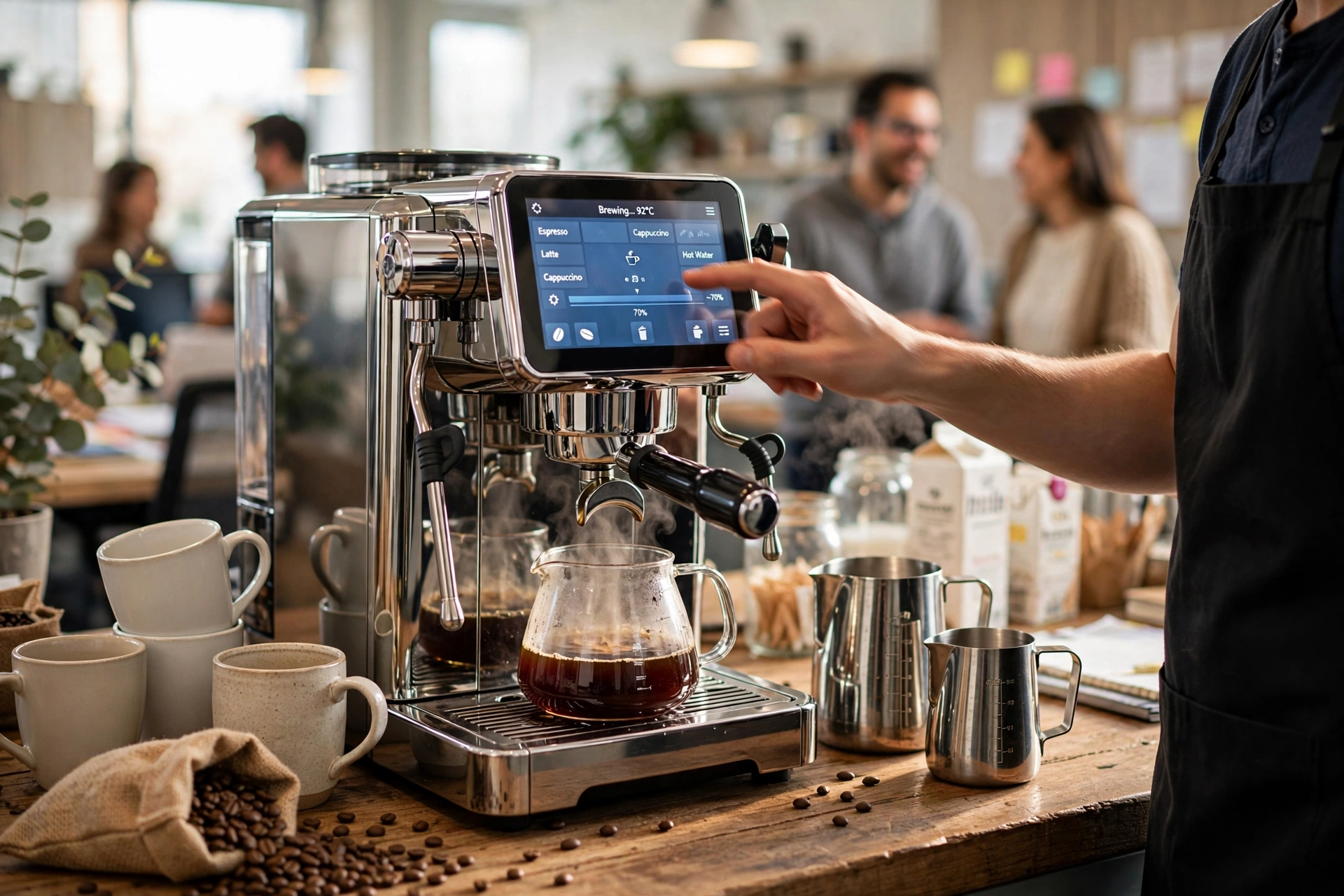
The primary goal of automation is to lower the barrier to entry. Most professional systems use a "one-touch" interface. If a staff member can use a smartphone, they can operate a super-automatic machine. We typically provide a 30-minute orientation on basic operation and daily cleaning, and that is usually sufficient. This is a massive advantage for businesses using Sensa coffee service in Mount Pleasant SC, where staff turnover in the hospitality sector can be high.
Are these machines more expensive than manual ones in the long run?
The initial capital expenditure for a high-end automated machine is often higher than a semi-automatic. However, the Total Cost of Ownership (TCO) is lower. When you factor in the cost of barista training, the cost of wasted coffee, and the increased labor hours, automation pays for itself within 12 to 18 months. By choosing a membership model like ours, you remove the capital expense entirely, replacing it with a predictable monthly fee that covers equipment, beans, and service.
Can automated machines handle different types of milk (oat, almond, soy)?
Yes, but it requires a specific approach. Alternative milks have different protein structures and foam differently than cow's milk. High-end automated machines allow you to adjust the steam temperature and aeration levels for different milk types. In my experience, the best way to handle this is to have dedicated frothing pitchers or a machine with a programmable "alt-milk" setting to ensure the texture remains creamy rather than bubbly.
Final Thoughts on Automated Coffee Machines
Integrating automated coffee machines into a business is no longer a luxury, it is an operational necessity for any organization that values consistency and efficiency. By removing the volatility of manual preparation, you ensure that every guest or employee receives a premium beverage that enhances their experience without draining your labor resources.
The transition from a "coffee pot" mentality to a "managed beverage solution" is the most significant upgrade a foodservice business can make in 2026. Whether you are looking for a Sensa coffee service in Charleston SC or a comprehensive program in a different city, the goal is the same: zero friction, zero waste, and maximum quality.
If you are tired of inconsistent brews and the headache of equipment maintenance, it is time to move toward a managed membership. At Busy Bean Coffee, we provide the equipment, the roast, and the expertise to make sure your coffee program is a profit center, not a problem.
Visit www.busybeancoffee.com to explore our all-inclusive managed coffee solutions.
Ready to Upgrade Your Business Coffee?
Café-quality coffee, zero maintenance headaches, and one predictable monthly price. Let's build your custom coffee program.
Free Coffee Pairing Guide & Specialty Roast Cheat Sheet
Unlock the secrets of perfect brewing ratios, water temperatures, and specialty roast profiles. Download the guide.