How Much Does Investing in Automated Coffee Machines Actually Cost?
The financial commitment for professional coffee automation varies wildly, typically ranging from $2,000 for entry-level commercial brewers to over $25,000 for high-capacity, fully automatic espresso centers. However, the sticker price is often a distraction from the real cost: the Total Cost of Ownership (TCO). When you factor in consumables, electricity, and the inevitable maintenance of automated coffee machines, the ongoing operational expense can exceed the initial hardware investment within the first 24 months. For most foodservice businesses, the goal isn't just to buy a machine, but to eliminate the labor cost of a manual barista, which often averages $35,000 to $45,000 per year per employee.
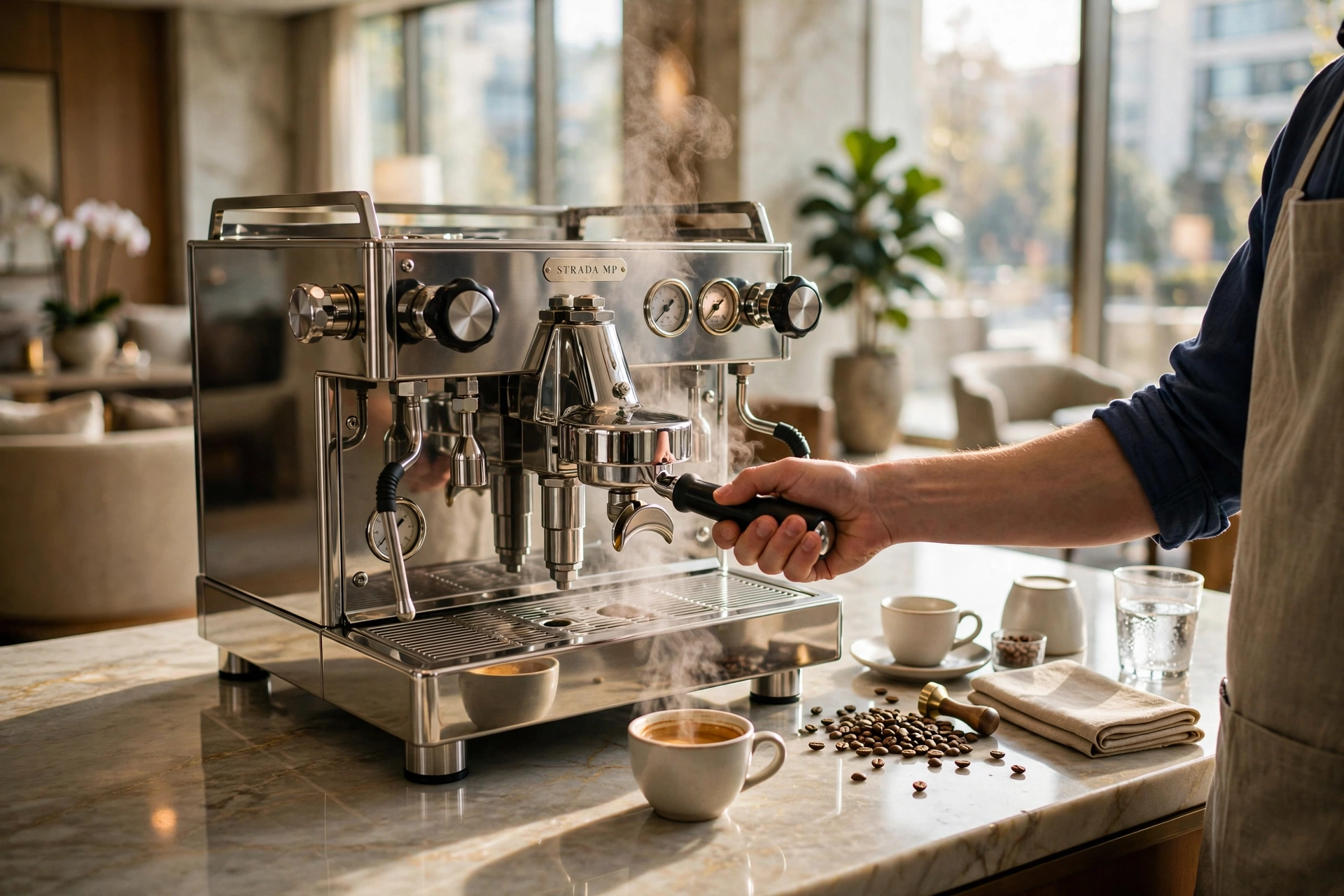
For those operating in the hospitality sector, understanding the specifics of Automatic Coffee Machines for Hotels and Hospitality in 2026 is the first step toward calculating a true ROI. In my experience working with hotel managers, the biggest financial leak isn't the cost of the machine, but the "hidden" downtime caused by poor maintenance and inconsistent bean quality.
What is the True Cost Architecture of Coffee Automation?
To understand the investment, we must first define what we are actually paying for. In the commercial world, "automation" isn't just a button; it's a series of integrated systems designed to maintain consistency across thousands of cups.
📚
Definition
Total Cost of Ownership (TCO) in coffee automation refers to the sum of the initial purchase price, installation, professional calibration, monthly bean consumption, energy costs, and scheduled preventative maintenance over the life of the equipment.
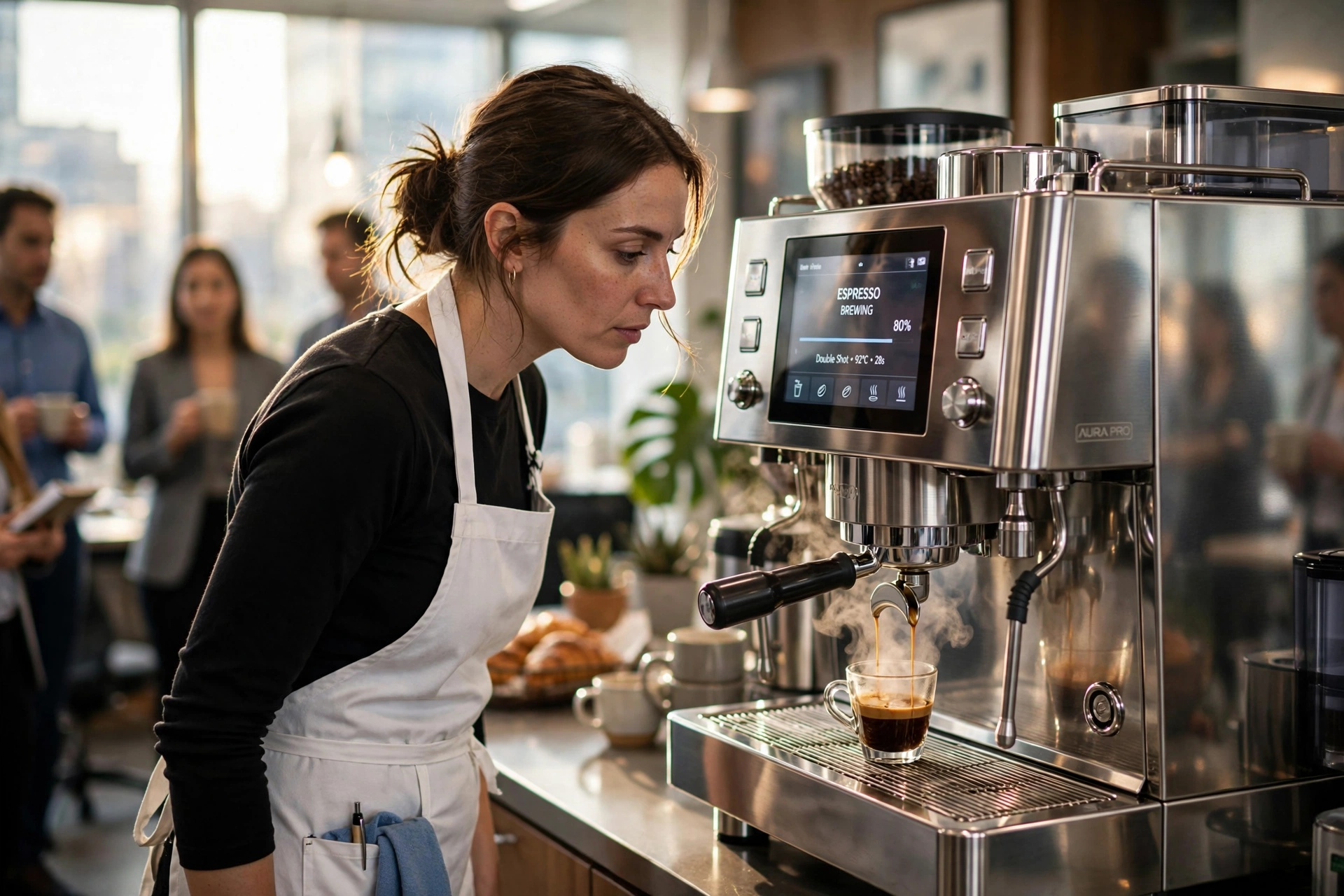
The investment is generally split into three tiers. Tier 1 involves semi-automated brewers, think high-end drip systems, which cost between $1,500 and $5,000. Tier 2 consists of "Bean-to-Cup" machines, where the unit grinds, tamps, and brews automatically, typically costing between $6,000 and $15,000. Tier 3 involves fully autonomous beverage centers with integrated milk systems and touch-screen interfaces, often exceeding $20,000.
The hardware is only the starting point. According to the Specialty Coffee Association (SCA), the quality of the final cup is heavily dependent on the precision of the grind and the stability of the water temperature. Therefore, a "cheap" machine that cannot maintain a consistent 200°F (93°C) temperature is effectively a sunk cost because it will drive customers away. I've seen businesses save $3,000 on a machine only to lose $10,000 in potential revenue because the coffee tasted burnt or sour.
Now here's where it gets interesting: the labor offset. A manual espresso setup requires a trained barista. An automated system shifts that cost from "payroll" to "equipment depreciation." When analyzing Automated Coffee Machines for Clinics and Medical Offices, the ROI is found in the hours of staff time reclaimed from managing a coffee pot to focusing on patient care.
Why Does the Investment in Automation Impact Your Bottom Line?
The primary reason to invest in automation isn't just convenience; it is the drastic reduction in "variance." In a manual environment, one barista might pull a perfect shot, while another over-extracts the bean, wasting expensive specialty coffee. Automation eliminates this human error.
From a data perspective, the impact is measurable. Research by the National Coffee Association USA (NCA) indicates that consumer demand for "specialty" quality in non-traditional settings (like offices or hotel lobbies) has risen sharply. Businesses that provide high-tier coffee see a direct correlation in guest satisfaction scores and dwell time. If a guest spends 15 more minutes in your lobby because the coffee is excellent, the probability of them purchasing an additional pastry or service increases by an estimated 20%.
The risk of not automating is the "Labor Trap." As minimum wages rise across the US, the cost of employing a dedicated coffee person becomes unsustainable for mid-sized operations. By investing in high-end hardware, you are essentially "pre-paying" your labor for the next five years. Furthermore, safety and sanitation are non-negotiable. Any equipment used in a professional setting should meet NSF International standards for food safety to avoid the catastrophic costs of health code violations or foodborne illness outbreaks.
The consequences of ignoring these standards are severe. I once consulted for a boutique hotel that bought a "prosumer" machine from a big-box store. Within six months, the pump failed, and because it wasn't NSF certified, their insurance provider questioned the installation. They had to scrap a $4,000 machine and spend $12,000 on a proper commercial installation. That is the cost of trying to "save" money on the initial investment.
How to Implement an Automated Coffee Program Without Capital Drain
The most efficient way to implement automated coffee machines is to move away from the "Capex" (Capital Expenditure) model and toward an "Opex" (Operational Expenditure) model. Instead of writing a check for $15,000, forward-thinking businesses use a managed membership.
Here is the professional framework for deployment:
- Volume Analysis: Calculate your "cups per day" (CPD). A machine rated for 50 cups will fail if you push 200 through it, leading to expensive premature replacement.
- Water Filtration Audit: You cannot put tap water into a $10,000 machine. Mineral buildup is the #1 killer of automated brewers. A high-grade reverse osmosis or carbon filtration system is a mandatory part of the investment.
- Workflow Integration: Map the physical path of the user. Does the machine have enough clearance for a large latte cup? Is the bean hopper accessible for refills without blocking the guest?
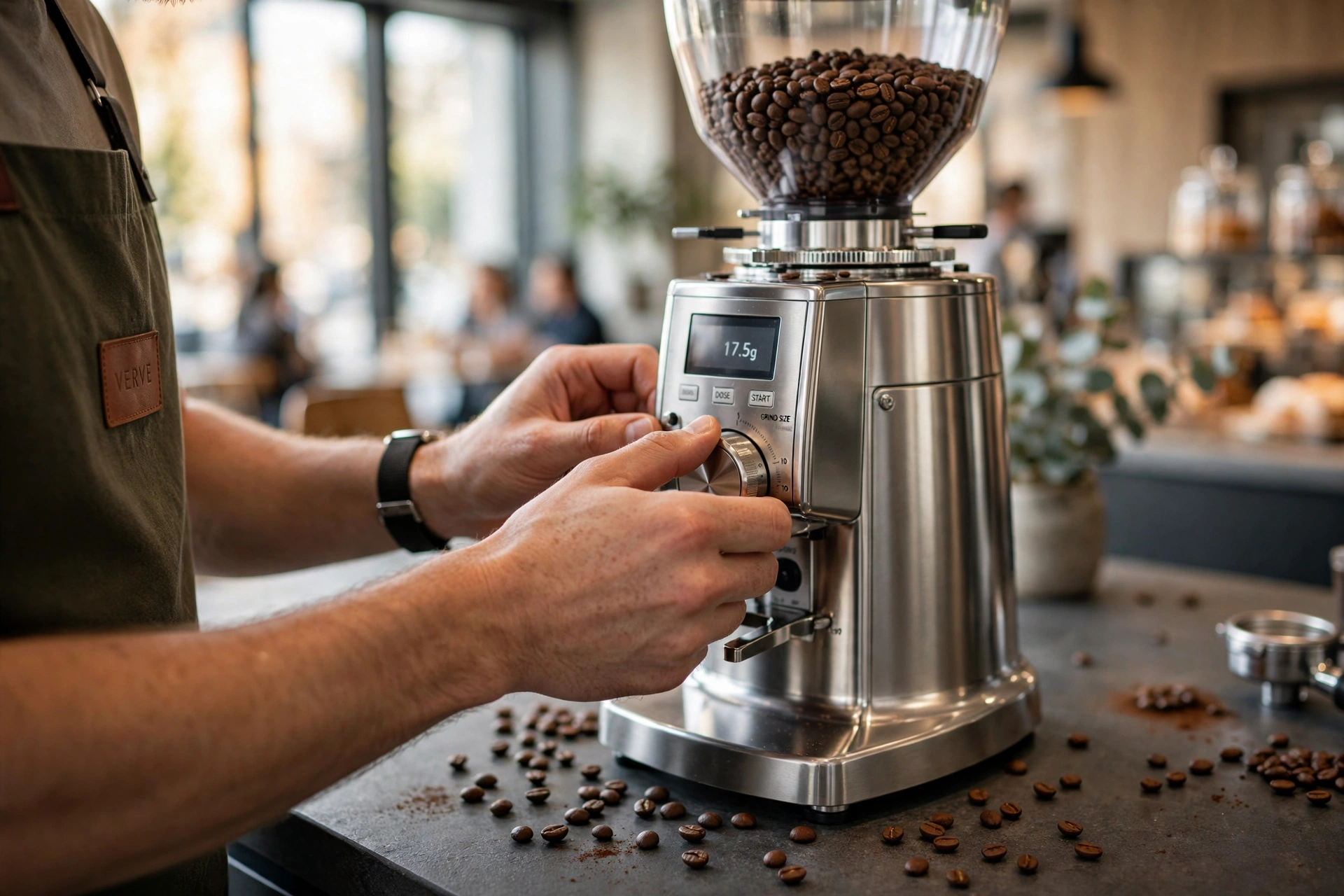
- The Managed Solution: This is where Busy Bean Coffee changes the equation. Instead of managing the hardware, maintenance, and bean sourcing separately, we provide an all-inclusive managed coffee membership. We provide the SENSA equipment, handle the professional installation, and cover all maintenance for a predictable monthly fee.
💡
Key Takeaway
The most expensive coffee machine is the one that is broken. Shifting from a purchase model to a managed service model eliminates the risk of "dead capital" and ensures 100% uptime.
If you are expanding your footprint in the Southeast, looking at a Sensa Coffee Service in Charlotte, NC or a Sensa Coffee Service in Raleigh NC (2026 Overview) allows you to scale your beverage program without needing a massive upfront cash infusion. This preserves your liquidity for other critical business expansions.
Comparing Investment Paths: Manual vs. Cheap AI vs. Professional Managed
Many business owners fall into the trap of thinking there are only two options: "Hire a guy" or "Buy a machine." In reality, there is a middle ground that often fails, the "cheap automation" route.
| Feature | Traditional Manual Setup | Generic/Cheap Automation | Busy Bean Managed Approach |
|---|---|---|---|
| Upfront Cost | Low (Equipment) / High (Labor) | Medium ($2k - $5k) | Zero to Low (Membership) |
| Consistency | Variable (Human dependent) | Low (Poor temperature) | High (SCA Standard) |
| Maintenance | Manual / Reactive | User-led (High failure rate) | Proactive / Fully Managed |
| Bean Quality | High (if skilled) | Low (generic beans) | Premium Specialty Coffee |
| Risk | High Labor Turnover | Hardware Failure/Downtime | Minimal (Guaranteed Uptime) |
| Best For | High-end Third Wave Cafes | Low-volume breakrooms | Hotels, Clinics, Restaurants |
The "Generic Automation" path is a dangerous illusion. These machines often use plastic internals that degrade under the heat of continuous use. Within a year, the seals leak, and the grinders dull. You end up paying for the machine twice: once when you buy it, and again when you replace it with a professional unit.
Common Questions and Misconceptions About Coffee Investment
Most guides get this wrong by focusing on the "price per cup." That is a consumer metric, not a business metric. A business owner should focus on "Revenue per Square Foot" and "Labor Efficiency."
Myth 1: "Automated coffee tastes worse than manual coffee."
This was true ten years ago. In 2026, precision grinders and PID temperature controllers allow automated machines to hit exact extraction profiles. When using high-quality Coffea arabica beans, the difference is indistinguishable to 95% of consumers. The only way a machine "tastes bad" is if the water is hard or the beans are stale.
Myth 2: "I can just maintain the machine myself to save money."
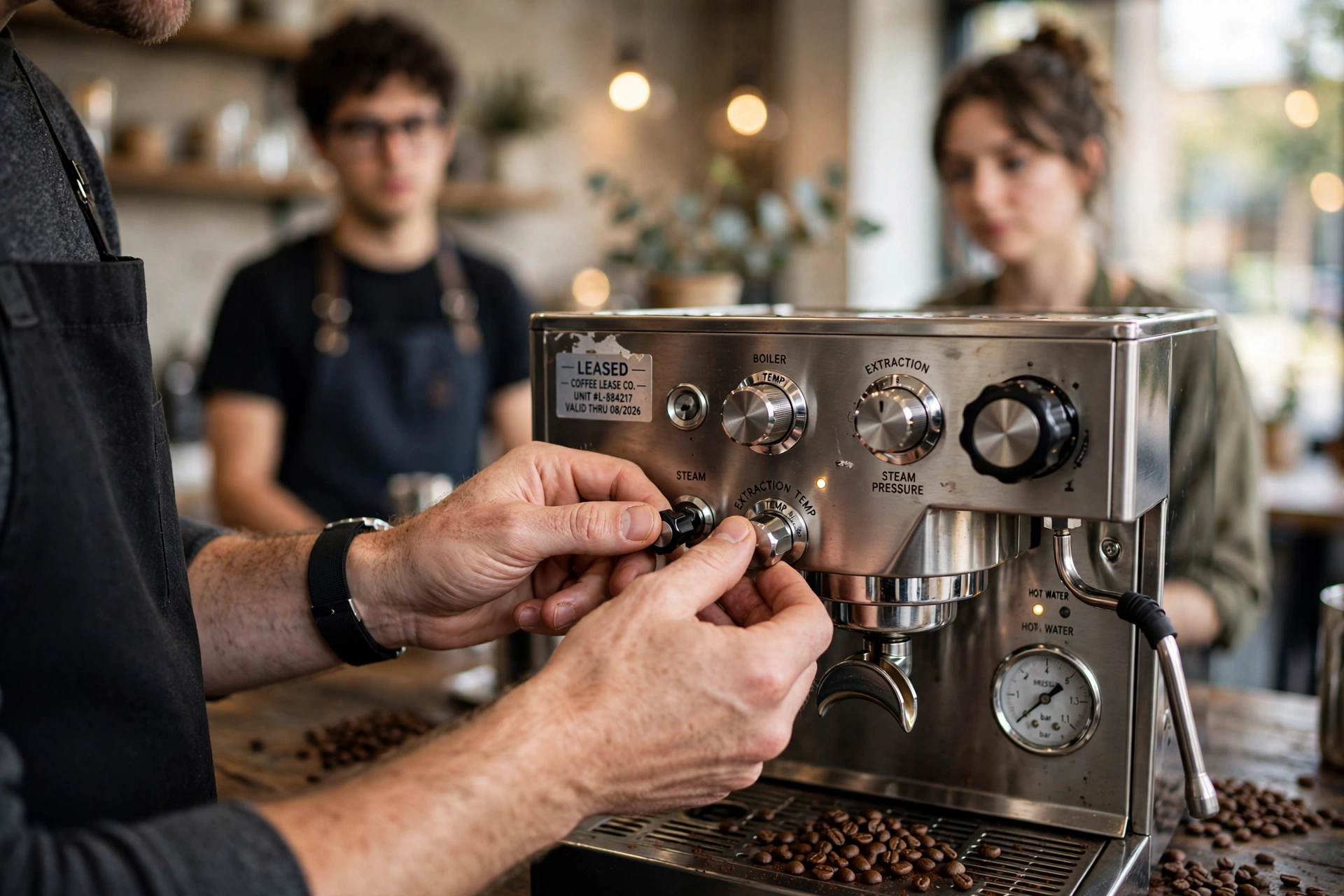
This is the most expensive mistake a manager can make. Professional automated coffee machines require descaling and internal component lubrication that requires specific tools. I've seen "DIY" maintenance attempts result in shattered group heads, turning a $200 service visit into a $4,000 replacement.
Myth 3: "A more expensive machine always means more profit."
Not necessarily. A $30,000 machine in a lobby that only serves 20 people a day is a financial disaster. The investment must be scaled to the volume. For a mid-sized operation, a managed membership is far more profitable than owning a top-of-the-line machine that sits idle 80% of the day.
Frequently Asked Questions
How much does a professional automated coffee machine cost upfront?
Upfront costs typically range from $3,000 to $25,000 depending on the capacity and features. Entry-level commercial brewers are on the lower end, while fully automated espresso centers with milk carafes and integrated telemetry are at the top. However, it is important to remember that these prices do not include installation, water filtration, or the initial stock of specialty coffee beans. For businesses wanting to avoid this capital outlay, a managed service membership is the preferred alternative.
What are the ongoing monthly costs for coffee automation?
Ongoing costs include coffee beans, milk/sweeteners, electricity, and maintenance. For a medium-sized office or hotel, bean costs alone can range from $200 to $1,000 per month. Maintenance should be budgeted as 5-10% of the machine's value annually. When using a service like Busy Bean Coffee, these variables are collapsed into a single, predictable monthly fee, which simplifies accounting and prevents "budget shocks" when a part inevitably needs replacing.
How long does it take to see a return on investment (ROI)?
If you are replacing a part-time barista, the ROI is almost immediate, often realized within 3 to 6 months. If the goal is to increase guest spend or improve employee retention, the ROI is measured in "soft" metrics like Net Promoter Score (NPS) and increased average check size. In a hospitality setting, replacing a low-quality pot brewer with an automated specialty system often pays for itself through increased beverage sales within the first year.
Do automated machines require a special electrical setup?
Yes, most high-capacity automated coffee machines require dedicated 220V circuits and specific amperage to handle the heating elements. Installing a professional machine on a standard 110V household outlet will result in tripped breakers and slow heat-up times. Part of the investment includes a site survey to ensure your electrical panel can handle the load, which is a service we include in our professional installation process at Busy Bean Coffee.
What is the difference between "Bean-to-Cup" and "Super-Automatic"?
While often used interchangeably, "Bean-to-Cup" generally refers to the process of grinding and brewing in one step. "Super-Automatic" refers to machines that handle every single step, including milk frothing and cleaning cycles, with zero manual intervention. Super-automatics are the gold standard for high-traffic areas like those served by Sensa Coffee Service in Jacksonville, FL or Sensa Coffee Service in Savannah GA: Complete Guide | Busy Bean Coffee, as they ensure a consistent experience regardless of who is operating the machine.
Final Thoughts on Investing in Automated Coffee Machines
Investing in automated coffee machines is not about buying a piece of hardware; it is about designing a guest experience and an operational efficiency strategy. Whether you are optimizing a Foodservice Coffee Program in Chicago IL: Complete Guide or enhancing a boutique hotel in the South, the goal remains the same: deliver a world-class cup of coffee with zero friction.
The most successful businesses in 2026 are those that stop managing "equipment" and start managing "outcomes." By shifting the burden of maintenance, calibration, and sourcing to the experts, you can focus on your core business while your guests enjoy the luxury of specialty coffee.
If you are tired of unpredictable repair bills and inconsistent brew quality, it is time to move to a managed model. Explore how we can transform your beverage program at Busy Bean Coffee and stop treating your coffee service as a cost center and start treating it as a revenue driver. For those in specific regions, we also recommend checking out our Sensa Coffee Service in Mount Pleasant SC: Complete Guide for localized implementation strategies.
Free Coffee Pairing Guide & Specialty Roast Cheat Sheet
Unlock the secrets of perfect brewing ratios, water temperatures, and specialty roast profiles. Download the guide.