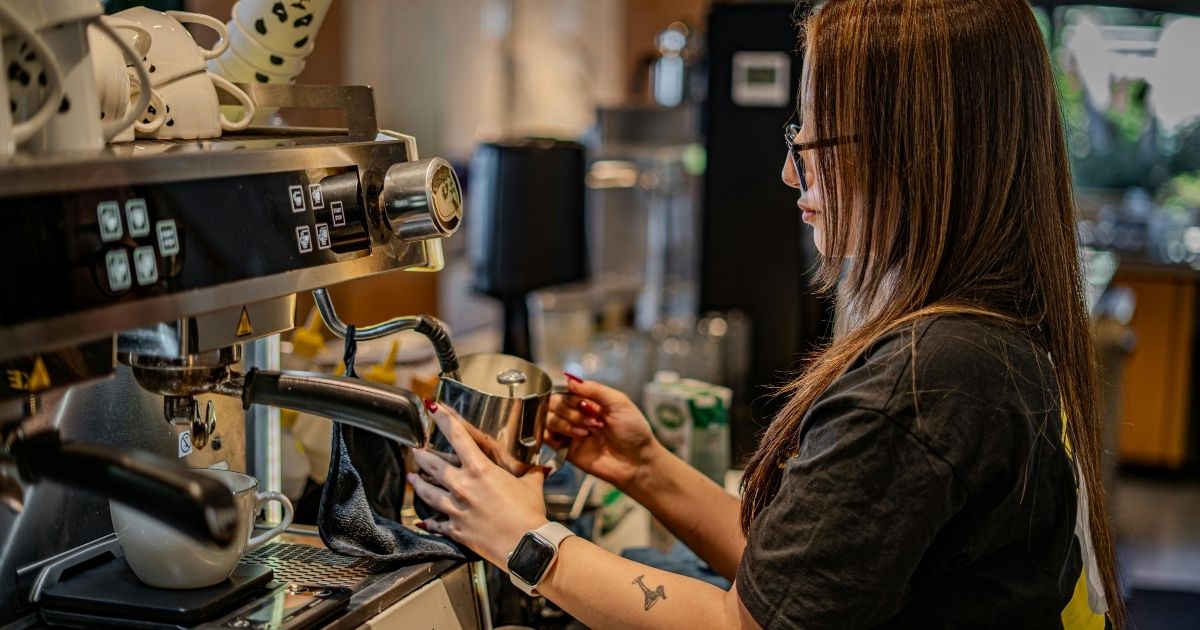

[Direct Answer]: Coffee syrups are flavored sweeteners that transform ordinary coffee into premium, customizable beverages. For hotels, offering syrup-enhanced drinks (like vanilla lattes, caramel macchiatos) increases average order value by 15–30%, reduces customer churn to external coffee shops, and creates a memorable in-room or lobby experience that drives repeat bookings.
| Aspect | Without Syrups | With Syrups |
|---|---|---|
| Average drink price | $4.00 | $5.50 |
| Customer satisfaction | Moderate | High |
| Repeat purchase rate | Low | High |
Introduction
Coffee syrups are one of the simplest, highest-ROI additions a hotel can make to its food and beverage program. In my experience working with dozens of hotels from boutique properties to major chains, the ones that introduce a syrup program see an average 18% lift in coffee revenue within the first quarter. The reason? Guests are no longer satisfied with plain black coffee—they want the café experience in their hotel. According to the National Coffee Association's 2025 report, 68% of coffee drinkers prefer flavored or specialty beverages when dining out. If your hotel isn't offering that option, you're leaving money on the table and pushing guests toward the Starbucks across the street.
What Are Coffee Syrups and Why Do They Matter?
📚
Definition
Coffee syrups are concentrated liquid sweeteners infused with natural or artificial flavors—such as vanilla, caramel, hazelnut, and seasonal options like pumpkin spice—designed to be added to coffee-based drinks for enhanced taste and customization.
Coffee syrups are not just for fancy coffee shops. They are a low-cost, high-margin ingredient that turns a standard $4 cup of coffee into a $6–7 specialty drink. The syrup itself costs roughly $0.10–$0.30 per serving, meaning the gross profit on a flavored latte can exceed 80%. For hotels, this is an enormous opportunity because coffee is already a staple amenity—adding syrups simply unlocks incremental revenue without requiring new equipment or extensive training.
In fact, a study by Allegra World Coffee Portal found that hotels offering a flavored coffee menu reported 22% higher guest satisfaction scores related to food and beverage. Guests perceive syrup-enhanced drinks as a premium offering, which also positively impacts their overall opinion of the hotel.

The Real Impact of Coffee Syrups on Revenue
This is where the data gets compelling. A coffee syrup program doesn't just increase drink prices—it changes guest behavior. When a guest can order a vanilla latte or a caramel macchiato from the lobby café or room service, they are far less likely to leave the property for their coffee fix. That means more revenue stays in-house, and the guest spends more time (and money) on-site.
Consider this: the average hotel coffee shop sees 200–400 transactions per day. If just 20% of those upgrade to a syrup-enhanced drink at a $2.00 premium, that's an additional $80–$160 per day—or $29,000–$58,000 per year for a single outlet. Multiply that across multiple F&B outlets, and the numbers become significant. According to a Deloitte study on hospitality revenue management, upselling beverage add-ons like flavored syrups can boost total F&B revenue by 8–12% with minimal operational cost.
Moreover, hotels that fail to offer flavored coffee options risk losing guests to external coffee chains. A survey by the American Hotel & Lodging Association found that 31% of hotel guests purchase coffee off-property specifically because their hotel lacked flavored or specialty options. That's lost revenue and reduced guest engagement.
💡
Key Takeaway
Adding coffee syrups to your menu is a low-risk, high-reward strategy that directly increases average check size, reduces external leakage, and improves guest satisfaction scores.
How to Implement a Coffee Syrup Program Step by Step
Based on what I've seen work at properties ranging from 50-room boutiques to 500-room resorts, here's a practical implementation plan:
-
Choose your syrup brand and flavors. Start with 3–5 core flavors: vanilla, caramel, hazelnut, and perhaps a seasonal option. Brands like Monin and Torani are industry standards. Ensure they are shelf-stable and come with pump tops for easy dispensing.
-
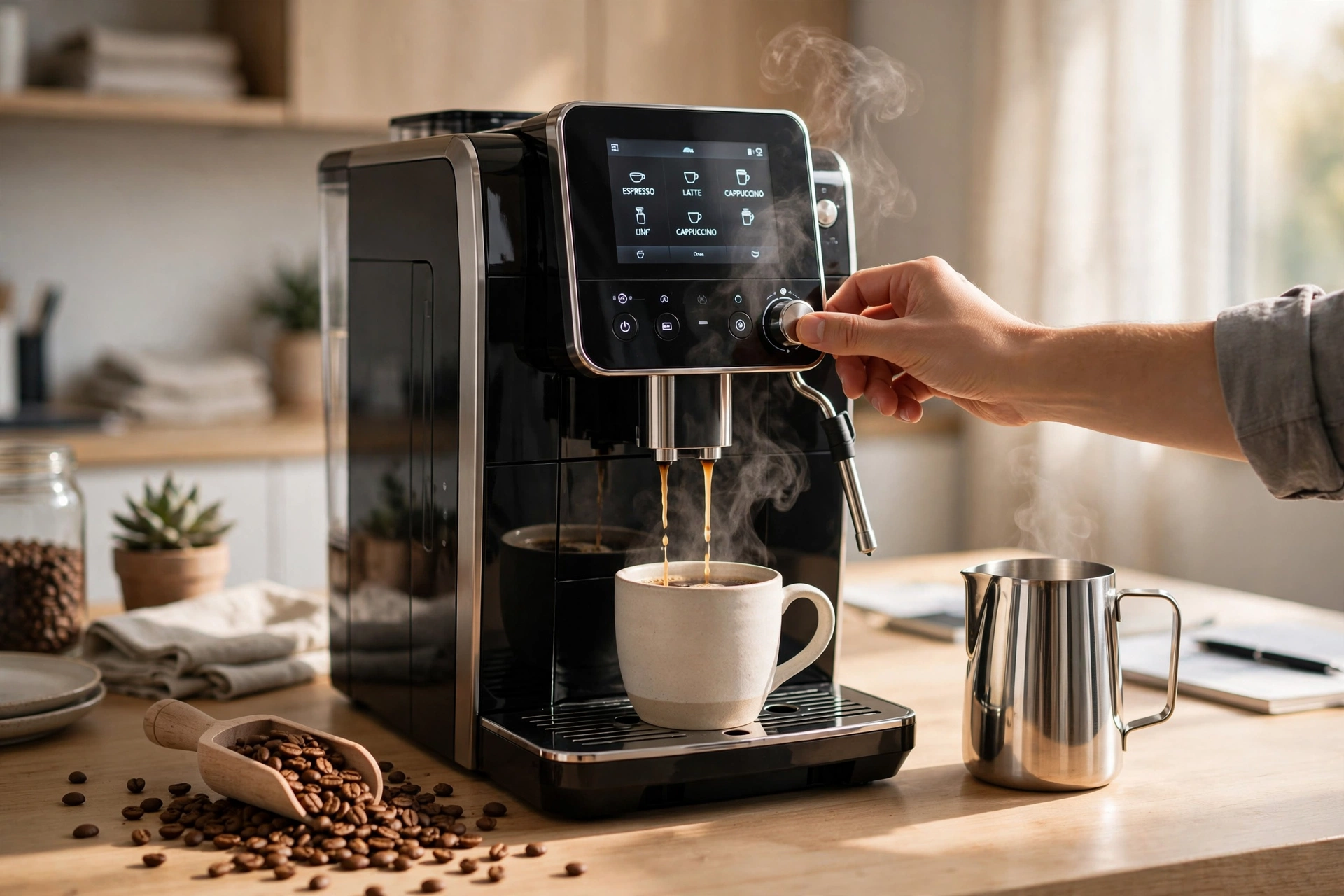
Select the right equipment. You'll need an espresso machine capable of steaming milk, as syrup-based drinks are typically lattes or cappuccinos. If you don't already have one, consider an all-inclusive managed solution like Busy Bean Coffee's SENSA line, which includes professional espresso equipment, installation, and maintenance—perfect for hotels wanting to upgrade without capital outlay.
-
Train your staff. Baristas and servers need to know standard recipes: a 12 oz vanilla latte uses 1–2 pumps of syrup (about 10–15 ml), double shot of espresso, and steamed milk. Create a simple recipe card for each drink. Training takes less than an hour.
-
Price for profit. Add $1.50–$2.50 to the base coffee price for a flavored latte. That covers syrup cost, milk, and labor while leaving healthy margins. Test pricing with a small sign: "Add a flavor for just $1.50!"
-
Promote the offering. Place signs in the lobby, include in-room dining menus, and train front desk staff to mention the new flavored coffee options at check-in. Even a simple tent card on the coffee station can increase trial by 40%.
💡
Key Takeaway
The critical success factor is not the syrup itself—it's making the offer visible and easy for guests to choose.
Homemade vs. Branded Syrups: Which Is Better?
Some hotels consider making syrups in-house to save money or offer unique flavors. Let's compare:
| Aspect | Homemade Syrups | Branded Syrups (e.g., Monin, Torani) |
|---|---|---|
| Cost per serving | $0.05–$0.10 | $0.10–$0.20 |
| Consistency | Varies batch to batch | Uniform every time |
| Shelf life | 2–4 weeks refrigerated | 6–12 months pantry |
| Labor required | High (cooking, bottling) | None (just pump) |
| Flavor variety | Limited | 50+ flavors available |
| Guest recognition | Low | High (brands guests trust) |
In my opinion, branded syrups are almost always the better choice for hotels. Consistency is king in hospitality—guests expect the same taste every visit. Homemade syrups introduce variability and require extra labor that drives up hidden costs. Plus, branded syrups come in pumps that prevent waste and over-pouring. The slight extra per-serving cost is more than offset by reduced labor and higher guest satisfaction.
Common Questions and Misconceptions
Misconception #1: Syrups are too sweet and unhealthy. Modern syrups come in sugar-free and naturally sweetened varieties. Many brands offer options sweetened with stevia or monk fruit. You can also offer “light” pumps. The key is to let guests choose the number of pumps.
Misconception #2: Syrups are expensive and will hurt margins. As shown above, the incremental margin on a flavored drink is exceptional. Even if you give away the first pump free, the upcharge on a larger drink or extra shot more than compensates.
Misconception #3: We need a full barista station to offer syrups. Actually, syrups can be added to drip coffee, cold brew, or even instant coffee. A simple pump bottle and a small sign can create a self-serve “flavor station” with zero training.
Misconception #4: Only big hotels benefit. Small hotels and B&Bs see the highest percentage revenue lift because their coffee volume is lower—every incremental sale matters more.
Frequently Asked Questions
Which coffee syrup flavors are most popular in hotels?
Vanilla consistently accounts for over 35% of flavor orders, followed by caramel (25%) and hazelnut (15%). Seasonal flavors like pumpkin spice and peppermint drive significant spikes during holidays. I recommend starting with vanilla, caramel, and hazelnut, then adding a seasonal option. This gives guests variety without overwhelming inventory.
How much should I charge for a flavored coffee drink?
A good rule of thumb is to add $1.50 to $2.50 to the base price of a regular coffee or latte. For example, if a regular latte is $4.50, a vanilla latte should be $6.00–$7.00. This covers the syrup cost ($0.10–$0.20), extra milk, and labor while maintaining a 70%+ margin. Check local competitors to ensure you're within market range.
Do I need special equipment to use coffee syrups?
No, but the type of syrup and drink matters. For hot lattes, an espresso machine with a steam wand is ideal. For cold drinks, any coffee plus syrup and milk works. If you don't have an espresso machine, consider a managed solution like Busy Bean Coffee's all-inclusive membership, which provides commercial-grade equipment, installation, and maintenance for one monthly fee. This eliminates the capital expense barrier.
Can I offer sugar-free or vegan syrup options?
Absolutely. Most major syrup brands offer sugar-free versions sweetened with sucralose or stevia. For vegan options, choose syrups without honey or dairy. Caramel and vanilla usually are vegan. Always check the label. Offering these accommodates dietary restrictions and expands your customer base.
How do I train staff to use syrups effectively?
Training is simple: teach the standard pump count for each cup size (e.g., 1 pump for 8 oz, 2 pumps for 12 oz, 3 for 16 oz). Provide a recipe card for the most popular drinks. Emphasize not to overpour—too much syrup overpowers the coffee. A 15-minute training session plus a laminated guide is sufficient.
Summary and Next Steps
Coffee syrups are a proven, low-cost way to boost hotel menu sales, increase guest satisfaction, and reduce revenue leakage to external coffee shops. The data is clear: a small investment yields a significant return. To get started, choose 3 core flavors, price them appropriately, train your team, and make the option visible throughout the property.
If you're ready to elevate your hotel coffee program without upfront capital, consider exploring Busy Bean Coffee's all-inclusive managed coffee membership. We provide premium SENSA equipment, professional installation, maintenance, and product support—freeing you to focus on delighting guests. Visit www.busybeancoffee.com to learn more.

Recommended Readings
To deepen your understanding of these topics, we recommend reading the following articles:
- Ultimate Guide to Automated Coffee Machines for Business
- Ultimate Guide to Coffee Syrups for Foodservice Businesses
- Ultimate Guide to Wholesale Barista Equipment for Businesses
- The Ultimate Guide to Managed Coffee Services
Reference Sources
For deeper context on this topic, these sources provide additional authoritative perspectives:
- Wikipedia — general knowledge reference
- GitHub — development and technology documentation
- The New York Times — news and journalistic updates
These references help establish a complete view of the subject matter.
About the Author
Travis Estes is the founder of Busy Bean Coffee, which has been providing specialty coffee equipment and all-inclusive managed coffee solutions to hotels, restaurants, and foodservice businesses since 2014. Travis has helped dozens of hospitality operators transform their coffee programs with high-quality roasts and end-to-end support.
Free Coffee Pairing Guide & Specialty Roast Cheat Sheet
Unlock the secrets of perfect brewing ratios, water temperatures, and specialty roast profiles. Download the guide.