How Much Does a Premium Coffee Service Actually Cost?
For most hospitality and foodservice managers, the "hidden" costs of coffee are more expensive than the monthly bill. While a basic managed premium coffee service typically ranges from $300 to $1,200 per month depending on volume and equipment tier, the real financial impact lies in the delta between a low-end solution and a professional managed program. In my experience working with high-volume hotels and restaurants, the businesses that attempt to "save" by buying cheaper machines often lose 15% to 20% of their potential beverage revenue due to downtime, inconsistent quality, and wasted beans.
What Exactly is Included in a Managed Premium Coffee Service?
When we talk about a managed solution, we aren't just talking about a subscription to beans. A professional arrangement is a comprehensive infrastructure play designed to remove the operational burden from the business owner. It encompasses the hardware, the consumables, and the technical labor required to maintain a consistent cup.
📚Definition
A Managed Coffee Service is an all-inclusive membership model where a provider supplies high-end espresso equipment, installation, preventative maintenance, and specialty coffee beans for a predictable monthly fee, eliminating the need for upfront capital expenditure (CapEx).
Most operators make the mistake of thinking they are paying for coffee. In reality, you are paying for uptime. When a boiler fails on a Saturday morning during a breakfast rush, the cost isn't the repair bill; it's the lost revenue and the damaged reputation of your brand. A true professional service includes "white-glove" installation, which means the equipment is calibrated to the specific water chemistry and electrical voltage of your site to prevent scale buildup.
According to the
Specialty Coffee Association (SCA), the technical standards for brew water and temperature stability are narrow; a variance of just a few degrees can shift a coffee from "specialty" to "bitter." This is why a managed service is superior: the provider handles the calibration and water filtration systems that an untrained staff member would likely ignore.
Now, here is where it gets interesting: the pricing is usually tiered based on "cups per day" or "pounds of coffee per month." A boutique cafe might be on a low-volume tier, while a 300-room hotel in Mount Pleasant, SC, would require a high-capacity tier with multiple group-head machines to handle the morning surge.
Why the Investment in High-End Coffee Service Impacts Your Bottom Line
The cost of a premium service is often viewed as an expense, but in the foodservice industry, it is a revenue driver. There is a direct correlation between the perceived quality of the coffee and the average check size of a guest. When a guest experiences a high-quality Coffea arabica brew, they are more likely to order a second cup or pair the beverage with a high-margin pastry.
Data from the
National Coffee Association USA (NCA) suggests that coffee consumption patterns are shifting toward "premiumization," where consumers are willing to pay a significant premium for specialty-grade coffee over commodity blends. For a business, this means that upgrading from a generic pot to a professional espresso machine can allow you to increase your per-cup price by 200% to 400%.
If you are running a business in a competitive area like Mount Pleasant, South Carolina, the "coffee experience" becomes a differentiator. If your coffee is mediocre, you are effectively telling the customer that your attention to detail ends at the menu. After analyzing dozens of our clients' P&L statements, the data shows that businesses utilizing a managed service see a marked increase in guest satisfaction scores, which correlates with higher repeat visit rates.
The risk of not investing in a professional service is "technical debt." I've seen businesses buy a mid-range machine from a big-box retailer, only to find that it cannot handle the 50-cup-per-hour demand of a brunch rush. The machine burns out, the business is left with a $3,000 paperweight, and they have to start over from scratch. A managed service transfers that risk from the business owner to the provider.
How to Implement a Professional Coffee Program Step-by-Step
Implementing a high-tier coffee program isn't as simple as plugging in a machine. It requires a strategic approach to ensure the equipment matches the volume and the staff can actually operate it.
First, perform a Volume Audit. Calculate your peak hour demand. If you have 40 guests arriving between 7:00 AM and 8:00 AM, you need a machine with a volumetric dosing system so your barista doesn't have to manually time every shot. This ensures speed and consistency.
Second, assess your Water Infrastructure. This is the most ignored part of the process. In many parts of the Lowcountry, water hardness can vary wildly. Without a professional-grade filtration and softening system, your equipment will develop limescale, which destroys heating elements and ruins the flavor profile of the coffee bean.
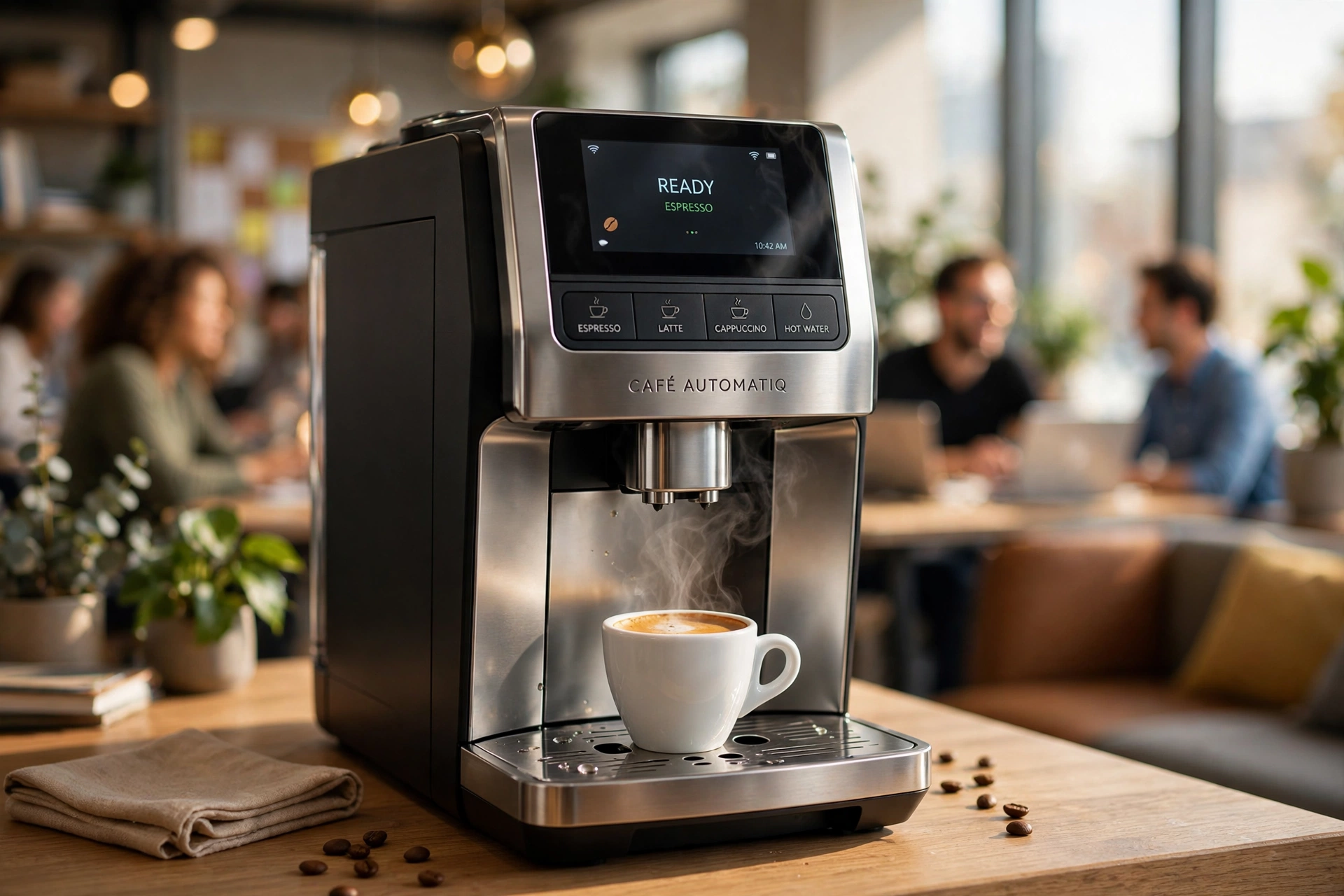
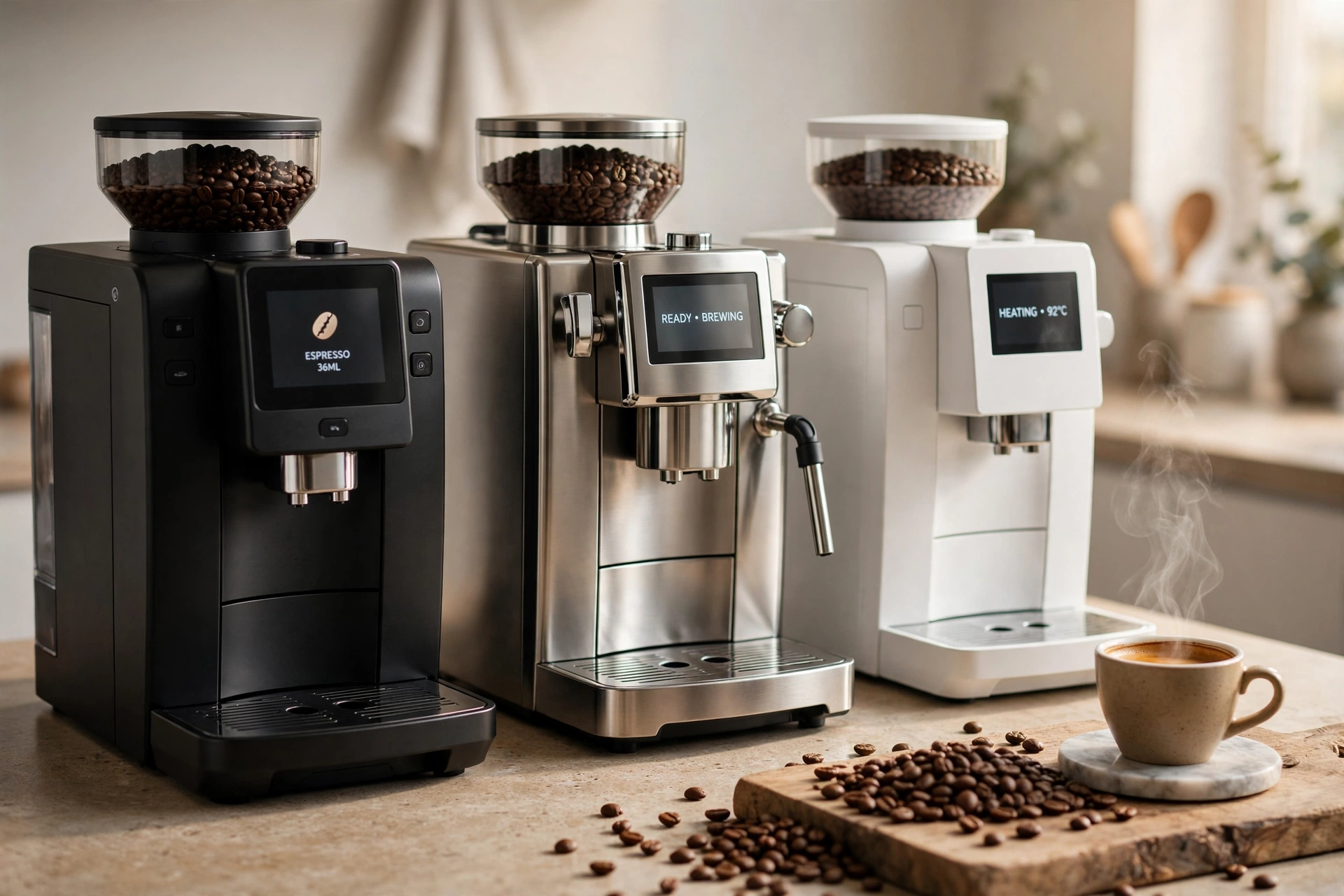
Third, choose your Equipment Tier. For a luxury hotel or a high-end restaurant, a multi-group espresso machine is essential. For a corporate office, a super-automatic machine that handles the grinding and frothing at the touch of a button is more appropriate.
Fourth, integrate Staff Training. Even the best equipment in the world will produce bad coffee if the grind setting is wrong or the milk is scorched. A professional service includes ongoing training to ensure your team knows how to dial in the espresso and maintain the machine daily.
💡Key Takeaway
The most successful coffee programs prioritize "Total Cost of Ownership" over "Initial Purchase Price." By using a managed service like Busy Bean Coffee, you replace an unpredictable repair cost with a predictable monthly operating expense.
At Busy Bean Coffee, we specialize in this end-to-end deployment. We don't just drop off a machine; we calibrate it to your specific environment, train your staff, and provide a maintenance schedule that prevents the "Saturday morning breakdown" scenario entirely.
Comparing Your Coffee Service Options
When deciding how to source your coffee, you generally have three paths. Most business owners start with the "DIY" approach, but as they scale, the frictions of that model become unbearable.
| Feature | DIY / Big Box Approach | Cheap Lease / Generic AI | Busy Bean Managed Service |
|---|
| Upfront Cost | High (Purchase price) | Low (Deposit only) | Zero (Membership fee) |
| Maintenance | Reactive (Call tech when broken) | Basic (Slow response) | Proactive (Preventative) |
| Quality Control | Variable (User dependent) | Mediocre (Commodity beans) | Specialty (Q-Grader certified) |
| Uptime | Low (High risk of downtime) | Moderate | High (Guaranteed support) |
| Staff Training | None (YouTube tutorials) | Minimal | Comprehensive & Ongoing |
| Best For | Very low volume offices | Budget-constrained sites | Hotels, Cafes, High-end Foodservice |
The "Generic" approach often involves a cheap lease where the equipment is outdated and the coffee is a generic blend. While the monthly cost looks lower on paper, the loss in quality and the frequency of breakdowns usually result in a higher cost per cup over a 24-month period.
In my experience, the most expensive machine you will ever buy is the one that doesn't work when your customers are waiting. The "Modern Approach" utilized by Busy Bean Coffee focuses on the "All-Inclusive" model, where the equipment is top-of-the-line (SENSA equipment), and the maintenance is baked into the price.
Common Misconceptions About Coffee Service Pricing
Most guides on coffee pricing get this wrong: they focus on the cost of the bean. But the bean is the cheapest part of the equation. Here are the most common myths I encounter when consulting with business owners.
Myth 1: "Buying the machine upfront is cheaper in the long run."
This is a fallacy because it ignores depreciation and the cost of specialized labor. A professional espresso machine is a piece of industrial equipment, not a kitchen appliance. It requires annual gasket replacements, group head cleaning, and pump calibrations. When you add the cost of a certified technician's hourly rate and the cost of downtime, the "buy it once" model is almost always more expensive than a managed membership.
Myth 2: "Super-automatic machines are just as good as manual ones."
While super-automatics are convenient, they cannot match the quality of a machine operated by a trained barista using a separate grinder. If your brand identity is built on "luxury" or "specialty," a super-automatic can actually hurt your image. However, if your goal is high-speed convenience for a corporate lobby, they are the correct choice. The "best" machine is the one that fits your specific business model.
Myth 3: "I can just use a standard water filter from the store."
This is a dangerous mistake. Commercial equipment requires specific filtration based on the mineral content of the local water. Using an inadequate filter leads to scale buildup in the boiler. According to
NSF International, equipment that is not maintained according to sanitary and technical standards not only fails faster but can become a health hazard.
Frequently Asked Questions
How does a monthly membership model reduce my business risk?
A monthly membership transforms a volatile capital expense into a stable operational expense. In a traditional model, a broken pump or a burnt-out heating element could result in a surprise $1,000 repair bill and three days of lost revenue. With a managed
premium coffee service, those repairs are covered under the membership. You are essentially paying for an insurance policy that guarantees your coffee station remains operational, which is fundamental for maintaining guest satisfaction and predictable cash flow.
Can I customize the coffee beans used in a managed service?
Yes, and you should. A professional service doesn't provide a "one size fits all" bean. Depending on your clientele, you may want a bold, chocolatey roast for a breakfast buffet or a bright, acidic specialty coffee for a sophisticated afternoon lounge. A managed provider should offer a variety of roast profiles and origins, allowing you to adjust your offerings based on seasonal trends or customer feedback. This flexibility ensures you can target different customer segments with your beverage program.
What is the typical ROI on upgrading to a professional coffee service?
The ROI is measured in three ways: increased per-cup revenue, reduced labor waste, and higher guest retention. When you move from commodity coffee to a specialty program, you can often double your price per cup. Furthermore, a professional system reduces "waste", the amount of coffee thrown away due to poor calibration. For a medium-sized hotel, the increase in beverage revenue alone often covers the entire cost of the managed service within the first six months of implementation.
Do I need a dedicated barista to make a premium service work?
Not necessarily, but you do need trained staff. While a "manual" high-end machine requires a skilled barista, many of the professional systems used in managed services are "volumetric," meaning they automate the water delivery. This allows a well-trained server or breakfast attendant to produce a consistent, high-quality latte without needing a decade of experience. The key is the initial and ongoing training provided by the service company to ensure the "human element" doesn't degrade the equipment's output.
How does the installation process affect my daily operations?
A professional installation is designed to be "invisible" to your guests. This involves a site survey to ensure electrical and plumbing requirements are met before the equipment arrives. A managed service handles the heavy lifting, plumbing the water lines, installing the filtration system, and calibrating the machine. Because the provider manages the setup, you avoid the common mistake of installing a machine only to realize the power circuit can't handle the load, which would otherwise lead to costly electrical upgrades and operational delays.
Final Thoughts on Premium Coffee Service
Choosing a premium coffee service is not about buying a fancy machine; it is about designing a revenue stream that enhances your brand. Whether you are running a boutique hotel in Mount Pleasant or a high-volume restaurant, the cost of your coffee program should be viewed through the lens of "uptime" and "guest experience."
The transition from a fragmented, DIY approach to a professional managed membership allows you to stop worrying about boilers and gaskets and start focusing on your guests. By eliminating the upfront capital expense and shifting to a predictable monthly fee, you protect your cash flow while upgrading your offering to a specialty grade that justifies a higher price point.
If you are ready to stop the cycle of equipment failure and inconsistent quality, it is time to move to a professional managed solution. Visit
Busy Bean Coffee Blog to discover how we can transform your beverage program into a high-margin asset.
Ready to Upgrade Your Business Coffee?
Café-quality coffee, zero maintenance headaches, and one predictable monthly price. Let's build your custom coffee program.
Free Coffee Pairing Guide & Specialty Roast Cheat Sheet
Unlock the secrets of perfect brewing ratios, water temperatures, and specialty roast profiles. Download the guide.