Does a Premium Coffee Service Actually Drive ROI?
A mediocre cup of coffee is a missed opportunity for a business; a premium one is a strategic asset. When a guest walks into a hotel lobby or a client enters a medical office, the quality of the beverage provided serves as a silent proxy for the quality of the service they are about to receive. Investing in a premium coffee service is worth it because it directly influences perceived brand value, increases employee retention, and removes the hidden operational drain of managing fragmented equipment and supply chains.
In my experience working with high-volume hospitality groups, the "cost" of coffee is rarely about the price per pound of beans. Instead, the real expense lies in the downtime of a broken machine during a morning rush or the loss of a high-value client because the "complimentary" coffee tasted like burnt rubber. When you shift from a basic brew to a managed specialty solution, you aren't just buying caffeine; you are buying operational reliability and a psychological signal of quality. For those operating in high-stakes environments, such as those utilizing
automated coffee machines for clinics and medical offices, the ability to lower patient anxiety with a professional-grade beverage is an intangible but powerful ROI.
What Exactly Defines a Professional Managed Coffee Solution?
To understand why the investment is justified, we must first define what we are actually talking about. Many businesses mistake a "premium service" for simply buying more expensive beans. In reality, a professional managed service is an ecosystem that integrates hardware, software, logistics, and quality control.
📚Definition
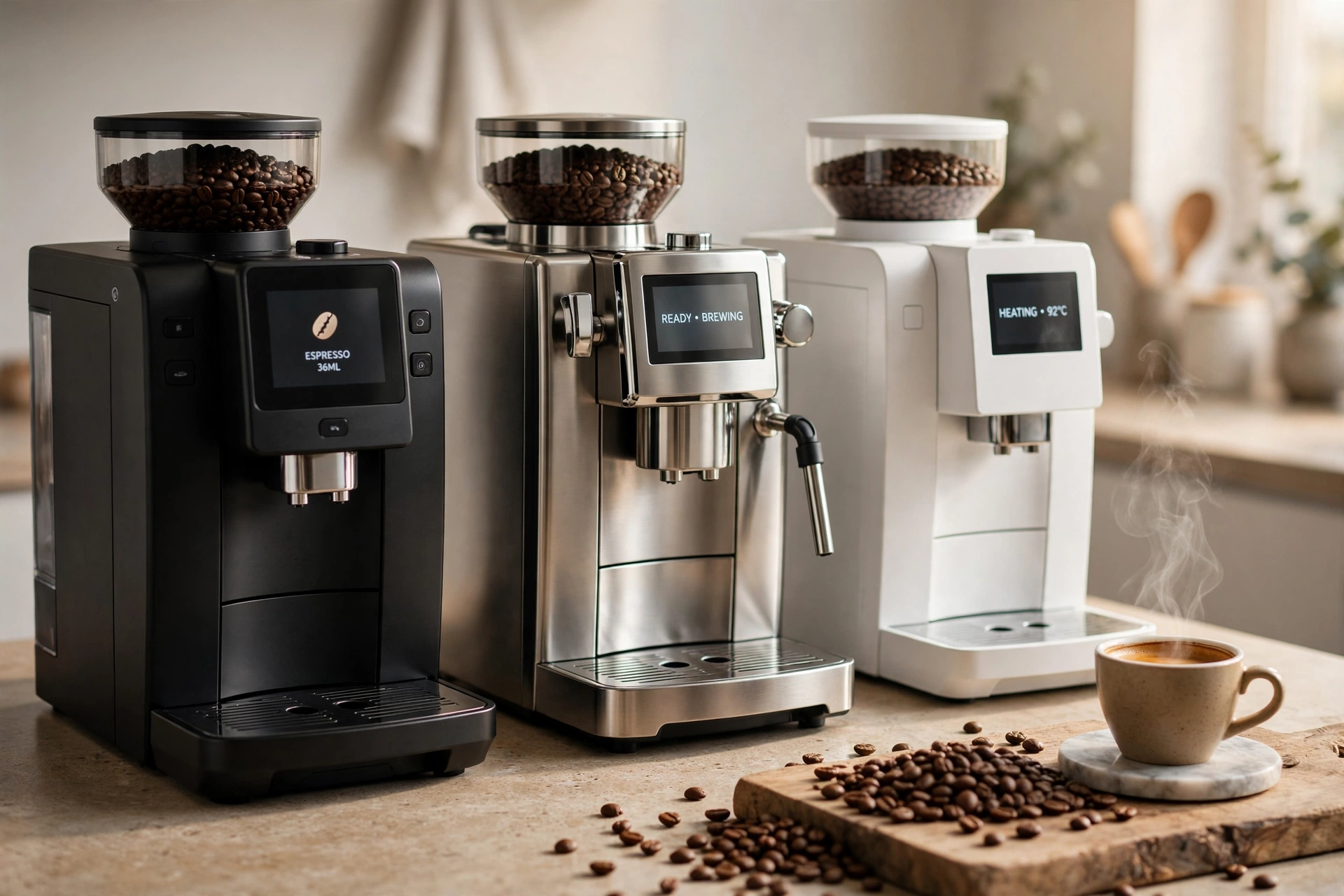
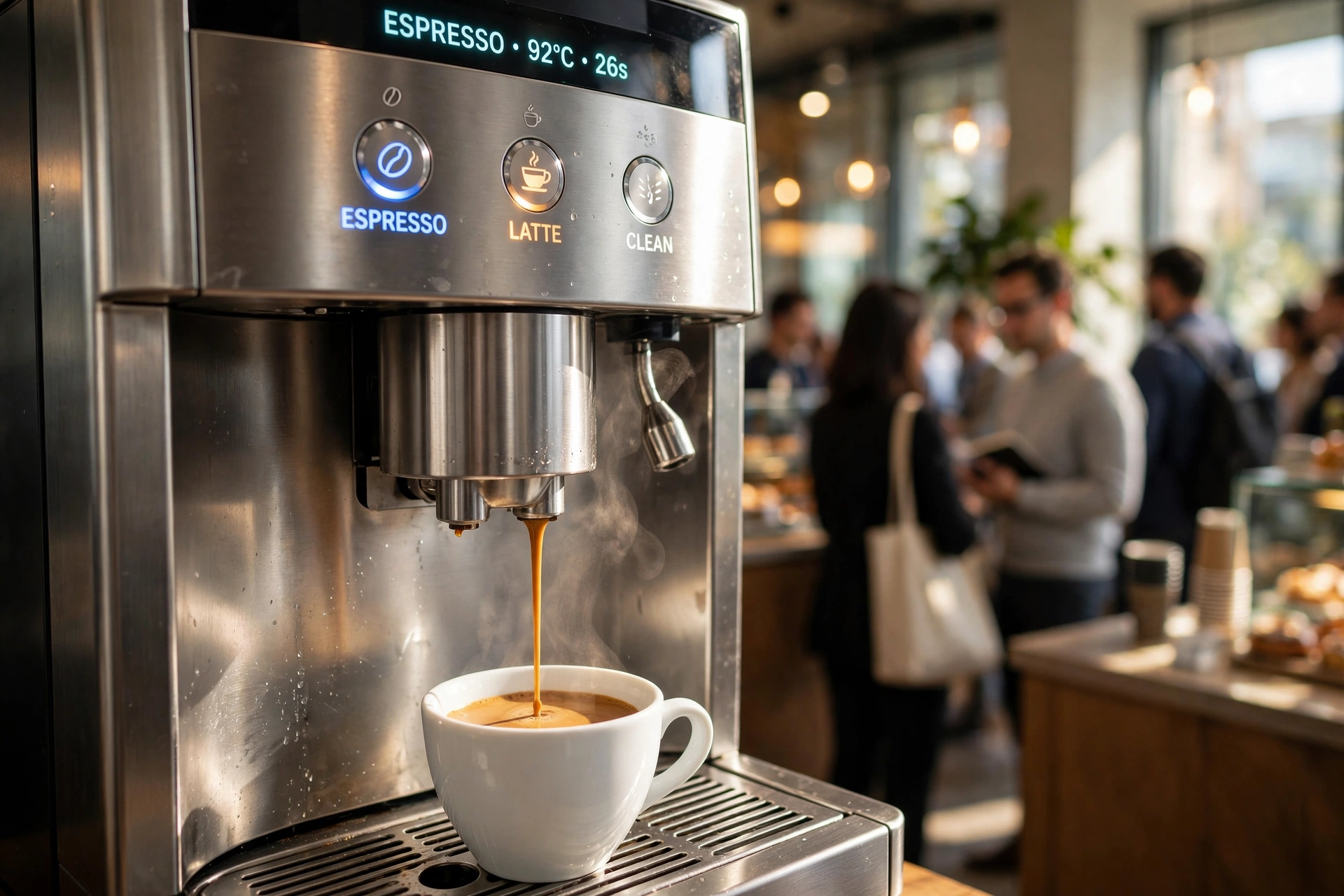
A premium coffee service is an all-inclusive managed beverage program that combines high-end espresso equipment (such as SENSA machines), a consistent supply of specialty-grade roasted coffee, professional installation, and proactive maintenance under a single predictable monthly fee.
The core difference between a standard setup and a premium one is the shift from
ownership to
partnership. In a standard setup, the business owns a machine, buys beans from a wholesaler, and calls a technician when the machine leaks. In a managed premium service, the provider ensures the machine is calibrated, the beans are fresh, and the technical support is preemptive. This is particularly vital for sectors where consistency is non-negotiable, such as those implementing a
foodservice coffee program in Chicago IL: complete guide.
According to the
Specialty Coffee Association (SCA), specialty coffee is defined by a rigorous scoring system where only beans scoring 80 points or above on a 100-point scale qualify. A premium service ensures that this level of quality is maintained through precise temperature control and grind consistency, which are impossible to achieve with consumer-grade equipment. When a business provides "specialty coffee," they are signaling that they adhere to global quality standards, which elevates the entire guest experience.
Why Does the Quality of Coffee Impact the Bottom Line?
The logic behind a premium coffee service is rooted in behavioral economics. The "Halo Effect" suggests that if a customer has a positive experience with one aspect of a business (the coffee), they are more likely to perceive other aspects of the business (the professional service) more favorably.
1. Guest Perception and Brand Equity
In the hospitality sector, the coffee in the lobby is often the first touchpoint of the day. Research by the
National Coffee Association USA (NCA) indicates that coffee consumption patterns are deeply tied to morning rituals and mood regulation. If a hotel provides a low-quality, bitter brew, the guest subconsciously associates that lack of quality with the hotel's overall attention to detail. Conversely, a high-end espresso service suggests a luxury experience. This is why
automatic coffee machines for hotels and hospitality in 2026 are moving toward fully automated, barista-quality systems that eliminate human error.
2. Employee Productivity and Retention
The "watercooler effect" has evolved into the "coffee station effect." Providing high-quality coffee is one of the most cost-effective ways to improve employee morale. When staff have to leave the building to find a "good" cup of coffee, the business loses 15 to 30 minutes of productivity per person, per day. By bringing that experience in-house, companies foster a culture of appreciation.
3. Risk Mitigation and Compliance
Commercial coffee equipment must meet strict health and safety standards. The
NSF International provides certifications (such as NSF/ANSI 4) that ensure equipment is designed to be easily cleaned and prevents contamination. A managed premium service handles these compliance requirements, ensuring that the equipment doesn't become a liability during a health inspection.
The consequence of not acting, staying with a cheap, unmanaged system, is a "death by a thousand cuts." You lose a few minutes of productivity here, a bit of brand prestige there, and eventually, a significant amount of money in emergency repair bills. For businesses in growing hubs, like those seeking
Sensa coffee service in Raleigh NC (2026 overview), the cost of downtime is far higher than the monthly membership fee of a managed service.
How to Transition to a Premium Coffee Model Step-by-Step
Transitioning to a premium service is not as simple as swapping out the beans. It requires a strategic audit of your current volume, your user demographics, and your operational goals.
Step 1: Conduct a Volume and Behavior Audit
Analyze how many cups are served daily and at what times. Are your users looking for a quick black coffee (high volume, low complexity) or a latte (lower volume, high complexity)? Understanding this prevents the mistake of over-investing in capacity or under-investing in variety.
Step 2: Evaluate Equipment Integration
Determine where the coffee station fits into the physical flow of your space. A premium service, like those provided by Busy Bean Coffee, includes professional installation to ensure that power and water lines are optimized. This prevents the common "extension cord nightmare" seen in many offices.
Step 3: Define Your Quality Threshold
Decide if you need a full espresso menu or a simplified high-end drip system. If you are operating a
foodservice coffee program in Rock Hill SC: complete guide, you likely need a versatile system that can handle high throughput without sacrificing the nuance of the roast.
Step 4: Implement a Managed Membership
The most efficient way to scale is through a membership model. Instead of a capital expenditure (CapEx) for a $15,000 machine, you move to an operating expense (OpEx) model. Busy Bean Coffee provides a predictable monthly fee that covers the equipment, the specialty beans, and the maintenance. This stabilizes cash flow and ensures the equipment is always updated.
💡Key Takeaway
The transition from "buying a machine" to "subscribing to a service" removes the technical burden from your staff, allowing them to focus on their primary roles rather than playing "unskilled barista" or "amateur technician."
Comparing Coffee Service Approaches: Which is Right for Your Business?
Many business owners struggle to decide between a DIY approach, a cheap office provider, and a professional managed service. The decision should be based on the cost of failure. In a medical clinic or a luxury hotel, the cost of a broken machine or a bad cup of coffee is high.
| Feature | Traditional DIY Approach | Generic "Cheap" Provider | Busy Bean Managed Service |
|---|
| Initial Cost | High (Purchase cost) | Low/Medium | Zero/Low (Membership) |
| Coffee Quality | Inconsistent | Commodity grade | Specialty Grade (SCA) |
| Maintenance | Reactive (You fix it) | Slow/Paid | Proactive (Included) |
| Scalability | Difficult/Manual | Moderate | Seamless/Managed |
| Brand Impact | Neutral to Negative | Generic | High-End/Professional |
| Best For | Very small offices | Low-budget warehouses | Hotels, Clinics, Professional Firms |
Now, here's where it gets interesting: the "cheap" approach often ends up being more expensive over a 36-month period. When you factor in the cost of replacement parts, the hours spent by employees troubleshooting the machine, and the waste from poorly roasted beans, the generic approach lacks the efficiency of a managed model. For those in the Southeast, such as those looking for
Sensa coffee service in Charlotte, NC, the local support network of a managed provider is a critical advantage that generic national providers cannot match.
Common Misconceptions About Premium Coffee Services
Most guides on corporate coffee get this wrong by focusing only on the "taste" of the coffee. Taste is a byproduct; the real value is in the system.
Myth 1: "Premium coffee is too expensive for a standard office."
This is a misconception of how the math works. When you move to a managed membership, you eliminate the massive upfront capital expenditure. You aren't paying for "fancy coffee"; you are paying for the elimination of downtime and the removal of equipment depreciation from your balance sheet.
Myth 2: "Our staff can just learn to use a professional machine."
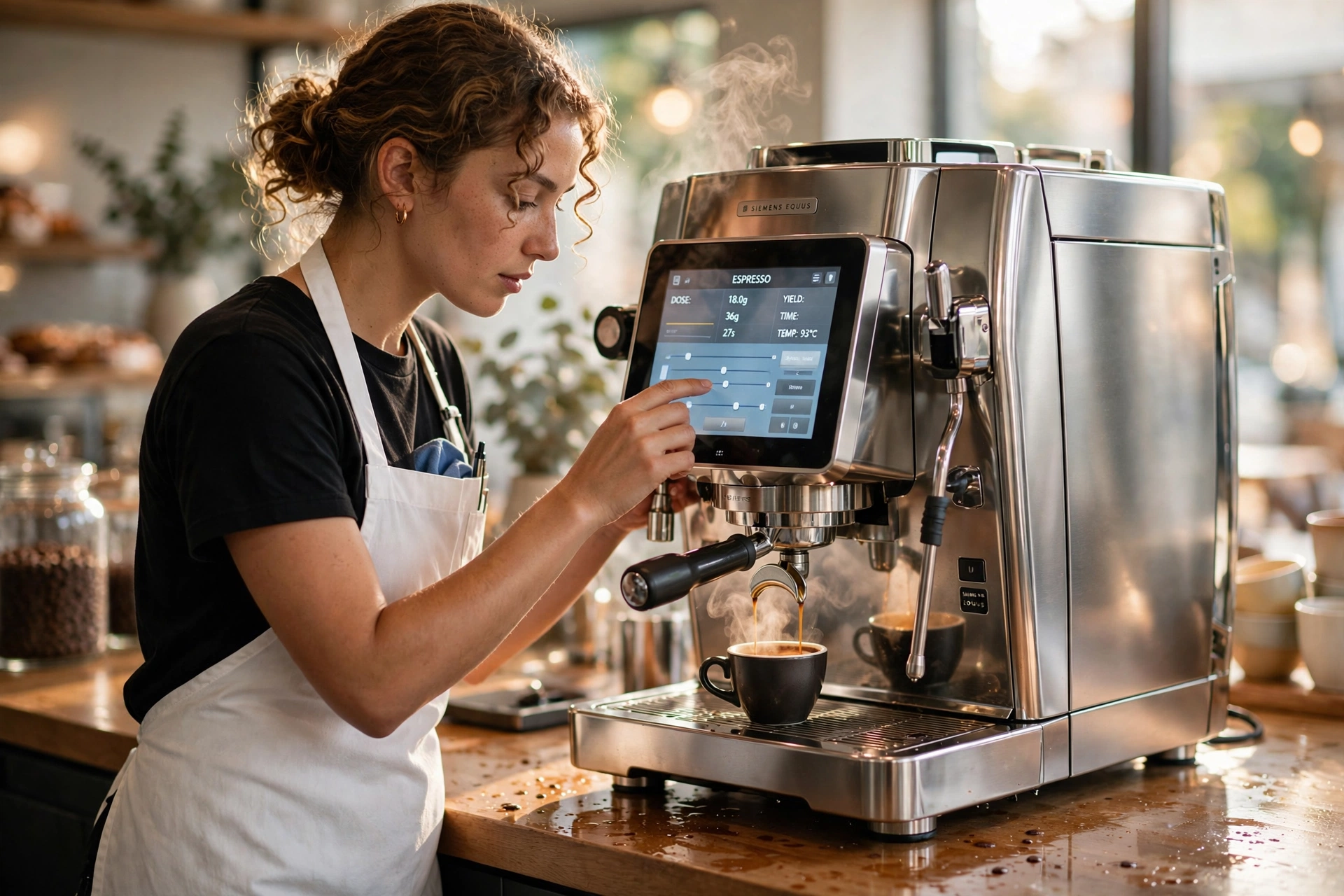
I see this constantly. A business buys a high-end manual machine, and three months later, it's broken because no one knew how to backflush the group head or calibrate the burrs. Professional-grade results require professional-grade consistency. Managed services provide the training and the automated technology (like SENSA) to ensure the 100th cup is as good as the first.
Myth 3: "A basic pod machine is 'premium' enough."
Pod machines are a convenience play, not a quality play. They produce a mediocre cup and create a staggering amount of plastic waste. For a business that wants to project an image of sustainability and quality, especially in areas like those utilizing
Sensa coffee service in Mount Pleasant SC: complete guide, pods are a brand liability.
Frequently Asked Questions
How does a premium coffee service improve customer satisfaction scores?
A
premium coffee service acts as a "quality signal." When a customer tastes a high-quality, specialty-grade espresso, they subconsciously attribute that level of excellence to the rest of your business operations. This is particularly effective in waiting rooms or hotel lobbies where the coffee is the primary interaction for several minutes. By providing a beverage that exceeds expectations, you create a positive emotional anchor, which often results in higher Net Promoter Scores (NPS) and better online reviews.
What is the difference between "commodity coffee" and "specialty coffee" in a business setting?
Commodity coffee is traded as a bulk product where the focus is on volume and low cost, often resulting in over-roasted, bitter beans to hide defects. Specialty coffee, as defined by the
Specialty Coffee Association (SCA), is grown, harvested, and roasted to highlight the unique characteristics of the bean. In a business setting, commodity coffee is a utility, while specialty coffee is an amenity. Using specialty coffee elevates the experience from "having caffeine" to "enjoying a luxury beverage."
Is a managed membership better than owning the equipment outright?
Yes, for most foodservice and professional businesses. Equipment ownership involves high upfront costs and a declining asset value. More importantly, you are responsible for the "technical debt" of the machine. A managed membership shifts the risk to the provider. If a machine fails, the provider is incentivized to fix it immediately to maintain the service level agreement. This transforms a volatile expense into a predictable monthly operating cost, which is significantly better for cash flow management.
How does a premium coffee service impact employee productivity?
The impact is twofold: direct and indirect. Directly, it eliminates the "coffee run," where employees leave the office for 20 minutes to find a quality latte, thereby keeping them on-site and focused. Indirectly, it creates a "third space" within the office, a high-quality hub where spontaneous collaboration happens. When employees feel that their company invests in high-quality amenities, it increases their sense of being valued, which is a key driver of long-term employee retention.
What are the health and safety risks of using unmanaged coffee equipment?
Unmanaged equipment often suffers from scale buildup and bacterial growth in hidden reservoirs. According to the
FDA, food-contact surfaces must be maintained to prevent contamination. A managed service includes regular professional cleaning and descaling schedules that ensure the machine remains compliant with health codes. Without this, you risk not only a bad cup of coffee but also potential health code violations during inspections.
Final Thoughts on Investing in a Premium Coffee Service
The question is not whether you can afford a premium coffee service, but whether you can afford the invisible costs of a mediocre one. From the loss of brand prestige to the operational headache of broken machinery, the "cheap" route is often the most expensive in the long run. By shifting to a managed, specialty-grade ecosystem, you turn a simple beverage into a powerful tool for guest acquisition and employee satisfaction.
Whether you are managing a boutique hotel or a large-scale medical practice, the consistency of your coffee is a reflection of your standards. Don't let a bitter brew be the first thing your clients notice about your business.
To experience the difference a professional managed solution can make, explore the all-inclusive memberships at
Busy Bean Coffee Blog. For those looking for regional specifics, we recommend reviewing our
Sensa coffee service in Charleston SC: complete guide to see how we implement these systems in high-traffic environments.
Ready to Upgrade Your Business Coffee?
Café-quality coffee, zero maintenance headaches, and one predictable monthly price. Let's build your custom coffee program.
Free Coffee Pairing Guide & Specialty Roast Cheat Sheet
Unlock the secrets of perfect brewing ratios, water temperatures, and specialty roast profiles. Download the guide.