How Much Do Automated Coffee Machines Actually Cost in 2026?
Commercial-grade automated coffee machines typically range from $2,500 for entry-level bean-to-cup models to over $25,000 for high-volume, fully autonomous super-automatics. However, the sticker price is often a distraction from the true cost of ownership, which includes consumables, electricity, and the inevitable maintenance cycles. In my experience working with hospitality groups in Mount Pleasant and across the coast, the biggest financial mistake businesses make is choosing a machine based on the initial purchase price rather than the "cost per cup" over a five-year horizon.

What Exactly Are Automated Coffee Machines and How Do They Work?
Before analyzing the price tags, we must define what we are paying for. When we talk about automated coffee machines in a professional context, we aren't talking about a home Keurig; we are discussing sophisticated pieces of engineering designed to maintain consistency across thousands of cycles.
📚
Definition
Automated coffee machines, specifically "super-automatics," are systems that integrate the grinding, dosing, tamping, and brewing processes into a single automated workflow, often including integrated milk frothing systems for lattes and cappuccinos.
These machines rely on a combination of precision grinders and programmable volumetric dosing. The cost is driven by the quality of the burrs (the grinding components) and the stability of the thermoblock or boiler system. A cheap machine uses plastic components that warp under heat, whereas a professional unit uses stainless steel and brass.
According to the Specialty Coffee Association (SCA), the quality of the extraction is heavily dependent on the precision of the grind and water temperature stability. High-end automated machines invest thousands of dollars into PID controllers, digital thermostats that keep water within a fraction of a degree, to ensure that every single shot of espresso tastes the same, regardless of whether it is the first or the five-hundredth cup of the morning.
Now, here's where it gets interesting: the pricing is tiered by "daily volume." A machine rated for 50 cups a day is significantly cheaper because it uses smaller pumps and lighter-duty boilers. If you push a "small office" machine to handle 200 cups a day in a busy restaurant, you will see a total mechanical failure within 12 months. This is the "hidden cost" I see constantly, businesses buying under-specced equipment to save $2,000 upfront, only to spend $5,000 in emergency repairs by the following year.
Why Does the Investment in High-End Automation Matter for Your Bottom Line?
The decision to invest in a premium automated system isn't about luxury; it's about labor costs and waste reduction. In the current 2026 economic climate, the cost of skilled labor is at an all-time high. A traditional manual espresso machine requires a trained barista who understands tamping pressure and milk texture. An automated system removes this variable.
When we analyze the data, the impact is clear. According to the National Coffee Association USA (NCA), consumer demand for specialty-grade beverages in non-traditional settings (offices, hotels, waiting rooms) has surged. This means your customers now expect a "cafe-quality" experience even if the drink is dispensed by a machine. If the quality is poor, you aren't just losing a coffee sale; you are degrading the perceived value of your entire brand.
From a financial perspective, automation attacks "shrinkage." In a manual setup, a barista might waste 10-15% of the coffee beans through dialing-in or poor tamping. Automated systems reduce this waste to nearly zero. If a business processes 100 cups a day, a 10% reduction in bean waste can save upwards of $1,200 per year in raw material costs alone.
Furthermore, the risk of human error is minimized. A burnt milk pitcher or an over-extracted shot of espresso is a wasted product. By utilizing a machine that adheres to the rigorous standards of the NSF International for food safety and equipment durability, you ensure that the machine doesn't become a liability. The real implication here is that high-end automated coffee machines shift your expenditure from "variable labor and waste" to "fixed capital investment," which is far easier to manage on a balance sheet.
How Do You Calculate the Total Cost of Ownership (TCO)?
Calculating the cost of automated coffee machines requires looking beyond the invoice. To get a real number, you need to factor in the "Lifecycle Cost," which includes installation, water filtration, energy, and the "deep clean" cycles.
Here is the step-by-step approach I recommend to my clients to determine if a machine fits their budget:
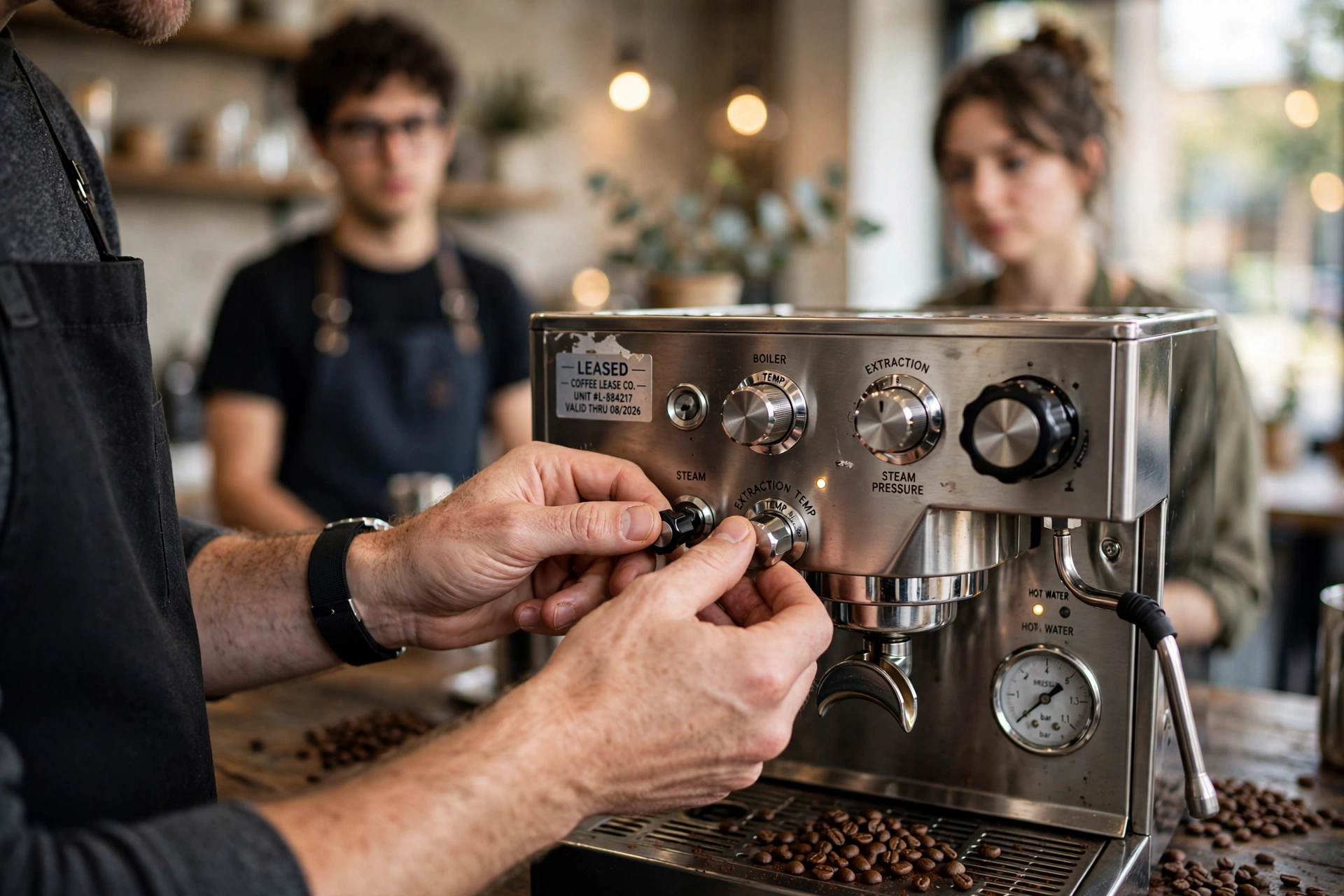
- The Hardware Acquisition: Determine if you are buying outright or leasing. A $10,000 machine paid in full is one thing; a $300 monthly lease with a managed service is another.
- Water Treatment Costs: This is the most overlooked expense. You cannot plug a professional machine into a standard tap. You need a reverse osmosis (RO) or high-grade carbon filtration system. According to FDA guidelines on food safety, water quality is paramount. Poor water leads to scale buildup, which can destroy a $15,000 boiler in less than two years. Expect to spend $500-$1,500 on initial filtration and $200/year on filter replacements.
- Consumables and Cleaning Agents: Automated machines require specific detergents for the milk circuits and tablets for the brew group. This typically adds $30-$80 per month.
- The Maintenance Contract: A professional machine needs a "Preventative Maintenance" (PM) visit every 6 months. This involves replacing gaskets and adjusting the grinder.
At Busy Bean Coffee, we've found that the traditional "buy and hope" model is broken. This is why we offer an all-inclusive managed coffee membership. Instead of worrying about a $2,000 surprise repair bill when a pump fails, our clients pay one predictable monthly fee that covers the SENSA equipment, installation, and full maintenance. It transforms an unpredictable capital expense into a stable operational expense.
💡
Key Takeaway
Never buy a commercial automated machine without a dedicated water filtration strategy; scale buildup is the number one killer of expensive coffee hardware and is rarely covered by standard warranties.
Comparing the Different Tiers of Automated Coffee Systems
Not all automation is created equal. Depending on whether you are running a small boutique hotel in Mount Pleasant or a high-traffic corporate headquarters, your needs will differ.
| Feature | Entry-Level Automated | Mid-Range Professional | Enterprise Super-Automatic |
|---|---|---|---|
| Typical Cost | $2,500-$6,000 | $7,000-$15,000 | $16,000-$30,000+ |
| Daily Capacity | 20-50 Cups | 50-150 Cups | 200+ Cups |
| Milk System | Basic Steam/Froth | Automatic Texture | Dual-Boiler / Multi-Wand |
| Grinder Quality | Standard Steel | Ceramic/Hardened Steel | Industrial Grade |
| Best For | Small Offices / B&Bs | Cafes / Mid-Sized Hotels | Large Corporate / High Volume |
The "Entry-Level" systems are often "prosumer" machines. They look the part but lack the thermal mass to handle a rush. If you try to serve 20 people in 10 minutes, the temperature will drop, and the coffee will taste sour.
The "Mid-Range" is the sweet spot for most foodservice businesses. These machines offer the best balance of speed and quality. They typically feature programmable recipes, allowing you to set the exact weight of the coffee bean and the volume of water, ensuring consistency across different shifts.
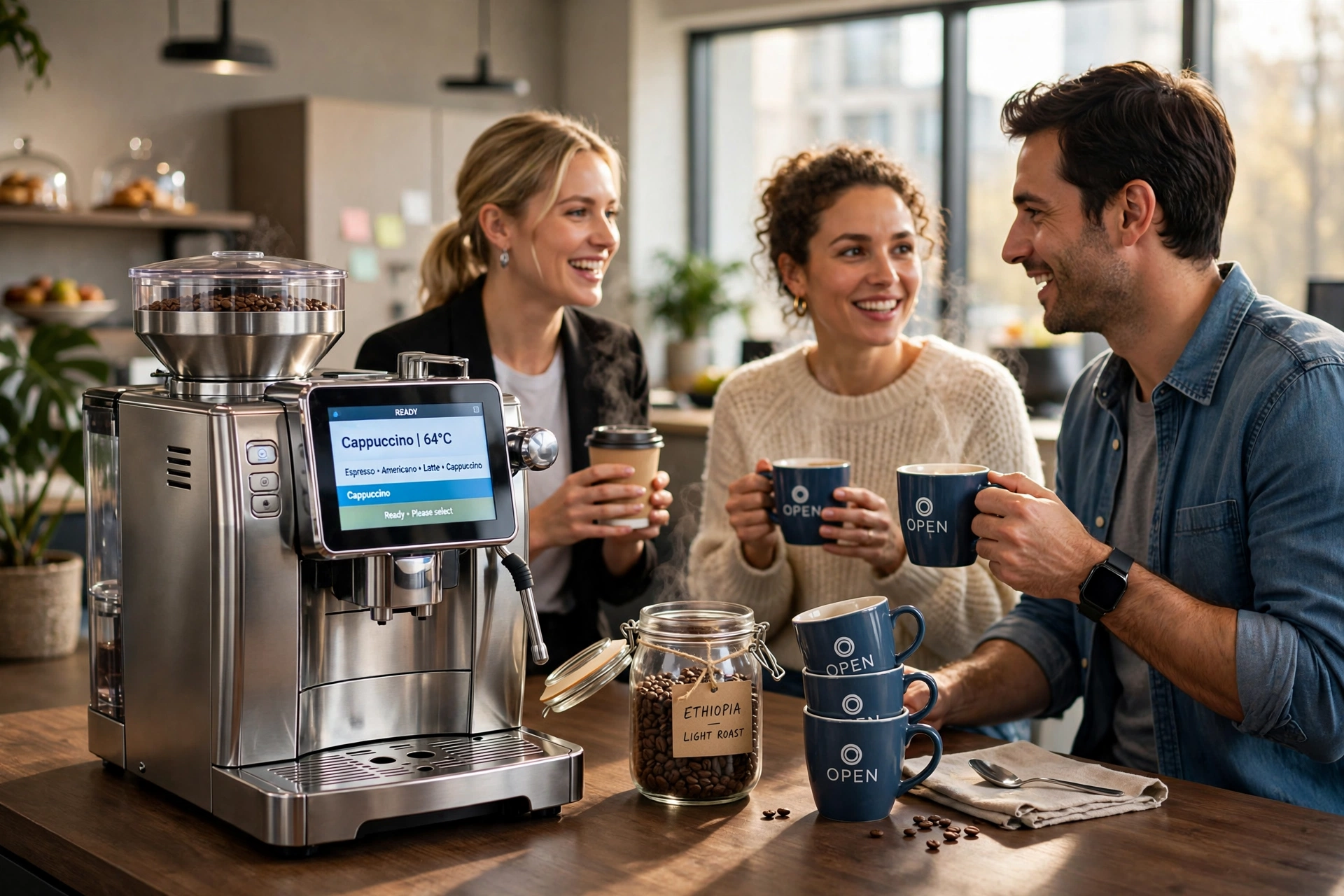
The "Enterprise" systems are essentially robotic cafes. They can handle multiple milk types, huge water reservoirs, and often have touchscreen interfaces that allow for telemetry, meaning the owner can see exactly how many cups were sold from a remote dashboard. These are essential for high-volume environments where downtime is measured in thousands of dollars of lost revenue.

Common Misconceptions About Automated Coffee Costs
Most guides get this wrong: they treat the machine like a microwave, something you buy and use until it breaks. But a professional coffee system is more like a car; the purchase price is just the entry fee.
Myth 1: "Cheaper machines save you money in the long run."
This is a fallacy. A $3,000 machine that breaks every six months and produces mediocre coffee actually costs more than a $12,000 machine that lasts a decade and drives customer loyalty. I've seen businesses replace "budget" machines three times in five years, spending more in total than they would have on a single high-end unit.
Myth 2: "Automated coffee can't be 'Specialty Grade'."
For a long time, this was true. But with the advent of precision grinding and PID temperature control, you can now achieve Coffea arabica specialty standards in an automated format. As long as the machine respects the golden ratio of coffee-to-water and the beans are freshly roasted, the difference between a manual and an automated pull is negligible to 95% of consumers.
Myth 3: "Maintenance is just about cleaning the drip tray."
Absolute nonsense. Professional maintenance involves "descaling" the internal pipes and replacing the rubber gaskets that seal the brew group. If these gaskets aren't replaced, the machine loses pressure, the extraction fails, and the coffee tastes watery.
Frequently Asked Questions
How much does it actually cost per cup with an automated machine?
When you factor in the cost of high-quality specialty coffee beans, electricity, and the amortized cost of the machine, a professional automated cup typically costs between $0.45 and $1.10. The variation depends on the quality of the bean (e.g. organic Arabica vs. blend) and the volume of drinks produced. For businesses, this represents a massive margin when the retail price is between $3.00 and $6.00.
Do I need a plumber to install these machines?
In most professional setups, yes. While some entry-level machines have internal tanks, any machine capable of handling more than 50 cups a day needs a direct water line connection. This ensures a constant supply of filtered water and allows for the installation of a drainage line for the drip tray. Trying to manually refill a tank in a high-volume environment is a labor nightmare and leads to frequent "empty tank" downtimes.
How long do automated coffee machines typically last?
A well-maintained professional machine can last 7 to 12 years. However, the "effective life" is shorter if maintenance is ignored. Without annual servicing, the internal pumps often fail around the 4-year mark. Using a managed service like the one provided by Busy Bean Coffee extends the lifespan because we perform preventative maintenance before parts actually break.
Is it cheaper to lease or buy an automated coffee machine?
Leasing is almost always better for cash flow. Buying a $15,000 machine is a heavy hit to your capital expenditure (CAPEX). Leasing or using a membership model converts this into an operating expense (OPEX), which is often tax-deductible. More importantly, leasing typically includes a "refresh" clause, allowing you to upgrade to newer technology every few years without owning obsolete hardware.
Why are some automated machines so much more expensive than others?
The price difference usually comes down to three things: Build Material, Thermal Stability, and Grinder Precision. A cheap machine uses aluminum and plastic; an expensive one uses 304-grade stainless steel. An expensive machine also has multiple boilers (one for brewing, one for steaming), which means you can make a latte without waiting for the machine to "recover" its temperature between the espresso and the milk.
Final Thoughts on Automated Coffee Machines
When determining how much automated coffee machines cost, you must stop looking at the price tag and start looking at the ROI. A machine that delivers consistent, specialty-grade coffee reduces labor costs, eliminates waste, and increases customer satisfaction. Whether you are serving guests in a Mount Pleasant hotel or employees in a corporate office, the goal is the same: high-quality caffeine without the high-stress management of manual equipment.
If you are tired of unpredictable repair bills and the hassle of sourcing beans and filters separately, the smartest move is to move away from ownership and toward a managed solution. At Busy Bean Coffee, we provide the equipment, the roast, and the maintenance for one predictable fee.
Stop guessing your costs and start optimizing your beverage service. Visit www.busybeancoffee.com to see how our managed coffee membership can simplify your business operations.
Free Coffee Pairing Guide & Specialty Roast Cheat Sheet
Unlock the secrets of perfect brewing ratios, water temperatures, and specialty roast profiles. Download the guide.