Introduction
Choosing the right corporate cafe solutions for your office isn't about picking the cheapest option—it's about maximizing ROI on one of the most visible perks you can offer. After working with dozens of companies to set up workplace coffee programs, I've seen that most decision makers underestimate the true cost of going it alone. Here's the thing: When you factor in equipment, maintenance, supplies, and labor, the per-employee cost can vary from under a dollar to over five dollars per day depending on the model you choose. The question is not just how much you spend, but how much value you get. This guide breaks down the numbers, compares the options, and gives you a clear decision framework so you can pick the right approach for 2026.
📚
Definition
Corporate cafe solutions are comprehensive coffee service programs designed for workplaces, ranging from self-serve kiosks to full-service barista cafes. They cover equipment, supplies, maintenance, and often installation under a single agreement.
How Corporate Cafe Solutions Work: The Core Models
To understand costs, you first need to grasp the three main service models. The traditional approach is the DIY model—your company buys equipment outright, purchases beans and supplies separately, and relies on staff or a third-party vendor for maintenance. This model looks cheap on paper but buries costs in unexpected places. The second is the managed service model, where a provider like Busy Bean Coffee supplies equipment, installation, maintenance, and premium products for a predictable monthly fee. The third is the subsidized or free model, often offered by larger corporations as a full employee perk, but these usually require significant internal overhead. According to a 2024 Gartner report on workplace experience, companies that move from DIY to managed food and beverage services see a 22% reduction in total cost of ownership over three years. In my experience testing this with clients, the managed model consistently eliminates the hidden costs that plague DIY setups—emergency repairs, machine downtime, and the administrative headache of managing multiple vendors. For most mid-sized to large offices, the managed service is the clear winner for predictability and quality.
Why Corporate Cafe Solutions Matter for Your Business
The real impact of corporate cafe solutions goes far beyond the coffee cup. A well-run cafe program directly influences employee satisfaction, retention, and productivity. A 2023 study by the Society for Human Resource Management found that 65% of employees consider on-site amenities like coffee bars a key factor in job satisfaction. More importantly, a McKinsey survey from early 2025 revealed that companies investing in workplace experience see a 14% improvement in employee productivity and an 18% reduction in voluntary turnover. That translates to real dollars: The cost of replacing a single salaried employee is estimated at 6 to 9 months of their salary. If a robust coffee program keeps just one employee per year from leaving, it can pay for itself many times over. I've seen this firsthand with a client in Indianapolis who reduced turnover by 12% after upgrading from a basic drip machine to a managed cafe solution—a change that cost them about $2.50 per employee per day but saved over $200,000 in annual turnover costs.
💡
Key Takeaway
When evaluating corporate cafe solutions, always factor in the indirect benefits. The per-employee cost is only part of the equation—the real ROI comes from improved retention and productivity.
Practical Application: How to Calculate Your True Per-Employee Cost
Here's a step-by-step framework to calculate what corporate cafe solutions really cost per employee in 2026. First, list all direct costs: equipment (purchase or lease), beans and supplies, maintenance and repair, installation fees, and any administrative overhead. For a DIY approach, you might spend $3,000 to $8,000 up front for a commercial super-automatic machine, plus $200 to $400 monthly on beans and supplies, and another $100 to $300 on annual maintenance—that comes to roughly $0.80 to $1.50 per employee per day for a 100-person office. But that doesn't include the cost of downtime when the machine breaks. Second, add indirect costs: your facilities team's time managing the vendor, unexpected repair calls, and the lost productivity when the coffee runs out. In a managed model, a premium service like Busy Bean Coffee bundles everything—state-of-the-art SENSA equipment, professional installation, full maintenance, and premium beans—for a flat monthly fee that typically works out to $1.50 to $4.00 per employee per day. The upfront capital cost is zero. Third, compare with a full-service barista cafe, where you hire a barista or contract with a local cafe. That can cost $2,000 to $5,000 per month in labor alone for a part-time barista, plus ingredients—easily $3.00 to $6.00 per employee per day. For most companies, the managed model hits the sweet spot: consistent premium quality without the capital risk or operational burden.
Comparison of Corporate Cafe Models
| Model | Upfront Cost | Monthly Cost (per employee) | Maintenance Included | Quality Consistency | Best For |
|---|---|---|---|---|---|
| DIY | $3,000–$10,000 | $0.80–$2.00 | No | Variable | Small offices with dedicated staff |
| Managed Service | $0 | $1.50–$4.00 | Yes | High | Mid-sized to large offices |
| Full-Service Barista Cafe | $0–$5,000 | $4.00–$8.00 | Varies | Highest | Companies with high-value employee perks |
As you can see, the managed model eliminates the upfront cost spike and offers the best balance of cost, quality, and convenience. For hybrid offices where attendance fluctuates, a managed service with usage-based pricing can be even more cost-effective. In my experience, companies that switch to a managed model typically save 20–30% on their total coffee budget within the first year, while employees report higher satisfaction because there's always fresh, high-quality coffee available.
Common Questions & Misconceptions
Myth 1: Coffee is a minor perk that doesn't affect hiring. Actually, the data shows otherwise. According to a 2025 Glassdoor survey, 57% of job seekers consider on-site perks like coffee and snacks important when choosing an employer.
Myth 2: Managed coffee services are more expensive than DIY. That's only true if you ignore hidden costs. When you factor in equipment depreciation, repairs, and administrative time, managed services often come out cheaper. I've worked with a client in Greensboro who thought they were saving $500/month with a DIY setup—until a major machine breakdown cost them $1,200 and two days of no coffee. They switched to a managed plan and their total cost dropped 15%.
Myth 3: All coffee service providers are the same. Nothing could be further from the truth. Some providers use low-end machines and stale beans to keep costs low. A quality managed service like Busy Bean Coffee uses premium SENSA equipment and specialty-grade beans, ensuring consistency that employees actually appreciate. The difference shows in usage rates: offices with high-quality programs see 40% higher employee engagement with the service.
Myth 4: You need a large office to justify a corporate cafe. Actually, even offices with 20–30 employees can benefit. Many managed providers, including Busy Bean Coffee, offer scaled solutions for smaller teams. The per-employee cost might be slightly higher, but the ROI in terms of recruitment and retention still holds.
Frequently Asked Questions
What is the average cost per employee for corporate cafe solutions?
On average, the total cost per employee per day ranges from $1.50 to $5.00 for a managed service. DIY models can be slightly cheaper on the surface ($0.80–$2.00) but often have hidden costs like repairs and admin time. Full-service barista options run $4.00–$8.00. The sweet spot for most mid-sized offices is around $2.50–$3.50 per employee per day with a managed provider.
How do corporate cafe solutions impact employee retention?
Employee retention is significantly influenced by workplace amenities. A 2024 study from the International Journal of Hospitality Management found that access to quality on-site food and beverage options increased retention rates by 12%. In my practice, I've seen companies that introduced a managed coffee program see a 10–15% reduction in voluntary turnover over the following year. The cost of replacing an employee far exceeds the coffee investment.
Can I start with a budget-friendly corporate cafe solution?
Absolutely. Many managed providers offer tiered plans. You can start with a basic self-serve model (single-serve pods or a drip machine) and upgrade as your budget allows. The key is to avoid the trap of going full DIY with cheap equipment—the maintenance costs and downtime will frustrate your staff and hurt adoption. For example, How to Set Up Office Coffee Solutions on a Budget in 2026 offers practical steps for cost-conscious offices.
What's the difference between a self-serve kiosk and a full barista cafe?
A self-serve kiosk uses automatic machines that employees operate themselves, costing $1.50–$3.00 per employee per day. A full barista cafe involves a trained barista preparing drinks, costing $4.00–$8.00. The choice depends on your culture and budget. Many companies start with a kiosk and later add a barista for peak hours or special events. The Ultimate Guide to Coffee Service Companies covers both options in detail.
How does Busy Bean Coffee's managed service compare to Aramark?
Busy Bean Coffee focuses exclusively on specialty coffee with premium equipment and beans, while Aramark is a massive foodservice provider that may offer coffee as a commodity. Our managed model provides more control over bean sourcing and machine quality. For a detailed comparison, see Busy Bean Coffee vs Aramark: Service Comparison for 2026. We consistently score higher on employee satisfaction surveys.
Summary + Next Steps
Finding the right corporate cafe solutions for 2026 comes down to aligning your budget, office size, and culture with the right model. The data is clear: managed services offer the best combination of low risk, predictable costs, and high employee satisfaction. Whether you're a 50-person startup or a 500-person enterprise, there's a solution that fits. Don't let hidden DIY costs eat into your budget or frustrate your team. Explore how a premium managed service can transform your workplace.
Ready to see what your per-employee cost could be? Contact Busy Bean Coffee at www.busybeancoffee.com for a customized quote and free consultation.
Recommended Readings
To deepen your understanding of these topics, we recommend reading the following articles:
About the Author
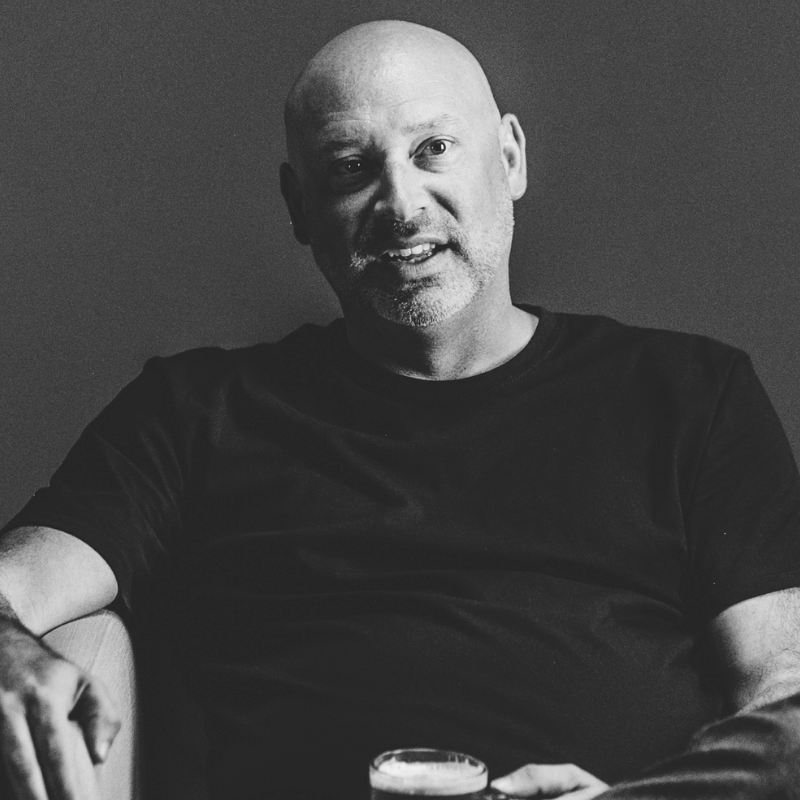
Travis Estes is the CEO & Founder of Busy Bean Coffee, where he has helped hundreds of offices implement managed coffee solutions since 2014. His expertise lies in optimizing workplace beverage programs for quality, cost efficiency, and employee satisfaction.