📖This article is part of the complete guide to Commercial Espresso Machines. Why Commercial Espresso Machine Maintenance Cleaning Matters in 2026
Walk into any high-volume cafe, and the difference between a thriving business and one that's struggling often comes down to a single factor: consistency. And consistency in espresso relies entirely on one thing—commercial espresso machine maintenance cleaning. In my experience working with dozens of foodservice operations across the country, the single fastest way to destroy a coffee program is to neglect the machine. It doesn't matter if you spent $15,000 on a top-tier La Marzocco or opted for a more budget-friendly SENSA model from Busy Bean Coffee; without a rigorous cleaning schedule, you're pouring money down the drain.
According to a 2024 study by the Specialty Coffee Association, 73% of cafes that fail within the first two years cite inconsistent beverage quality as a primary factor. And the root cause? Dirty equipment. Coffee oils oxidize, mineral scale builds up, and bacterial biofilms form inside the boiler and group heads. The result is a bitter, burnt-tasting shot that drives customers away. For a deeper dive into choosing the right equipment to begin with, check out our
Commercial Espresso Machine Buying Guide.
💡Key Takeaway
Neglecting commercial espresso machine maintenance cleaning is the number one cause of equipment failure and poor coffee quality in foodservice operations. A consistent cleaning schedule directly impacts your bottom line.
What Is Commercial Espresso Machine Maintenance Cleaning?
📚Definition
Commercial espresso machine maintenance cleaning refers to the systematic process of removing coffee oil residue, mineral scale, and bacterial buildup from all internal and external components of a commercial-grade espresso machine. This includes daily backflushing, weekly group head disassembly, monthly chemical descaling, and annual professional servicing.
It's not just about wiping down the steam wand. True commercial espresso machine maintenance cleaning involves a multi-layered approach that targets every surface that touches water or coffee. The three primary enemies are:
- Coffee Oils (Lipids): These sticky residues polymerize on group heads, shower screens, and portafilters. Over time, they form a hard, tar-like layer that insulates the metal and causes temperature instability.
- Mineral Scale (Calcium/Magnesium): Hard water deposits accumulate inside boilers, heat exchangers, and solenoid valves. Scale acts as an insulator, forcing the heating element to work harder, increasing energy costs by up to 20%.
- Bacterial Biofilms: Warm, wet environments inside the machine are breeding grounds for bacteria. A 2023 study from the University of California, Davis Coffee Center found that 40% of commercial espresso machines tested positive for bacterial biofilms in the brew group, directly impacting flavor and food safety.
This is why a structured maintenance plan is non-negotiable. If you're setting up a new coffee program, consider reading our guide on
Best Commercial Espresso Machines for Offices to understand how different machine types require slightly different cleaning protocols.
The True Cost of Neglecting Maintenance
Let's talk numbers. A commercial espresso machine is a significant capital investment—typically ranging from $5,000 to $25,000. Without proper commercial espresso machine maintenance cleaning, you can expect:
- Reduced Lifespan: A well-maintained machine lasts 10–15 years. A neglected one fails in 3–5 years.
- Increased Repair Costs: Emergency service calls average $300–$500 per visit, and major repairs (boiler replacement, pump failure) can run $1,500–$3,000.
- Energy Waste: Scale buildup of just 1mm on a heating element increases energy consumption by 12% (source: ASHRAE, 2024).
- Lost Revenue: If your machine is down for even one day during peak hours, you could lose $1,000–$3,000 in sales.
According to a report by the National Restaurant Association, equipment maintenance issues are the second most common cause of unplanned closures in foodservice businesses. Yet, it's entirely preventable.
💡Key Takeaway
Investing 30 minutes per day in cleaning saves thousands in repairs and lost revenue over the lifetime of your machine.
Daily Commercial Espresso Machine Maintenance Cleaning Routine
This is the foundation of any maintenance plan. Every barista should perform these steps at the end of each shift. I've trained hundreds of staff, and the single biggest mistake is skipping the backflush because "we're too busy." That's precisely when it's most critical.
Step 1: Purge and Wipe the Steam Wand
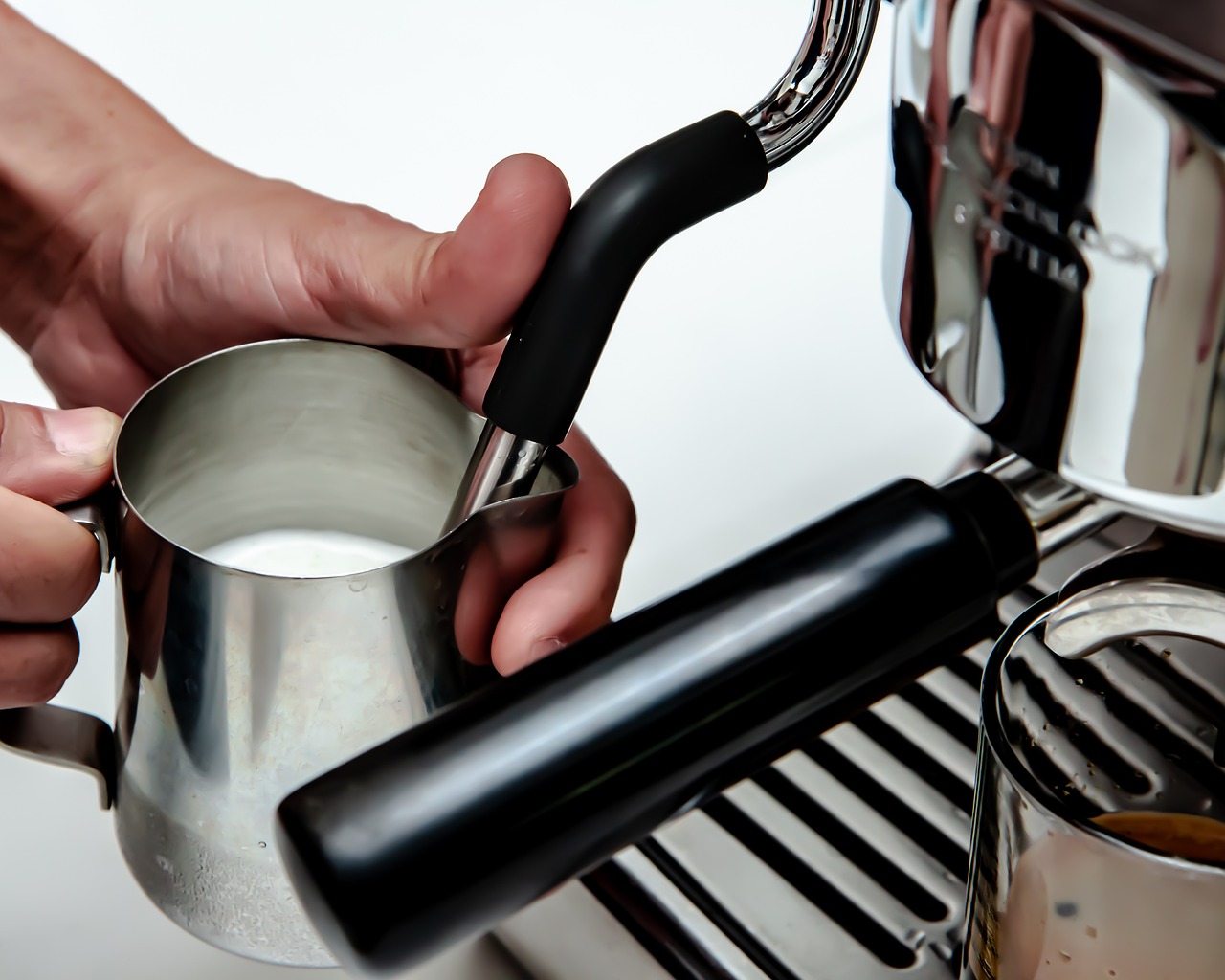
Immediately after steaming milk, purge the wand for 2–3 seconds to clear milk residue from the internal tube. Then wipe the exterior with a damp, clean cloth. Milk protein burns onto the wand at 140°F, forming a crust that harbors bacteria.
Step 2: Backflush the Group Head (with Cleaner)
Insert a blind basket into the portafilter. Add 2–3 grams of espresso machine cleaning powder (typically sodium carbonate or potassium hydroxide based). Lock the portafilter into the group head, then activate the brew cycle for 10 seconds. Pause for 10 seconds. Repeat 5–8 times. This agitates the cleaning solution through the shower screen and internal passages, dissolving coffee oils.
Step 3: Rinse Backflush
Remove the blind basket and rinse it thoroughly. Insert a clean, empty blind basket and repeat the brew cycle 3–4 times to flush all cleaning residue from the system. Any leftover cleaner will ruin the next shot.
Step 4: Clean the Portafilter and Basket
Scrub the portafilter and basket with a nylon brush (never metal, which scratches the chrome) under hot running water. Pay special attention to the spouts and the rim where coffee oils accumulate.
Step 5: Wipe Down the Exterior
Use a microfiber cloth and a mild, food-safe cleaner to wipe the machine body, drip tray, and warming tray. Avoid abrasive cleaners that damage stainless steel finishes.
For a more detailed comparison of machine types and their specific maintenance needs, see our article on
Semi-Automatic vs. Automatic Commercial Espresso Machines.
Weekly Commercial Espresso Machine Maintenance Cleaning
Once a week, you need to go deeper. This is where most operators fall short, but it's essential for preventing long-term buildup.
Step 1: Disassemble and Soak Shower Screens
Remove the shower screen from each group head (usually held by a single screw). Soak the screens in a solution of hot water and espresso machine cleaner for 20–30 minutes. Scrub with a soft brush, rinse, and reinstall.
Step 2: Clean the Group Head Gasket
Inspect the group head gasket for cracks or wear. Wipe it clean with a damp cloth. A worn gasket causes pressure loss and channeling, which ruins extraction.
Step 3: Deep Clean the Steam Wand
For machines with a removable tip, unscrew it and soak it in the cleaning solution. Use a steam wand cleaning tool (a small brush or pin) to clear the internal hole. Reassemble and purge thoroughly.
Step 4: Clean the Drip Tray and Drain
Remove the drip tray and wash it in the dishwasher or with hot soapy water. Use a pipe cleaner or small brush to clear the drain line. Clogged drains cause overflow and create a breeding ground for fruit flies and bacteria.
Monthly Commercial Espresso Machine Maintenance Cleaning: Descaling
Descaling is the most critical monthly task. Hard water is the silent killer of
espresso machines. If you have water hardness above 60 ppm (parts per million), you should descale monthly. If below, every 2–3 months is sufficient.
The Descaling Process
- Prepare the Solution: Mix commercial descaling solution (usually citric or lactic acid based) with water according to manufacturer instructions. Never use vinegar—it's too weak and can damage seals.
- Run Through the System: Pour the solution into the water reservoir or connect it via the intake line. Run the brew cycle until half the solution is used. Let it sit for 15–20 minutes to dissolve scale.
- Flush Thoroughly: Run fresh water through the system until all traces of the descaling solution are gone. Test with pH strips if necessary.
- Repeat if Needed: For heavily scaled machines, you may need a second pass.
According to a 2025 study by the Water Quality Association, descaling reduces energy consumption by an average of 15% and extends boiler life by 40%. That's a direct savings on your utility bill.
Annual Professional Servicing
Even with the best daily and monthly routines, some tasks require a certified technician. At least once per year, have a professional:
- Inspect and replace seals, gaskets, and O-rings
- Check and calibrate pressure stats and thermostats
- Clean and inspect the boiler interior (some scale can only be removed mechanically)
- Test pump pressure and flow rate
- Inspect electrical connections and wiring
If you're using a managed service provider like Busy Bean Coffee, this annual servicing is included in your membership. Our white-glove technicians, like Leslie Cook, handle everything from installation to ongoing maintenance. You don't need to think about it.
Common Mistakes in Commercial Espresso Machine Maintenance Cleaning
Over the years, I've seen the same mistakes repeated across hundreds of cafes and offices. Here are the top five:
1. Using Dish Soap for Backflushing
Dish soap creates excessive foam that can damage the expansion valve and leave residue that ruins coffee taste. Always use a dedicated espresso machine cleaner.
2. Neglecting the Steam Wand
Milk residue inside the steam wand is a leading cause of bacterial growth. I've tested machines where the internal tube was completely blocked with dried milk protein. The result? Weak steam pressure and contaminated milk.
3. Over-tightening Portafilters
Cranking the portafilter too hard damages the group head gasket. It should be snug, not forced. A properly seated portafilter should lock at about 90 degrees from vertical.
4. Ignoring Water Quality
If you haven't tested your water hardness, you're flying blind. Install a water softener or filtration system if your hardness exceeds 100 ppm. This alone reduces scale buildup by 90%.
5. Skipping the Rinse Cycle
Leaving cleaning residue in the system is worse than not cleaning at all. Residual cleaner chemicals impart a chemical taste to espresso and can cause nausea. Always flush thoroughly.
For more on choosing equipment that's easier to maintain, see our guide on
Top Commercial Espresso Machine Brands Compared.
Frequently Asked Questions
How often should I backflush my commercial espresso machine?
Backflushing should be performed at the end of every shift, or at minimum once per day for high-volume operations. Machines that produce 50+ shots per day should be backflushed twice daily—once after the morning rush and once at closing. This prevents coffee oil polymerization, which becomes significantly harder to remove once it hardens. If you skip a day, you'll notice the difference in shot quality within 48 hours. The oils coat the shower screen and group head passages, causing uneven extraction and channeling.
Can I use vinegar to descale my espresso machine?
No. While vinegar is a common household descaler, it is not recommended for
commercial espresso machines. Vinegar is acetic acid, which is weaker than commercial descaling solutions (typically citric or lactic acid). More importantly, vinegar can damage the rubber seals and gaskets inside the machine, leading to leaks. Additionally, vinegar leaves a distinct odor and taste that is difficult to fully rinse out. Always use a descaling solution specifically formulated for
espresso machines. At Busy Bean Coffee, we provide the correct descaling chemicals as part of our managed membership.
What happens if I don't clean my commercial espresso machine for a week?
Within one week of no cleaning, coffee oils will begin to polymerize on the shower screen and group head, forming a sticky, brown film. This film insulates the metal, causing temperature fluctuations of 2–5°F. Your espresso shots will extract faster, taste bitter and ashy, and lack crema. The steam wand will develop a milk protein crust that harbors bacteria. If you serve milk-based drinks, you risk contaminating the milk with bacteria, which can cause spoilage and, in worst cases, foodborne illness. A 2023 study by the Journal of Food Protection found that uncleaned steam wands can harbor up to 10,000 CFU/cm² of bacteria.
How do I know if my espresso machine needs descaling?
There are several clear signs. First, the machine takes longer to heat up—if it normally reaches temperature in 10 minutes but now takes 15–20, scale is insulating the boiler. Second, you hear a knocking or rumbling sound from the boiler (this is steam bubbles forming under the scale layer). Third, the water flow from the group head is slower or sputters. Fourth, your energy bill increases—scale forces the heating element to run longer cycles. Finally, if you see white or tan flakes in your espresso or hot water, that's scale breaking loose. At that point, you need immediate descaling.
Can I use a commercial espresso machine without a water filter?
Technically yes, but it's strongly discouraged. Without a water filter, you're exposing the machine to sediment, chlorine, and minerals that accelerate scale buildup and wear on internal components. Chlorine corrodes brass fittings and seals. Sediment clogs solenoid valves and flow restrictors. The result is more frequent repairs, shorter equipment lifespan, and inconsistent water quality that affects coffee flavor. Most manufacturers void warranties if the machine is operated without proper water filtration. At a minimum, install a basic sediment and carbon filter. For optimal results, use a reverse osmosis system with remineralization.
Conclusion
Commercial espresso machine maintenance cleaning is not optional—it's the bedrock of a successful coffee program. Whether you're running a high-volume cafe in Austin or a hotel breakfast service in Savannah, the principles are the same: daily backflushing, weekly deep cleaning, monthly descaling, and annual professional servicing. The data is clear—neglect costs you money, time, and customers.
For comprehensive context on building a complete coffee program, see our
Commercial Espresso Machines pillar guide.
At Busy Bean Coffee, we make this easy. Our managed membership model includes premium SENSA equipment, white-glove installation, and full maintenance coverage. You don't need to worry about cleaning schedules or repair costs. Our technicians handle everything. You focus on running your business.
If you're ready to eliminate the hassle of equipment maintenance and serve consistently excellent coffee,
contact Busy Bean Coffee today. Call us at (833) THE-BEAN or visit our website to learn more about our all-inclusive managed coffee membership.
About the Author
The author is the founder of
Busy Bean Coffee, a specialty coffee equipment manufacturer serving the foodservice industry since 2014. With over a decade of experience designing and servicing commercial espresso systems, he has trained hundreds of operators on proper maintenance protocols and has firsthand knowledge of what it takes to keep a coffee program running profitably.
Free Coffee Pairing Guide & Specialty Roast Cheat Sheet
Unlock the secrets of perfect brewing ratios, water temperatures, and specialty roast profiles. Download the guide.