📖This article is part of the complete guide to The Ultimate Guide to Managed Coffee Services.
What is Professional Coffee Equipment Installation?
📚
Definition
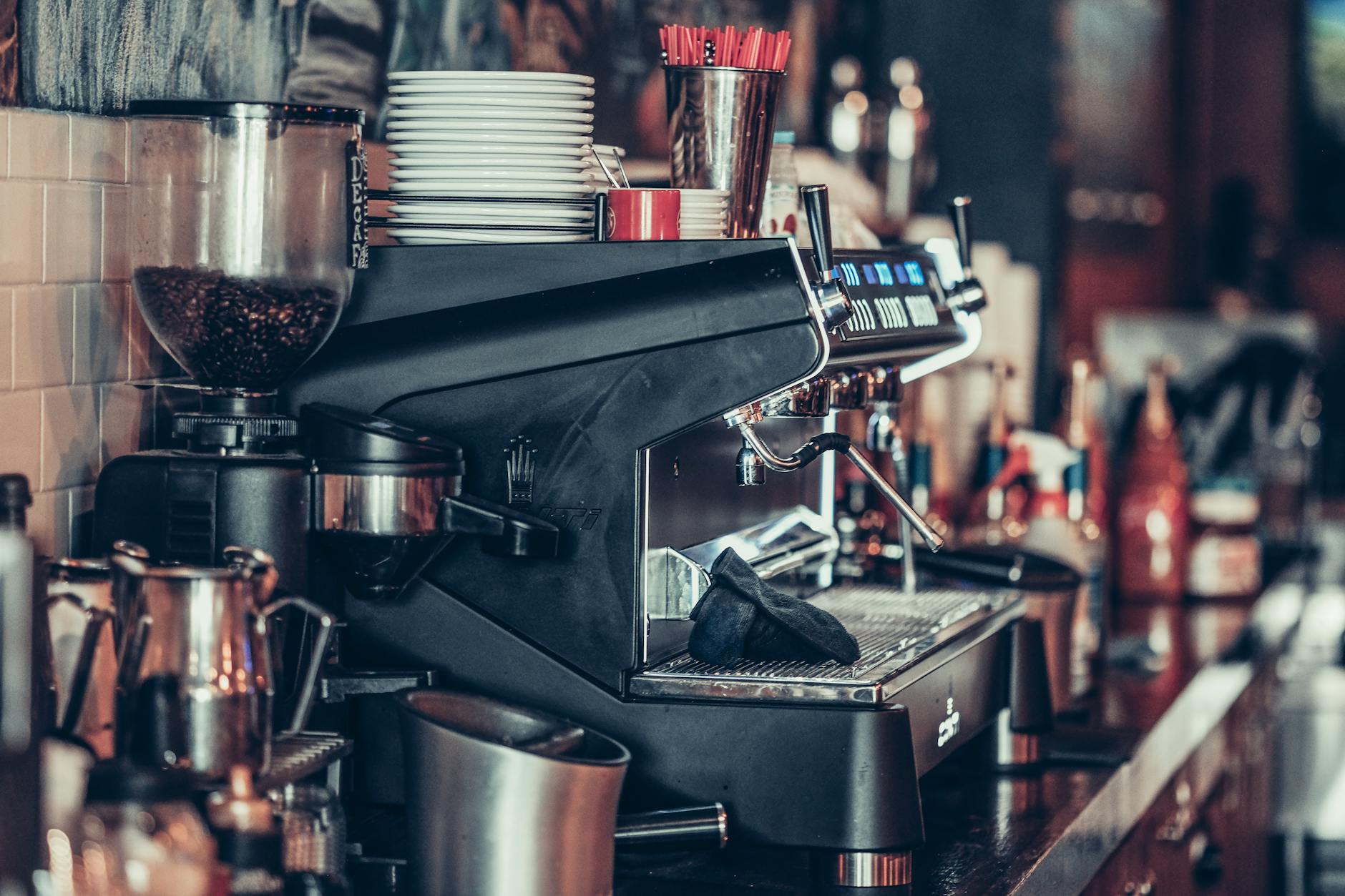
Professional coffee equipment installation is the process of setting up commercial-grade coffee machines, grinders, brewers, and ancillary systems in a business environment. This includes water line connection, electrical hookup, machine calibration, staff training, and system testing.
When you invest in a commercial coffee program for your business — whether it's a bustling restaurant, a boutique hotel, or a corporate office — the equipment is only half the battle. The other half is ensuring that equipment is installed correctly, safely, and optimized for your specific volume and workflow. In my experience working with hundreds of foodservice businesses across the United States, I've seen countless coffee programs fail not because of the machine's quality, but because of poor installation.
A faulty installation can lead to inconsistent brew temperatures, scaling from improper water filtration, frequent breakdowns, and ultimately, a poor guest experience. According to the Specialty Coffee Association, water quality and proper machine calibration account for nearly 70% of the variance in espresso extraction quality. This means that even a top-tier commercial espresso machine will underperform if the installation is rushed or handled by an unqualified technician.
For a deeper understanding of how installation fits into the broader ecosystem of coffee service, read our comprehensive guide on coffee service providers.
Why Proper Coffee Equipment Installation Matters
Investing in professional coffee equipment installation is not just about getting the machine to turn on. It's about ensuring long-term reliability, beverage consistency, and operational efficiency. Here are the key reasons why installation quality directly impacts your bottom line:
1. Beverage Quality and Consistency
A study by the National Coffee Association found that 63% of consumers say they would be unlikely to return to a business that served a bad cup of coffee. Improper installation — especially incorrect water temperature or pressure — ruins extraction. Your barista's skill is irrelevant if the machine isn't calibrated correctly from day one.
2. Equipment Longevity
Commercial coffee machines are significant capital investments. According to a report from the Foodservice Equipment and Supplies Distributors, proper installation extends equipment lifespan by up to 40%. Issues like hard water scale buildup, electrical surges, and improper drainage are almost always traceable to installation errors.
3. Health and Safety Compliance
Commercial kitchens and foodservice areas are subject to strict health codes. A poorly installed water line can lead to leaks, mold, or bacterial contamination. The NSF International requires that all commercial beverage equipment have proper backflow prevention devices installed. Professional installation ensures compliance.
4. Staff Efficiency and Training
A well-installed machine is intuitive to use. Part of the installation process should include hands-on training for your staff. Without this, even the most advanced SENSA Duo or Pro machine will confuse your team, leading to slow service and wasted product.
5. Reduced Downtime and Repair Costs
Data from the Commercial Food Service Equipment Repair Association shows that businesses that use certified installation services experience 50% fewer service calls in the first year compared to those that self-install or use non-specialized contractors. Every hour your coffee machine is down, you lose revenue and customer goodwill.
If you are considering a coffee program for your medical practice, our guide on Reliable Coffee Service for Medical Offices explains how proper installation supports patient satisfaction.
How Professional Coffee Equipment Installation Works
A professional installation is a multi-step process that goes far beyond plugging in a machine. Here is the step-by-step methodology we use at Busy Bean Coffee for every SENSA line installation:
Step 1: Site Survey and Assessment
Before any equipment arrives, a certified technician visits your location to assess the space. They check:
- Available counter space and weight capacity
- Proximity to water supply and drainage
- Electrical panel capacity and outlet type (208V, 240V, or 120V)
- Ventilation requirements for heat and steam
- Water hardness levels (critical for scaling prevention)
Step 2: Water Filtration System Installation
This is arguably the most critical step. Commercial coffee machines require filtered water with specific mineral content (TDS between 100-150 ppm) and chlorine removal. A reverse osmosis or dual-stage filtration system is installed under the counter to protect the machine from scale and off-flavors.
Step 3: Electrical and Plumbing Hookup
A licensed electrician hardwires the machine or installs the correct dedicated circuit. The plumber connects the water line with a shut-off valve and backflow preventer. Drain lines are installed for drip trays and automatic flush cycles.
Step 4: Machine Leveling and Securing
Commercial machines weigh 100-300 pounds. They must be perfectly level for even water distribution across the brew group. The machine is bolted down or placed on vibration-dampening pads to prevent movement during use.
Step 5: Initial Calibration and Testing
The technician runs multiple test cycles to calibrate:
- Brew temperature (195°F-205°F for drip, 200°F for espresso)
- Water pressure (9 bars for espresso)
- Grinder burr alignment and dose weight
- Steam wand pressure and temperature
Step 6: Staff Training and Handoff
A white-glove installation includes a 30-60 minute training session with your team. They learn how to operate the machine, perform daily cleaning, troubleshoot common issues, and contact support. At Busy Bean Coffee, our lead technician Leslie Cook has trained hundreds of staff members across the Southeast.
For a detailed look at how our managed membership model covers all these steps, explore our All-Inclusive Coffee Service page.
Coffee Equipment Installation vs. DIY Setup
Many business owners consider saving money by installing their own coffee equipment. Here is a comparison of the two approaches:
| Aspect | Professional Installation | DIY Setup |
|---|---|---|
| Water Quality | Multi-stage filtration installed and tested | Tap water or basic filter (high scale risk) |
| Electrical Safety | Licensed electrician ensures code compliance | Risk of overloaded circuits or fire |
| Calibration | Precision calibration with testing tools | Guesswork; inconsistent shots |
| Warranty | Manufacturer warranty remains valid | Warranty may be voided by improper setup |
| Training | Full staff training included | No training; staff learns by trial and error |
| Ongoing Support | Access to certified technicians | You are on your own |
💡
Key Takeaway
The upfront savings of a DIY installation are almost always dwarfed by the cost of repairs, wasted product, and lost customers from inconsistent coffee.
Best Practices for Coffee Equipment Installation
Based on our decade of experience installing hundreds of SENSA machines across the Carolinas, Georgia, and beyond, here are the best practices every business should follow:
1. Never Skip the Water Test
Request a water hardness test before installation. If your water is above 150 ppm TDS, you need a softener and filtration system. Hard water scale is the #1 cause of commercial espresso machine failure.
2. Plan for Maintenance Access
Ensure there is at least 6 inches of clearance behind the machine for ventilation and service access. Many installations fail because the machine is pushed flush against a wall, causing overheating.
3. Use a Dedicated Circuit
Commercial coffee machines draw significant power. Never share a circuit with refrigerators, ice machines, or other high-draw equipment. A dedicated 20-amp circuit is standard for most machines.
4. Incorporate a Water Shut-Off Valve
Install an easily accessible shut-off valve under the counter. This allows you to isolate the machine for maintenance or emergencies without shutting off the entire building's water.
5. Invest in Surge Protection
Commercial coffee machines have sensitive electronics. A power surge can fry the control board. Use a whole-machine surge protector or a dedicated surge-protected outlet.
6. Schedule Installation During Off-Peak Hours
Installation takes 2-4 hours for a standard machine. Schedule it during a slow period or a closed day to avoid disrupting your service.
7. Document Everything
Take photos of the installation, keep all manuals, and record the technician's contact information. This documentation is essential for warranty claims and future maintenance.
For more on how these practices integrate with a full coffee program, read our Managed Coffee Service page.
Common Coffee Equipment Installation Mistakes
Even experienced facility managers make these errors. Avoid them to ensure a smooth setup:
Mistake 1: Ignoring Water Quality
We once worked with a hotel in Charleston that kept having their espresso machine break down every six months. The issue was hard water with 250 ppm TDS. After installing a proper filtration system, the machine ran flawlessly for years.
Mistake 2: Underestimating Electrical Requirements
A restaurant in Atlanta installed a dual-group espresso machine on a circuit shared with a refrigerator. Every time the fridge compressor kicked on, the espresso machine lost pressure. The fix required running a new dedicated circuit — at triple the cost of doing it right the first time.
Mistake 3: Skipping Staff Training
The most expensive machine in the world is useless if your staff doesn't know how to use it. We've seen $15,000 machines abandoned because no one was trained on daily cleaning. The result: clogged brew groups, burnt coffee, and a negative Yelp review.
Mistake 4: Not Planning for Future Growth
If you plan to expand your menu or volume, install a machine with extra capacity and a water system that can handle future demand. Retrofitting later is expensive.
Mistake 5: Trying to Save Money with a Handyman
Using a general handyman instead of a certified coffee technician is false economy. They do not understand backflow prevention, brew pressure, or water chemistry. The cost of fixing their mistakes will far exceed the professional installation fee.
For a real-world example of how a managed service avoids these pitfalls, see our White-Glove Coffee Service page.
Frequently Asked Questions
How long does professional coffee equipment installation take?
A standard installation for a commercial espresso machine or drip brewer takes between 2 and 4 hours. This includes water line connection, electrical hookup, machine calibration, and a 30-minute staff training session. For more complex setups like a full SENSA Duo system with dual brew groups and integrated grinders, the installation may take a full day. At Busy Bean Coffee, we schedule installations during off-peak hours to minimize disruption to your business. The technician also performs a final walkthrough to ensure everything is operational and your team is comfortable using the equipment.
What is included in a white-glove coffee equipment installation service?
A white-glove installation goes far beyond basic setup. It includes a pre-installation site survey to assess water quality, electrical capacity, and counter space. The service includes installation of a water filtration system, professional plumbing and electrical hookup, machine leveling and securing, precision calibration of temperature and pressure, and comprehensive staff training. At Busy Bean Coffee, our white-glove service also includes ongoing support and maintenance as part of our managed membership model. Our technicians, like Leslie Cook, are certified and experienced with the full SENSA line. This ensures your equipment operates at peak performance from day one.
Can I install a commercial coffee machine myself?
While technically possible, self-installation is strongly discouraged for several reasons. First, most manufacturer warranties require professional installation to remain valid. Second, commercial machines require precise water quality management; without proper filtration, scale buildup will void warranties and cause premature failure. Third, electrical and plumbing code compliance is complex. A mistake can lead to fire hazards, water damage, or health code violations. Finally, without professional calibration, your coffee quality will suffer. The Specialty Coffee Association reports that improperly installed machines produce inconsistent extraction, leading to customer dissatisfaction. For most businesses, the cost of professional installation pays for itself in reduced downtime and better coffee.
How often should coffee equipment be serviced after installation?
After the initial installation, commercial coffee equipment should undergo preventive maintenance every 3 to 6 months, depending on usage volume. High-volume restaurants and hotels may need monthly filter changes and descaling. Our managed membership at Busy Bean Coffee includes all scheduled maintenance as part of the predictable monthly fee. This covers filter replacements, machine cleaning, calibration checks, and emergency repairs. Regular servicing prevents the common issues that lead to downtime, such as scale buildup, clogged brew groups, and worn gaskets. Businesses that skip maintenance often face expensive emergency repairs and lost revenue from machine outages.
What water filtration is required for commercial coffee equipment?
Commercial coffee equipment requires water that is free of chlorine, sediment, and excessive minerals. The ideal total dissolved solids (TDS) level is between 100 and 150 ppm. A standard installation includes a dual-stage filtration system: a sediment filter to remove particles and a carbon block filter to remove chlorine and off-flavors. In areas with hard water (above 150 ppm TDS), a water softener is also recommended. Some machines, like the SENSA Pro, include built-in water monitoring that alerts you when the filter needs changing. Proper filtration not only improves coffee taste but also extends the life of your machine by preventing scale buildup.
Conclusion
Professional coffee equipment installation is the foundation of a successful commercial coffee program. It ensures beverage consistency, equipment longevity, health code compliance, and staff efficiency. Whether you are opening a new restaurant in Austin, upgrading a hotel lobby in Savannah, or setting up an office break room in Charlotte, the quality of your installation directly impacts your return on investment.
At Busy Bean Coffee, we have been installing specialty coffee equipment for foodservice businesses since 2014. Our managed membership model includes white-glove installation by certified technicians, ongoing maintenance, and a predictable monthly fee — no capital expense, no surprises. From the SENSA Duo to the SENSA Pro, every machine is installed with precision and backed by our commitment to service.
If you are ready to elevate your coffee program with professional installation and hassle-free support, contact us today at (833) THE-BEAN or visit www.busybeancoffee.com.
For more guidance on building a complete coffee program, read our comprehensive guide on coffee service providers.
Recommended Readings
To deepen your understanding of these topics, we recommend reading the following articles:
- Best Coffee Machines for Restaurants and Cafes
- Office Coffee Service Solutions to Replace Starbucks
- Specialty Coffee Equipment for Hotels and Guest Experience
- Coffee Machines for Clinics and Medical Offices
About the Author
the author is the CEO & Founder of Busy Bean Coffee. Since 2014, he has led the company in providing specialty coffee equipment and managed services to hundreds of foodservice businesses across the United States. His expertise lies in commercial coffee equipment installation, water quality optimization, and building coffee programs that drive guest satisfaction and operational efficiency.
Free Coffee Pairing Guide & Specialty Roast Cheat Sheet
Unlock the secrets of perfect brewing ratios, water temperatures, and specialty roast profiles. Download the guide.