How Much Does Cafe Equipment Supply Actually Cost in 2026?
Starting a coffee business often begins with a sticker shock phase. After analyzing dozens of cafe launches in Mount Pleasant, SC, I've found that most owners underestimate their initial hardware budget by nearly 40%. A professional cafe equipment supply package for a mid-sized specialty shop typically ranges from $25,000 to $75,000 for a traditional capital expenditure model. However, the true cost isn't just the purchase price; it is the total cost of ownership, including installation, water filtration, and the inevitable maintenance cycles that begin the moment your first customer walks in.
The price variance depends entirely on your volume expectations and the quality of the beans you intend to serve. A high-volume shop requiring a three-group espresso machine and industrial grinders will lean toward the $75,000 mark, while a boutique "slow bar" focusing on pour-overs might start closer to $20,000. The mistake I made early on, and that I see constantly, is owners buying "prosumer" gear to save $5,000, only to have the machines fail during a morning rush three months later, costing them thousands in lost revenue and emergency repairs.

What Exactly Comprises a Professional Cafe Equipment Supply?
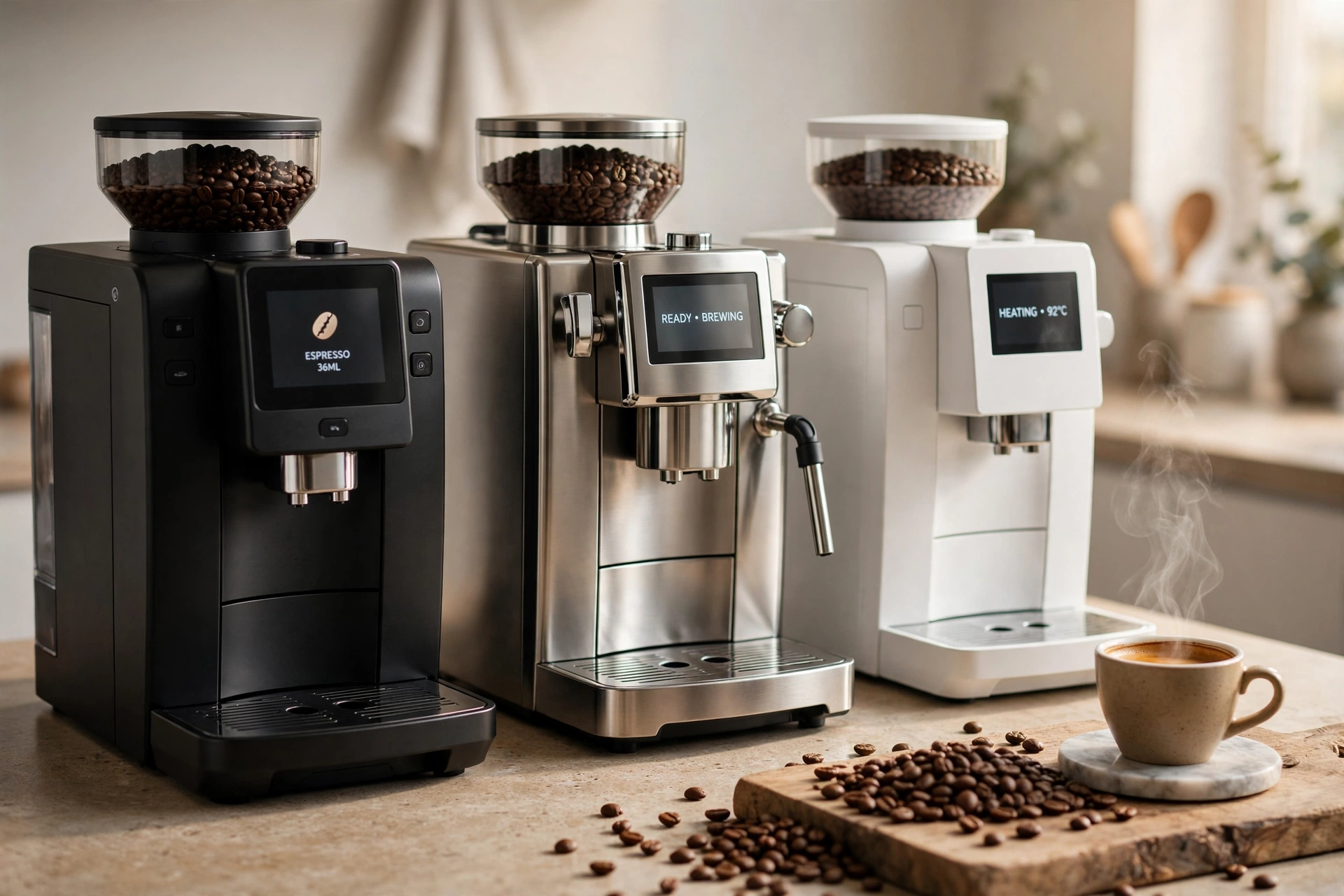
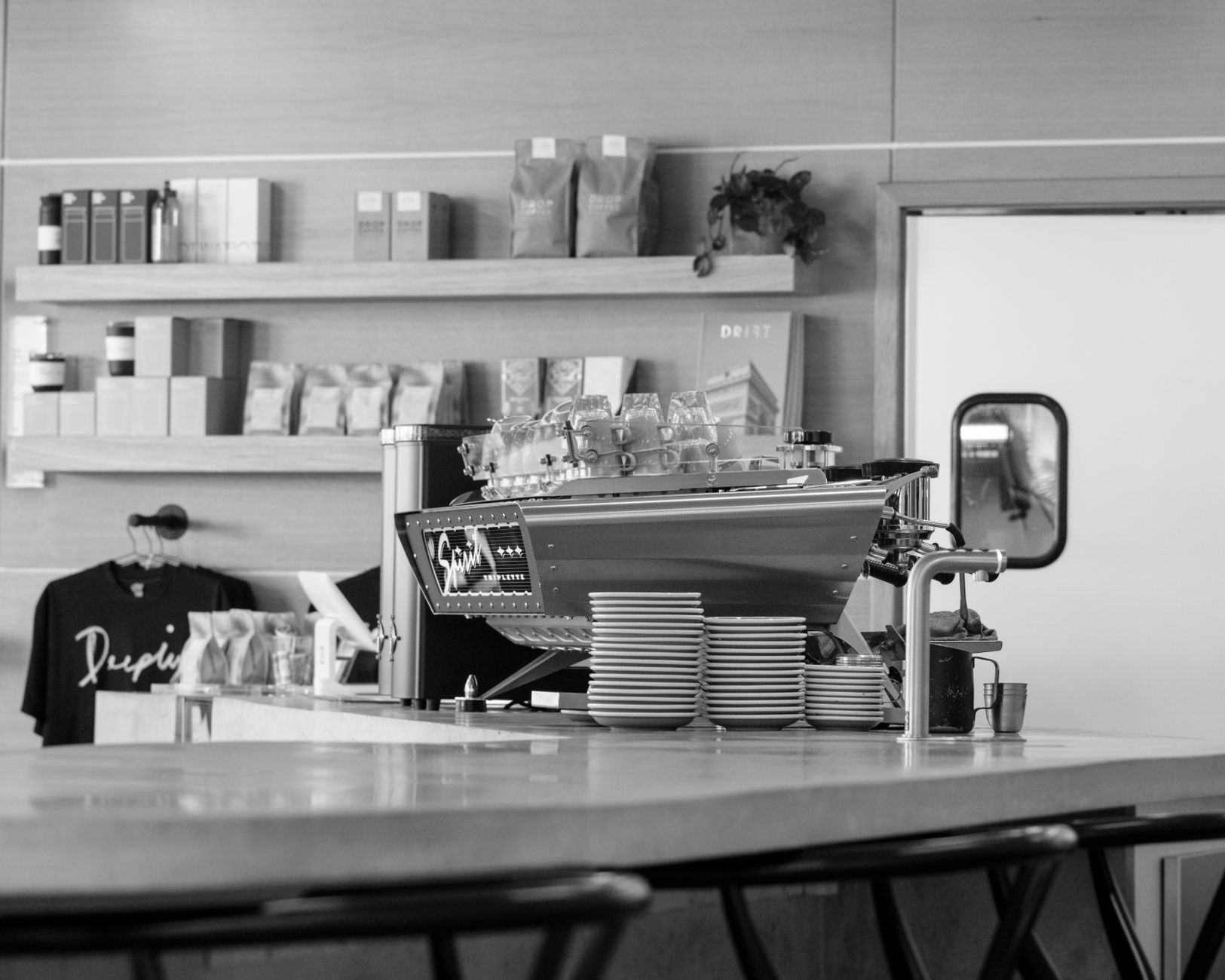
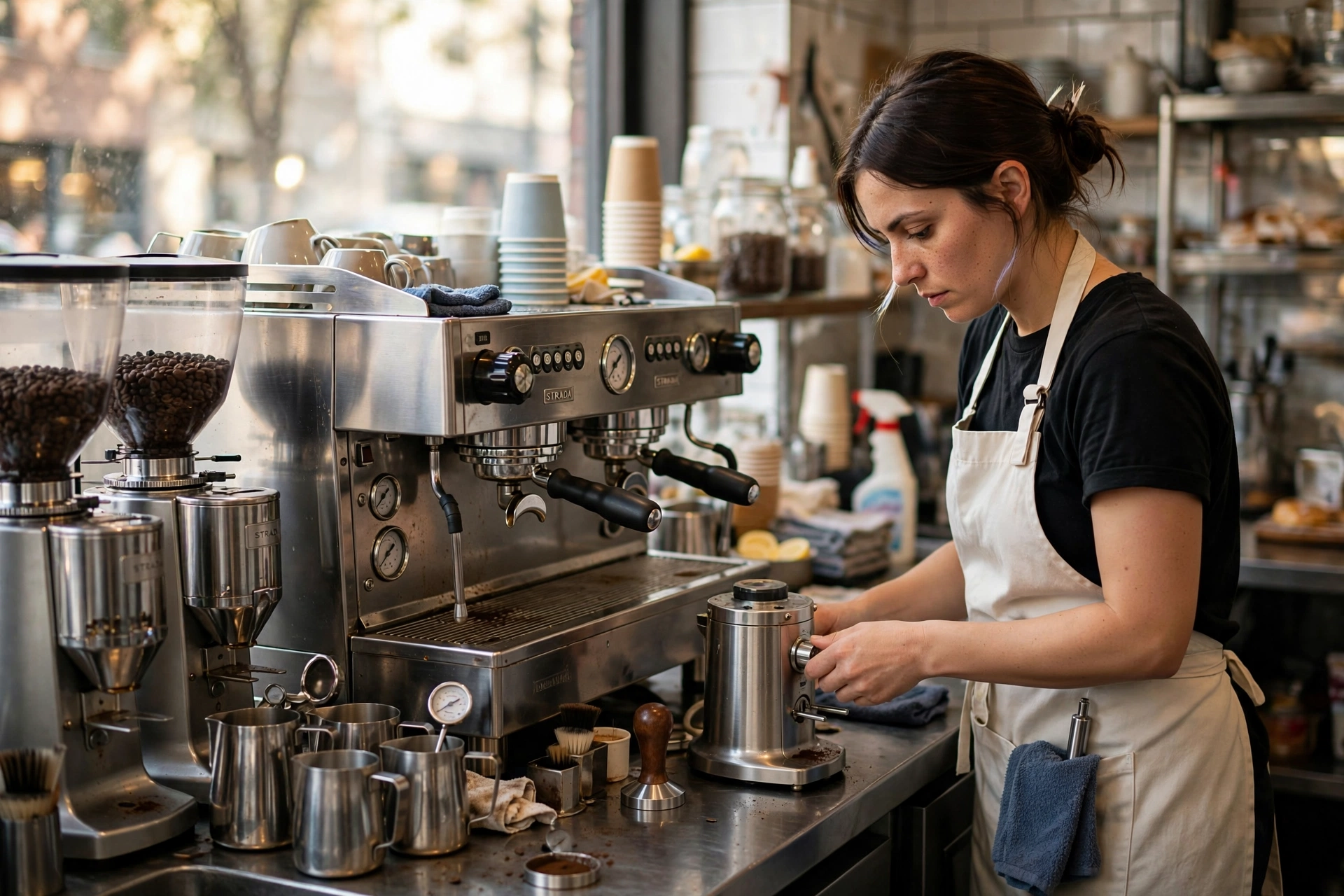
When we talk about a comprehensive cafe equipment supply, we are not just talking about the machine that pulls the shots. We are discussing a synchronized ecosystem of temperature-controlled hardware, filtration systems, and precision grinding tools. If one link in this chain is weak, the quality of your Specialty Coffee suffers, regardless of how expensive your beans are.
📚
Definition
Total Cost of Ownership (TCO) in the coffee industry refers to the sum of the initial purchase price of equipment plus the ongoing costs of calibration, preventative maintenance, electricity, and water filtration replacements over the asset's lifespan.
The core of your supply list starts with the espresso machine. In 2026, the industry standard for specialty shops is the multi-boiler system, which allows independent temperature control for brewing and steaming. This prevents the "temperature swing" that ruins a shot of Coffea arabica. Then comes the grinder, arguably more important than the machine itself. A high-end flat-burr grinder ensures a consistent particle size, which is the only way to achieve the extraction standards set by the Specialty Coffee Association (SCA).
Beyond the "big two," you must account for the support infrastructure. This includes reverse osmosis (RO) water filtration systems, commercial refrigeration, dishwasher systems, and POS hardware. According to the National Coffee Association USA (NCA), consumer demand for high-quality, sustainably sourced coffee continues to rise, meaning customers are more discerning about taste. If your equipment supply doesn't include medical-grade water filtration, the minerals in your local water will not only destroy your boiler through scale buildup but will mute the flavor profile of your roast.
Now, here is where it gets interesting: the "hidden" costs. Most supply lists forget to include the installation fees. Moving a 200-pound espresso machine into a tight space and plumbing it into a city water line requires a certified technician. If you do this incorrectly, you risk voiding the manufacturer's warranty and potentially causing a flood in your Mount Pleasant storefront.
Why Does Equipment Quality Directly Impact Your Bottom Line?
The correlation between equipment precision and profit margins is linear. When you invest in a high-tier cafe equipment supply, you are not paying for a brand name; you are paying for consistency and uptime. In the coffee world, consistency is the only way to build a loyal customer base. If a latte tastes different on Tuesday than it did on Monday, you lose a customer.
From a technical perspective, the cost of "cheap" equipment is measured in waste. Low-end grinders produce "popcorn" or inconsistent clumps, leading to channelled shots. In my experience working with new cafe owners, I've seen shops waste up to 15% of their coffee bean inventory simply because their equipment couldn't hold a consistent grind setting. When you multiply that waste across a year of operation, the "savings" from a cheaper grinder are completely erased.
Furthermore, the NSF International standards for food equipment are not suggestions; they are essential for passing health inspections and ensuring food safety. Using non-certified equipment can lead to costly fines or, worse, the inability to obtain an operating permit. Equipment that meets NSF/ANSI 4 standards ensures that the machine is designed to be cleaned and sanitized effectively, preventing the buildup of bacteria and old milk proteins in the steam wands.
The business impact of downtime is the most critical metric. If your primary espresso machine goes down on a Saturday morning, you aren't just losing the cost of the repair; you are losing 100% of your revenue for that window. High-end commercial gear is built for 18-hour cycles. Lower-tier gear is built for home use. The difference is the difference between a business that scales and one that spends every weekend calling a technician.
How to Build Your Equipment List Without Breaking the Bank
Planning your cafe equipment supply requires a phased approach. You don't need every bell and whistle on day one, but you do need a foundation that won't require a total replacement in twelve months. The most effective way to handle this is to categorize your needs into "Critical," "Important," and "Scale-up" items.
- The Critical Core: This is your espresso machine, your primary grinder, and your water filtration. Do not compromise here. If you are serving specialty coffee, these three items must be top-tier.
- The Operational Layer: This includes your refrigeration, ice machines, and dishwashers. While quality matters, you can often find reliable refurbished units for these items to save capital.
- The Scale-up Layer: This is where you put your second grinder (for decaf or guest roasts), high-end pour-over kits, and automated milk frothers.
For businesses in Mount Pleasant and the surrounding areas, the capital expenditure of buying all this upfront can be a massive barrier. This is why Busy Bean Coffee has shifted the paradigm. Instead of forcing you to spend $50,000 upfront, we provide an all-inclusive managed coffee membership. We provide the premium SENSA equipment, the professional installation, and the ongoing maintenance for a predictable monthly fee. This transforms a massive capital expense (CapEx) into a manageable operating expense (OpEx), allowing you to put your cash into marketing and staff training.
💡
Key Takeaway
Prioritize "uptime" over "initial price." A machine that costs 20% more but has a 99% uptime is significantly cheaper over three years than a budget machine with frequent failures.

Comparing Equipment Acquisition Models
Depending on your financial strategy, there are three primary ways to source your cafe equipment supply. Most owners default to the "Buy New" model, but as the market evolves in 2026, the managed service model is becoming the dominant choice for lean startups.
| Acquisition Model | Initial Cost | Maintenance | Risk Level | Best For |
|---|---|---|---|---|
| Traditional Purchase | Very High ($25k-$75k) | Owner's Responsibility | High (Equipment Failure) | Large franchises with internal tech teams |
| Used/Refurbished | Low to Medium | Unpredictable | Very High (No Warranty) | Very low-budget experimental pop-ups |
| Managed Membership | Very Low (Monthly Fee) | Fully Covered | Low (Guaranteed Uptime) | Independent cafes & growth-focused businesses |
The "Generic/Cheap AI" approach to equipment sourcing involves using online calculators or basic lists to buy a set of machines that look good on paper but have no synergy. For example, pairing a high-end espresso machine with a cheap grinder is like putting budget tires on a Ferrari; you will never actually reach the performance the machine is capable of.
The "Modern Professional" approach, utilized by Busy Bean Coffee, focuses on the Coffee Service as a whole. We don't just drop a machine at your door; we calibrate the water chemistry to the specific roast profile of the beans you are using. This ensures that the equipment is an extension of the bean, not a hurdle the bean has to overcome.
Common Misconceptions About Equipment Costs
Many guides on the internet get the economics of cafe equipment supply wrong. They focus on the "sticker price" and ignore the operational reality. Here are the most common myths I encounter.
Myth 1: "I can start with a prosumer machine and upgrade later."
This is a recipe for disaster. Prosumer machines are not designed for the thermal load of back-to-back shots for four hours. In my experience, these machines fail under commercial pressure, and the "upgrade" happens much sooner than planned, usually during your busiest week of the year.
Myth 2: "The most expensive machine always makes the best coffee."
Incorrect. A $20,000 machine with poorly filtered water and a mediocre grinder will produce coffee that tastes like burnt rubber. The "best" coffee comes from the balance of the system. A mid-range machine paired with an elite grinder and perfect water chemistry will outperform a top-of-the-line machine used incorrectly every single time.
Myth 3: "Maintenance is just a yearly check-up."
Maintenance is daily, weekly, and monthly. Backflushing your machine daily, cleaning your grinder burrs weekly, and replacing filters quarterly are non-negotiable. If you don't factor these "micro-costs" into your budget, you will find your margins shrinking as your equipment degrades.
Frequently Asked Questions
How much should I budget for a basic cafe equipment supply?
For a small-to-medium specialty shop, you should budget between $30,000 and $60,000 if you are buying everything outright. This includes a commercial espresso machine ($8k-$15k), two high-quality grinders ($3k-$7k), water filtration ($1k-$3k), and refrigeration/dishwashing ($5k-$15k). However, this does not include the "hidden" costs of electrical upgrades or plumbing, which can add another $5,000 to $10,000 depending on the condition of your building in Mount Pleasant.
Is it better to buy new or refurbished coffee equipment?
New equipment offers warranties and the latest energy-efficient technology, which is essential for long-term sustainability. Refurbished equipment can save you 30-50% upfront but carries a high risk of "hidden" wear and tear. Unless the refurbished gear comes with a comprehensive warranty from a reputable dealer, the risk of downtime usually outweighs the initial savings. For critical path items like the espresso machine, I always recommend new or managed solutions.
Do I really need a separate grinder for decaf and espresso?
Yes, if you want to maintain a professional standard. Using one grinder for multiple bean types requires constant "dialing in," which wastes a significant amount of coffee bean inventory and slows down your barista during peak hours. A dedicated decaf grinder ensures that your specialty espresso remains consistent without the flavor contamination or the time-loss associated with changing settings between every single order.
How does water filtration affect the cost of equipment?
Water is the primary enemy of coffee machinery. In areas with hard water, calcium and magnesium build up in the boilers, causing "scale." This reduces heating efficiency, increasing your electricity bill, and eventually causes the machine to overheat or fail. A high-quality filtration system is an investment that extends the life of your equipment by years and ensures that the specialty coffee tastes as intended by the roaster.
What is the most overlooked item in a cafe equipment supply list?
The most overlooked item is the backup plan. Many owners forget to budget for a secondary "backup" brew method, such as a high-quality batch brewer or a pour-over station. If your main espresso machine fails, having a reliable batch brewer allows you to continue serving coffee and maintaining revenue while the technician is on the way. At Busy Bean Coffee, we solve this by providing rapid maintenance and replacement options.
Final Thoughts on Cafe Equipment Supply
Navigating the costs of a cafe equipment supply is one of the most stressful parts of opening a business. Whether you are looking at a $30,000 starter kit or a $100,000 flagship installation, the goal is the same: removing the friction between your barista and the customer. When the equipment is seamless, the focus shifts back to the art of the roast and the experience of the guest.
If the idea of a massive upfront investment feels overwhelming, remember that you don't have to carry the risk alone. By choosing a managed service, you can access world-class hardware and expert support without the crushing weight of capital expenditure.
Ready to elevate your coffee game without the financial stress? Visit Busy Bean Coffee Blog to explore our all-inclusive managed coffee solutions. Let us handle the gear so you can handle the growth.
Ready to Upgrade Your Business Coffee?
Café-quality coffee, zero maintenance headaches, and one predictable monthly price. Let's build your custom coffee program.
Free Coffee Pairing Guide & Specialty Roast Cheat Sheet
Unlock the secrets of perfect brewing ratios, water temperatures, and specialty roast profiles. Download the guide.