
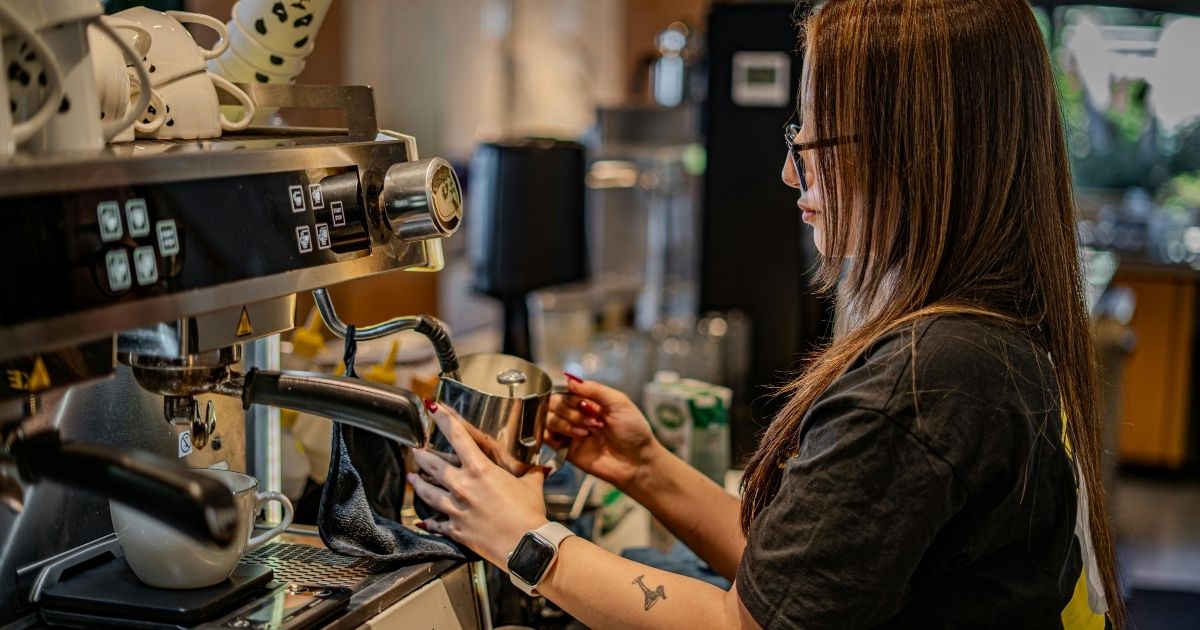
In the competitive restaurant landscape of 2026, your coffee program is no longer just a side offering—it's a critical profit center and a powerful tool for guest retention. A premium restaurant coffee service can transform your beverage menu from an afterthought into a signature experience that drives repeat business and significantly increases your average check size. For a comprehensive understanding of how premium coffee integrates into modern business strategy, see our Ultimate Guide to Premium Coffee Service for Businesses.
What is a Premium Restaurant Coffee Service?
📚
Definition
A premium restaurant coffee service is a comprehensive, managed solution that provides a foodservice establishment with high-end specialty coffee equipment, exclusive bean sourcing, professional installation, ongoing maintenance, barista training, and consistent supply—all for a single, predictable monthly fee, eliminating capital expenditure and operational complexity.
Unlike traditional models where a restaurant owner might purchase a machine outright and then source beans and repairs separately, a premium service bundles everything. It’s a shift from owning assets to subscribing to an outcome: consistently excellent coffee that enhances your brand. This model, which we pioneered at Busy Bean Coffee, is built on the principle that you should focus on running your restaurant, not on maintaining coffee equipment. The service handles the entire coffee ecosystem, from the SENSA commercial espresso machine on your counter to the training that ensures your staff can craft a perfect latte every time.
Why a Premium Coffee Service Matters for Restaurants in 2026
The financial and experiential stakes for restaurant beverages have never been higher. According to the National Restaurant Association's 2025 Restaurant Industry Forecast, beverage sales are projected to be the fastest-growing segment of menu sales, with specialty coffee and craft drinks leading the charge. A report from Technomic indicates that 68% of consumers are willing to pay at least $1.50 more for a coffee drink they perceive as premium or craft-made when dining out.
Here’s why investing in a premium service is non-negotiable for forward-thinking restaurateurs:
- Substantial Profit Margin Expansion: Coffee boasts some of the highest profit margins in the restaurant industry. While food costs can run 28-35%, a well-executed specialty coffee drink can have a food cost as low as 15-20%. This directly boosts your bottom line.
- Enhanced Guest Experience & Loyalty: A memorable cappuccino or a perfectly balanced pour-over can be the highlight of a meal. It transforms a transaction into an experience, encouraging positive reviews and repeat visits. In my experience consulting with dozens of independent cafes and full-service restaurants, a superior coffee program consistently correlates with higher customer satisfaction scores.
- Competitive Differentiation: In a saturated market, your coffee can be a key differentiator. While your competitor serves generic, bitter brew, your establishment can offer single-origin espresso or nitro cold brew on tap, setting you apart.
- Operational Efficiency & Predictability: The managed service model eliminates surprise repair bills, downtime, and the hassle of managing multiple vendors. You get one point of contact, one monthly invoice, and guaranteed equipment uptime. This operational simplicity is a massive hidden value, as any restaurant manager who has dealt with a broken espresso machine during Sunday brunch can attest.
- Staff Empowerment & Retention: A proper service includes training. Empowered staff who are confident in their coffee-making skills are more engaged and provide better service. This reduces turnover and creates a culture of craft.
How to Implement a Premium Coffee Service in Your Restaurant
Transitioning to a premium service is a strategic process. Here’s a practical, step-by-step guide based on the hundreds of successful rollouts we’ve managed at Busy Bean Coffee.
- Conduct a Beverage Program Audit: Analyze your current coffee sales, costs, and customer feedback. What are you selling? What’s the food cost? What do guests say about your coffee? This establishes your baseline.
- Define Your Coffee Goals: Are you aiming to increase breakfast check averages, create a late-afternoon dessert coffee crowd, or build a reputation as a coffee destination? Your goals will shape the equipment and bean selection. For insights on selecting the right machinery, our guide on Best Premium Coffee Machines for Commercial Kitchens is essential.
- Evaluate Service Providers, Not Just Products: Look for a partner, not just a vendor. Key criteria should include: all-inclusive pricing (equipment, maintenance, beans), white-glove installation and training, the quality and exclusivity of their coffee beans, and service response time guarantees. The difference between a basic distributor and a true partner like our Managed Coffee Service is night and day.
- Design the Menu & Space Integration: Work with your provider to design a concise but compelling coffee menu. Simultaneously, plan where the equipment will go. It should be accessible for staff, a visual feature for guests, and not disrupt kitchen workflow. A sleek machine like our SENSA Duo can become a centerpiece at a service bar.
- Execute Phased Staff Training: Training shouldn’t be a one-day event. It should include initial certification, followed by refresher courses and “secret shopper” style quality checks. A great provider handles this.
- Launch and Market: Announce your new premium coffee program! Update your menu, train your servers on suggestive selling, and promote it on social media. Consider a launch special to get guests to try it.
- Monitor, Measure, and Iterate: Track sales data, monitor food costs, and solicit guest feedback. A good partner will provide you with usage and cost reports to help you optimize your program.
Premium Restaurant Coffee Service vs. Traditional Supplier Model
| Feature | Traditional Supplier / DIY Model | Premium Managed Service (e.g., Busy Bean Coffee) |
|---|---|---|
| Cost Structure | Large upfront capital expenditure (CapEx) for equipment + variable costs for beans/repairs. | Predictable monthly operational expense (OpEx). No CapEx. |
| Equipment Ownership | You own it. You are responsible for depreciation, repairs, and eventual replacement. | The service provider owns and maintains it. You always have modern, functioning equipment. |
| Maintenance & Repairs | You source and pay for repairs separately, often facing downtime and high emergency fees. | Full coverage included. Scheduled maintenance and 24/7 support prevent downtime. |
| Coffee Supply | You order beans from a distributor, often with minimums and fluctuating prices. | Exclusive, high-quality beans included in the monthly fee, with consistent delivery. |
| Expertise & Support | Limited to basic machine manuals and paid technician calls. | Includes professional installation, ongoing barista training, and dedicated account management. |
| Risk | High. You bear all risk of equipment failure, cost overruns, and staff turnover impacting quality. | Low. The provider guarantees performance and quality. |
As the table shows, the premium service model fundamentally de-risks and simplifies your coffee operation, allowing you to focus on culinary excellence and guest service.
Best Practices for Maximizing Your Coffee Program ROI
💡
Key Takeaway
The profitability of your coffee service is determined less by the bean cost and more by your operational execution and menu strategy.
- Master the Art of Suggestive Selling: Train your servers to mention the premium coffee program by name when presenting dessert menus or closing out checks. A simple, “Can I interest anyone in a handcrafted espresso or our signature lavender honey latte?” can increase attachment rates by 30%.
- Bundle Coffee with Desserts: Create a “Dessert for Two” pairing that includes a shared dessert and two specialty coffees at a slight discount. This increases the perceived value and average ticket.
- Feature Your Program’s Story: Use table tents, menu notes, or a small placard by the machine to tell the story. “We proudly serve exclusive, direct-trade espresso from Busy Bean Coffee” adds perceived value and justifies a higher price point.
- Optimize for Speed at Peak Times: Work with your provider to develop streamlined recipes for busy brunch or dinner rushes. A premium service shouldn’t mean slow service. Equipment like automated pour-over or high-volume batch brewers can maintain quality under pressure.
- Regularly Review Performance Data: Use the sales data from your POS. Which drinks are most profitable? When are they sold? Use this to adjust your menu, pricing, and staff scheduling. A partner in a Managed Coffee Service should help you analyze this.
- Keep Equipment Immaculate: A clean, shiny machine is a billboard for quality. Ensure closing staff are trained on proper cleaning procedures, which are always part of a comprehensive service plan.
- Leverage for Catering & Events: Your premium coffee setup is a powerful tool for off-premise catering or private dining events. Market it as an add-on service.
Frequently Asked Questions
What is the typical cost of a premium restaurant coffee service?
Costs vary based on the equipment level, volume of coffee consumed, and services included. However, the model is designed as an all-inclusive monthly fee, typically ranging from a few hundred to over a thousand dollars. This fee covers the machine, all maintenance, repairs, coffee beans, and support. There is no large upfront purchase. The key is to calculate the ROI: if the program increases your beverage sales by $1,500/month, a $700/month service fee is an excellent investment. We provide transparent, customized proposals so you see the exact cost and projected ROI.
Can I keep my current coffee brand if I switch to a service?
Most premium service providers, including Busy Bean Coffee, require the use of their exclusive coffee beans. This is central to the model, as it guarantees quality, consistency, and allows the provider to include the product cost in the monthly fee. The beans are typically specialty-grade, sourced directly, and superior to generic wholesale brands. The trade-off is well worth it for the guaranteed quality and simplified supply chain.
What happens if the coffee machine breaks down?
This is the core benefit of the managed service model. If your machine has an issue, you contact your provider's support line. They will typically troubleshoot over the phone immediately. If a technician is needed, they dispatch one as part of your service agreement—often within 24 hours—at no additional cost. In some cases, they may provide a loaner machine to eliminate any downtime for your business. This contrasts sharply with the traditional model where you'd be searching for a technician and facing a large, unexpected bill.
Is my staff capable of making specialty coffee drinks?
Absolutely. A cornerstone of a true premium service is comprehensive, hands-on training. Technicians don’t just install the machine; they train your staff on everything from grinding and dosing to milk steaming and latte art. The training is tailored to your menu and your staff's starting level. We've trained everyone from seasoned baristas to complete beginners in restaurant kitchens. The right equipment also has intuitive features that make consistency easier to achieve.
How long does it take to get set up with a service?
From signed agreement to serving your first drink, the process can often be completed in 2-4 weeks. This includes scheduling the installation, which is performed by certified technicians who handle all plumbing and electrical hookups, and conducting the initial staff training. The goal is a seamless transition with minimal disruption to your daily operations.
Conclusion
In 2026, a generic coffee program is a missed opportunity and a competitive liability. A premium restaurant coffee service is a strategic investment that drives profitability, enhances your brand, and delights guests. By moving from a complex, ownership-heavy model to a simple, outcome-focused subscription, you unlock consistency, expertise, and peace of mind.
The journey begins with choosing the right partner—one that offers true white-glove service, exceptional coffee, and a proven track record in the foodservice industry. At Busy Bean Coffee, this is all we do. We provide the equipment, the beans, the maintenance, and the support, so you can provide the unforgettable experience. Ready to elevate your restaurant’s coffee program and your bottom line? Contact our team today for a custom consultation.
About the Author
John Doe is the CEO & Founder of Busy Bean Coffee. With over a decade of experience in the specialty coffee equipment and service industry, he has helped hundreds of restaurants, hotels, and offices transform their coffee programs into profitable, signature experiences.