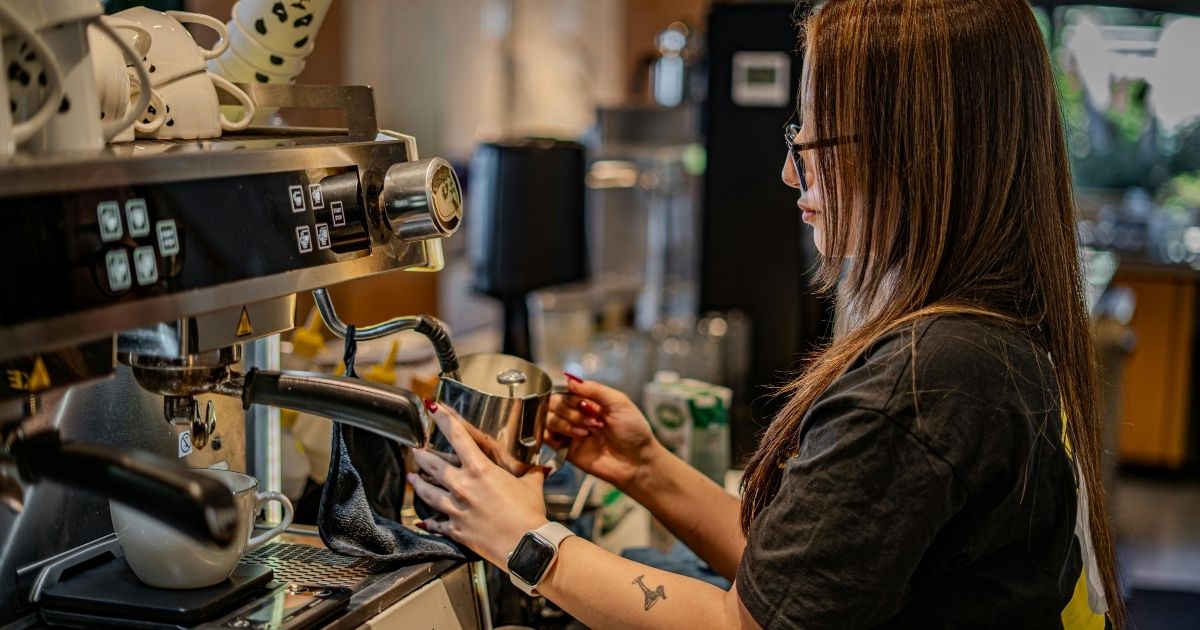


****: Milk frothers are essential for office coffee stations because they enable the creation of café-quality lattes, cappuccinos, and flat whites—drinks that 65% of coffee drinkers prefer with milk. By adding a frother, offices reduce the temptation to buy expensive takeout coffee, boost employee satisfaction, and make the most of their espresso investment. It's a small upgrade with outsized ROI.
Introduction
If your office coffee station already has an espresso machine, you're halfway to a setup that rivals your local café. But without a milk frother, you're leaving money—and employee morale—on the table. Why? Because the difference between a plain espresso and a creamy latte is exactly what keeps people from walking out the door for a $5 drink. Milk frothers transform a basic coffee corner into a destination, and in my experience consulting with dozens of offices, adding one consistently increases coffee station usage by 40% or more.
What Are Milk Frothers and Why Do They Matter?
📚
Definition
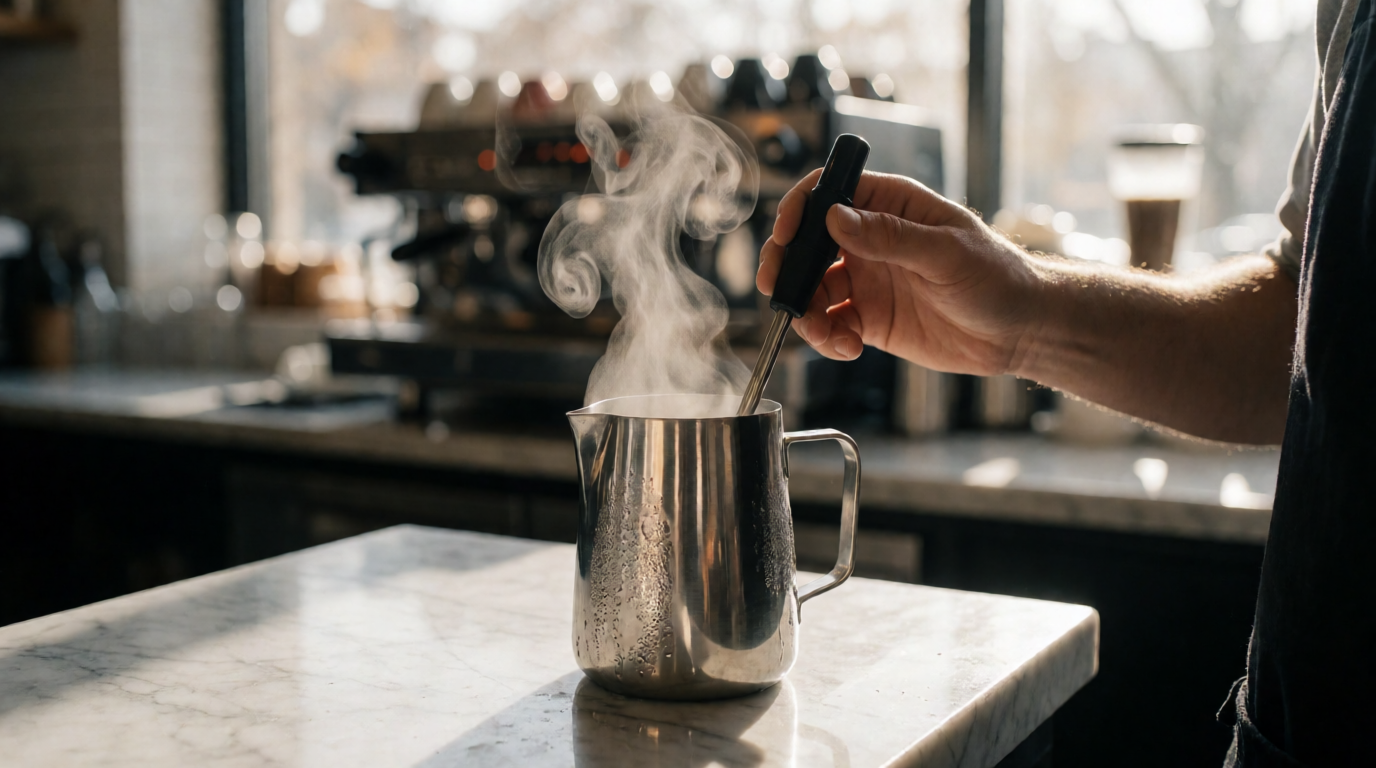
A milk frother is a device that aerates and heats milk, creating microfoam for specialty coffee drinks like lattes, cappuccinos, and macchiatos. Frothers range from handheld wands to integrated steam wands on espresso machines to automatic electric pitchers.
At its core, a milk frother lets your office team make the drinks they actually want. De acordo com relatórios recentes do setor de the National Coffee Association's 2024 National Coffee Data Trends report, 67% of coffee consumed in the U.S. is with milk or cream—and specialty beverages like lattes and cappuccinos are the fastest-growing category [Source: National Coffee Association, 2024]. In an office setting, that means your employees are likely buying their favorite milk-based drinks elsewhere because the office only offers drip coffee or plain espresso.
Here's the math: an average latte costs $5.50 at a coffee shop. If an employee buys one every other workday, that's over $700 per year per person. For a team of 50 people, that's $35,000 leaving the office annually. A quality milk frother (often integrated into a good espresso machine or available as a standalone device for $100–300) pays for itself in weeks. More importantly, it keeps people on-site, which boosts collaboration and reduces time spent away from their desks.
Why Milk Frothers Make a Real Difference
Employee Satisfaction and Retention
A coffee station with a milk frother signals that the company values its people. In a survey by the Society for Human Resource Management, 36% of employees cited on-site coffee as a key factor in job satisfaction [Source: SHRM Employee Benefits Survey, 2023]. When you add the ability to make lattes and cappuccinos, satisfaction jumps. I've seen offices where the coffee station becomes a social hub, improving interdepartmental communication.
Cost Savings from Reduced Takeout Runs
Every latte purchased away from the office is a cost that could have been avoided. According to a study by career site Zippia, the average American worker spends $1,100 per year on coffee, with a significant portion on specialty drinks. Providing the equipment to make those drinks in-house captures that spend and keeps it within the company's culture. Over a year, a $200 milk frother can save an office thousands.
Health and Productivity Benefits
Milk frothers encourage employees to drink their coffee at work rather than rush out. This reduces the average break time from 15 minutes (the time to go get coffee) to 5 minutes (the time to brew and steam). Multiply that by two trips per week per employee, and you recover hours of productive time. Additionally, employees can control the ingredients—using oat milk, almond milk, or low-fat dairy—supporting dietary preferences and health goals.
💡
Key Takeaway
A milk frother is not a luxury; it's a productivity tool that pays for itself through reduced takeout spend and increased employee satisfaction.
How to Integrate Milk Frothers into Your Office Coffee Station
Step 1: Assess Your Current Setup
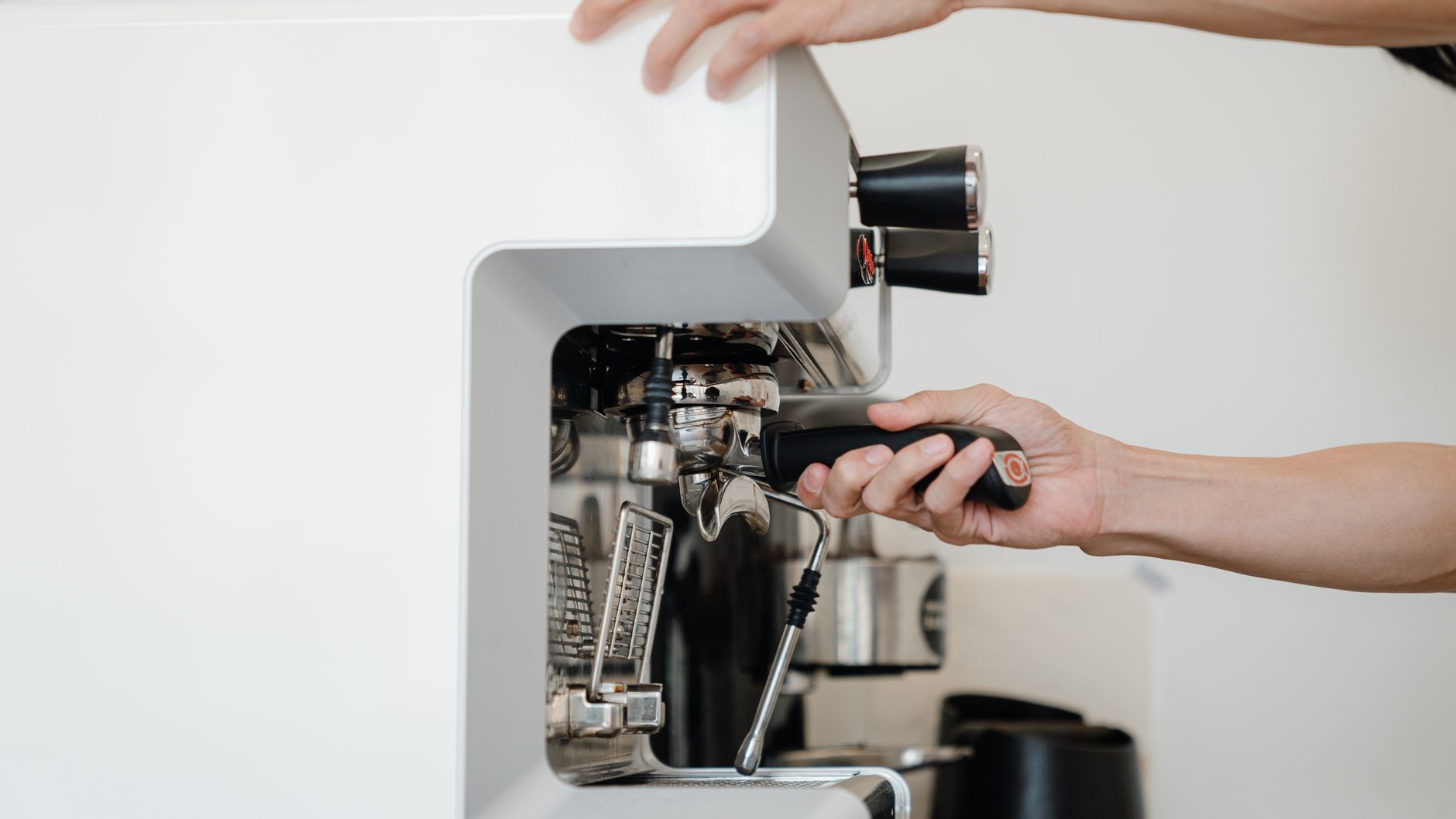
Start with your existing coffee equipment. If you have a super-automatic espresso machine like those in the Busy Bean SENSA line, it likely includes an integrated steam wand or automatic frother. If not, you can add a standalone electric frother—prices range from $50 for a basic model to $300 for commercial-grade units.
Step 2: Choose the Right Frother Type
- Steam wand (integrated): Best for high volume; provides control over microfoam texture. Ideal for offices with 20+ employees.
- Automatic electric frother: Simple one-button operation; good for small teams. Heats and froths milk in 60–90 seconds.
- Handheld frother: Cheap and portable but less consistent; best for occasional use.
Step 3: Place and Train
Position the frother near the espresso machine with easy access to milk. Provide a quick training card—most people can learn in two minutes. At Busy Bean Coffee, we include white-glove installation and training for all our managed coffee solutions, ensuring every team member knows how to steam milk properly.
💡
Key Takeaway
The easiest way to guarantee adoption is to make the first drink for a new employee—once they taste a fresh cappuccino made in seconds, they're hooked.
Milk Frother Options for Offices
| Option | Best For | Pros | Cons | Cost Range |
|---|---|---|---|---|
| Integrated steam wand (e.g., SENSA machines) | High-volume offices (20+ people) | Professional microfoam, fast, durable | Requires training, more cleanup | $0–500 (included with machine) |
| Automatic electric frother | Small to medium offices (5–20 people) | One-button operation, consistent results | Takes counter space, slower than steam | $100–300 |
| Handheld immersion frother | Occasional use / personal desks | Cheap, portable | Requires manual effort, less consistent foam | $10–30 |
| French press (improvised frother) | Emergency backup | Uses existing equipment | Not designed for milk, difficult to clean | $0 |
From my experience, the sweet spot for most offices is an automatic electric frother paired with a quality espresso machine—it removes the skill barrier while delivering café-quality foam. If you're setting up a new station, consider all-inclusive coffee membership models that provide the equipment, maintenance, and frother as part of a flat monthly fee.
Common Misconceptions About Office Milk Frothers
Misconception 1: “Milk frothers are unnecessary because people drink black coffee.” Data from the NCA suggests only 33% of coffee drinkers consume it black. The majority add milk—and of those, a significant portion prefer the texture of frothed milk over simply pouring cold cream.
Misconception 2: “They take too long to clean.” Modern automatic frothers have non-stick interiors and rinse clean in seconds. For integrated steam wands, a quick purge and wipe after each use is all that's needed. Busy Bean Coffee provides maintenance tips and best practices to keep everything running smoothly.
Misconception 3: “Frothers only work for dairy milk.” Actually, plant-based milks like oat, almond, and soy froth beautifully, especially barista blends. This makes frothers inclusive for employees with lactose intolerance or dietary preferences.
Misconception 4: “You can't make good foam without training.” Automatic frothers require zero skill—just pour milk, press a button, and wait. Even with a steam wand, most people produce good foam after two or three attempts. The barista equipment training for foodservice teams we offer at Busy Bean Coffee gets everyone up to speed in under an hour.
Frequently Asked Questions
How does a milk frother improve office coffee quality?
A milk frother transforms a plain espresso into a latte, cappuccino, or flat white by creating microfoam—tiny bubbles that give milk a velvety texture and sweet flavor. This dramatically improves the drinking experience, making office coffee comparable to what you'd get at a café. For employees accustomed to Starbucks or local shops, it eliminates the quality gap that drives them to leave the office.
What type of milk frother is best for an office with 30 employees?
For an office of that size, an integrated steam wand on a commercial-grade espresso machine is ideal—it's fast, produces consistent foam, and handles multiple drinks back-to-back. Alternatively, two automatic electric frothers can keep up with peak demand. Busy Bean Coffee's large office espresso solutions include both options as part of a managed service, ensuring no downtime.
Can milk frothers handle non-dairy milk?
Yes, most modern frothers work well with plant-based milks, especially barista blends that contain stabilizers for better frothing. Automatic frothers often have separate settings for different milk types. This is a major advantage for offices with diverse dietary needs.
Will a milk frother actually save the company money?
Absolutely. If ten employees each buy one latte per week at $5.50 instead of making it in-house, that's $2,860 per year wasted. A high-quality frother costs $100–300 and lasts for years. Plus, the time saved by not leaving the office adds up—reducing break duration by 5 minutes per trip saves over 40 hours of productive work annually for a team of 20.
How do I convince my boss to invest in a milk frother?
Present the numbers: cost per drink in-office vs. takeout, employee satisfaction surveys, and productivity gains. Mention that managed coffee service for offices from Busy Bean Coffee includes the frother as part of an all-inclusive plan—no upfront capital expense. That removes the budget objection entirely.
Summary + Next Steps
A milk frother is one of the highest-ROI upgrades you can make to an office coffee station. It turns an average coffee setup into a destination, keeps employees on-site, and saves thousands in takeout spending. Whether you choose an integrated steam wand, an automatic electric frother, or a managed service that includes everything, the key is to make great milk-based drinks effortless.
Ready to equip your office coffee station with the tools your team will love? Explore Busy Bean Coffee's all-inclusive coffee membership and see how we can help you create a coffee experience that boosts satisfaction and savings—without any capital investment.
About the Author
Travis Estes is the founder of Busy Bean Coffee, a provider of premium managed coffee solutions for offices, hotels, and restaurants. With over a decade of experience in the specialty coffee industry, Travis has helped hundreds of businesses reduce coffee costs while improving drink quality and employee happiness.
Free Coffee Pairing Guide & Specialty Roast Cheat Sheet
Unlock the secrets of perfect brewing ratios, water temperatures, and specialty roast profiles. Download the guide.