When you run a hotel, restaurant, or café, the difference between a good latte and a great one often comes down to one thing: the milk frother. I've seen too many businesses invest thousands in espresso machines only to serve flat, bubbly foam that leaves customers disappointed. In my experience, the frother is the unsung hero of beverage quality. For a comprehensive overview, explore our guide on milk frothers.
Getting milk texture right directly impacts customer satisfaction and repeat visits. According to the National Coffee Association, 68% of coffee drinkers in the US order specialty beverages like lattes and cappuccinos, and the foam quality is often their first impression. That’s why understanding milk frothers isn't optional — it’s essential.

What Is a Milk Frother and How Does It Work?
📚
Definition
A milk frother is a device that adds air into milk through rapid heating and agitation, creating a smooth microfoam used for espresso-based drinks.
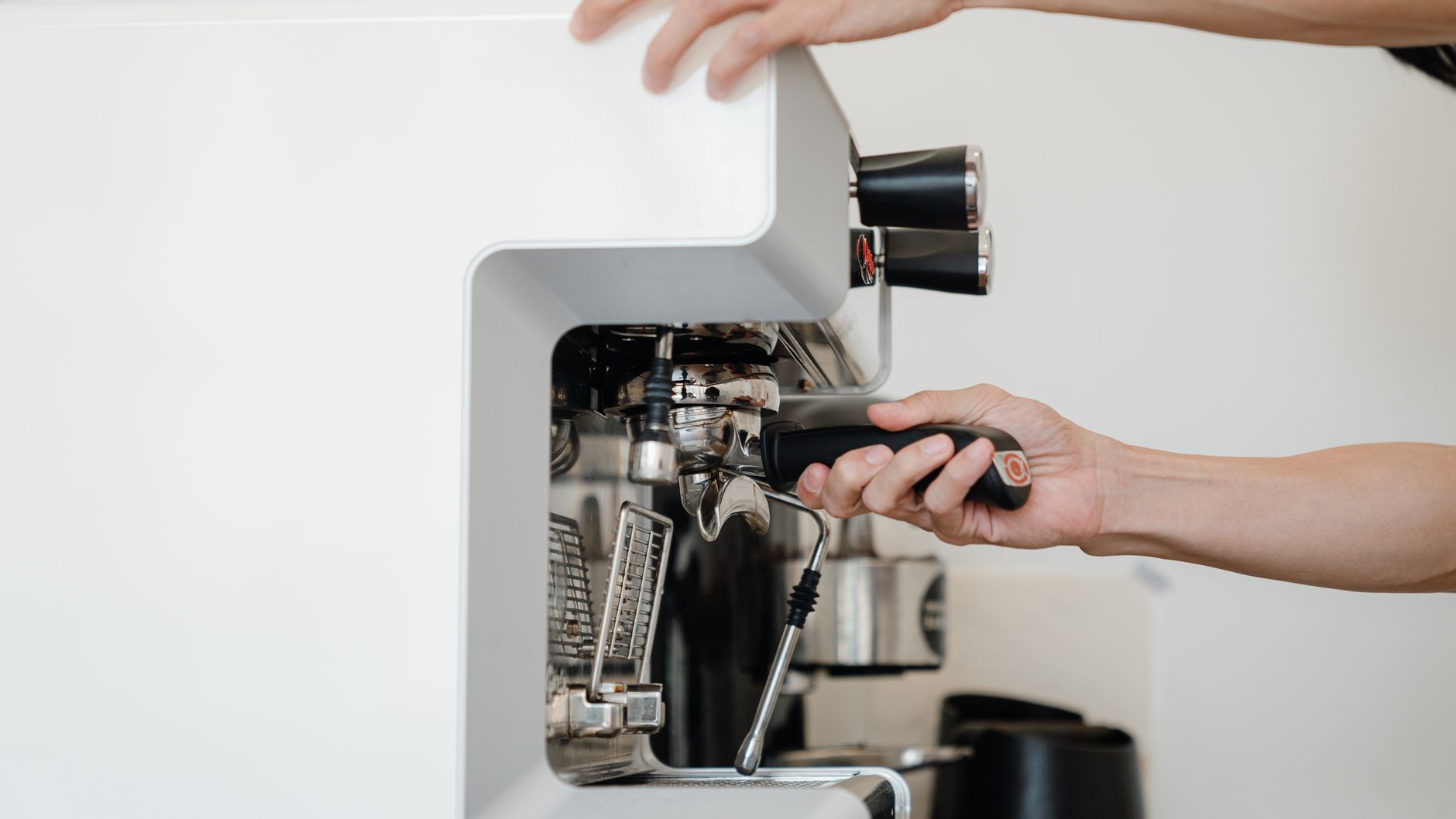
Milk frothers fall into three main categories: manual (handheld battery‑powered wand), steam‑based (attached to espresso machines), and automatic (standalone electric frothers). Each produces distinct textures. Steam wands from commercial espresso machines — like the ones we install at Busy Bean Coffee — generate the finest microfoam for latte art. Electric frothers work well for cappuccinos but often can’t achieve the silky consistency baristas need. Manual wands are cheap but inconsistent.
The principle is simple: air is injected into warm milk (ideally between 140°F and 155°F) while the liquid is swirled. This breaks down large bubbles into tiny ones. The result is a velvety foam that holds together when poured over espresso. The Specialty Coffee Association (SCA) recommends milk proteins and fats as key to stable foam — whole milk (3-3.5% fat) yields the best results.
For businesses serving high volumes, an automatic commercial frother or a steam wand attached to a high‑quality espresso machine is the only way to maintain speed and consistency. The all-inclusive managed coffee solution we provide at Busy Bean Coffee includes premium SENSA equipment with professional steam wands, ensuring every cup matches your standards.
Why Does Milk Frother Quality Matter for Your Business?
First, consistency builds brand trust. Customers at a hotel breakfast buffet expect the same smooth microfoam every morning. If your automatic frother heats milk unevenly or a steam wand is poorly maintained, you risk negative reviews and lost loyalty. Second, texture affects perceived value — a latte with thick, bubbly foam looks homemade; one with satin‑like microfoam looks professional. Third, efficiency saves labor. A fast, reliable frother lets baristas serve more drinks per hour.
According to the National Coffee Association, 79% of consumers say beverage quality influences their choice of coffee shop. In a commercial setting, that translates directly to revenue. If you’re considering upgrading your coffee service, our white glove coffee service in Los Angeles covers everything from equipment selection to ongoing maintenance — including frother calibration.
💡
Key Takeaway
A quality milk frother isn’t an accessory; it’s a profit center. Investing in the right one reduces waste, improves speed, and creates a premium experience.
I’ve helped dozens of restaurants transition from cheap electric frothers to commercial steam wands, and the feedback is universal: ticket sizes increase as customers order more specialty drinks. The data backs it up — specialty coffee sales grew 4.5% year over year in 2025 according to industry reports.
How to Choose the Right Milk Frother for Your Coffee Business?
| Feature | Manual (Handheld) | Electric Automatic | Commercial Steam Wand (SENSA) |
|---|---|---|---|
| Froth Quality | Fair – large bubbles | Good – thick, airy foam | Excellent – microfoam for latte art |
| Speed per Cup | 30-45 seconds | 60-90 seconds | 10-20 seconds |
| Consistency | Low – depends on user | Medium – preset programs | High – controlled by barista |
| Durability | Months to 1 year | 1-3 years | 5+ years with maintenance |
| Best For | Low‑volume cafés, home | Small offices, limited menu | High‑volume restaurants, hotels, cafés |
When we design a coffee program for a client, I always ask three questions: How many specialty drinks do you serve daily? Do you need latte art? What’s your staff’s skill level? For high‑volume operations, a commercial steam wand on an espresso machine is non‑negotiable. For smaller offices or buffets, an automatic frother with adjustable temperature might suffice. But even then, I’ve found that upgrading to a steam wand usually pays for itself within months through increased drink sales.
If your business is in Fort Worth, our automated coffee service in Fort Worth includes setup of SENSA machines with professional steam wands — no capital expense, just consistent microfoam every morning.
Common Mistakes When Using Milk Frothers
Mistake 1: Overheating the milk. Milk proteins denature above 170°F, ruining foam structure. Always stop frothing when the pitcher feels too hot to touch (around 150°F).
Mistake 2: Using the wrong milk. Low‑fat or non‑dairy alternatives need specific techniques. Oat milk foams well with low heat; almond milk tends to separate. I recommend testing with products from the same batch to find what works.
Mistake 3: Skipping cleaning. Milk residue burns onto steam wands and frothing chambers, leading to off‑flavors and clogged equipment. Daily cleaning with a dedicated solution is mandatory — NSF International’s food equipment standards require it.
Mistake 4: Not aerating enough or too much. Over‑aeration creates stiff bubbles; under‑aeration leaves thin foam. Practice a consistent technique: submerge the wand tip just below the surface, then lower as milk expands.
Mistake 5: Using old espresso beans. Freshly roasted coffee (within 2-4 weeks) produces better crema, which helps hold the foam. Stale beans result in weak structure.
Our best office espresso machines for small teams article covers how to pair frothing systems with bean freshness for optimal results.
Frequently Asked Questions
What’s the best milk for frothing?
Whole milk (3-3.5% fat) yields the creamiest microfoam because the fat stabilizes bubbles. Baristas often prefer barista‑blend oat or soy milks — these are formulated with stabilizers to froth like dairy. Avoid skim milk: it produces thin, bubbly foam.
Can I use a milk frother for cold foam?
Yes. Many electric frothers have a “cold” setting that spins milk without heat. Cold foam works well for iced lattes and cold brew toppers. For best results, use cold whole milk or heavy cream, and serve immediately to prevent separation.
How often should I clean my commercial milk frother?
At minimum, purge the steam wand after every use with a quick burst of steam, then wipe with a damp cloth. Perform a deep clean at the end of each day using a food‑safe cleaning solution. NSF International’s equipment standards recommend weekly disassembly for cleaning of internal frothing chambers.
Are automatic milk frothers worth the investment for a small café?
It depends on volume. If you serve fewer than 30 specialty drinks per day, a quality automatic frother can be sufficient. Above that, a steam wand on a commercial espresso machine is more efficient and delivers better texture. The upfront cost difference is recouped through improved drink quality and faster service.
Does Busy Bean Coffee offer frother maintenance as part of managed coffee service?
Yes. Every all-inclusive managed coffee plan includes regular cleaning, calibration, and repair of all equipment — frothers included. Our technicians ensure steam wands stay at optimal pressure and frothing chambers remain free of residue. You can learn more on our coffee delivery service in Charlotte page.
Conclusion
Choosing the right milk frother is about more than foam — it’s about delivering a consistent, premium experience that keeps customers coming back. Whether you’re running a hotel, restaurant, or office breakroom, the frother you choose directly impacts your bottom line. From manual wands to commercial steam wands, each option has trade‑offs in speed, quality, and cost.
At Busy Bean Coffee, we’ve built our managed coffee service around equipment that professionals trust — including SENSA machines with professional steam wands. Our team handles sourcing, installation, maintenance, and training so you never have to think about frother problems again.
For deeper insights into coffee equipment selection and service models, revisit our comprehensive guide on milk frothers.
💡
Key Takeaway
Don’t let poor foam undermine your coffee program. Invest in the right frother and maintain it properly — your customers will taste the difference.
Free Coffee Pairing Guide & Specialty Roast Cheat Sheet
Unlock the secrets of perfect brewing ratios, water temperatures, and specialty roast profiles. Download the guide.