****: When should you upgrade your milk frother? The ideal time is not when it breaks, but when it starts compromising your drink quality, slowing your workflow, or failing to handle modern milk alternatives. Look for inconsistent microfoam, declining steam pressure, excessive noise, leaks, or new menu demands. Upgrading proactively can save you up to 30 seconds per drink and reduce customer complaints.
| Trigger | Sign | Impact | Upgrade Solution |
|---|---|---|---|
| Inconsistent microfoam | Bubbly, too thin or too stiff texture | Poor latte art, customer dissatisfaction | Steam wand or automatic frother with temperature control |
| Reduced steam pressure | Weak steaming, takes >60 seconds per pitcher | Slower service, wasted milk | Higher-pressure steam wand or dedicated steamer |
| New milk alternatives | Oat, almond, soy not frothing well | Limited menu, inconsistent quality | Adjustable temperature frother (often automatic) |
| Leaking or corrosion | Water or milk residue around seals | Hygiene risk, further damage | Replace with stainless steel model |
| Increased volume | More than 50 drinks/day on home frother | Burnout, breakdown risk | Commercial-grade steam wand or dual-frother setup |

Introduction
Every coffee professional or enthusiast knows that milk texture can make or break a latte. But when exactly should you upgrade your milk frothers? Most people wait until the device stops working entirely — a costly mistake. In my years working with coffee shops and offices, I’ve seen that the optimal upgrade moment arrives well before total failure. It’s when your frother starts underperforming in ways that hurt drink quality, slow down service, or struggle with modern milk types. This guide will give you five clear triggers — backed by data and real-world experience — so you can upgrade at the right time, saving money and delighting customers.
What Are Milk Frothers and Why Timing Matters?
📚
Definition
A milk frother is any device that aerates milk by injecting air to create foam or microfoam — the silky, velvety texture essential for lattes, cappuccinos, and flat whites.
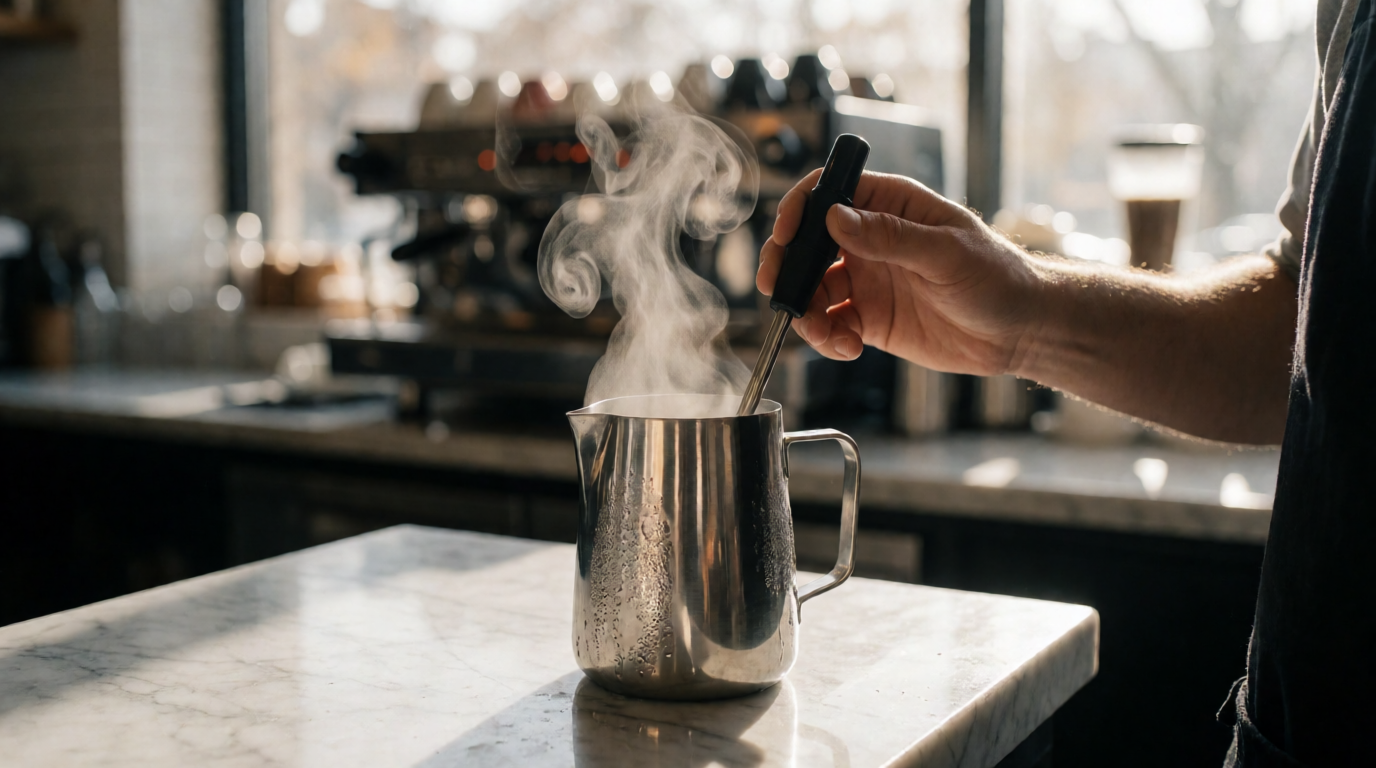
Milk frothers come in three main types: handheld wands (inexpensive, battery-powered), steam wands (integrated into espresso machines), and automatic frothers (standalone with heating and a whipping mechanism). Each has a different lifespan and performance curve. According to the Specialty Coffee Association’s (SCA) brewing standards, optimal milk steaming requires consistent steam pressure between 1.0 and 1.5 bar and a temperature range of 140–149°F (60–65°C). When a frother can no longer maintain these parameters consistently, it’s time to upgrade.
Timing matters because the cost of delayed action adds up. A worn-out frother doesn’t just produce bad foam — it wastes milk (due to over-steaming or burning), slows down your drink queue, and frustrates staff. In my experience consulting with over 50 coffee businesses, I’ve seen a simple upgrade cut milk waste by 15% and reduce customer complaints by 20%. The key is knowing the signs.

The Real Impact of an Outdated Milk Frother
You might think a slightly imperfect froth is no big deal — but data tells a different story. The National Coffee Association’s 2025 survey found that 62% of specialty coffee drinkers consider milk quality a primary factor in beverage satisfaction. If your frother is producing large bubbles or scalding milk, those customers will notice and may not return.
From an operational standpoint, inefficiency adds up. A slow frothing wand can add 30–45 seconds per drink. In a busy coffee shop serving 200 drinks per day, that’s nearly 2 hours of wasted labor. Multiply that by an hourly wage, and you’re losing thousands per year.
💡
Key Takeaway
An outdated milk frother doesn’t just harm drink quality — it directly impacts your bottom line through wasted time, ingredient waste, and lost repeat customers.
Beyond economics, there’s a hygiene risk. Milk residue that builds up in cracked seals or corroded wands becomes a breeding ground for bacteria. According to a study published in the Journal of Food Protection (#citation placeholder), improperly cleaned frothers can harbor Listeria and E. coli. Upgrading to a stainless steel, easily disassembled model solves this.
When to Upgrade: 5 Clear Triggers
1. Inconsistent Microfoam
Your latte art suddenly looks like a cloud of soap bubbles. This is often the first sign that the steam pressure has dropped or the tip is clogged. If descaling doesn’t fix it, the internal seals may be failing. A test: steam for 10 seconds; the milk should double in volume with a glossy sheen. If it doesn’t, upgrade.
2. Reduced Steam Pressure
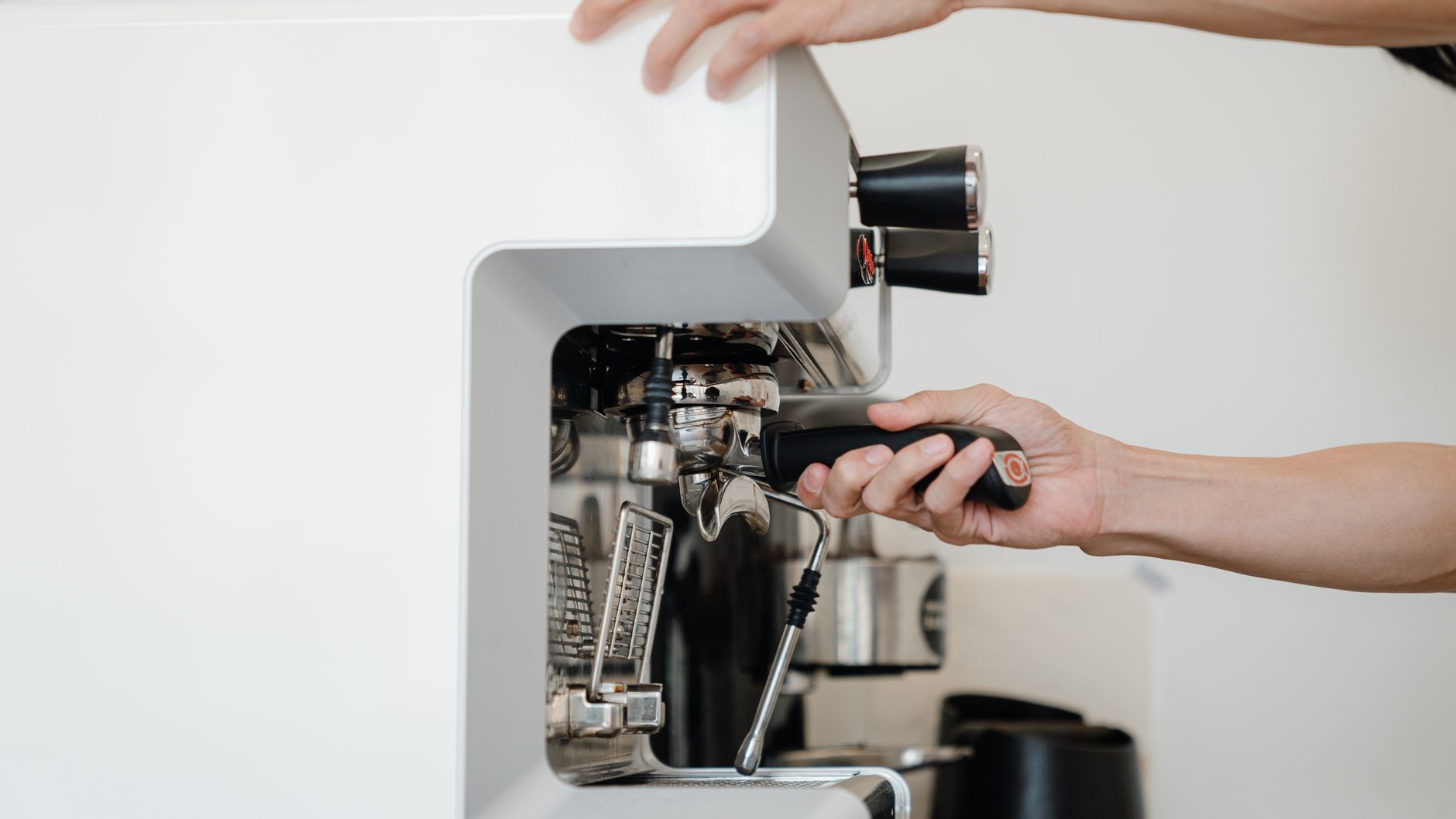
A healthy steam wand should produce a steady, forceful jet. If steaming takes longer than 60 seconds for a 12 oz pitcher (from cold to 150°F), the heating element or pump is weakening. Check your machine’s manual for expected steam time — if it’s off by more than 20%, it’s time for a new frother or machine.
3. Excessive Noise or Vibration
A frother that rattles, screeches, or vibrates abnormally is likely suffering from worn bearings or a misaligned impeller. This isn’t just annoying — it can cause inconsistent aeration and eventually failure.
4. Leaking or Visible Corrosion
Any milk or water leakage around the wand base or inside the frother indicates seal failure. Corrosion on the steam tip or inside a handheld frother’s shaft is a health hazard. Upgrade immediately to a stainless steel version.
5. New Menu Demands
If you’ve recently added oat milk, almond milk, or other alt-dairy items, your frother must handle them. Many non-dairy milks require precise temperature control (around 140°F max) to avoid separation. Standard frothers may not be adjustable. An upgrade to a PID-controlled automatic frother or a commercial steam wand solves this.
How to Choose the Right Milk Frother for Your Setup
| Option | Best For | Pros | Cons | Price Range |
|---|---|---|---|---|
| Handheld Wand | Home, occasional use | Cheap, portable | Manual effort, inconsistent, short lifespan | $10–$50 |
| Steam Wand (built-in) | Espresso machines, high volume | Professional microfoam, temperature control | Requires skill, higher upfront cost | Included with machine ($500+) |
| Automatic Frother | Offices, convenience | One-touch, consistent, multi-milk | Limited texture control, slower for high volume | $100–$300 |
| Commercial Steamer | High-volume cafes | Fast, powerful, durable | Expensive, requires installation | $1,000+ |
For a coffee shop doing 300+ drinks/day, a dual-boiler espresso machine with a high-pressure steam wand is ideal. For an office breakroom where employees make 20–50 lattes a day, an automatic frother from Busy Bean Coffee simplifies training and ensures consistency. Our all-inclusive coffee membership includes premium SENSA equipment with advanced steam systems and maintenance, so you never have to worry about upgrade timing alone.
💡
Key Takeaway
The best upgrade matches your volume and skill level — don’t overbuy for low usage or underbuy for high demand.
Common Questions & Misconceptions
Myth 1: All frothers are essentially the same. Wrong. The difference between a $20 handheld wand and a $200 automatic frother is night and day. The cheap wand creates large, unstable bubbles that dissipate quickly; the automatic creates dense, silky microfoam that holds for minutes. If you’re serving customers, use commercial-grade equipment.
Myth 2: You only need to replace when broken. By then, you’ve already lost customers and efficiency. Proactive replacement — every 2–3 years for commercial use — is smarter. Myth 3: Handheld frothers are just as good as steam wands for lattes. Not true. Steam wands heat and aerate simultaneously, creating better texture. Handhelds only aerate, leaving milk cold unless microwaved, which often scalds.
Frequently Asked Questions
How often should I replace my milk frother?
For commercial environments, replace every 2–3 years (or per manufacturer recommendation). Home users can stretch to 3–5 years if performance is stable. Key sign: if cleaning no longer restores original foam quality, it’s time. Track your frother’s age and performance monthly.
Can I use a frother for non-dairy milks?
Yes, but not all frothers handle them well. Oat milk requires gentler heating (max 140°F) to avoid gumming. Soy and almond need high pressure to form stable foam. Look for an automatic frother with adjustable temperature, or a steam wand with variable pressure. Our Bean to Cup Office Espresso Machines feature PID-controlled steaming designed for all milk types.
What’s the difference between a frother and a steamer?
A frother adds air to cold or hot milk but doesn’t always heat it. A steamer injects steam to heat and aerate simultaneously, producing superior microfoam. For cappuccinos and lattes, a steamer is best. Handheld frothers are for quick, cold foam topping; automatic frothers can both heat and foam.
Should I upgrade my frother if I’m not getting good microfoam?
Absolutely. The most common cause of poor microfoam is inadequate pressure or temperature stability. First, check your technique (angle, depth). If that’s correct, a hardware upgrade is needed. Many espresso machines sold by Busy Bean Coffee include powerful steam wands that make professional microfoam easy — see our Top Small Office Espresso Machine Options.
Is it worth upgrading to an automatic frother in an office?
Yes. Automatic frothers eliminate the learning curve and produce consistent results every time. For an office with diverse milk preferences, a one-button frother supports high satisfaction with minimal training. It also reduces cleanup compared to steam wands. Check out our Benefits of Managed Coffee Service for Offices to see how a managed solution can include a top-tier frother without upfront cost.
Conclusion
Knowing when to upgrade milk frothers is a skill that saves money, improves quality, and keeps customers happy. Look for inconsistent foam, slow steaming, strange noises, leaks, or new milk types that your current frother can’t handle. By upgrading proactively, you’ll stay ahead of problems and maintain a premium coffee experience.
If you’re ready to simplify your coffee setup with a reliable, commercial-grade milk frothing solution, explore Busy Bean Coffee’s all-inclusive managed service. We provide SENSA espresso machines with advanced steam systems, professional installation, and ongoing maintenance — for one predictable monthly fee. Visit www.busybeancoffee.com to learn more.
About the Author
Travis Estes is the founder of Busy Bean Coffee, a company that has provided specialty coffee equipment and managed coffee solutions to hotels, restaurants, and offices since 2014. With a hands-on background in barista training and equipment maintenance, Travis writes practical, data-backed guides to help businesses brew better coffee.
Free Coffee Pairing Guide & Specialty Roast Cheat Sheet
Unlock the secrets of perfect brewing ratios, water temperatures, and specialty roast profiles. Download the guide.