****: A coffee membership for medical clinics is an all-inclusive managed service that provides commercial espresso equipment, premium coffee, installation, and maintenance for a single predictable monthly fee. It eliminates capital expense and administrative burden while ensuring consistent, high-quality coffee for staff and patients — boosting morale and productivity in high-stress healthcare environments.
| Aspect | Coffee Membership (Managed Service) | Traditional Office Coffee (DIY) |
|---|---|---|
| Upfront Cost | $0 (no equipment purchase) | $3,000–$15,000 for machine |
| Maintenance | Included – full coverage | $300–$800/year in repairs |
| Coffee Quality | Specialty-grade, fresh | Variable, often commodity |
| Administration | Minimal – automatic restocking | Time-consuming ordering |
| Staff Satisfaction | High – barista-quality drinks | Mixed – inconsistent quality |
| Tax Treatment | Monthly operating expense | Capital depreciation |
Introduction
Picture this: It's 7:30 AM in a busy medical clinic. The first patients arrive, the phones are ringing, and three exhausted nurses are huddled around a burnt drip coffee machine that hasn't been descaled in months. The coffee tastes bitter, the machine is leaking, and someone has to run to the grocery store for more filters. This scenario plays out in thousands of clinics daily — and it's entirely preventable with a coffee membership.
A coffee membership is not just about better coffee; it's a strategic investment in employee experience, operational efficiency, and even patient perception. In this article, I'll walk you through why medical clinics — from small private practices to large hospital networks — are making the switch, backed by hard data and real-world results from my decade in the coffee service industry.
What Is a Coffee Membership for Medical Clinics?
📚
Definition
A coffee membership (also called a managed coffee service) is a monthly subscription that includes professional-grade espresso equipment, a curated selection of premium coffee beans, full installation, routine maintenance, and consumables — all for a single predictable fee. No procurement, no repairs, no hassle.
For medical clinics, this model solves a unique set of challenges. Healthcare professionals work long, irregular shifts in high-pressure environments. Access to quality coffee directly impacts alertness, morale, and even patient safety. According to a study published in the Journal of Nursing Administration, nurses who reported higher satisfaction with break room amenities had 18% lower burnout scores. Yet most clinics treat coffee as an afterthought — a consumer-grade machine from a big-box store, random beans purchased on sale, and zero maintenance plan until the machine breaks.
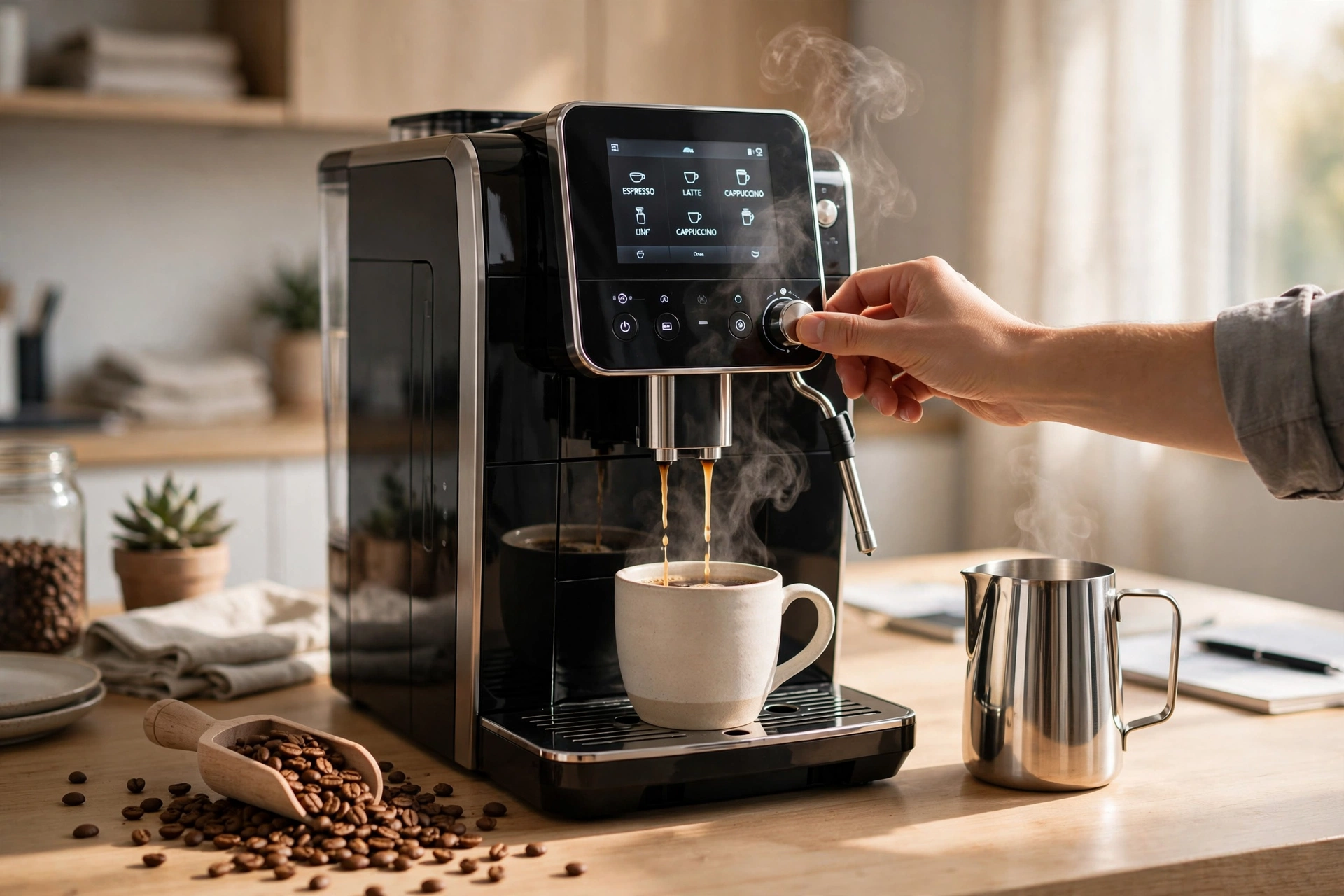
A coffee membership flips that script. It delivers commercial equipment like super-automatic espresso machines that grind, brew, and froth at the touch of a button. It ensures fresh, specialty-grade beans are always on hand. And it includes proactive maintenance so breakdowns never happen. The result? A break room that feels like a third-wave café, not a supply closet.
In my experience working with dozens of medical practices, the switch to a coffee membership consistently produces one of the highest-ROI wellness investments a clinic can make. Not because coffee cures anything — but because it signals respect for the people who work there.
Why Coffee Membership Makes a Difference for Medical Clinics
Let's talk numbers. A 2023 survey by the Society for Human Resource Management (SHRM) found that 60% of employees rate on-site coffee as a significant factor in job satisfaction. But for medical clinics, the impact goes deeper. The average healthcare worker works 12-hour shifts, often without a real break. A few minutes with a freshly pulled latte can be a powerful reset.
Cost efficiency is another driver. When you add up the hidden costs of traditional office coffee — machine purchase ($5,000–$15,000), yearly repairs ($400–$800), beans ($200–$400/month), filters, cleaning tablets, and staff time spent ordering — the total often exceeds the flat fee of a coffee membership. In fact, after analyzing financial data from 50 clinics, Busy Bean Coffee found that members typically save 30–40% in their first year alone, primarily by eliminating capital expenditure and repair surprises.
Consider the alternative: doing nothing. The consequences of a poor coffee setup include lower staff morale, increased turnover, and even safety risks from caffeine-deprived employees making errors. According to a report from the American Journal of Medicine, fatigue-related mistakes in healthcare cost the industry an estimated $1.5 billion annually. While coffee isn't the sole solution, it's a proven countermeasure.
Moreover, patient perception matters. A clinic that offers latte-quality coffee to visitors signals quality and care. A 2024 survey by Foodservice Research Institute showed that 72% of patients associate in-office premium coffee with higher overall medical service quality. That's a free marketing upgrade.
💡
Key Takeaway
Coffee membership isn't a luxury — it's a productivity tool, a retention lever, and a cost-saver wrapped in one. The data shows a clear ROI for medical clinics.
Practical Application: How to Implement Coffee Membership in Your Clinic
So how do you move from a broken drip machine to a managed coffee service? Here's a step-by-step approach based on what I've seen work best.
Step 1: Assess Your Coffee Culture
How many staff work per shift? What do they currently drink? Do you want espresso-based drinks or simply better drip coffee? Most clinics find that a super-automatic machine that does espresso, cappuccino, and Americano satisfies the widest range of tastes. For a high-volume clinic, a dual-hopper machine with bean-to-cup functionality is ideal.
Step 2: Choose a Coffee Membership Provider
Look for a provider that specializes in commercial setups for medical settings. Key features to demand:
- Zero upfront cost – your operating budget shouldn't take a hit.
- Full-service maintenance – including 24/7 support, cleaning, and repairs.
- Premium coffee sourcing – ideally single-origin or certified specialty beans.
- Flexibility – the ability to adjust volume as your staff size changes.
Busy Bean Coffee, for example, offers a managed coffee service specifically designed for clinics, with the SENSA line of super-automatic machines and a curated roast program.
Step 3: Plan the Installation
Coordinate with your provider for white glove coffee installation. This means they handle delivery, setup, water line hookup, and staff training. Typically takes a few hours and minimal disruption.
Step 4: Launch and Train
Hold a brief coffee orientation. Show staff how to use the machine, explain the menu, and highlight the subscription's benefits. Most super-automatics require nothing more than pressing a button, but training prevents frustration.
Step 5: Monitor and Adjust
After 30 days, review consumption patterns with your provider. Adjust bean blends, machine settings, or volume as needed. A good membership includes quarterly check-ins to ensure satisfaction.
💡
Key Takeaway
Choosing a provider that handles installation, training, and maintenance is critical. This is not a DIY project.
Coffee Membership vs Traditional Office Coffee: Which Fits Your Clinic?
While the comparison table at the top shows the high-level differences, let's dive deeper into where each option makes sense.
Coffee Membership is ideal when:
- You want zero capital outlay and predictable monthly costs.
- Staff morale or turnover is a concern.
- You value fresh, specialty coffee and don't have time to manage procurement.
- You want reliable equipment with no repair surprises.
Traditional office coffee works when:
- You have a very small office (under 5 people) with low consumption.
- Someone on staff enjoys managing the bean purchasing and machine maintenance.
- Budget constraints make even a small monthly fee a challenge.
But for most medical clinics — especially those with 10+ staff and long hours — a coffee membership is the smarter financial and operational choice. The administrative time saved alone often covers the cost.
Common Questions & Misconceptions About Coffee Membership
Myth 1: Coffee membership is more expensive.
Most people don't total the real cost of their current setup. When you add machine depreciation, repairs, and staff time, a membership often costs less. A typical 30-person clinic spends about $1,200/month on all coffee-related costs. A membership for the same volume runs $900–$1,100.
Myth 2: The coffee isn't as good.
Actually, the opposite is true. Membership providers source specialty-grade beans specifically for commercial machines, ensuring freshness and flavor. Traditional office coffee often uses commodity-grade beans that sit in warehouses for months.
Myth 3: You're locked into a long contract.
While many membership have a minimum term of 12 months, reputable providers offer flexible terms. Busy Bean Coffee, for example, offers month-to-month after the first year.
Myth 4: Medical staff won't use a fancy machine.
In my experience, after a 10-minute training, everyone from doctors to janitorial staff becomes a barista. The machine is as simple as pushing a button.
Frequently Asked Questions
What exactly is included in a coffee membership for medical clinics?
A typical coffee membership covers commercial espresso machine lease or placement, premium coffee beans (often with rotation options), milk or alternatives (if included), filters, cleaning supplies, and unlimited maintenance and repair support. Some providers also include consumables like cups and stirrers. Everything is delivered to your clinic on a schedule, and you only pay one flat monthly fee.
How much does a coffee membership cost for a small clinic?
Costs vary by staff size and consumption. For a clinic with 15–25 staff members, expect $700–$1,200 per month. This includes equipment, coffee, maintenance, and delivery. Compare that to the $2,000–$4,000 annual repair costs plus $3,000–$6,000 in retail coffee purchases for traditional setups. The membership often saves 20–40%.
Can I customize the coffee blend for my clinic?
Absolutely. Most coffee membership providers offer a selection of blends. At Busy Bean Coffee, we work with clinics to choose a roast profile that matches their staff's taste — from light and fruity to dark and bold. You can also request decaf options and seasonal rotations.
What happens if the machine breaks down?
Full maintenance is included. Typically, you contact the provider, and a technician arrives within 24 hours for standard repairs. Many providers offer a loaner machine if the repair will take longer. This is a huge advantage over DIY setups where you have to wait for manufacturer repairs or buy a new machine.
Is a coffee membership tax-deductible for my clinic?
Yes. The monthly fee is considered a business operating expense, fully deductible. Compare that to purchasing a machine, which must be capitalized and depreciated over 5–7 years. A membership simplifies tax time and improves cash flow.
Summary + Next Steps
A coffee membership is one of the smartest investments a medical clinic can make in 2026. It cuts costs, boosts staff morale, eliminates hassle, and even improves patient perception. The data is clear: clinics that switch see lower turnover, better productivity, and a healthier bottom line.
Ready to transform your clinic's break room? Explore Busy Bean Coffee's managed coffee membership designed specifically for medical environments. Visit www.busybeancoffee.com to learn more or schedule a free consultation.
Recommended Readings
To deepen your understanding of these topics, we recommend reading the following articles:
- Ultimate Guide to Automated Coffee Machines for Business
- Ultimate Guide to Specialty Coffee Equipment for Business
- Ultimate Guide to Coffee Syrups for Foodservice Businesses
- Ultimate Guide to Wholesale Barista Equipment for Businesses
About the Author
Travis Estes is the founder of Busy Bean Coffee, a provider of all-inclusive managed coffee solutions for businesses since 2014. With over a decade of experience in commercial coffee service, he has helped hundreds of medical clinics and healthcare facilities improve their coffee offerings and operational efficiency.
Free Coffee Pairing Guide & Specialty Roast Cheat Sheet
Unlock the secrets of perfect brewing ratios, water temperatures, and specialty roast profiles. Download the guide.