Which Specialty Coffee Equipment Is Best for Your Business Model?
Most business owners make the mistake of buying the most expensive machine they can find, assuming price equals quality. In my experience working with hundreds of foodservice operators, the "best" gear isn't the one with the most buttons; it's the one that aligns with your specific volume, staff skill level, and desired beverage profile. For a high-volume hotel, the best specialty coffee equipment is a super-automatic system that ensures consistency; for a boutique cafe, it's a manual espresso machine that allows a trained barista to showcase the nuance of the bean.

If you are deciding between manual precision and automated efficiency, the answer depends on your labor costs and quality targets. For those managing smaller office environments, exploring the Best Office Espresso Machines for Small Teams in 2026 provides a clear framework for balancing cost and output.
What Exactly Qualifies as Professional Specialty Coffee Equipment?
When we talk about specialty gear, we aren't talking about consumer-grade pods or basic drip pots. We are referring to tools designed to extract the maximum flavor potential from high-scoring beans, typically those using Coffea arabica. These machines must maintain precise temperature stability, consistent pressure, and rigorous sanitary standards to be viable in a commercial setting.
📚
Definition
Specialty Coffee is a term used to describe coffee that scores 80 points or higher on a 100-point scale, as developed by the Specialty Coffee Association (SCA). The equipment used to brew it must be capable of controlling variables like water temperature, grind size, and pressure to avoid over-extraction or under-extraction.
The core of any specialty setup is the espresso machine and the grinder. A common mistake I see constantly is businesses spending $15,000 on a machine but only $500 on a grinder. This is a fundamental error. The grinder determines the particle size of the coffee bean, which dictates how water flows through the puck. If the grind is inconsistent, no amount of machine technology can save the shot.
According to the Specialty Coffee Association (SCA), the precision of the grind is the single most important factor in achieving a balanced extraction. This means that when choosing your equipment, you must view the grinder and the brewer as a single, integrated system. If you are scaling your operations, a White Glove Coffee Service in Los Angeles CA - Complete Guide | Busy Bean Coffee can help you map out these technical requirements without the guesswork.
Why Does Your Equipment Choice Impact Your Bottom Line?
The decision of which gear to install isn't just about the taste of the coffee; it's a financial decision based on throughput and waste. In the foodservice industry, "seconds" matter. If a barista takes 45 seconds longer per drink because of an inefficient workflow or a slow-heating boiler, you lose significant revenue during the morning rush.
Moreover, the cost of equipment failure is astronomical. A machine that goes down during a peak Friday morning shift doesn't just cost you the repair bill; it costs you the lifetime value of the customers who decided to go to the cafe across the street because your "Out of Order" sign was up. This is why we emphasize managed services at Busy Bean Coffee. Removing the capital expense and shifting to a predictable monthly fee eliminates the risk of catastrophic repair costs.
From a regulatory standpoint, the equipment must meet strict health and safety codes. For instance, NSF International provides the gold standard for food equipment sanitation. Using non-certified gear in a commercial kitchen doesn't just risk the quality of your brew; it creates a liability that can result in failed health inspections and forced closures.
The impact on labor is equally significant. A fully manual setup requires a highly skilled barista. If your staff turnover is high, your coffee quality will fluctuate wildly. Conversely, an automated system provides "push-button" quality. When we analyzed the ROI for our clients, those who switched to automated specialty solutions saw a reduction in training time by nearly 60%, as the machine handled the complex variables of pressure and temperature.
How to Choose the Right Setup for Your Use Case
Implementing a coffee program requires a step-by-step audit of your environment. You cannot simply pick a machine from a catalog; you must map the "path of the bean" from the delivery truck to the customer's cup.
- Analyze Peak Volume: Calculate the maximum number of drinks you need to serve in a 60-minute window. If you need 50+ lattes per hour, a single-group machine will be a bottleneck. You need a multi-group machine or a high-capacity super-automatic.
- Assess Staff Skill Level: Be honest about your team. Do you have a certified barista who understands dialing-in a shot? Or do you have general staff who need a system that prevents them from ruining the coffee?
- Evaluate Water Quality: This is the most overlooked step. Hard water destroys boilers and ruins the taste of specialty coffee. You must install a professional filtration system.
- Define Your Menu: If you only serve black coffee, a high-end batch brewer is sufficient. If you have a complex latte menu, you need an espresso machine with powerful steam wands. To ensure your presentation is as good as the taste, you might consider Where to Buy Latte Art Tools for Foodservice Pros | Busy Bean Coffee.
At Busy Bean Coffee, we streamline this process by providing an all-inclusive managed membership. We don't just drop a machine on your counter; we handle the installation, calibrate the equipment to your specific beans, and provide ongoing maintenance. This ensures that the "best" equipment actually stays functional and performs at peak capacity every single day of the year.
💡
Key Takeaway
The most expensive machine is a liability if it isn't paired with professional water filtration and a staff trained to operate it. Focus on the ecosystem, not just the hardware.

Comparing the Three Main Equipment Paths
When deciding which specialty coffee equipment to invest in, most businesses fall into one of three categories: Manual, Semi-Automatic/Automatic, or Super-Automatic. Each has a different trade-off between control, speed, and cost.
| Feature | Manual/Traditional | Semi-Automatic | Super-Automatic |
|---|---|---|---|
| Control | Absolute (Barista decides all) | High (Hybrid control) | Low (Programmed) |
| Consistency | Variable (Depends on skill) | Moderate to High | Very High |
| Speed | Slower (Manual tamping/frothing) | Moderate | Fast (One-touch) |
| Labor Requirement | Expert Barista Required | Trained Staff | Minimal Training |
| Best For | Specialty Coffee Shops | Mid-size Cafes / Restaurants | Hotels / Offices / High-Volume |
If you are operating in a city like Charlotte, you might find that a Coffee delivery service in Charlotte NC - Complete Guide | Busy Bean Coffee can help you coordinate your bean supply with these specific equipment needs to ensure freshness.
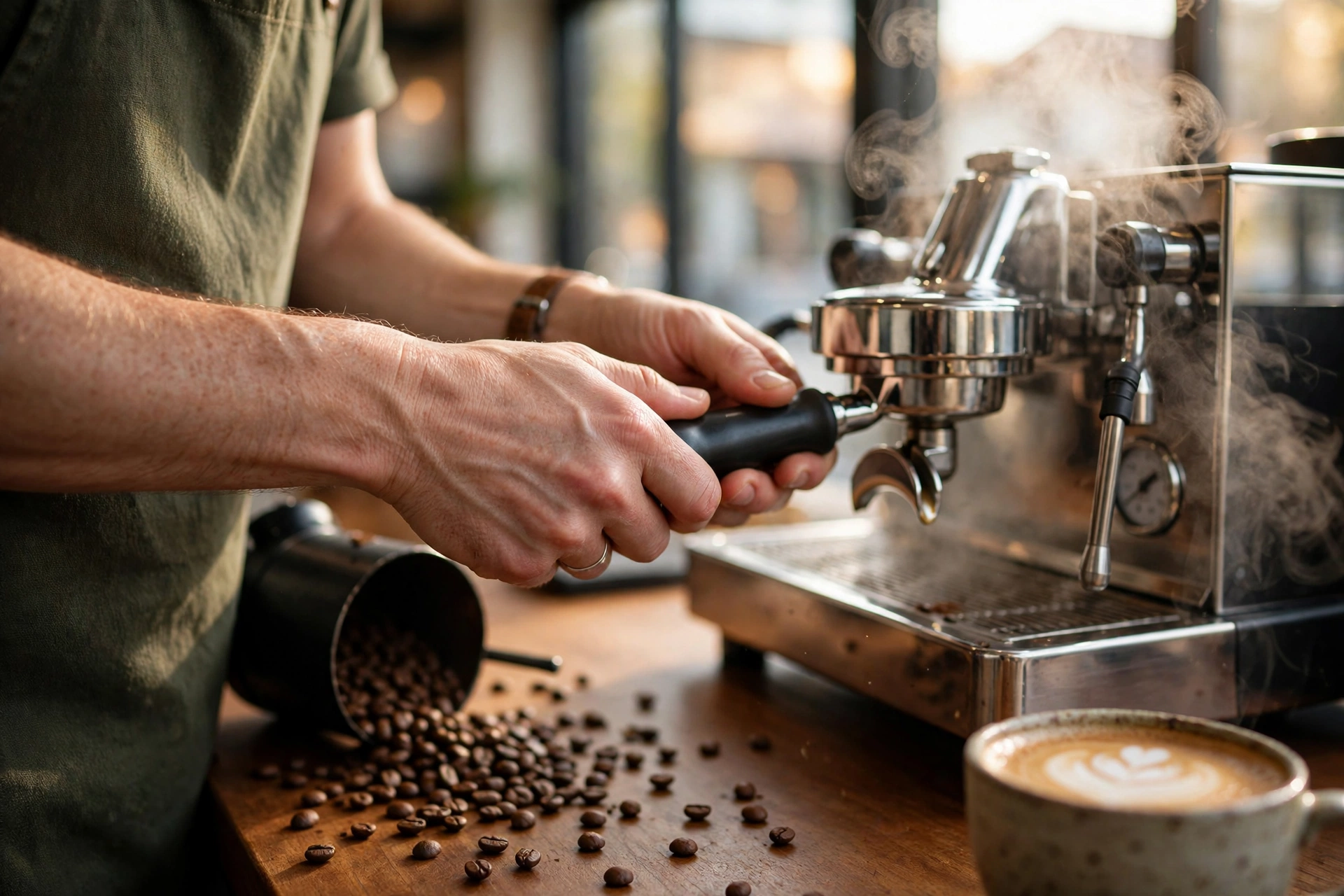
The "Traditional" path is for those who view coffee as a craft. It allows for "profiling," where the barista changes the pressure during the shot to highlight different notes of the Coffea arabica bean. However, this is a high-risk strategy. One mistake in tamping or a slight change in humidity can turn a $5 latte into a cup of bitter waste.
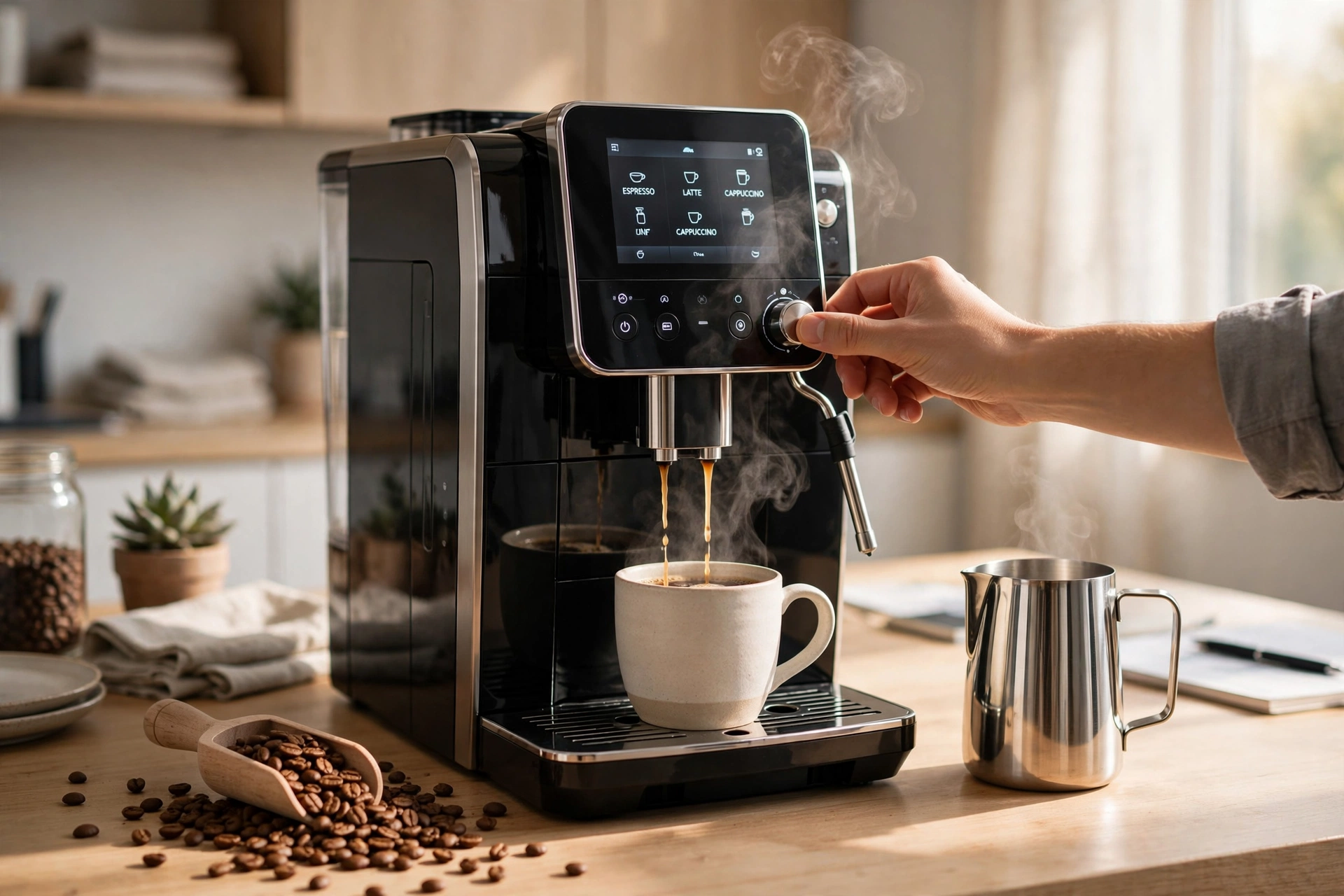
The "Super-Automatic" path, which we specialize in via our managed memberships, is the modern business approach. It integrates the grinder and the brewer into one unit. While some purists argue it lacks the "soul" of manual brewing, the data shows that for the average customer, the consistency of a perfectly calibrated super-automatic is preferable to the inconsistency of a poorly trained barista.
Common Misconceptions About Specialty Coffee Gear
There is a lot of misinformation in the industry, often pushed by manufacturers who want to sell you a machine you don't actually need. Here are the most common myths I encounter.
Myth 1: "More features equal better coffee."
Most guides get this wrong by praising "PID controllers" and "dual boilers" as if they are magic. While they are helpful, they are tools. A machine with 50 features that your staff doesn't know how to use is actually worse than a simple, robust machine used correctly. The best equipment is the one that is actually used to its full potential.
Myth 2: "Automatic machines can't make 'real' specialty coffee."
This is an outdated view from ten years ago. Modern super-automatics use precision burs and advanced temperature profiling that can rival manual machines. According to the National Coffee Association USA (NCA), consumer preferences are shifting toward convenience without sacrificing quality, which has pushed the technology in automated machines forward exponentially.
Myth 3: "I can just use filtered tap water."
This is the fastest way to kill your investment. "Filtered" is a vague term. To protect a commercial espresso machine, you need a system that specifically manages scale and chlorine. Without it, you'll have calcium buildup in your heat exchanger, leading to uneven temperatures and eventually a complete system failure.
Frequently Asked Questions
Which espresso machine is best for a high-turnover staff?
For businesses with high staff turnover, super-automatic machines are the only logical choice. These systems automate the grinding, tamping, and frothing processes, reducing the "human error" variable. In my experience, when you remove the need for a specialized barista, you eliminate a major bottleneck in your hiring process. You can train a new employee to operate a professional automated system in 15 minutes, whereas a manual machine requires weeks of practice to achieve consistency.
Does the brand of the grinder really matter as much as the machine?
Yes, it matters perhaps more than the machine. A high-end espresso machine cannot compensate for a poor grind. If your grinder produces a wide range of particle sizes (bimodal distribution), the water will find the path of least resistance, causing "channeling." This results in a shot that is simultaneously sour and bitter. Investing in a flat-burr or conical-burr grinder from a reputable commercial brand is essential for any specialty coffee program.
How often should specialty coffee equipment be serviced?
Professional gear should undergo a "preventative maintenance" cycle rather than a "break-fix" cycle. At a minimum, group heads should be backflushed daily, and water filters should be replaced according to the gallonage specified by the manufacturer. However, a full technical calibration—checking pump pressure, boiler seals, and temperature stability—should happen quarterly. This is why we include full maintenance in our Busy Bean Coffee memberships; it prevents the $2,000 emergency repair by spending $50 on a scheduled check-up.
What is the difference between a single-boiler and a dual-boiler machine?
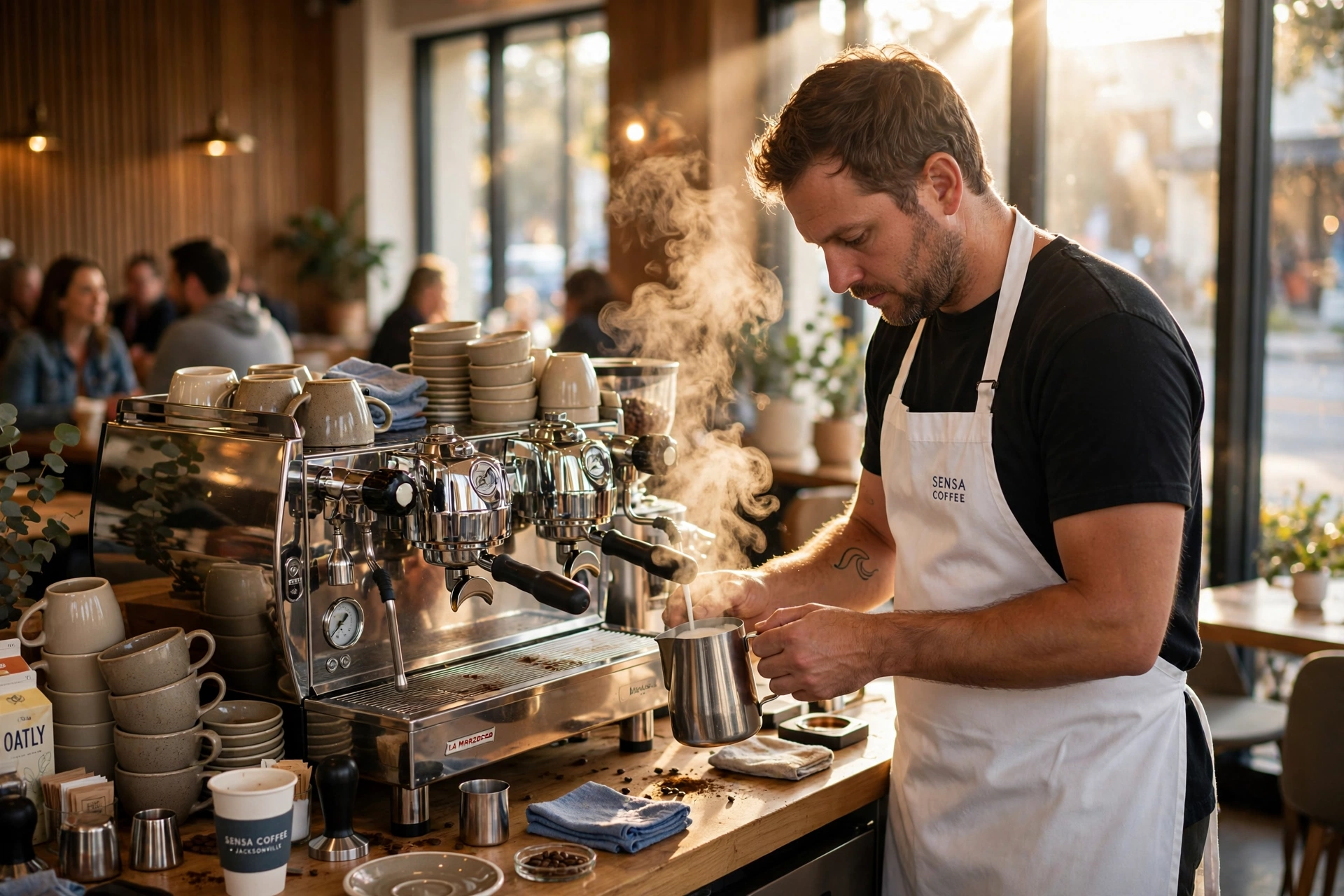
A single-boiler machine can either brew coffee or steam milk, but not both at the same time. In a commercial environment, this is a disaster, as it doubles your drink production time. A dual-boiler system has one boiler dedicated to the brew head and another for the steam wand. This allows a barista to pull a shot and froth milk simultaneously, which is the only way to maintain a viable speed of service in a busy cafe or hotel.
Is it better to buy equipment outright or use a managed service?
Buying outright creates a huge capital expenditure (CapEx) and leaves you responsible for all depreciation and repairs. A managed service, like the one we provide at Busy Bean Coffee, converts this into an operating expense (OpEx). You get the best equipment, professional installation, and a guarantee that the machine will work. For most businesses, the predictability of a monthly fee is far more attractive than the risk of owning a complex piece of machinery that requires constant upkeep.
Final Thoughts on Choosing Specialty Coffee Equipment
Selecting the right specialty coffee equipment is not about finding the "best" machine in the world, but the best machine for your specific operational reality. Whether you need the raw power of a manual setup or the seamless efficiency of an Automated Coffee Service in Fort Worth TX - Complete Guide | Busy Bean Coffee or a similar solution in Wilmington NC, the goal is always the same: consistent, high-quality output with the lowest possible friction.
If you are tired of managing the technical headaches of coffee gear and just want a system that works, we can help. At Busy Bean Coffee, we provide the equipment, the beans, and the maintenance for one predictable fee. Stop guessing which gear is best and let us build the perfect system for you.
Visit www.busybeancoffee.com today to see how we can transform your coffee service from a chore into a profit center.
Free Coffee Pairing Guide & Specialty Roast Cheat Sheet
Unlock the secrets of perfect brewing ratios, water temperatures, and specialty roast profiles. Download the guide.