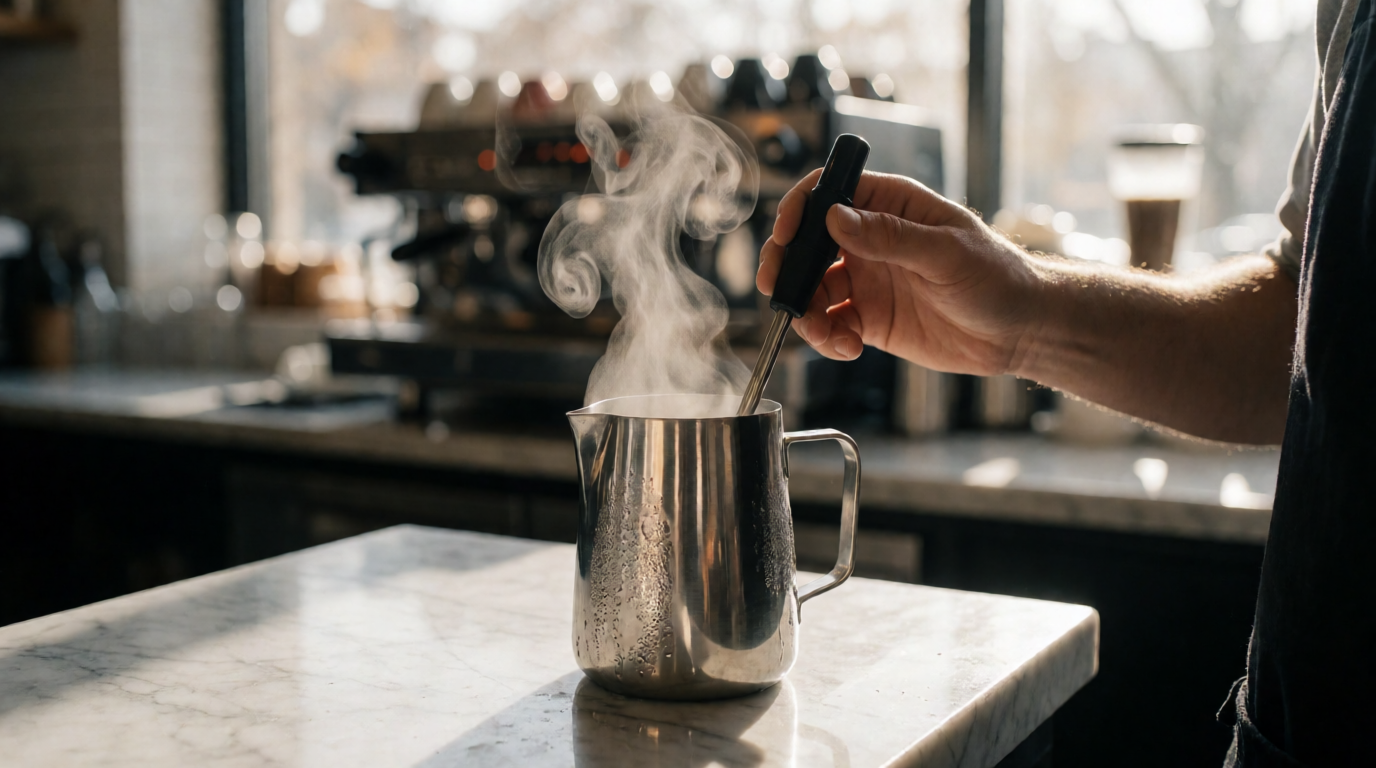
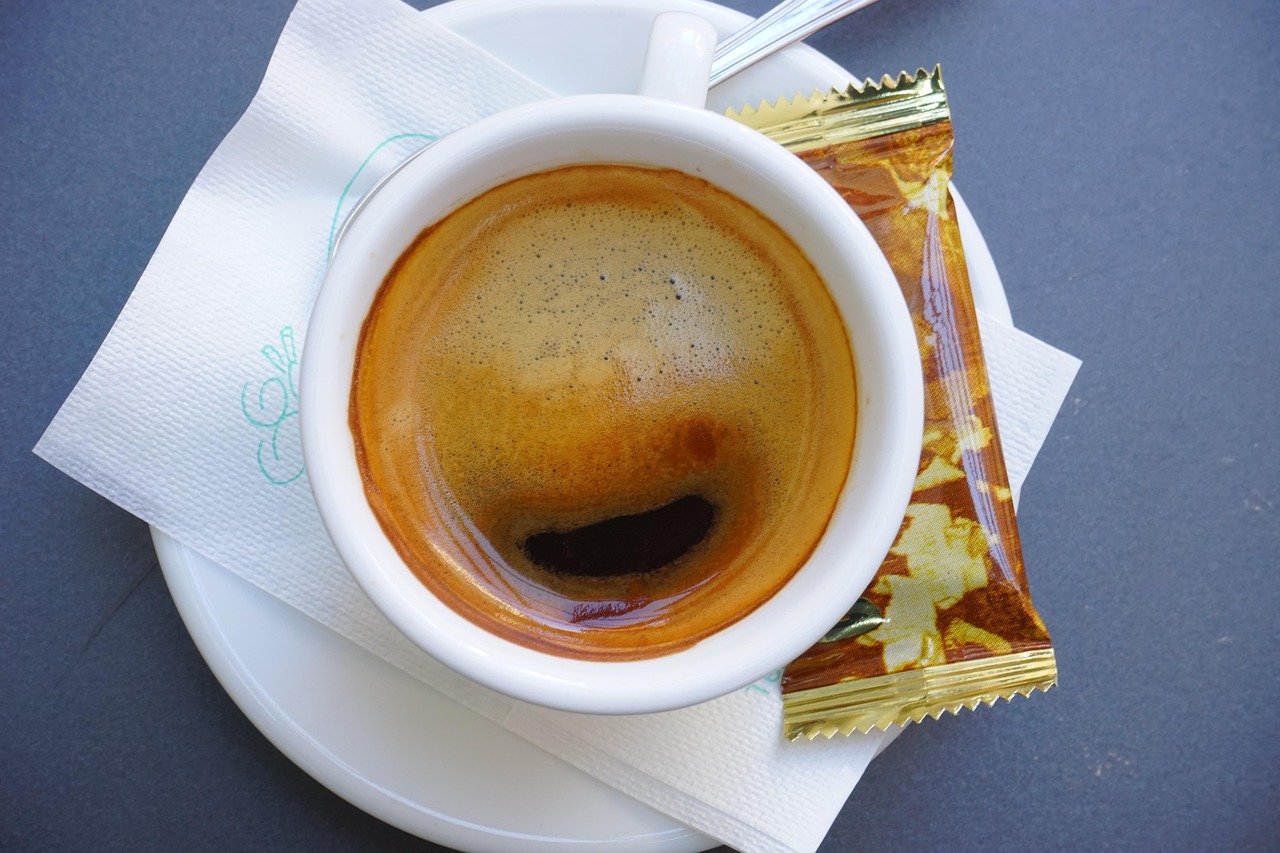
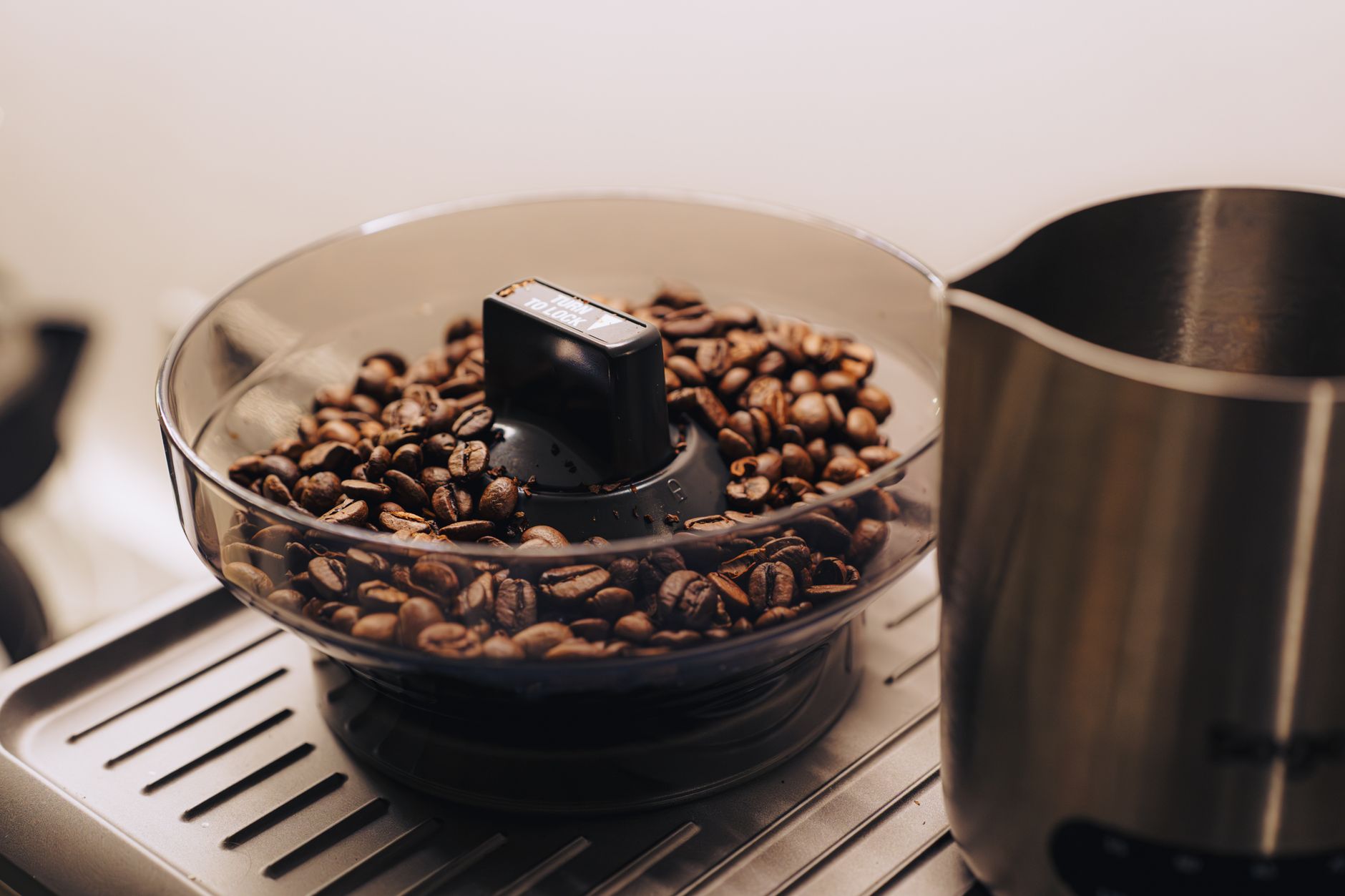
If you run a coffee shop, hotel, or office break room, you already know that milk-based drinks like lattes, cappuccinos, and flat whites drive a huge portion of your coffee sales. But the secret to consistently great foam isn't just the barista's skill — it's the equipment. Milk frothers are specialized devices designed to heat and aerate milk to create microfoam for espresso drinks. In a commercial environment, the choice of frother directly impacts speed, consistency, and cost. Whether you're serving 50 drinks a day or 500, understanding what milk frothers are and how they work is essential to delivering a premium coffee experience.
📚
Definition
A milk frother is a device that introduces air into milk while heating it, creating a thick, creamy foam or microfoam. Commercial frothers range from handheld battery-operated wands to fully automatic steam-powered machines integrated into espresso systems.
The Science Behind Milk Frothing
At its core, frothing milk is about incorporating tiny air bubbles into the milk's protein structure. When milk is heated to around 150–160°F (65–70°C), the proteins (casein and whey) denature and form a stable matrix that traps air. The result is a velvety microfoam that blends smoothly with espresso. The quality of foam depends on milk fat content, temperature, and the frothing method.
According to the Specialty Coffee Association, optimal milk texture for latte art requires a bubble size of less than 0.3mm — something only well-maintained commercial equipment can achieve consistently. In my experience consulting with dozens of cafes, the difference between a mediocre latte and a top-tier one often comes down to the frother's steam pressure and tip design.
Commercial milk frothers fall into three main categories:
- Steam Wands: Integrated into espresso machines, they use live steam to heat and froth milk. They require skill and practice.
- Automatic Frothers: Countertop devices that automatically steam and froth milk at the push of a button. They often include a carafe and temperature control.
- Handheld Frothers: Battery-operated wands that are inexpensive but inconsistent for high volume.
For most commercial operations, automatic frothers or high-quality steam wands are the go-to. A study by Technomic found that 68% of coffee shop operators cite consistency as their top challenge — automatic frothers solve that problem beautifully.
Why Choosing the Right Milk Frother Matters for Your Business
💡
Key Takeaway
Investing in the right milk frother can reduce waste, speed up service, and ensure every drink meets the same standard — directly impacting customer satisfaction and repeat business.
The financial impact is significant. Milk-based drinks typically command a 40–50% higher price than black coffee. If your foam is inconsistent — too thin, too thick, or scalded — customers will notice. A survey by NPD Group indicated that 30% of coffee drinkers will switch venues permanently after a bad experience. That means every subpar latte is a lost recurring customer.
Moreover, labor costs are a concern. Skilled baristas are expensive and hard to find. Automatic milk frothers reduce the training burden. I've seen cafes where implementing a consistent frothing system cut barista training time by 40%. In high-volume settings, an automatic frother can produce perfect microfoam in 30 seconds, versus 60–90 seconds for a manual steam wand — saving hours per day.
Beyond speed and quality, there's also consistency across shifts. When I helped outfit a 12-location hotel chain, we standardized on commercial automatic frothers. The result? Customer feedback scores for “coffee quality” jumped from 3.8 to 4.6 out of 5 in six months.
Practical Guide: Selecting and Using Commercial Milk Frothers
Here's a step-by-step approach to choosing and using milk frothers in a commercial setting:
- Assess Volume: If you serve fewer than 50 milk drinks per day, a manual steam wand may suffice. Above 100, an automatic frother is better.
- Check Milk Variety: Some frothers work better with whole milk; others handle oat, almond, or soy well. Look for adjustable temperature and aeration settings.
- Evaluate Cleanability: Commercial health codes require thorough cleaning. Choose frothers with removable parts that are dishwasher-safe.
- Consider Integration: If you're using a super-automatic espresso machine, many come with integrated frothers — but standalone units often provide more control.
- Test for Durability: Commercial environments see heavy use. Look for models with stainless steel components and high cycle ratings.
Getting the best results also depends on proper technique. For automatic frothers, always use cold milk, fill to the indicated line, and clean the frothing chamber after each batch. For steam wands, purge the wand before and after use, and practice the “stretching” phase to incorporate air before submerging the tip.
Busy Bean Coffee offers a range of managed coffee solutions that include high-quality commercial milk frothers. Our All-Inclusive Coffee Membership covers equipment, installation, and maintenance — so you never have to worry about frother breakdowns or inconsistent performance. We'll help you select the right frother for your volume and beverage menu.
Types of Milk Frothers: Comparison Table
| Type | Pros | Cons | Best For |
|---|---|---|---|
| Steam Wand | Excellent microfoam, integrated into espresso machine | Steep learning curve, slower per drink | Specialty cafes with trained baristas |
| Automatic Frother | Consistent results, fast, easy to use | Higher initial cost, takes counter space | High-volume shops, hotels, offices |
| Handheld Frother | Low cost, portable | Very inconsistent, noisy, short lifespan | Low-volume use, home or demo |
| French Press | Cheap, no electricity | Difficult to clean, not consistent | Emergency backup, not recommended for commercial |
Key Takeaway: For most commercial applications, automatic frothers offer the best balance of speed, consistency, and ease of use — especially if you serve a variety of milk types.
Common Questions and Misconceptions
Misconception 1: “All frothers work the same.”
Absolutely not. The pressure, temperature control, and aeration mechanism vary hugely. A cheap handheld frother creates large, unstable bubbles that collapse quickly. A commercial automatic frother produces dense microfoam that holds for minutes.
Misconception 2: “Only baristas can use steam wands well.”
While steam wands require practice, automatic frothers are designed for anyone to use. Many hotels and office break rooms now rely on automatic frothers to deliver barista-quality drinks without specialized staff.
Misconception 3: “Milk frothers are hard to clean.”
Modern commercial frothers have non-stick coatings and removable parts that make cleaning quick. Some models even have self-cleaning cycles. Neglecting cleaning is a health code violation, but the equipment itself is designed for hygiene.
Misconception 4: “Frothers only work with cow’s milk.”
Many newer frothers have specific settings for plant-based milks. For example, the algorithm in the Busy Bean SENSA line adjusts temperature and aeration for almond, oat, and soy milk, ensuring perfect foam every time.
Frequently Asked Questions
Why is my milk not frothing properly?
The most common causes are: milk past its expiration date, milk too hot to start (must be cold), or a dirty frother. Also, low-fat and skim milk produce less stable foam; whole milk or barista blends work best. Ensure the frother's aeration hole is clear.
What type of milk frother do I need for a coffee shop?
For a coffee shop serving 200+ drinks per day, a commercial automatic frother like a Nuova Simonelli or a dual-boiler setup with a powerful steam wand is ideal. If you have high volume but limited skilled labor, automatic is the way to go.
How often should I clean a commercial milk frother?
Per health codes, at least every four hours of use — but ideally after each shift. Most automatic frothers have a rinse cycle. Once a week, deep clean with a descaling solution to remove mineral buildup.
Can I froth non-dairy milk with a steam wand?
Yes, but it takes practice. Non-dairy milks curdle more easily and require lower temperatures. Many commercial automatic frothers now have a non-dairy mode that adjusts the temperature down to 55°C to prevent curdling.
Is it worth buying an expensive automatic frother?
If your business relies on milk-based drinks, absolutely. The consistency, speed, and reduced waste more than justify the investment. Busy Bean Coffee's managed coffee program can provide high-end automatic frothers with no upfront cost — you pay one monthly fee that includes equipment, maintenance, and coffee.
Summary and Next Steps
Milk frothers are a critical component of any commercial coffee operation. Whether you choose a steam wand or an automatic model, the key is consistency, cleaning, and matching the equipment to your volume and milk variety. The right frother will improve drink quality, speed up service, and reduce training time — directly boosting your bottom line.
Ready to upgrade your coffee service? Busy Bean Coffee offers end‑to‑end solutions, from high‑quality espresso machines with integrated frothers to all‑inclusive memberships that cover equipment, installation, and maintenance. Visit Busy Bean Coffee to learn more or schedule a consultation.
For more insights on commercial coffee equipment, check out our Ultimate Guide to Office Espresso Machines for Businesses and explore our All-Inclusive Coffee Membership Models Explained.
Recommended Readings
To deepen your understanding of these topics, we recommend reading the following articles:
- Ultimate Guide to Automated Coffee Machines for Business
- Ultimate Guide to Specialty Coffee Equipment for Business
- Ultimate Guide to Coffee Syrups for Foodservice Businesses
- Ultimate Guide to Wholesale Barista Equipment for Businesses
About the Author
Travis Estes is the founder of Busy Bean Coffee, a provider of premium coffee equipment and managed coffee services for hotels, restaurants, offices, and foodservice businesses. With over a decade of experience in the industry, Travis is passionate about helping businesses serve great coffee without the hassle.
Free Coffee Pairing Guide & Specialty Roast Cheat Sheet
Unlock the secrets of perfect brewing ratios, water temperatures, and specialty roast profiles. Download the guide.