What is Specialty Coffee Equipment and How Does it Define Quality?
I remember the first time I walked into a high-end cafe in Mount Pleasant, South Carolina, and saw a machine that looked more like a piece of laboratory equipment than a coffee maker. I had spent years thinking a "good" brewer was just one that stayed hot, but that was my first lesson in the precision of the craft. To truly understand the industry, you have to recognize that specialty coffee equipment is not just a set of tools; it is a sophisticated system designed to control every single variable—temperature, pressure, grind size, and flow rate—to unlock the complex flavor profiles of high-grade Arabica beans.
At its core, this equipment is engineered to eliminate the guesswork. While a standard home brewer simply steeps coffee in water, professional-grade gear allows a barista to manipulate the extraction process. Whether it is a precision espresso machine with PID temperature control or a commercial burr grinder that ensures perfectly uniform particles, the goal is consistency. Without this precision, the nuanced notes of a single-origin Ethiopian Yirgacheffe would be lost to over-extraction or bitterness. For businesses, investing in the right tools is the difference between serving a generic beverage and offering a curated experience.

The Core Components of a Specialty Coffee Ecosystem
To understand how these tools work, we have to look at them as a sequence of interventions. The process begins long before the water hits the grounds. It starts with the grinder. In the specialty world, we don't talk about "chopping" beans; we talk about "particle distribution."
📚
Definition
Specialty coffee equipment refers to professional-grade hardware—such as precision grinders, espresso machines, and brewing scales—designed to maintain strict control over the extraction variables of specialty-grade coffee (typically scoring 80+ points on the SCA scale).
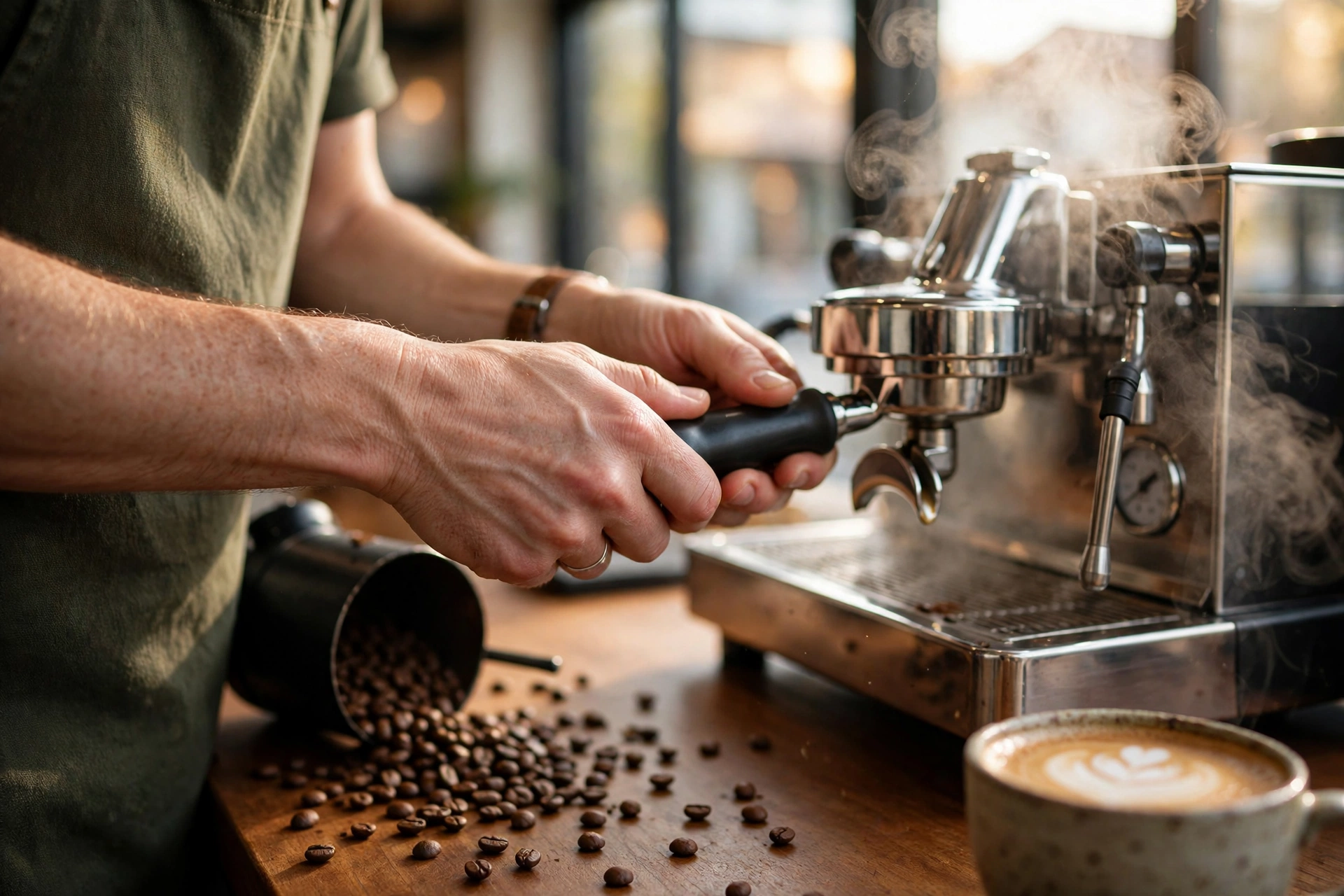
The most critical piece of gear is often the grinder. If you have a $20,000 espresso machine but a cheap blade grinder, your coffee will taste terrible. This is because blade grinders create "fines" (tiny dust-like particles) and "boulders" (large chunks). The fines over-extract, creating bitterness, while the boulders under-extract, creating sourness. A professional burr grinder, however, shears the coffee bean into uniform pieces, ensuring that water flows through the puck evenly.
Then we have the espresso machine. A true specialty machine isn't just about pressure; it is about thermal stability. When we talk about "PID control," we are referring to a digital controller that keeps the water temperature within a fraction of a degree. Even a two-degree drift can change a sweet, caramel-like shot into something acrid. For those managing high-volume environments, choosing the Best Office Espresso Machines for Small Teams in 2026 often means balancing this precision with ease of use.
According to the Specialty Coffee Association (SCA), the standards for brewing are based on a specific ratio of coffee to water and a precise temperature range (typically 195°F to 205°F). Achieving this consistently requires equipment that can be calibrated. This includes the use of digital scales that measure to the tenth of a gram and timers that track the extraction to the second. When every gram of Coffea arabica is accounted for, the result is a repeatable, world-class cup of coffee.
Why Precision Equipment is Essential for Business ROI
Many business owners make the mistake of viewing equipment as a sunk cost rather than a revenue driver. In my experience working with dozens of foodservice clients, the pattern is clear: businesses that use consumer-grade gear in a professional setting suffer from "invisible waste." This happens when baristas have to dump five or six shots of espresso just to "dial in" the machine because the temperature is fluctuating, or when customers send drinks back because they taste inconsistent.
The financial impact of poor equipment is measurable. If a cafe wastes just 10 shots of espresso per day due to equipment instability, that is over 3,600 shots a year of wasted product. Beyond waste, there is the issue of speed and throughput. According to the National Coffee Association USA (NCA), consumer preferences are shifting toward higher-quality, specialty beverages, meaning the "standard" coffee is no longer enough to command premium pricing.
When you use professional specialty coffee equipment, you are essentially buying "reliability." For example, using a volumetric dosing system on an espresso machine ensures that the exact same amount of water is pushed through every time, regardless of who is operating the machine. This removes human error and ensures that a customer gets the same taste on Tuesday morning as they did on Friday afternoon.
Furthermore, sanitation and longevity are huge factors. Equipment certified by NSF International ensures that the machines are built with food-safe materials and are designed for easy cleaning. In a high-volume environment, a machine that is difficult to clean leads to biofilm buildup and rancid oil accumulation, which ruins the flavor of even the most expensive beans. This is why we emphasize managed solutions; the equipment is not just installed, it is maintained to prevent these failures.
Practical Application: Implementing a Specialty Workflow
Setting up a specialty coffee station is not about buying the most expensive gear; it is about creating a logical flow. I've seen many shops buy a top-of-the-line machine only to place it in a spot where the barista has to walk three steps to get to the grinder. This "friction" kills efficiency.
Here is the professional approach to implementing a specialty workflow:
- The Grinding Station: Place the grinder immediately adjacent to the machine. Use a "dosing" workflow where the coffee is ground directly into a portafilter.
- The Puck Prep Area: Include a distribution tool and a tamper. The goal here is to ensure the coffee bed is perfectly flat so the water doesn't find a "path of least resistance" (known as channeling).
- The Extraction Zone: The espresso machine should be the center of the station. If you are providing a White Glove Coffee Service in Los Angeles CA - Complete Guide | Busy Bean Coffee, this is where the precision of the equipment shines, providing consistent temperature and pressure.
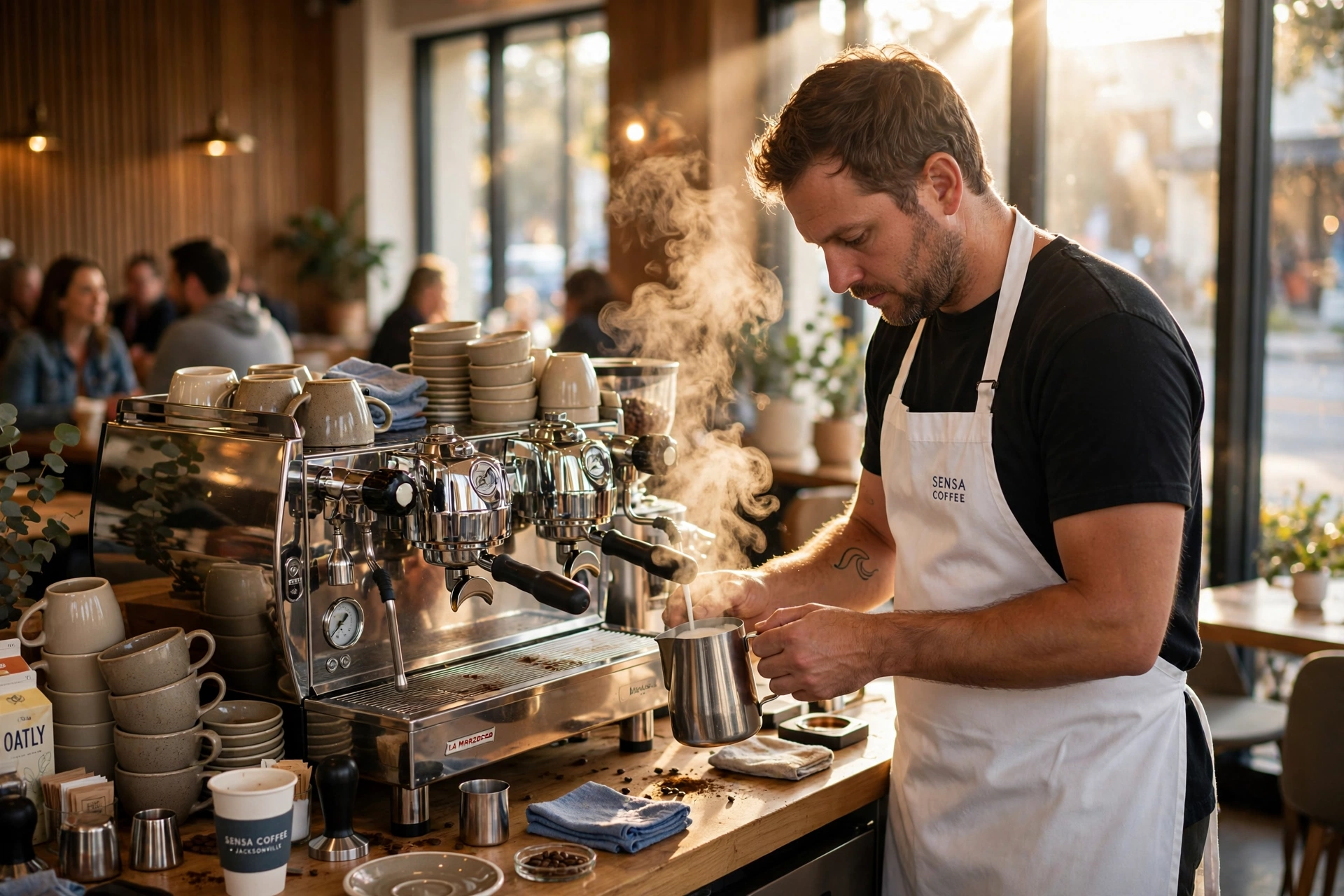
- The Finishing Station: This is where milk steaming and latte art happen. For those looking to elevate their presentation, knowing Where to Buy Latte Art Tools for Foodservice Pros | Busy Bean Coffee is essential, as the right pitcher and etching tool complete the luxury experience.
- The Cleaning Station: A dedicated area for "backflushing" the machine and cleaning steam wands.
💡
Key Takeaway
The "Golden Ratio" of specialty coffee is not just about the beans; it is about the harmony between the grinder, the machine, and the human operator. If one link in this chain is weak, the quality of the final cup collapses.
At Busy Bean Coffee, we handle this entire orchestration. Instead of leaving a business owner to guess which machine fits their volume, we provide a managed membership. We install the equipment, calibrate the grinders, and handle the maintenance. This transforms the equipment from a complex liability into a seamless utility.

Comparing Equipment Approaches: Traditional vs. Modern
When deciding on a setup, most owners fall into one of three camps. The mistake I see constantly is the "middle-ground" approach, where a business buys an expensive machine but doesn't have the staff or the system to maintain it.
| Feature | Traditional/Consumer Approach | Generic "Prosumer" Approach | Modern Managed Approach (Busy Bean) |
|---|---|---|---|
| Consistency | Low (High fluctuation) | Moderate (Requires constant tuning) | High (Calibrated & Maintained) |
| Upfront Cost | Low | Very High (CapEx) | Zero to Low (Membership) |
| Maintenance | Reactive (Fix when broken) | DIY (Owner handles cleaning) | Proactive (Scheduled service) |
| Training | None | Basic | Professional Barista Training |
| Bean Quality | Commercial Grade | Variable | Specialty Grade (SCA Standards) |
| Best For | Low-traffic breakrooms | Hobbyists | High-end Hotels, Restaurants, Cafes |
Now here's where it gets interesting: the "Generic Prosumer" approach often looks attractive because the machine looks "professional," but it lacks the infrastructure of a managed service. A machine is only as good as the water filtration feeding it. Without a professional water softening system, mineral scale will destroy a $10,000 boiler in less than two years. A managed service ensures the water chemistry is correct, which is the most overlooked part of specialty coffee equipment management.
Common Misconceptions About Professional Coffee Gear
Most guides get this wrong by suggesting that "more features" equal "better coffee." There is a dangerous trend of chasing "gadgets" rather than fundamentals.
Myth 1: The more expensive the machine, the better the coffee.
This is a fallacy. A $30,000 machine will produce terrible coffee if the beans are stale or the grind is incorrect. The most important factor is the synergy between the grinder and the machine. I've seen modest setups out-perform luxury machines simply because the operator understood the physics of extraction.
Myth 2: Automatic machines are "cheating" and produce lower quality.
This is outdated thinking. Modern "super-automatic" machines have evolved. While a manual shot is the gold standard for a competition, high-end automated systems now offer precision that rivals a human barista for 95% of customers. This is why an Automated Coffee Service in Fort Worth TX - Complete Guide | Busy Bean Coffee is often a smarter business move for those who cannot hire a full-time certified barista.
Myth 3: You only need to calibrate your grinder once a month.
This is a recipe for disaster. Coffee beans are organic; they breathe and react to humidity and temperature. A grinder that was perfect on Monday may be slightly "off" by Wednesday because the air is more humid. Professional shops "dial in" their equipment every single morning.
Frequently Asked Questions
What is the most important piece of specialty coffee equipment?
While the espresso machine gets the glory, the grinder is objectively the most important piece of gear. You can have the most advanced machine in the world, but if your grind is inconsistent, the water will channel through the coffee, resulting in a cup that is simultaneously sour and bitter. A high-quality burr grinder ensures that every single particle is the same size, allowing for a uniform extraction of oils and flavors. Without precision grinding, you cannot achieve the standards set by the International Coffee Organization (ICO).
How do I know if my equipment is "specialty grade"?
Equipment is considered specialty grade when it allows the user to control variables with precision. Look for features like PID temperature controllers, volumetric dosing, and commercial-grade burrs. If the machine only has an "on/off" switch and no way to adjust the water temperature or the pressure, it is a consumer machine. Specialty gear is built to withstand 10+ hours of continuous use and is often certified by bodies like NSF to ensure it meets health and safety standards for commercial environments.
Why is water filtration considered part of the equipment system?
Water is 98% of your coffee. If your water is too "hard" (filled with calcium and magnesium), it will not only make the coffee taste flat and chalky, but it will also create scale buildup inside your machine's boiler. This scale acts as an insulator, forcing the machine to work harder and eventually causing the heating element to burn out. A professional filtration system is the "insurance policy" for your specialty coffee equipment, ensuring both flavor purity and machine longevity.
Can I use specialty equipment with commercial-grade beans?
You can, but it is a waste of the technology. Commercial beans are often roasted darker to hide defects, and they are designed to taste "consistent" (meaning generic). Specialty equipment is designed to highlight the unique terroir and processing methods of high-altitude Arabica beans. Using a precision machine on low-grade beans is like putting racing tires on a golf cart; the equipment is capable of much more, but the fuel is limiting the performance.
What is the difference between a "super-automatic" and a "semi-automatic" machine?
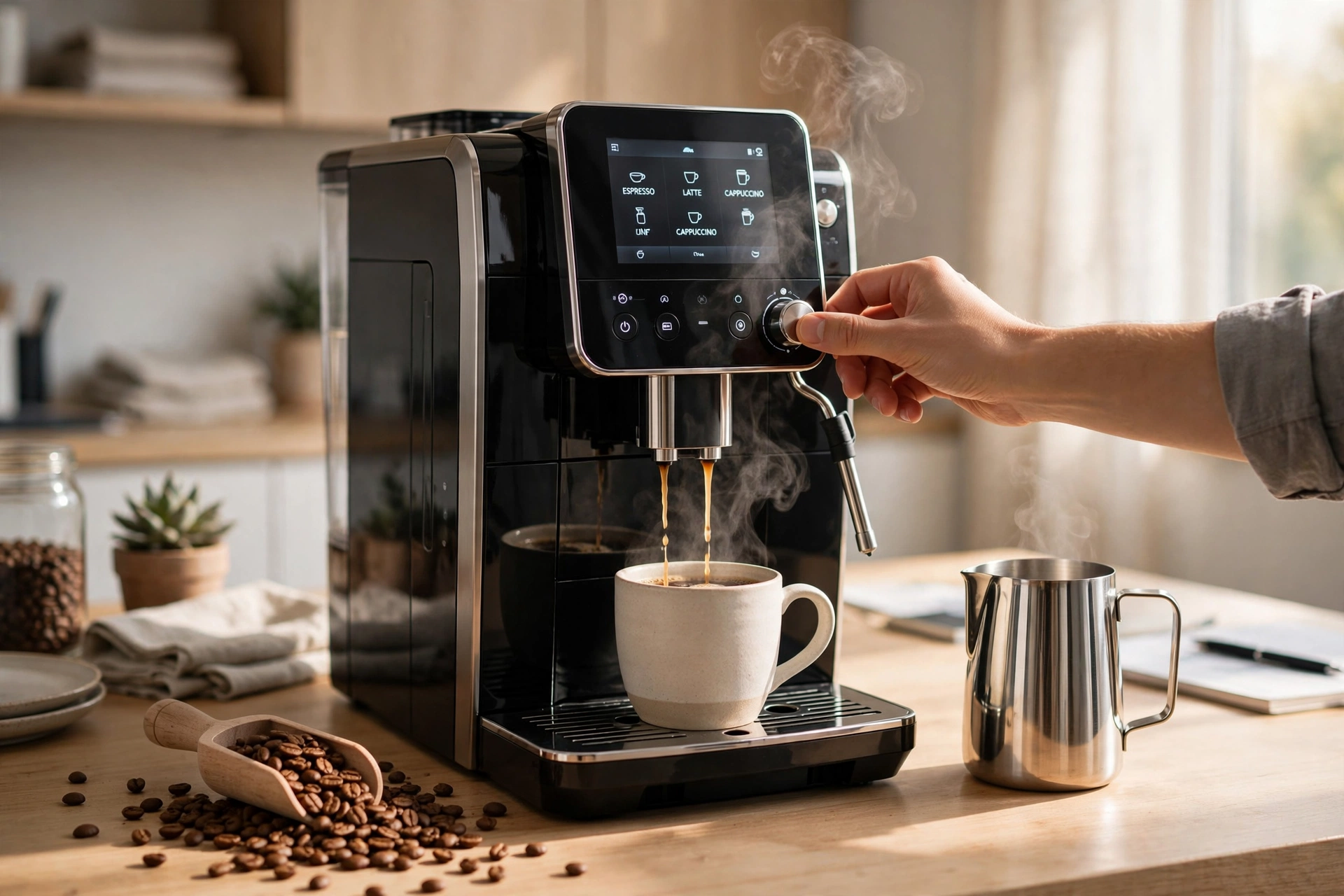
A semi-automatic machine requires a human to grind, dose, tamp, and stop the shot. It offers the highest level of control and is the choice for specialty cafes. A super-automatic machine handles all these steps with the press of a button. In the past, super-automatics were low quality, but modern high-end versions are now capable of producing specialty-grade results. For businesses in areas like Mount Pleasant, SC, these are often the best choice for balancing quality with speed.
Final Thoughts on Specialty Coffee Equipment
Investing in specialty coffee equipment is not about buying a machine; it is about designing a system. When you control the grind, the temperature, and the water chemistry, you stop guessing and start producing. Whether you are looking for a Coffee delivery service in Charlotte NC - Complete Guide | Busy Bean Coffee or a full-scale equipment overhaul, the goal remains the same: consistency.
The shift toward specialty coffee is not a fad; it is a maturation of the market. Customers now have the palate to distinguish between a burnt, commercial brew and a precision-extracted specialty cup. If your business is still relying on outdated, inconsistent gear, you are leaving money on the table and risking your brand's reputation for quality.
If you are tired of the headache of maintaining expensive gear and the stress of inconsistent drinks, it is time to move to a managed model. At Busy Bean Coffee, we provide the equipment, the beans, and the expertise, so you can focus on your business while we focus on the brew.
Visit us at www.busybeancoffee.com to see how our all-inclusive membership can upgrade your coffee game without the capital expense.
Free Coffee Pairing Guide & Specialty Roast Cheat Sheet
Unlock the secrets of perfect brewing ratios, water temperatures, and specialty roast profiles. Download the guide.