Which Specialty Coffee Equipment Should Your Business Prioritize?
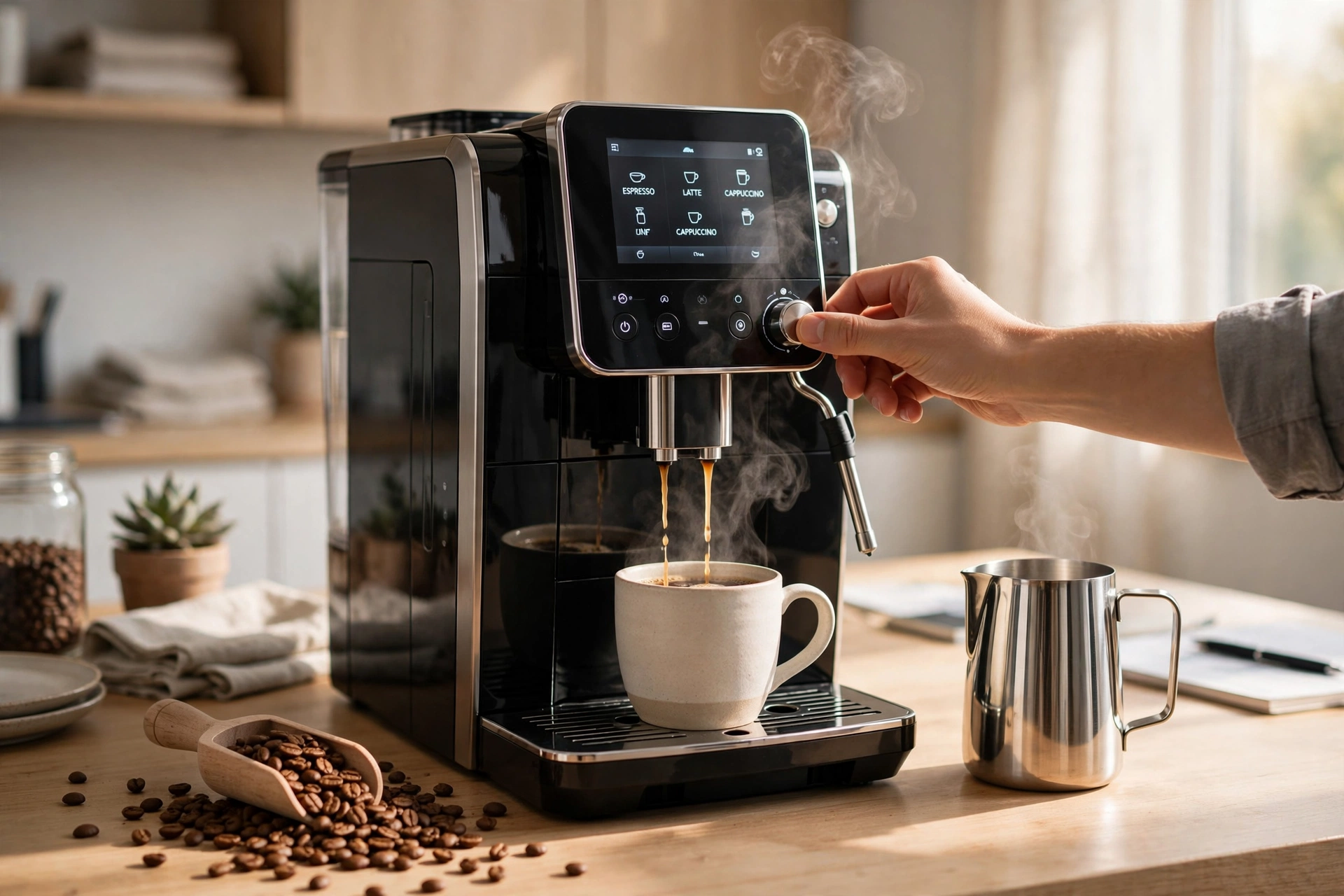
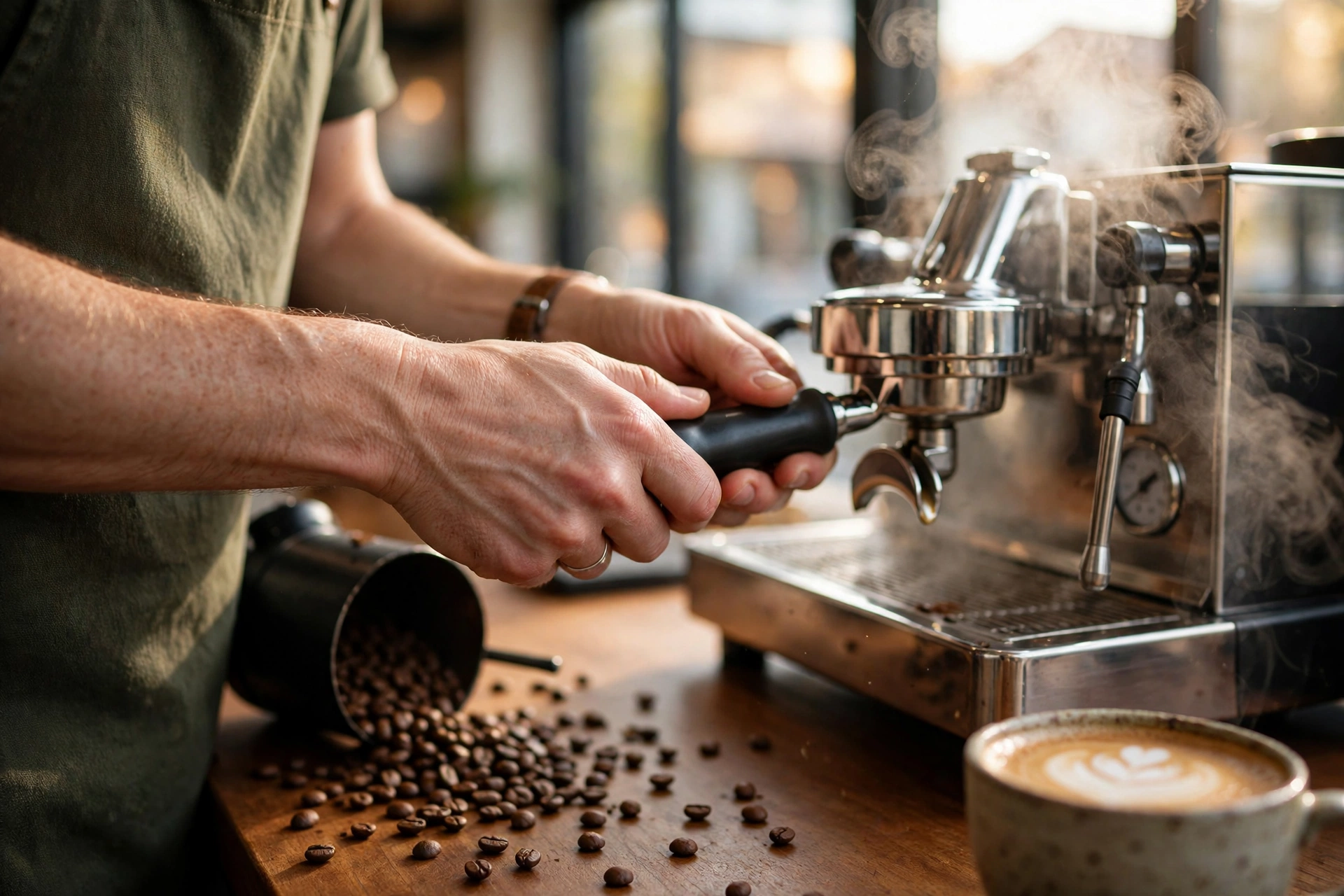
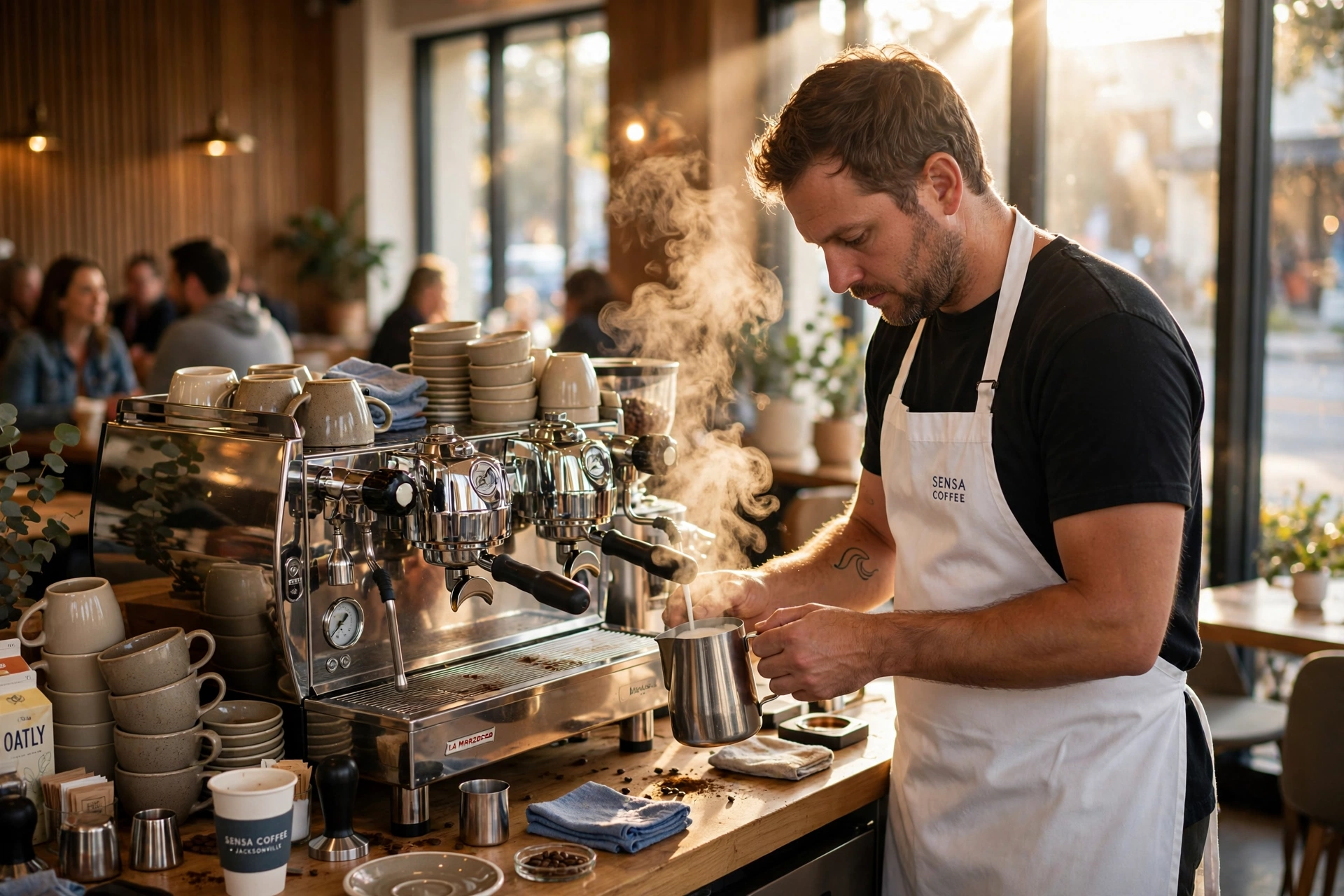
Selecting the right hardware is the difference between a beverage program that drives revenue and one that becomes a maintenance nightmare. When deciding which specialty coffee equipment to invest in, the answer depends entirely on your throughput requirements and your staff's skill level; however, for most foodservice operations, the priority should always be a high-consistency espresso machine and a precision burr grinder. If you prioritize consistency over flashy features, you ensure that every cup of specialty coffee tastes identical regardless of who is behind the bar.
In my experience working with dozens of hospitality clients, the most expensive mistake isn't buying a machine that's too expensive, but buying one that isn't designed for the actual volume of the business. I've seen cafes invest in boutique, manual machines only to realize during a Monday morning rush that they cannot keep up with the demand, leading to lost revenue and frustrated customers.
Understanding the Framework of Professional Coffee Hardware
To make an informed decision, you must first understand that "specialty" isn't just a marketing term; it refers to a rigorous standard of quality. At its core, the goal of any professional setup is to control variables: temperature, pressure, and particle size. When these are controlled, the inherent flavors of the coffee bean—specifically high-quality Coffea arabica—can be fully expressed.
📚
Definition
Specialty Coffee Equipment refers to commercial-grade hardware engineered to maintain strict temperature stability (thermal mass) and precise dosing to meet the standards set by global quality organizations.
The framework for ranking equipment depends on the "Golden Triangle" of extraction: the grinder, the machine, and the water filtration system. Many owners ignore the third point, but according to NSF International, proper equipment sanitation and water quality are fundamental to food safety and machine longevity. If your water is too hard, it will scale your boiler in months, regardless of how much you paid for the machine.
For those managing smaller environments, looking into the best office espresso machines for small teams in 2026 provides a different set of trade-offs, where ease of use often outweighs the granular control a professional barista requires.
Why Equipment Choice Directly Impacts Your Bottom Line
The financial impact of choosing the wrong hardware manifests in three ways: waste, labor costs, and customer retention. In a high-volume environment, a grinder that drifts by just a few microns can lead to "dialing in" the coffee for an hour every morning, wasting pounds of expensive roast.
According to the Specialty Coffee Association (SCA), precision in brewing parameters is the primary driver of consistency in specialty beverage programs. When you lack that precision, your waste percentage climbs. I've analyzed businesses where poor equipment choice led to a 15% increase in bean waste per month simply because the staff had to "guess" the grind setting.
Furthermore, the National Coffee Association USA (NCA) highlights the growing consumer demand for "experience-driven" coffee. This means customers aren't just paying for caffeine; they are paying for the visual appeal of the drink and the nuance of the flavor. If your steam wand cannot produce a micro-foam tight enough for latte art, you are leaving money on the table. This is why knowing where to buy latte art tools for foodservice pros is a strategic move to increase the perceived value of your menu.
The cost of downtime is perhaps the most visceral impact. A machine failure on a Saturday morning doesn't just cost you the price of a latte; it costs you the lifetime value of a customer who decides your business is unreliable. This is exactly why we shifted the model at Busy Bean Coffee toward managed services, removing the capital risk and maintenance burden from the operator.
Practical Application: Building Your Setup Step-by-Step
Building a professional coffee station is not about buying the most expensive gear; it is about creating a logical workflow. If your grinder is ten feet away from your machine, your barista is wasting movement, which slows down your tickets per hour.
Step 1: Define Your Throughput
Determine your "Peak Hour" volume. If you are serving 100 people in 60 minutes, you cannot use a single-group machine. You need a multi-group setup or an automated coffee service in Fort Worth TX to handle the load without sacrificing quality.
Step 2: Prioritize the Grinder
The grinder is actually more important than the espresso machine. You can make a mediocre espresso on a great grinder, but you cannot make a great espresso on a mediocre grinder. Look for flat burrs for a cleaner, more modern taste profile, or conical burrs for a more traditional, body-heavy cup.
Step 3: Solve for Water Quality
Install a multi-stage filtration system. This isn't optional. Scaling is the number one killer of commercial boilers.
Step 4: Optimize the Workflow
Place your knock-box, tamping mat, and milk pitchers in a "cockpit" configuration. Everything should be reachable without taking more than one step.
Step 5: Implement a Managed Solution
Instead of spending $20,000 upfront on hardware that will depreciate, consider a membership. Busy Bean Coffee provides the equipment, installation, and maintenance for a predictable monthly fee, ensuring your hardware is always current and functioning.
💡
Key Takeaway
Prioritize the "upstream" equipment first. A world-class espresso machine is useless if the grinder cannot produce a consistent particle size or the water contains minerals that distort the flavor of the coffee roasting process.

Comparing Your Equipment Options: Trade-offs and Frameworks
When choosing which path to take, you generally face three distinct tiers of investment. The "correct" choice depends on whether you are treating coffee as a primary revenue driver or a complimentary amenity.
| Option | Pros | Cons | Best For |
|---|---|---|---|
| Manual/Artisanal | Maximum control, high "theater" for customers | High labor cost, slow throughput, steep learning curve | Boutique cafes, tasting rooms |
| Semi-Automatic | Balanced speed and quality, industry standard | Requires trained baristas, daily calibration needed | Full-service restaurants, busy cafes |
| Fully Automated/Managed | Consistent quality, zero training, lowest waste | Less "craft" feel, dependency on service provider | Hotels, corporate offices, high-volume foodservice |
Now here's where it gets interesting: most business owners gravitate toward semi-automatic machines because they think it looks more professional. However, they often lack the staff to maintain them. This leads to "equipment drift," where the machine is used improperly, the steam wands are clogged, and the coffee tastes burnt.
If you are operating in a region with high labor costs, an automated coffee service in Wilmington NC is often the smarter financial play. It removes the "human error" variable from the equation, ensuring that the specialty coffee equipment performs at its peak 100% of the time.
Common Questions and Misconceptions
Most guides on coffee gear get this wrong: they focus on the brand name rather than the specifications. A "famous" brand doesn't matter if the boiler isn't sized for your volume.
Myth 1: "The more expensive the machine, the better the coffee."
Incorrect. The machine simply delivers water to the coffee. If your grind size is wrong or your beans are stale, a $30,000 machine will simply produce a very expensive, terrible cup of coffee. The quality is in the coffee bean and the grind precision.
Myth 2: "Automatic machines can't produce specialty quality."
This was true ten years ago. In 2026, the technology in high-end automated systems allows for precise pressure profiling and temperature control that rivals manual machines. For many, a white glove coffee service in Denver CO provides a better consistent result than a poorly trained barista using a manual machine.
Myth 3: "I don't need a professional water filter if my city water is 'fine'."
This is the most dangerous misconception in the industry. "Fine" for drinking is not "fine" for a commercial boiler. Even small amounts of calcium and magnesium will build up as scale, reducing the efficiency of your heating element and eventually causing a total system failure.
Frequently Asked Questions
Which grinder is best for a high-volume specialty coffee setup?
For high-volume environments, you need a grinder with "grind-by-weight" technology. This minimizes waste and ensures that every dose is exact to the tenth of a gram. In my experience, on-demand grinders are the only way to maintain speed during a rush. If you are looking for a more tailored approach to your region, you might explore a coffee delivery service in Charlotte NC that can help you pair the right hardware with the specific roast profiles they deliver.
How do I know if I need a single-group or multi-group espresso machine?
The decision comes down to your "seconds per cup" metric. A single-group machine is designed for low volume or "slow bar" experiences. Once you hit a volume where you have more than three customers waiting in line, a single-group machine becomes a bottleneck. A multi-group machine allows a barista to steam milk for one drink while the espresso for the next is pulling, effectively doubling your throughput.
What is the difference between a heat-exchange and a dual-boiler machine?
Heat-exchange machines use one large boiler to heat both the brewing water and the steam. They are cheaper and faster to heat up but can suffer from temperature instability. Dual-boiler machines have separate boilers for brewing and steaming, allowing for pinpoint temperature control. For true specialty coffee, dual-boilers are the standard because they prevent the "temperature swing" that can make an espresso taste sour or bitter.
How often should specialty coffee equipment be serviced?
Preventative maintenance should happen quarterly, but daily maintenance is the responsibility of the staff. This includes back-flushing the groups every night and cleaning the steam wands after every single use. If you ignore these small steps, you'll face a catastrophic failure. This is why our membership at Busy Bean Coffee is so valuable; we handle the professional deep-cleans and part replacements before they cause a shutdown.
Is an automated coffee service a good fit for a luxury hotel?
Absolutely. In a luxury setting, the guest expects a perfect cup of coffee at 6:00 AM, but you might not have a world-class barista on shift at that hour. A white glove coffee service in Los Angeles CA allows you to provide a high-end, consistent experience that feels premium without requiring a 5-star staff member to be present for every single pour.
Final Thoughts on Specialty Coffee Equipment
Choosing the right specialty coffee equipment is not about following a trend; it is about aligning your hardware with your business goals. If you want to be a destination for coffee connoisseurs, invest in manual precision and high-end training. If you want to provide a seamless, high-quality experience that scales without adding labor headaches, the managed, automated approach is the clear winner.
The goal is always the same: a perfect cup of coffee that keeps the customer coming back. Whether you are upgrading your current setup or starting from scratch, remember that the equipment is only one part of the equation. The roast, the water, and the maintenance are what actually determine the ROI.
If you're tired of managing the chaos of equipment failures and inconsistent quality, let us handle the heavy lifting. At Busy Bean Coffee, we provide everything from the gear to the beans for one predictable fee.
Visit us at www.busybeancoffee.com to see how we can streamline your beverage program.
Free Coffee Pairing Guide & Specialty Roast Cheat Sheet
Unlock the secrets of perfect brewing ratios, water temperatures, and specialty roast profiles. Download the guide.