
The Challenge of Serving Great Coffee in a Restaurant
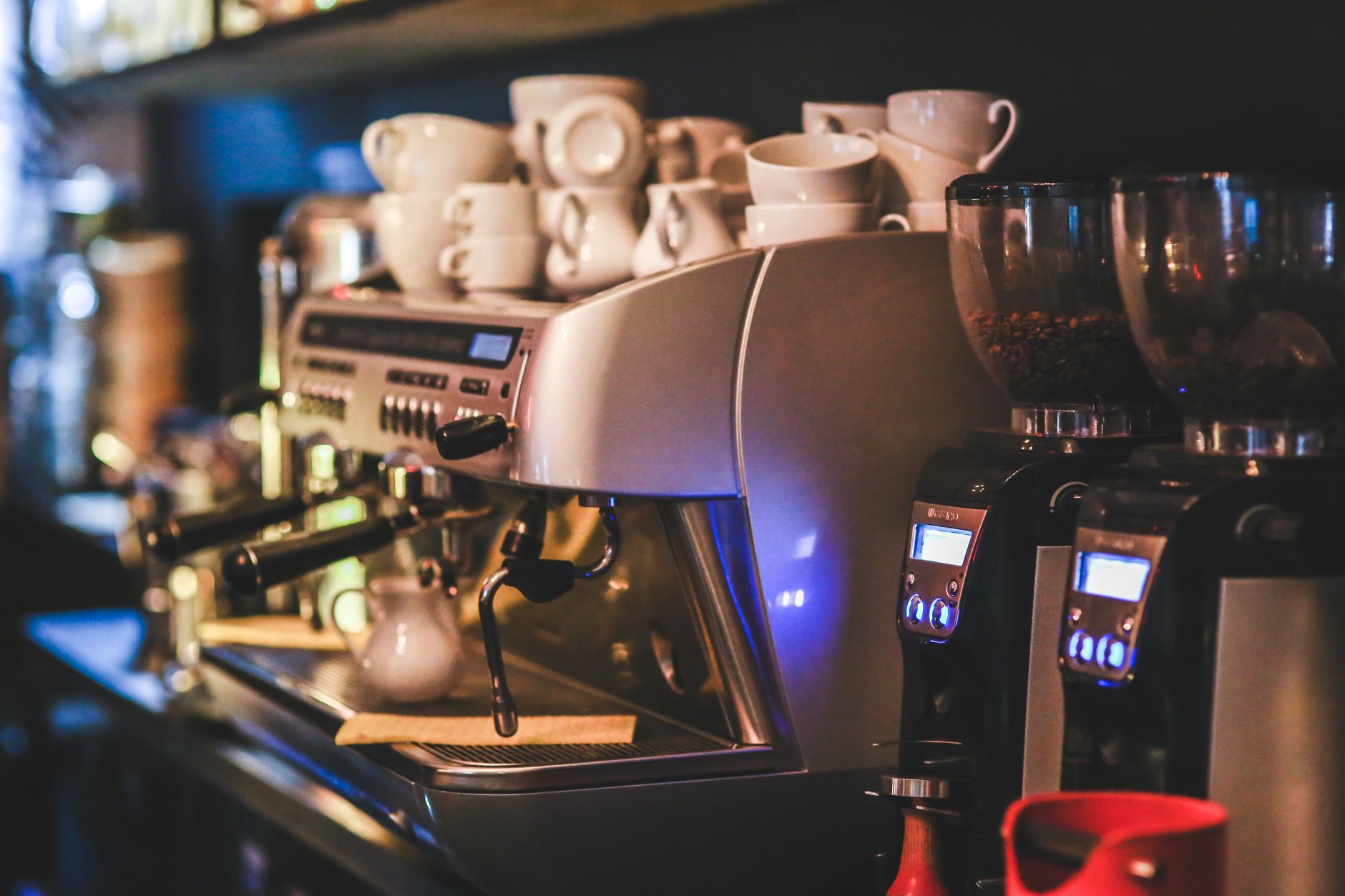
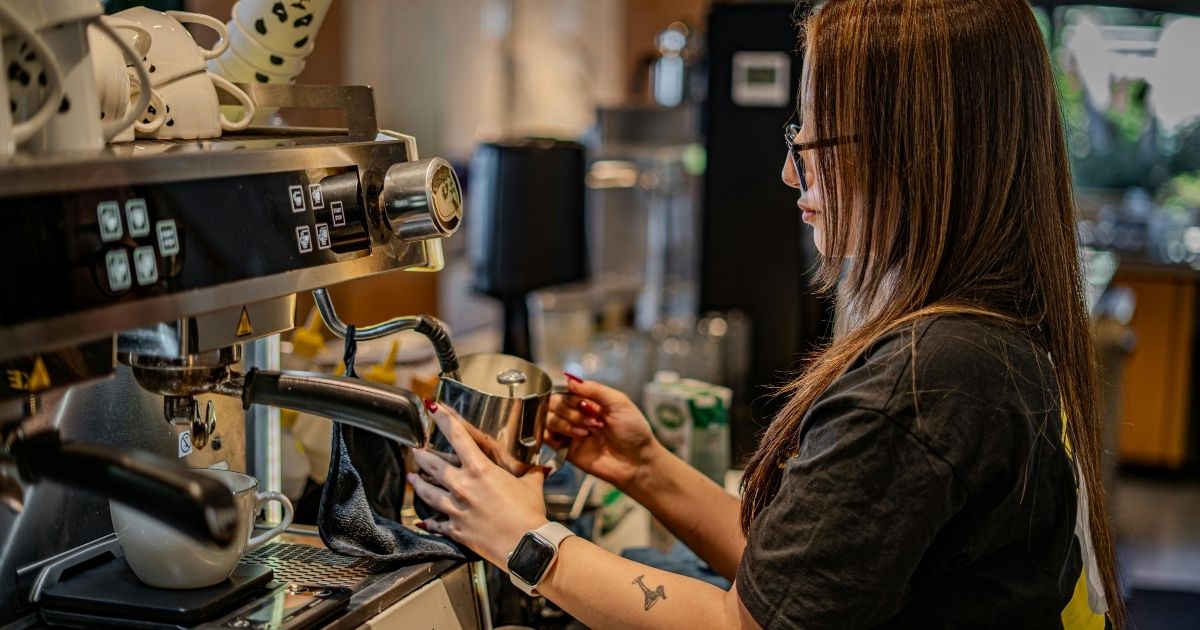
When you run a restaurant, every detail matters. Ambiance, service, food quality — and increasingly, the quality of your coffee. In 2026, diners expect more than a generic cup of joe after their meal. They want a properly pulled espresso, a velvety latte, or a perfectly brewed pour-over. The problem is that sourcing, maintaining, and managing commercial coffee equipment for restaurants is a complex, costly endeavor. Most restaurant owners are not coffee experts, yet they're expected to deliver barista-level results.
This is where professional coffee service providers come in. They handle everything from equipment selection and installation to maintenance and supply chain management. For a comprehensive overview of your options, see our Ultimate Guide to Restaurant Coffee Equipment. But if you're ready to evaluate the best providers in the market, this guide will break down what to look for, who the top players are, and how to make the right choice for your establishment.
💡
Key Takeaway
The right coffee service provider can transform your restaurant's coffee program from a liability into a competitive advantage, boosting customer satisfaction and repeat business.
What Is a Restaurant Coffee Service Provider?
📚
Definition
A restaurant coffee service provider is a company that supplies, installs, maintains, and often sources coffee for commercial foodservice operations, offering everything from single-serve machines to full espresso bars.
Unlike retail coffee brands, these providers specialize in high-volume, durable equipment designed for back-of-house use. They typically offer:
- Equipment leasing or purchase — commercial espresso machines, drip brewers, grinders, and accessories.
- Installation and setup — including water filtration, plumbing, and electrical configuration.
- Maintenance and repairs — scheduled cleaning, descaling, and emergency service.
- Coffee supply — beans, grounds, pods, or liquid concentrates.
- Training — barista skills for your staff.
Modern providers have shifted toward managed membership models, like Busy Bean Coffee's all-inclusive plan, which bundles equipment, maintenance, and coffee into a single predictable monthly fee. According to a 2024 report from Technomic, 63% of full-service restaurants now prefer managed coffee services over owning equipment, citing reduced downtime and simplified budgeting.

Why Choosing the Right Provider Matters for Your Business
Your coffee program affects more than just the after-dinner drink. Specialty coffee drives incremental revenue and enhances brand perception. According to the Specialty Coffee Association, restaurants that offer a premium coffee experience see a 15–20% increase in check averages from add-on sales. Moreover, a survey by the National Restaurant Association found that 55% of consumers say coffee quality influences their choice of restaurant for evening dining.
Beyond revenue, there are operational considerations. A breakdown during peak hours can cost you not only sales but also reputation. Reliable equipment and fast support are non-negotiable. The average cost of downtime for a commercial espresso machine ranges from $200 to $500 per hour in lost beverage sales alone, as cited in a study by the Coffee Quality Institute.
Here are the key benefits of working with a top-tier provider:
- Consistent quality — professional-grade equipment and calibrated recipes ensure every cup meets standards.
- Cost control — predictable monthly fees vs. unpredictable repairs and replacement costs.
- Staff efficiency — training and intuitive machines reduce training time and errors.
- Customer satisfaction — good coffee encourages longer stays and repeat visits.
For deeper insights, read our guide on Coffee Programs for Restaurants and Cafes and Cost Savings from Managed Coffee Services Explained.
How to Evaluate Restaurant Coffee Service Providers
Selecting the right partner involves more than comparing price lists. Here’s a step-by-step framework used by successful operators:
Step 1: Assess Your Volume and Menu
Calculate your daily coffee output. A busy restaurant may serve 200+ cups per day during breakfast and brunch. You'll need a machine that can handle back-to-back shots. Also consider your menu: lattes, cappuccinos, americanos, or just drip coffee. Each requires different equipment.
Step 2: Compare Equipment Quality and Brands
Look for established commercial brands like La Marzocco, Nuova Simonelli, or Schaerer. Providers like Busy Bean Coffee offer their own SENSA line, which is engineered for high volume and durability. Ask about warranty, lifespan, and whether parts are readily available.
Step 3: Evaluate Service Response Times
In our experience, the biggest frustration for restaurants is machine downtime. Ask prospective providers: what is your average response time for service calls? Do they offer 24/7 support? Busy Bean Coffee, for example, guarantees same-day service for most locations through a nationwide network of technicians.
Step 4: Review Coffee Sourcing and Roasting
The beans matter as much as the machine. Does the provider offer fresh-roasted specialty coffee? Can they customize blends for your menu? Busy Bean Coffee sources single-origin beans from smallholder farms and roasts within 48 hours of shipment, ensuring peak freshness.
Step 5: Understand the Contract Terms
Be wary of long-term contracts with hidden fees. The best providers offer transparent agreements with options to upgrade equipment. Managed membership models typically include everything for a flat monthly fee — no surprises.
For a side-by-side comparison, see our article on Busy Bean Coffee vs Big Competitors: Office Coffee Service Comparison 2026 (though designed for offices, many criteria apply to restaurants).
Common Mistakes When Choosing a Coffee Service Provider
1. Focusing Only on Initial Cost
Low upfront pricing often means expensive repairs down the line. A restaurant manager I worked with chose a cheap provider only to face $3,000 in repair bills within six months. Always factor in total cost of ownership, including maintenance and consumables.
2. Ignoring Water Quality
Hard water can destroy an espresso machine in months. Many providers neglect water filtration recommendations. Insist on a water filtration analysis and quality equipment. According to the Specialty Coffee Association, water quality accounts for 30% of brew accuracy.
3. Not Testing Machines Under Real Conditions
Demo machines in a showroom run perfectly. But can they handle your Saturday brunch rush? Request a trial period or on-site demonstration during peak hours. If you're considering Bean to Cup Coffee Machines for Restaurants, test them with your actual bean and water.
4. Overlooking Training and Support
Even the best machine produces bad coffee if staff don't know how to operate it. Ensure your provider offers initial and ongoing training. Busy Bean Coffee includes certified barista training with every membership.
5. Neglecting Scalability
Your business may grow or change its menu. Choose a provider that can upgrade your equipment and adjust coffee supply without penalty. Flexible contracts are key.
Frequently Asked Questions
What is the best commercial espresso machine for a restaurant?
The best machine depends on volume. For high-volume restaurants (300+ cups/day), a multi-group espresso machine like the La Marzocco Linea PB or the SENSA Pro is ideal. For medium volume, a two-group machine suffices. Always pair with a commercial grinder. Managed services like Busy Bean Coffee include professional-grade equipment without upfront capital.
How much does restaurant coffee equipment cost?
Commercial espresso machines range from $5,000 to $20,000 for purchase. Drip brewers are $500–$2,000. However, with a managed membership, you can get everything — machine, maintenance, coffee — for a predictable monthly fee, often $300–$800 depending on volume. This eliminates large capital expenditures.
What is the difference between a coffee service and a coffee subscription?
A coffee subscription typically delivers beans to your door with no additional support. A full coffee service provider supplies equipment, installation, maintenance, and training. For restaurants, a managed service is usually more cost-effective and reliable than a bare subscription.
How often should commercial coffee equipment be serviced?
Daily cleaning is essential, but professional preventive maintenance should occur every 3–6 months depending on water hardness and usage. Many providers include scheduled maintenance in their contracts. Busy Bean Coffee performs quarterly maintenance and water filter changes.
Can I use my own coffee beans with a provider's machine?
Some providers allow it, but it may void warranties or impact performance. Most top providers, including Busy Bean Coffee, use their own specially roasted beans to ensure flavor consistency and machine longevity. You can request a custom blend that matches your restaurant's profile.
What should I look for in a coffee service contract?
Look for transparency: no hidden fees, clear equipment specifications, defined response times for service, and a reasonable cancellation policy. Avoid long-term commitments (over 3 years) without good cause. Ask about upgrade options if your volume increases.
How do I train my staff to use espresso equipment?
Most providers offer on-site training for your team. Busy Bean Coffee includes a two-hour training session that covers brewing, steaming, cleaning, and troubleshooting. Refresh training can be scheduled as needed. Consistent training reduces waste and improves customer experience.
Is a managed coffee service worth it for a small restaurant?
Yes. Small restaurants often lack the capital for high-end equipment and the time to manage maintenance. A managed service provides professional-grade results without the headache. Many providers have entry-level plans for establishments serving under 100 cups a day. It also allows you to offer specialty coffee that differentiates you from competitors.
Conclusion
Choosing the best restaurant coffee service provider in 2026 means looking beyond price. Focus on equipment reliability, service response, coffee quality, and contract terms. The right partner will help you serve exceptional coffee consistently, boost your brand, and improve your bottom line.
If you're ready to evaluate your options, start by reviewing our Ultimate Guide to Restaurant Coffee Equipment for a deeper dive into machine types and configurations. Then consider a provider that offers all-inclusive managed service — like Busy Bean Coffee — where we handle everything so you can focus on your guests.
💡
Key Takeaway
A partnership with a professional coffee service provider is an investment in your restaurant's reputation and revenue. Take the time to choose wisely.
Ready to simplify your coffee program? Contact Busy Bean Coffee today for a free consultation and equipment demo.
Recommended Readings
To deepen your understanding of these topics, we recommend reading the following articles:
- Best Office Coffee Service for Businesses
- Hotel Coffee Service to Elevate Guest Experience
- Coffee Service for Retirement Communities
- What is Managed Coffee Service?
About the Author
Travis Estes is the CEO and Founder at Busy Bean Coffee. With over a decade of experience in the specialty coffee industry, he helps restaurants and foodservice businesses build profitable, hassle-free coffee programs. He is passionate about sourcing exceptional beans and designing equipment that stands up to the busiest kitchens.
Free Coffee Pairing Guide & Specialty Roast Cheat Sheet
Unlock the secrets of perfect brewing ratios, water temperatures, and specialty roast profiles. Download the guide.