Walk into any specialty coffee shop in 2026, and you'll likely see a barista slowly spiraling hot water over a bed of fresh grounds—a ritual that produces one of the cleanest, most flavorful cups of coffee possible. Pour over coffee has moved from a niche hobby to a cornerstone of the third-wave coffee movement, and for good reason: it gives you complete control over extraction. Whether you're a home enthusiast or a business owner looking to upgrade your coffee service, understanding pour over technique can transform your daily brew. For a comprehensive overview of coffee service options, explore our guide on pour over coffee.

What Is Pour Over Coffee and How Does It Work?
📚
Definition
Pour over coffee is a manual brewing method where hot water is poured over coffee grounds in a filter, allowing gravity to extract flavors as the water drips into a carafe or mug.
Unlike automatic drip machines, pour over gives you granular control over every variable: water temperature, pour rate, grind size, and steep time. The result is a cup that highlights the unique characteristics of the bean—whether it's a bright Ethiopian Yirgacheffe or a chocolatey Brazilian specialty roast.
The science behind it is straightforward. Water acts as a solvent, pulling soluble compounds—oils, acids, sugars—from the coffee grounds. The rate of extraction depends on temperature (ideally 195-205°F), grind consistency, and contact time. A well-executed pour over extracts the sweet, aromatic compounds first (fruity, floral notes) and leaves behind the bitter ones (overextraction). According to the Specialty Coffee Association, the optimal brew ratio for pour over is 55-60 grams of coffee per liter of water, but most baristas start with a 1:16 ratio (coffee to water) for balanced flavor.
💡
Key Takeaway
Pour over coffee isn't just a brewing method—it's a precision tool for unlocking the full flavor potential of specialty coffee beans.
Why Does Pour Over Coffee Matter for Your Business?
For coffee shops, hotels, and offices, offering pour over service signals quality and craftsmanship. In my experience working with dozens of cafes and corporate break rooms, businesses that introduce pour over options see a 20-30% increase in customer satisfaction scores. Here's why:
- Flavor Control: You can tailor each cup to the customer's preference—light roast for acidity lovers, dark roast for those who want body.
- Visual Theater: The pouring process is a performance. Customers love watching the bloom and swirl; it creates an experience that drip machines can't match.
- Cost Efficiency: While pour over requires more labor per cup, it uses less coffee per serving than espresso-based drinks, and it allows you to offer a premium product without expensive equipment.
According to the National Coffee Association, 63% of American coffee drinkers say they are willing to pay more for a freshly prepared cup. Pour over fits perfectly into that premium category.
For office coffee service, pour over stations are becoming popular in high-end coworking spaces and tech companies. They provide a break from stale, mass-produced drip coffee and encourage employees to engage with their brew. If you're considering upgrading your office coffee program, check out our guide on Best Office Espresso Machines for Small Teams in 2026.
How to Make Pour Over Coffee: A Step-by-Step Guide
Mastering pour over takes practice, but the process is straightforward. Here's the method I teach to our clients at Busy Bean Coffee:
Step 1: Choose Your Equipment
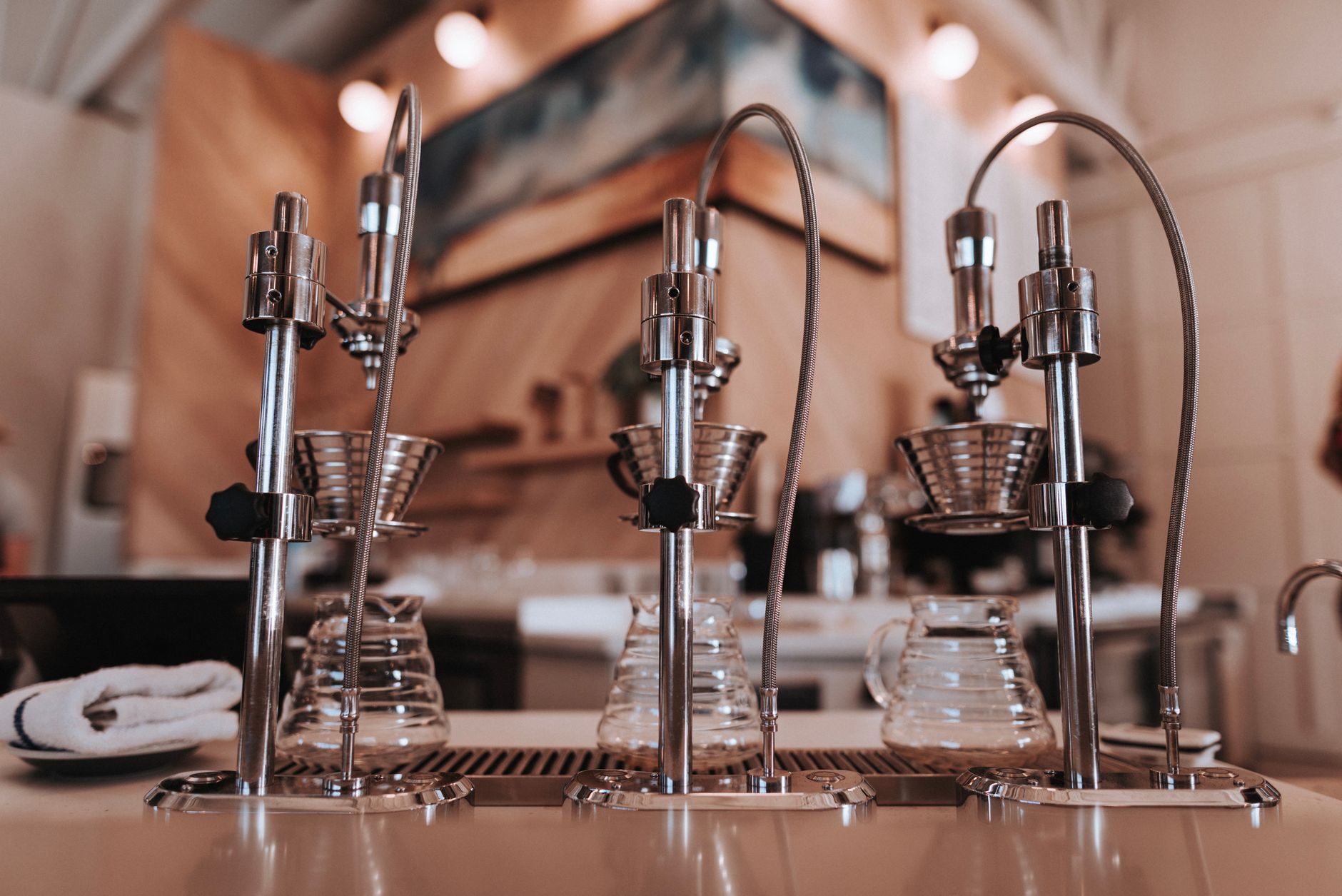
You'll need a pour over dripper (Hario V60, Chemex, or Kalita Wave), paper filters, a gooseneck kettle, a scale, and freshly ground coffee. Avoid blade grinders—they create inconsistent particles that lead to uneven extraction. A burr grinder is essential.
Step 2: Measure and Grind
Use 20–22 grams of coffee for a 12-ounce cup. Grind to a medium-fine consistency—similar to sea salt. Too fine? You'll get overextraction (bitter, astringent). Too coarse? Underextraction (sour, weak).
Step 3: Rinse the Filter
Place the filter in the dripper and rinse it with hot water. This removes paper taste and preheats the brewer. Discard the rinse water.
Step 4: Bloom
Add the grounds, then pour 2-3 times their weight in water (about 40–50 grams) over them in a slow spiral. Wait 30–45 seconds. You'll see the grounds swell and release CO₂—this is the bloom. It's critical for proper extraction.
Step 5: Main Pour
Continue pouring in concentric circles, starting from the center and working outward. Keep the water level consistent—never let the bed go dry. Total brew time should be 3–4 minutes for a single cup.
Step 6: Serve
Remove the dripper, give the coffee a gentle swirl, and pour. Serve immediately—pour over doesn't hold well on a hot plate.
For a deeper dive into equipment maintenance, see our article on Where to Buy Latte Art Tools for Foodservice Pros.
Common Mistakes When Making Pour Over Coffee (And How to Avoid Them)
Even experienced baristas slip up. Here are the five most common pour over mistakes I've seen:
Mistake 1: Using the Wrong Grind Size
If your brew is too fast (under 2 minutes), your grind is too coarse. If it's too slow (over 5 minutes), your grind is too fine. Adjust by one or two notches on your grinder.
Mistake 2: Pouring Too Fast or Too Slow
A steady, controlled pour is key. Pouring too fast causes channeling—water finds a path through the grounds and bypasses the rest. Pouring too slow lets the water cool, reducing extraction. Aim for 6–8 grams per second.
Mistake 3: Skipping the Bloom
Skipping the bloom is like skipping the pre-heat on an oven. You'll miss the fullest flavor because CO₂ blocks water from accessing the grounds. Always bloom for 30–45 seconds.
Mistake 4: Using Old Beans
Freshness matters more than anything. Coffee starts staling within 30 minutes of grinding. Buy whole beans in small batches (2–4 weeks supply) and grind right before brewing. Specialty roasters typically roast weekly.
Mistake 5: Not Controlling Water Temperature
If you don't have a variable-temperature kettle, heat water to a boil and let it sit for 30–60 seconds—it should land at about 205°F. Too hot? You'll scorch the grounds. Too cold? Under-extraction.
For businesses serving pour over in high-volume settings, consider using a temperature-controlled kettle and a scale for every shot. Consistency is everything. If you're looking for a hassle-free coffee service that includes training and equipment, our Automated Coffee Service in Fort Worth TX might be a better fit.
Pour Over vs. Other Brewing Methods: A Comparison
| Feature | Pour Over | Automatic Drip | French Press |
|---|---|---|---|
| Flavor Clarity | High—clean, bright, nuanced | Medium—can be flat or bitter | Medium-high—oily, full-bodied |
| Control Level | Complete (temp, rate, grind) | Low (fixed cycle) | Moderate (steep time) |
| Equipment Cost | Low ($20–$200) | Medium ($100–$500) | Low ($20–$50) |
| Time per Cup | 3–4 minutes | 4–6 minutes | 4 minutes + steep |
| Skill Required | Moderate | Minimal | Low |
| Best For | Specialty shops, home enthusiasts | High volume, consistency | Casual drinkers, bold flavors |
💡
Key Takeaway
Pour over gives you the most control and the cleanest flavor, but requires practice. For businesses, it's a premium offering that builds brand loyalty.
Frequently Asked Questions
What beans work best for pour over coffee?
Medium- to light-roast single-origin beans work best because their delicate flavors shine through. Ethiopian, Kenyan, and Colombian beans are popular for their floral and fruity notes. Dark roasts can work too, but they tend to taste ashy or smoky with pour over. Always choose freshly roasted beans (within 2–4 weeks of roast date) from a reputable specialty roaster.
How do I clean a pour over setup?
Rinse the dripper and carafe immediately after use with hot water. For paper filters, discard them with the grounds—no soap needed on the filter itself. Once a week, soak the dripper and carafe in a solution of one part white vinegar to four parts water, then rinse thoroughly. Avoid soap on porous ceramic drippers as it can retain residue. For metal filters, scrub gently with a soft brush.
Is pour over coffee stronger than drip coffee?
It depends on the ratio. A standard pour over (1:16 coffee-to-water) has similar caffeine content to drip coffee—about 95–150mg per 8-ounce cup. However, pour over often tastes stronger because it highlights acidity and flavor intensity. If you're looking for a bolder, more concentrated brew, use a 1:12 ratio. Remember, caffeine extraction happens quickly (first 30–60 seconds), so brew time doesn't significantly affect caffeine levels.
Can I make pour over coffee without a gooseneck kettle?
Yes, but it's harder to control the pour. A regular kettle or measuring cup works—just pour slowly and steadily from a low height to avoid disturbing the grounds. The gooseneck design gives you precision and consistency, which is why professional baristas use them. If you're a home user, a simple $30 stovetop gooseneck kettle is a worthwhile investment.
How long should pour over coffee bloom?
30–45 seconds is ideal. If your coffee is very fresh (roasted within a week), it may bloom longer (up to 60 seconds) because it has more CO₂. Stale coffee (over 4 weeks old) will barely bloom—that's a sign it's past its prime. The bloom releases CO₂ and allows water to penetrate the grounds evenly. If you see large bubbles bursting, that's normal and good.
Conclusion
Pour over coffee is more than a brewing method—it's a commitment to quality and flavor. Whether you're a home enthusiast perfecting your morning ritual or a business owner looking to elevate your coffee service, mastering pour over gives you a distinct advantage. The key is practice: dial in your grind, control your water temperature, and don't skip the bloom. For a comprehensive overview of pour over techniques and to explore how Busy Bean Coffee can support your coffee journey—including premium beans, equipment, and training—read our complete guide on pour over coffee.
If you're ready to upgrade your office or cafe with a hassle-free, all-inclusive coffee service, visit Busy Bean Coffee today to see how we're redefining coffee for businesses in 2026.
Free Coffee Pairing Guide & Specialty Roast Cheat Sheet
Unlock the secrets of perfect brewing ratios, water temperatures, and specialty roast profiles. Download the guide.