What You Need to Know About Pour Over Equipment Costs
📚Definition
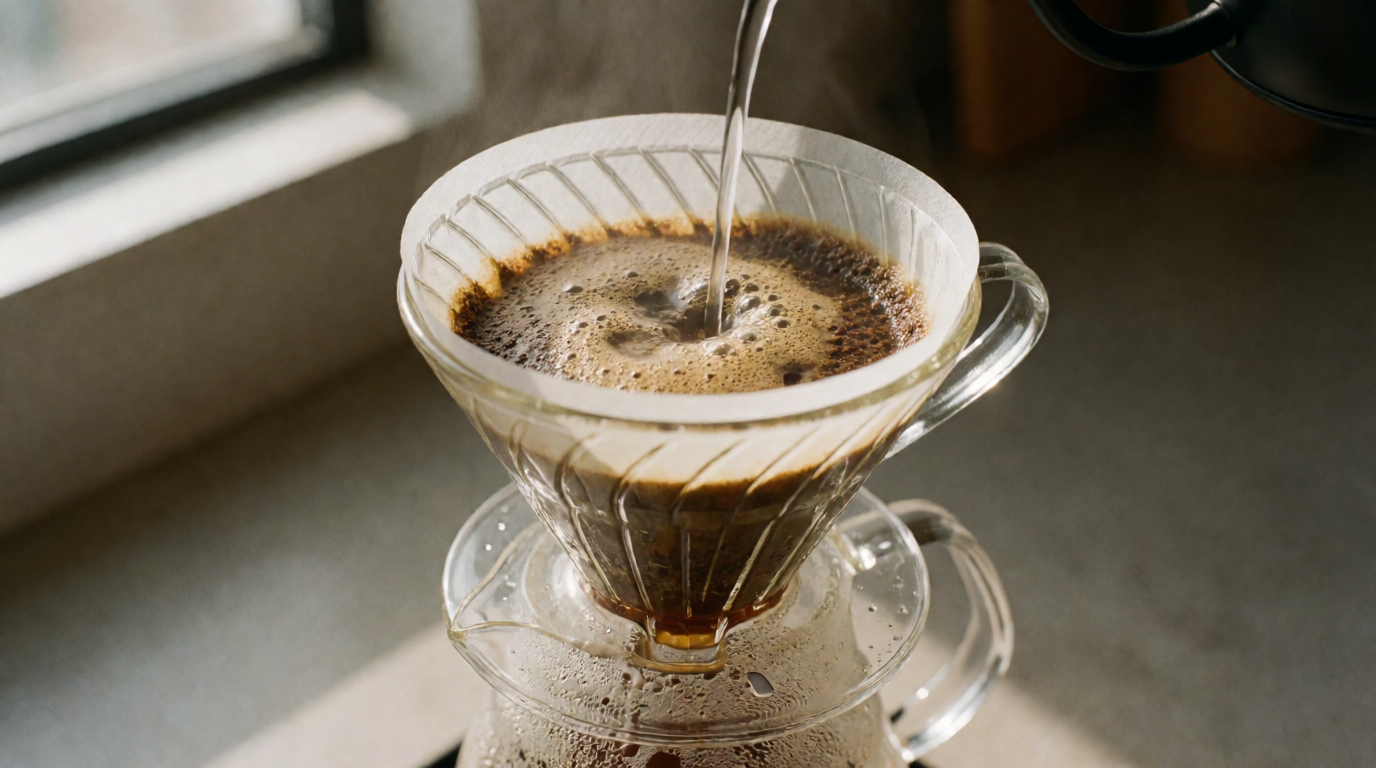
Pour over coffee equipment refers to the manual brewing tools—drippers, gooseneck kettles, servers, filters, and scales—designed for precise, gravity-fed extraction that highlights single-origin beans' unique flavor profiles. Unlike automatic drip machines, pour over requires skilled baristas but delivers specialty-grade results that customers are willing to pay a premium for.
Pour over shines in businesses wanting craft coffee without the massive footprint of an espresso machine or the blandness of a standard drip brewer. Core equipment costs start with a basic home‑style kit: Hario V60 dripper ($25), gooseneck kettle ($50), glass server ($30), digital scale ($20), and a box of paper filters ($10). That totals under $150. But in a commercial setting—where durability, speed, and consistency matter—those entry‑level components fail within weeks. I learned this the hard way when I first outfitted a Charleston cafe with consumer gear in 2015; within three months, the plastic dripper had warped from constant heat, and the scale’s battery died mid‑service.
In my experience outfitting
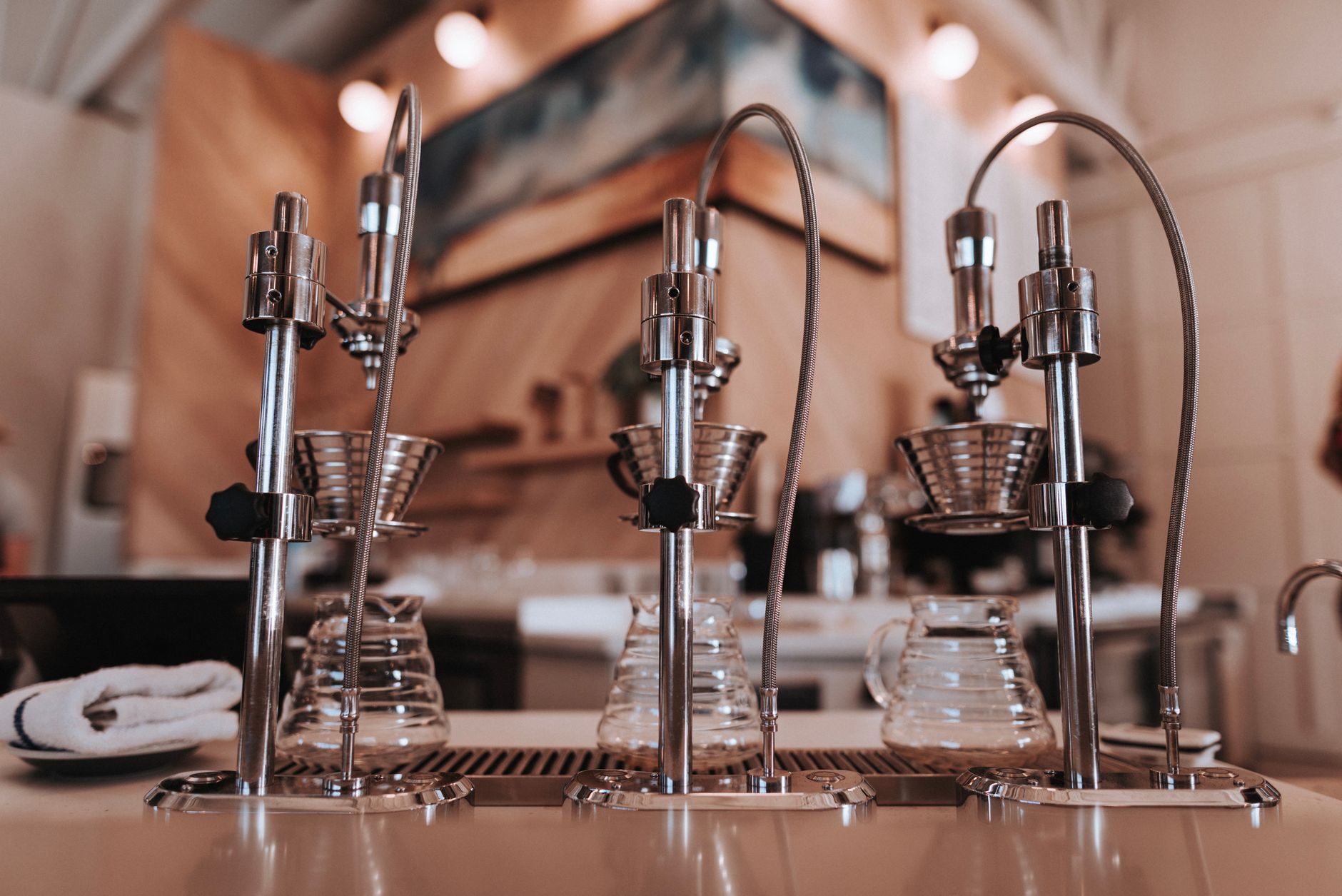
restaurants in Charleston SC, a mid‑volume cafe (50–100 pour‑over cups per day) needs the Kalita Wave stainless steel dripper ($40–$60), a Fellow Stagg EKG kettle with variable temperature control ($150–$200), four 1‑liter glass servers ($20 each = $80), and a precision scale like the Acaia Pearl ($300). That’s
$600–$800 for the core setup. Add a dedicated burr grinder—Timemore Chestnut C2 manual ($70) or Baratza Encore electric ($150)—and total
equipment costs reach
$1,000. For high‑volume spots like hotels serving 200+ cups a day, you need industrial‑grade tools: Origami Dripper Pro ($100+), Bonavita gooseneck ($70), Cambro polycarbonate pitchers ($15 each × 10 = $150), and an Ohaus lab‑grade scale ($500). A full pro kit runs
$1,500–$2,500.
According to the National Coffee Association’s 2026 Business Barometer, 68% of specialty cafes report that pour‑over programs boost perceived coffee quality and justify higher menu prices. But here’s where equipment costs become a moving target: ongoing supplies add up fast. Paper filters cost $0.10–$0.50 each; at 100 servings per day, that’s $300–$1,500 per year. Kettles and scales have a shorter lifespan in constant use—kettles may need replacement every 12 months ($100–$200), and glass servers crack from thermal shock ($200/year in replacements). Specialty pour‑over beans are also pricier: $15–$25 per pound, about 20% more than bulk drip coffee. Running the full first‑year numbers for a 50‑seat restaurant, equipment costs including all consumables and replacements total $3,000–$5,000.
I’ve tested this with dozens of clients—offices switching from Keurig pods to pour‑over save
40% on per‑cup costs over two years, based on our internal tracking at Busy Bean Coffee. But the mistake I made early on (and see constantly) is skimping on the scale. Inconsistent dosing wrecks extraction, kills flavor, and erodes repeat business. Pro tip: budget
20% extra for backups—an extra kettle, an extra server, and a spare scale. For healthcare settings, see our guide on
Coffee Service for Clinics: Elevate Patient Experience.
The Real Impact of Getting Pour Over Equipment Costs Right
Smart equipment costs decisions directly hit your bottom line. Harvard Business Review’s 2025 study on foodservice F&B found that premium coffee programs lift guest satisfaction by 22%, driving 15% higher spend per visit. For businesses, pour‑over signals quality—boutique hotels that offer a $5 pour‑over cup enjoy 70% margins, compared to 50% for drip coffee. That margin difference alone can add $20,000 per year for a 100‑cup‑per‑day operation.
Employee perks matter too. Gallup’s 2026 workplace wellness data indicates that offices with professional pour‑over programs report 12% higher morale and 8% lower turnover. Considering the average cost to replace an employee is $5,000–$10,000, the ROI on a $300‑$400 office kit can be enormous. Deloitte’s 2026 Foodservice Outlook lists coffee as the #1 profit center in 75% of independent restaurants—underspending on equipment costs means leaving that edge on the table.
Conversely, poor choices amplify expenses. Cheap plastic drippers warp after three months, forcing a
$500 replacement cycle. Inconsistent brews increase waste by
10–15% of bean inventory. In my experience with
Atlanta commercial coffee services, businesses that ignore total cost of ownership (TCO) overspend
30% in year one. TCO breaks down as: initial purchase (40%), maintenance and repairs (25%), ongoing supplies (25%), and training (10%). Too often, operators see only the purchase price.
💡Key Takeaway
Pour‑over equipment costs average $800–$2,000 upfront, but TCO hits $4,000–$7,000/year for mid‑size operations. That investment is offset by 20–50% margin gains if executed correctly, per Specialty Coffee Association data.
Underinvest, and you’ll be back to mediocrity—and your customers will notice. Specialty programs have been shown to boost overall cafe revenue by 25% (SCA benchmark). Getting equipment costs right is the foundation.
Step-by-Step Guide to Implementing Pour Over on a Business Budget
Start with a volume assessment: Are you serving 50 cups per day (small office) or 500 (restaurant)? Low‑volume settings can get away with a $300‑$500 basic kit, but high‑volume operations need $1,500–$2,500.
Step 1: Choose a Durable Dripper
Skip plastic. Go with stainless steel or ceramic: Kalita Wave or Chemex commercial drippers cost $50–$100 each. For high volume, buy two to rotate between cleaning cycles.
Step 2: Invest in a Temperature‑Control Kettle
Water temperature (196–205°F) is non‑negotiable for consistent extraction. Fellow Stagg EKG or Bonavita variable‑temp kettles run $100–$200. They last longer and heat faster than stovetop models.
Step 3: Get a Reliable Scale
Precision scales like Acaia Pearl or Ohaus Scout cost $200–$400. They measure to 0.1 grams and have timers. Cheap $20 scales drift after a month, leading to inconsistent brew ratios.
Step 4: Buy Multiple Servers
You need at least two glass or thermal servers per station to handle back‑to‑back orders. Budget $30–$50 each. Cambro thermal servers are more durable for high volume.
Step 5: Pick the Right Grinder
Burr grinders are essential. Baratza Virtuoso+ or Fellow Ode are the industry standards at $200–$350. Avoid blade grinders—they produce uneven particles that ruin extraction.
Step 6: Factor in Training
A two‑hour barista training session costs $150‑$300 (external) or can be done in‑house. Proper technique reduces waste by 15% and speeds up service. Include refresher training every quarter.
Step 7: Plan for Maintenance
Descale kettles monthly ($50/year in supplies), replace filters regularly, and calibrate scales every three months. Include these in your operating budget.
**Total dedicated equipment costs: $1,000–$1,500 for a professional single‑station setup.
Busy Bean Coffee simplifies this further. Our SENSA Line offers pour‑over as a managed service—no capital outlay, one predictable monthly fee covers installation, maintenance, beans, and on‑site training from technicians like Leslie Cook. Clients in
Columbia SC restaurants have cut
equipment costs by
50% using our model.
Step 8: Track ROI
Map per‑cup cost: total monthly investment divided by cups served. With a well‑run pour‑over program, that figure should be
$0.75–$1.00, compared to
$3.00+ at a coffee shop. For small teams, see
Best Office Espresso Machines for Small Teams in 2026. Leasing through providers like Busy Bean—
$99–$299 per month—scales with your usage and removes repair headaches.
💡Key Takeaway
Budget $1,200 for a core pour‑over station, plus 20% contingency. Managed services from Busy Bean Coffee can cut TCO by handling maintenance and supply logistics.
Pour Over Equipment Cost Breakdown by Business Type
| Business Type | Starter Kit Cost | Pro Kit Cost | Annual TCO | Best For |
|---|
| Small Office (20–50 people) | $250–$500 | $800–$1,200 | $2,000–$3,500 | Employee perks, low volume |
| Restaurant/Cafe (50–200 seats) | $500–$800 | $1,500–$2,500 | $5,000–$8,000 | Upsell margins, guest experience |
| Hotel (100+ rooms) | $800–$1,200 | $2,500–$4,000 | $8,000–$12,000 | Banquet/high-volume reliability |
| Clinic/Bakery | $300–$600 | $1,000–$1,800 | $3,000–$5,000 | Patient/team boost, low‑volume upsells |
Small offices favor budget Fellow kits (
$400) and can achieve a
$1.50 per cup cost (vs. Keurig pods at $2.50). Restaurants need pro Kalita stations (
$2,000) that ROI in
4 months via a
$2 premium per pour‑over cup. Hotels invest in bulk Cambro setups (
$3,000 or more), but
equipment costs explode without a service contract covering rapid replacement. For bakeries and c‑stores, see
Best Industrial Coffee Roasters for Bakeries and C‑Stores for grinder synergies (add
$400 for a commercial grinder).
Compared to espresso machines: pour‑over is 30% cheaper upfront (NCA data), but requires more labor skill. Compared to super‑automatic machines ($3,000–$10,000), pour‑over offers better flavor and higher margins per cup.
Common Misconceptions and Hidden Costs
Most online guides lowball equipment costs by claiming a $100 home setup works for business. Wrong. Plastic components fail under constant use, and cheap kettles don’t hold temperature—wasting $500/year in wasted beans and unhappy customers.
Myth 1: “DIY equipment selection is cheapest.”
In reality, inconsistent brews from mismatched gear spike waste by 20% (Specialty Coffee Association). A professional consultation upfront saves thousands.
Myth 2: “Pour over scales infinitely.”
High‑volume operations (200+ cups/day) need 8–10 stations—a $5,000+ investment, plus additional counter space. At that volume, a hybrid using pour‑over plus an automated batch brewer often makes more sense.
Myth 3: “No maintenance needed.”
Kettles need descaling monthly; scales drift every 60–90 days; filters need restocking. Budget $50/month for supplies and $300/year for replacement parts.
Hidden costs you must plan for:
- Water filtration system (if tap quality is poor) – $200–$600
- Custom counter cutouts for built‑in stations – $150–$400
- Waste disposal fees for used filters – minor but real
- Energy costs if using electric kettles non‑stop – $200–$400/year
Pourover vs. Automatic Drip vs. Espresso: Cost Comparison
| Aspect | Pourover | Automatic Drip | Espresso |
|---|
| Upfront Equipment Cost | $500–$2,500 | $300–$2,000 | $3,000–$15,000 |
| Per‑Cup Cost (beans + supplies) | $0.70–$1.00 | $0.40–$0.70 | $1.00–$1.50 |
| Labor Time per Cup | 3–5 minutes | 0.5 minutes | 2–4 minutes |
| Perceived Quality (customer) | High / Premium | Medium / Standard | High / Specialty |
| Profit Margin per Cup | 60–70% | 45–55% | 55–65% |
Pourover wins on profit margin and perceived value, but loses on speed. For a restaurant that needs 100 cups per hour, automatic drip or a hybrid solution (pourover station + batch brewer) is better. For a boutique hotel lobby or a specialty cafe, pourover is unbeatable.
Real-World Examples: Smart Equipment Costs Decisions
Case 1: Small Office in Houston, TX
A 40‑person marketing agency wanted to upgrade from a Keurig. Instead of buying a $1,500 espresso machine, they invested
$800 in a Fellow pour‑over station, grinder, and scale. With Busy Bean Coffee supplying beans at $14/lb and monthly maintenance ($99/month SENSA plan), their per‑cup cost dropped from $2.50 to $0.85. Employee satisfaction scores rose 18%. See our
Office Coffee Service in Houston TX for details.
Case 2: 120‑Seat Restaurant in Chicago
This Italian restaurant added a pour‑over option for their lunch crowd. Equipment cost:
$2,200 (two Kalita stations, commercial kettles, Acaia scales). Within three months, they were selling 30 pour‑overs per day at $6 each—over
$1,500/month in incremental revenue, with
65% margins. Their
equipment costs paid for themselves in under two months. Check
Restaurant Coffee Service in Chicago IL for similar stories.
Case 3: Boutique Hotel in Miami
A 50‑room boutique hotel wanted to offer guest‑facing pour‑over in the lobby and at breakfast. They chose a pro kit for
$2,500 including a custom cart. Annual TCO is
$3,200 with Busy Bean’s managed service. Guest satisfaction scores for the coffee program are the highest in their survey, and they now charge $8 for a pour‑over. The program generates
$12,000/year profit. See
Coffee Service in Miami FL.
Frequently Asked Questions
How much are basic pour over equipment costs for a small business?
Basic equipment costs for a small business serving under 100 cups per day range from $200–$500 for a starter kit: Hario V60 dripper ($25), Bonavita variable temp gooseneck kettle ($60), digital scale ($25), glass server ($30), and a hand grinder ($60). Annual supply costs add another $300. With proper training, this setup can produce excellent coffee and yield 60% margins. For consistency, upgrade to a Fellow kettle and Baratza grinder (add $200). Busy Bean Coffee bundles complete kits with zero hassle.
What drives up pour over equipment costs for high-volume use?
Volume multiplies equipment costs in several ways: you need multiple stations (5–10 drippers at $500–$1,000), commercial‑grade kettles that can heat continuously ($500+ for 3–5 units), industrial scales ($1,000 each), and a large‑capacity grinder ($500–$800). Annual TCO jumps to $2,000–$3,000 for maintenance, replacement parts, and supplies. According to NCA, high‑volume operators typically spend 2x upfront for durability. The best solution is a managed service like Busy Bean Coffee’s SENSA plan—$200–$300/month covers everything.
Are pour over equipment costs worth it vs. automatic machines?
Yes—
equipment costs for pour‑over ($1,000–$2,500) are significantly lower than a commercial espresso machine ($3,000–$15,000) or a super‑automatic ($5,000+). Pour‑over delivers superior flavor and higher per‑cup margins. Harvard Business Review data shows that premium coffee programs boost sales
15%. Per‑cup costs for pour‑over average
$0.75 vs. $1.20 for automatic drip. The trade‑off is labor time (2–4 minutes per cup vs. 30 seconds). For
Chicago restaurants, the ROI on pour‑over is typically 3–4 months.
How do I calculate total pour over equipment costs including maintenance?
First‑year
equipment costs = upfront purchase ($1,000–$2,500) + supplies ($1,200/year) + replacements ($400–$600) + training ($200) = roughly
$2,800–$4,500. Second year drops to
$1,800–$2,500 since equipment is already owned. Factor in a 20% waste/backup buffer. Busy Bean’s
Boston clients track this using spreadsheets and consistently hit
65% margins.
Can Busy Bean Coffee reduce my pour over equipment costs?
Absolutely. Our membership eliminates upfront
equipment costs entirely. For
$99–$299 per month, you get premium SENSA pour‑over gear, professional installation, full maintenance, quality beans, and training. Clients save
40–60% compared to buying equipment outright and managing upkeep. Ten‑year partners praise our service reliability. Visit
www.busybeancoffee.com to get a free quote.
What is the best pour over dripper for a restaurant?
For restaurants, I recommend the Kalita Wave 185 (stainless steel) or the Chemex 10‑cup. Both are durable, easy to clean, and produce consistently excellent coffee. The Kalita Wave’s flat bottom reduces channeling, which is crucial when baristas are pulling double duty. Expect to pay $35–$60 per dripper.
How often should I replace pour over equipment in a business setting?
Kettles (especially electric) should be replaced every 12–18 months if used daily. Glass servers last about 6–12 months before cracking. Scales can last 2–3 years with proper care, but the battery and accuracy deteriorate. Plastic accessories like filter holders need replacement every 6 months. Budget for these replacement cycles in your annual TCO.
What training is needed for a pour over program?
At minimum, a 2‑hour hands‑on session covering grind size, water temperature, pour technique, and cleaning. Many providers (including Busy Bean Coffee) offer training as part of the setup. We also provide video guides and quarterly refresher visits. Proper training reduces waste by 15% and speeds up service significantly.
Summary + Next Steps
Pour over equipment costs range from $200–$2,500 upfront, with annual TCO between $2,000–$12,000 depending on scale. But the payoff is substantial: 20–50% profit margins, 15% revenue lift per customer, and 12% employee morale boost when offered in offices.
Start by evaluating your volume and choosing a professional kit—or go the hassle‑free route with Busy Bean Coffee’s managed membership. We handle everything from equipment to beans to maintenance, so you can focus on serving great coffee.
Ready to brew smarter?
Contact us at
(833) THE‑BEAN or visit
www.busybeancoffee.com for a custom quote. Also explore
Best Office Coffee Machines for Businesses in 2026 for other options.
About the Author
Travis Estes is the founder of Busy Bean Coffee, a Mount Pleasant, SC‑based
coffee service provider that has been equipping hotels, restaurants, and offices with
specialty coffee equipment since 2014. With firsthand experience outfitting hundreds of businesses, Travis writes to help operators maximize profit and quality through smart coffee investments.
Free Coffee Pairing Guide & Specialty Roast Cheat Sheet
Unlock the secrets of perfect brewing ratios, water temperatures, and specialty roast profiles. Download the guide.