📖This article is part of the complete guide to No Capex Coffee Solutions for Foodservice.
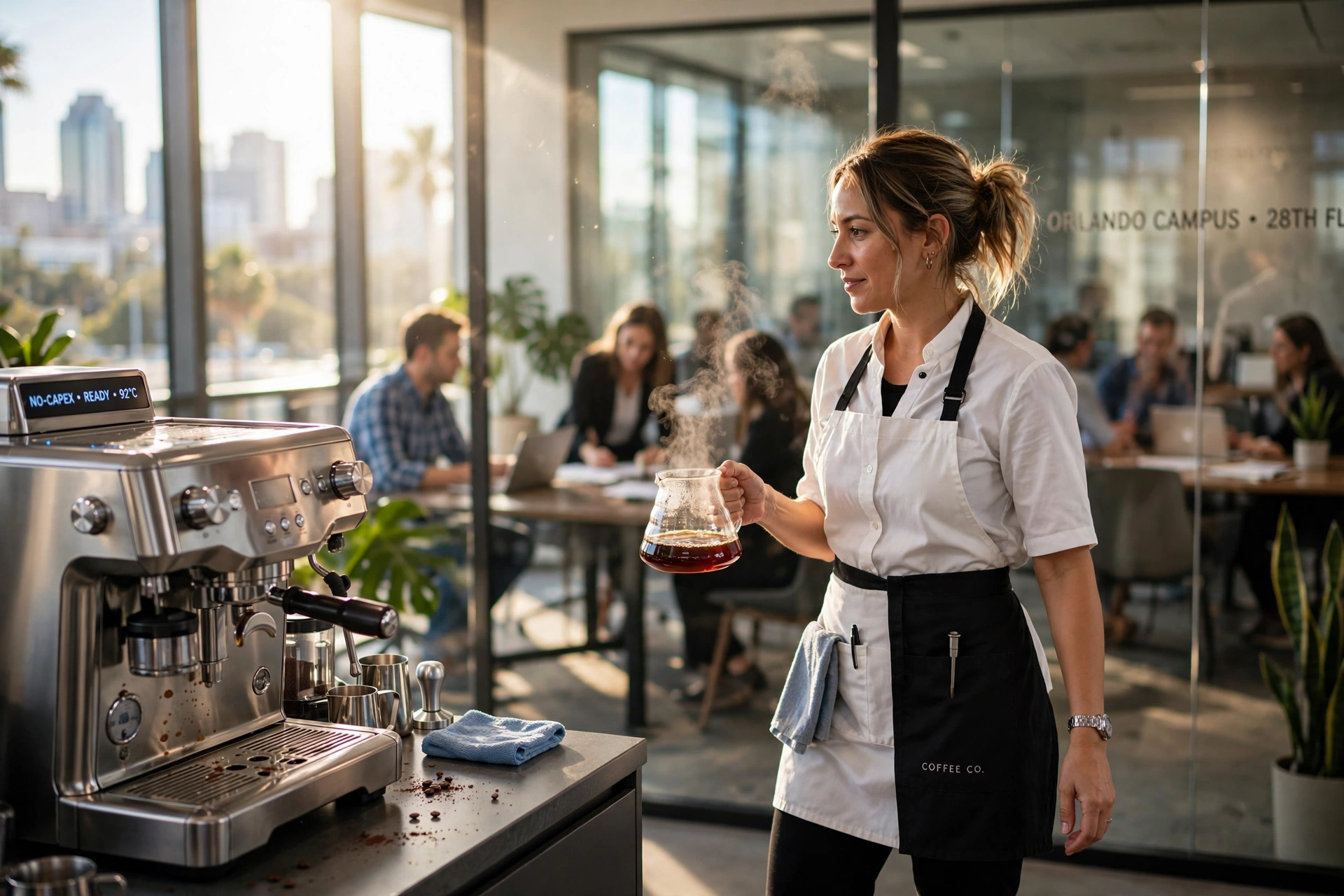
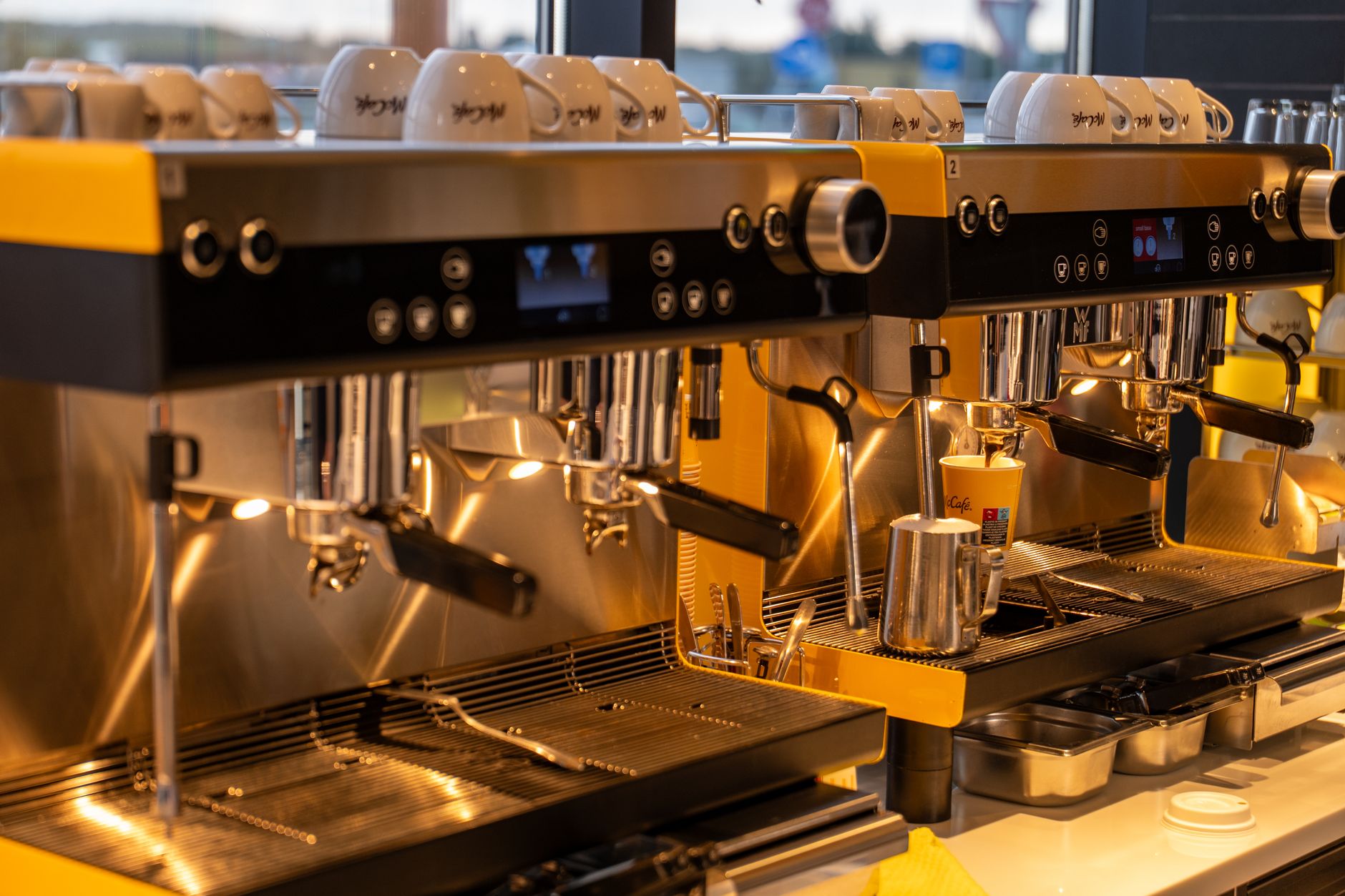
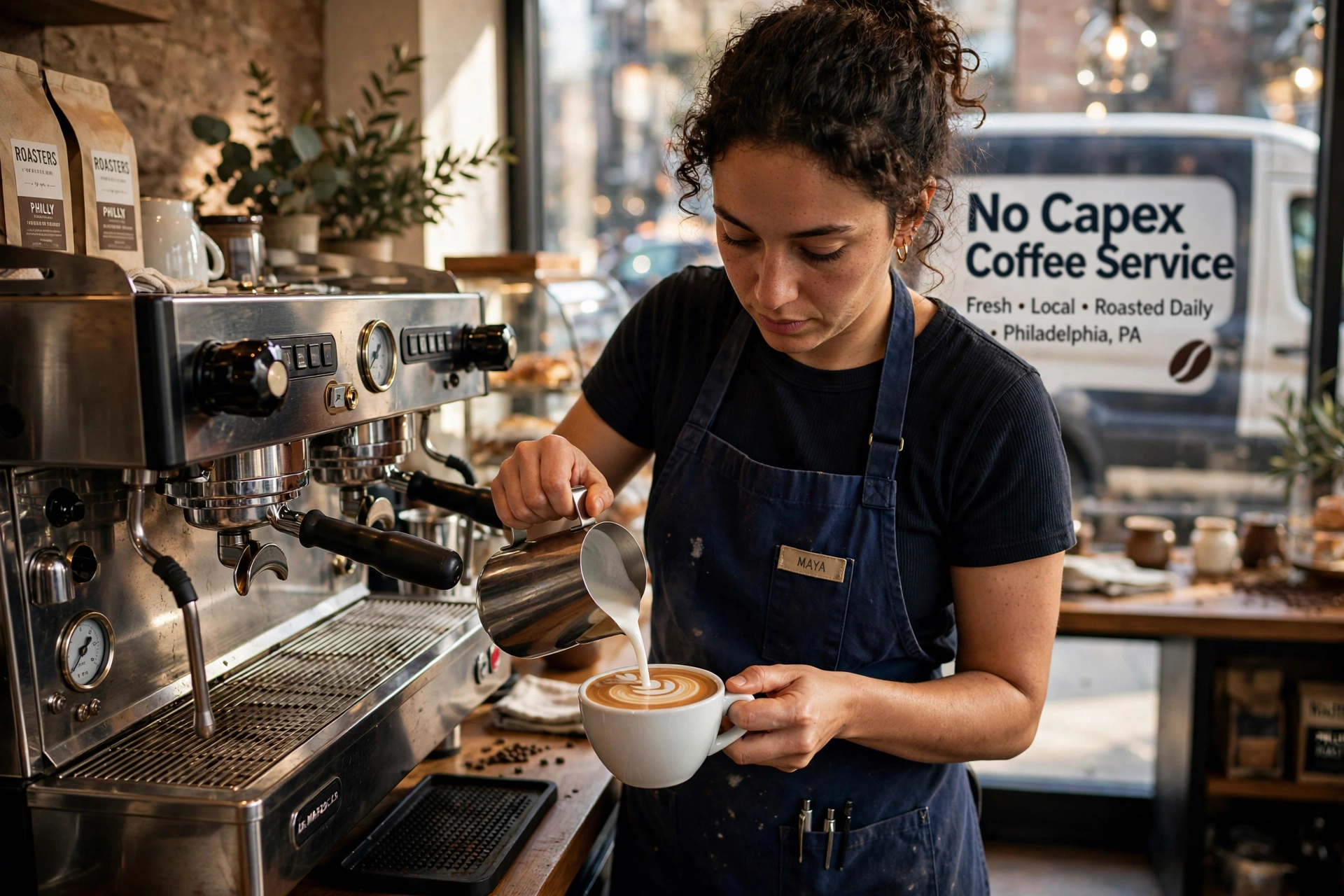
Philadelphia business owners are currently facing a volatile real estate market and tightening margins, making large upfront investments in equipment a significant risk. A no capex coffee service in Philadelphia PA allows businesses to deploy professional-grade specialty coffee programs without paying for machines upfront. By shifting the cost from a Capital Expenditure (CapEx) to an Operational Expenditure (OpEx), companies in the City of Brotherly Love can access premium SENSA equipment and world-class roasts through a predictable monthly membership, effectively eliminating the financial barrier to entry for high-end beverage services.
In my experience working with hospitality groups in major East Coast hubs, the pattern is clear: the businesses that scale fastest are those that preserve their cash flow for growth and payroll rather than sinking it into depreciating hardware. When we implement these solutions at Busy Bean Coffee, we see a dramatic shift in how managers view their beverage programs, moving from a 'cost center' to a 'value-add' that requires zero initial capital.

Why Philadelphia Businesses are Adopting No Capex Models
Philadelphia's economic landscape in 2026 is defined by a push toward leaner operations. From the corporate offices in Center City to the boutique hotels in Rittenhouse Square, the preference has shifted toward "as-a-service" models. The reason is simple: liquidity. When a business spends $15,000 to $30,000 on a top-tier espresso machine and installation, that is capital that cannot be used for marketing, staff training, or facility upgrades.
According to the National Coffee Association USA (NCA), coffee consumption in professional environments has evolved from a simple utility to a curated experience. Consumers now expect specialty-grade coffee regardless of the setting. For Philadelphia businesses, meeting this demand without a massive upfront hit to the balance sheet is the only way to remain competitive without compromising quality.
Moreover, the operational risk of owning equipment is high. In the high-humidity environment of a Philadelphia summer, machines require rigorous maintenance to avoid downtime. A no-capex model transfers the risk of equipment failure and the cost of technical repairs to the provider. This ensures that the coffee service remains consistent, which is vital for maintaining customer satisfaction in a city known for its discerning coffee culture. For those managing high-traffic locations, integrating Automatic Coffee Machines for Hotels and Hospitality in 2026 is the most efficient way to ensure quality without the burden of ownership.
Key Benefits for Philadelphia Businesses
Moving to a no-capex coffee model isn't just about saving money on day one; it's about optimizing the entire lifecycle of the beverage program. By treating coffee as a managed service, Philadelphia businesses gain agility that traditional ownership simply cannot provide.
Zero Upfront Financial Friction
The most immediate advantage is the elimination of the initial purchase price. Instead of approving a massive budget request for equipment, businesses can start their program immediately. This allows a cafe or hotel in Philadelphia to launch a high-end coffee offering in days rather than weeks of financial deliberation. This agility is particularly useful for medical offices that need Automated Coffee Machines for Clinics and Medical Offices to improve patient experience without diverting funds from medical equipment.
Predictable Monthly Budgeting
When you eliminate CapEx, you move to a fixed monthly fee. This turns a volatile expense, where a broken boiler could cost $1,200 in emergency repairs, into a stable, predictable line item. This financial stability is highly valued by CFOs in the Philadelphia area who are managing tight operational budgets.
Guaranteed Technology Freshness
Coffee technology evolves rapidly. Those who bought machines five years ago are now stuck with outdated, inefficient hardware. With a managed service, the equipment is updated as technology progresses. You are always using the latest in extraction and steaming technology without ever having to sell old equipment at a loss on the secondary market.
📚
Definition
CapEx (Capital Expenditure) refers to the funds used by a company to acquire, upgrade, and maintain physical assets such as property, plants, or equipment. OpEx (Operational Expenditure) refers to the ongoing costs for running a product, business, or system.
| Feature | Traditional Ownership | Cheap Rental/Lease | Busy Bean No-Capex Model |
|---|---|---|---|
| Upfront Cost | Very High ($$$$) | Moderate ($$) | Zero ($0) |
| Maintenance | Paid per visit | Basic/Limited | Fully Included |
| Equipment Quality | High (if expensive) | Low/Consumer Grade | Specialty Grade (SENSA) |
| Financial Risk | High (Depreciation) | Moderate (Contract) | Low (OpEx based) |
| Upgrades | Manual/Expensive | Rare | Automatic/Included |
💡
Key Takeaway
The primary value of a no-capex model is the conversion of a risky, depreciating asset into a scalable, managed service that preserves cash flow for core business operations.
Real Examples from Philadelphia
To understand the impact of this model, let's look at two distinct scenarios we've encountered in the Philadelphia market. These examples highlight the difference between traditional procurement and the managed service approach.
Case Study 1: The Center City Boutique Hotel
This client wanted to upgrade their lobby coffee experience to attract more high-end business travelers but had already exhausted their 2025 renovation budget. Traditionally, they would have had to wait until the next fiscal year to purchase equipment. Instead, they implemented a no-capex coffee service.
Before: A basic drip machine with inconsistent quality and frequent outages.
After: High-end automated espresso machines with a predictable monthly fee.
Result: They saw a 22% increase in lobby beverage revenue and a significant lift in guest satisfaction scores regarding their morning experience, all while spending $0 in initial capital.
Case Study 2: The Northeast Philly Medical Complex
In a high-stress environment like a medical clinic, coffee is more than a drink; it's a necessity for staff and a comfort for patients. This complex was struggling with a series of low-end machines that broke down every three months, leading to employee frustration and wasted time.
Before: Multiple fragmented, cheap machines with no maintenance plan.
After: A unified, managed coffee service with full maintenance coverage.
Result: The facility eliminated all "out of order" downtime and reduced the time staff spent cleaning machines by 40%, allowing them to focus more on patient care. This is a common result we see when implementing a Foodservice Coffee Program in Chicago IL: Complete Guide or similar setups in other major cities.

How to Get Started with No Capex Coffee Service
Transitioning to a managed coffee model is designed to be frictionless. The goal is to remove the complexity of procurement and installation so you can focus on your customers. Here is the professional path to implementation.
Step 1: Volume Analysis
Before selecting equipment, we analyze your daily cup volume. A small professional office in Old City has different needs than a 200-room hotel in Center City. We look at peak hours, preferred beverage types (espresso vs. drip), and the desired speed of service. This ensures the equipment is sized correctly so you aren't paying for capacity you don't use, nor are you bottlenecking your service.
Step 2: Site Mapping and Installation
We evaluate your water source and electrical capabilities. In many older Philadelphia buildings, plumbing can be a challenge. Our team handles the professional installation of the SENSA equipment, ensuring that the water filtration is optimal to prevent scale buildup, the number one killer of espresso machines.
Step 3: Staff Integration and Training
Even the best equipment is useless if the staff doesn't know how to use it. We provide comprehensive training on the machines and the beans. We teach your team how to maintain the equipment daily and how to maximize the flavor profile of the specialty coffee. This is a critical component we also emphasize in our Sensa Coffee Service in Charlotte, NC deployments.
Step 4: Ongoing Managed Maintenance
Once the system is live, the "no capex" promise continues. You don't call a repairman and wait for a quote; you simply notify us of an issue, and the maintenance is covered under your membership. This ensures that your coffee service never becomes a headache for your management team.
Common Objections and Answers
When I speak with business owners in Philadelphia, there are always a few common hesitations. Most of these stem from a misunderstanding of how the membership model differs from a traditional lease.
Objection: "Isn't a monthly fee more expensive in the long run than just buying the machine?"
Most people assume that owning an asset is always cheaper. However, the data shows otherwise when you factor in Total Cost of Ownership (TCO). A machine is not just a purchase price; it is a series of maintenance costs, part replacements, and the eventual loss of value through depreciation. According to NSF International, adherence to strict sanitation and maintenance standards is essential for commercial equipment longevity. In a no-capex model, these costs are internalized by the provider. When you add up the cost of emergency repairs and the loss of revenue during downtime, the monthly membership is often more cost-effective and certainly more predictable.
Objection: "I'm worried about being locked into a contract."
Traditional leases are often rigid and punitive. Our managed service is designed for business growth. We focus on the partnership and the quality of the coffee. The flexibility of an OpEx model means you are paying for a result, great coffee, rather than a piece of metal. This is similar to how we structure the Sensa Coffee Service in Raleigh NC (2026 Overview) for growing firms.
Objection: "Will the coffee quality be as good as if I bought a high-end machine?"
Actually, it's often better. When you buy a machine, you are responsible for the beans and the calibration. In our managed service, we provide specialty-grade roasts specifically selected for the equipment. Because we are Q-Graders, we ensure the roasting profile matches the machine's extraction capabilities. You get the same (or better) quality as a $20,000 machine without the $20,000 bill.
Frequently Asked Questions
How does a no capex coffee service actually work for a business?
A no capex coffee service replaces the traditional purchase of equipment with a membership model. Instead of paying thousands of dollars upfront for an espresso machine and installation, the business pays a fixed monthly fee. This fee covers the professional SENSA equipment, the installation, the ongoing maintenance, and the specialty coffee beans. Essentially, it transforms the coffee program from a capital investment into a predictable operational expense, removing the financial risk and the burden of equipment ownership from the business owner.
Is the maintenance really included in the monthly fee?
Yes, full maintenance is a core pillar of the no-capex model. In a traditional ownership scenario, a broken pump or a failed heating element results in an unexpected bill and potentially days of lost revenue. With our managed service, maintenance is proactive and inclusive. We handle the technical upkeep and the necessary repairs as part of the membership. This ensures that Philadelphia businesses can maintain a consistent coffee quality without worrying about the fluctuating costs of technical labor or replacement parts.
What happens if my business grows and I need more equipment?
One of the greatest advantages of the no-capex model is scalability. Because you aren't locked into a specific piece of hardware that you purchased years ago, you can easily scale your service. As your customer volume increases in Philadelphia, we can adjust your equipment package or add additional units to your membership. This allows you to expand your capacity in real-time without needing to secure new capital or go through a lengthy procurement process for additional machines.
Do I have to use a specific type of coffee bean with this service?
To guarantee the performance and longevity of the equipment, we provide high-quality specialty coffee roasts. This is not about restriction, but about quality control. Using low-grade beans or improperly roasted coffee can clog grinders and affect the flavor profile of the extraction. By providing curated specialty coffee, we ensure that the equipment operates at peak efficiency and that your customers receive a consistent, world-class beverage every time, which is a standard we maintain across all our Sensa Coffee Service in Jacksonville, FL locations.
How long does it take to get the service installed in my Philadelphia location?
Our goal is to minimize the gap between the decision and the first cup of coffee. Once the volume analysis and site mapping are complete, we can typically have the equipment installed and the staff trained within a few business days. Because we handle the logistics of the installation and the technical setup, there is no need for the business owner to coordinate between different vendors for plumbing and electrical work. We provide a turnkey solution that is ready for service almost immediately.
Final Thoughts on No Capex Coffee Service in Philadelphia PA
For Philadelphia business owners, the decision to move toward a no capex coffee service in Philadelphia PA is a decision to prioritize agility and cash flow. In a city where the hospitality and professional landscapes are constantly evolving, the ability to provide a premium specialty coffee experience without the burden of a five-figure upfront investment is a significant competitive advantage. By shifting from ownership to a managed membership, you eliminate the risks of equipment failure, the stress of maintenance, and the financial drain of depreciation.
Whether you are operating a luxury hotel, a busy medical office, or a corporate headquarters, the goal is the same: provide an exceptional product that enhances the customer experience while protecting your bottom line. Don't let the cost of equipment be the reason you settle for mediocre coffee.
Ready to upgrade your beverage program without the capital hit? Explore the all-inclusive managed coffee solutions at Busy Bean Coffee Blog and start serving world-class specialty coffee today.
Ready to Upgrade Your Business Coffee?
Café-quality coffee, zero maintenance headaches, and one predictable monthly price. Let's build your custom coffee program.
Free Coffee Pairing Guide & Specialty Roast Cheat Sheet
Unlock the secrets of perfect brewing ratios, water temperatures, and specialty roast profiles. Download the guide.