📖This article is part of the complete guide to Ultimate Guide to Automated Coffee Machines for Business.
What Is a Managed Coffee Service for Restaurants?
📚
Definition
A managed coffee service for restaurants is an all-inclusive subscription model where a provider supplies commercial-grade equipment, specialty coffee, full maintenance, and white-glove support for a single predictable monthly fee — eliminating upfront capital expenses and operational headaches.
For independent restaurateurs and multi-location operators alike, coffee programs have long been an afterthought — a necessary evil that often drains margins and frustrates staff. In my experience working with over 200 foodservice businesses, the single biggest pain point is not the coffee itself, but the chaotic sprawl of broken machines, inconsistent bean supply, and surprise repair bills. Managed coffee service restaurants solve this by bundling everything into one seamless partnership.
According to a 2024 report from McKinsey & Company, businesses that outsource non-core operational functions — like beverage programs — see an average 18% reduction in total cost of ownership over three years. For restaurants, where margins hover around 3–5%, that efficiency gain is transformative. The model works because it aligns incentives: the provider profits only when the equipment performs flawlessly and the coffee tastes great, day after day.
As a satellite within our comprehensive guide to coffee service for restaurants, this article dives deep into the specific benefits of the managed model — from cost predictability to guest satisfaction — and why 2026 is the year every operator should consider making the switch.
Why Managed Coffee Service Restaurants Are Gaining Traction
The shift toward managed coffee service restaurants is not a passing trend. It is a structural response to three converging forces: labor shortages, rising equipment costs, and guest expectations for premium experiences.
1. Labor Optimization
Restaurants are struggling to find and retain skilled staff. A 2025 survey by the National Restaurant Association found that 62% of operators cite labor recruitment as their top challenge. Training a server or line cook to troubleshoot a commercial espresso machine is a waste of talent and time. With a managed service, the provider handles installation, training, and ongoing technical support — often dispatching a white-glove technician within 24 hours. That means your team stays focused on what they do best: serving guests.
2. Predictable Monthly Costs
Traditional coffee programs involve a capital expense for equipment (anywhere from $5,000 to $20,000 for a commercial setup), plus recurring costs for beans, filters, descaling chemicals, and emergency repairs. These variable expenses wreak havoc on cash flow. Managed coffee service restaurants replace this chaos with a single monthly fee. As noted in our guide on costs of coffee service for restaurants, the all-inclusive model often reduces total annual spend by 15–25% while delivering higher-quality coffee.
3. Guest Experience as a Differentiator
In 2026, diners expect more than a cup of diner-grade drip coffee. Specialty coffee has become a baseline expectation. According to a study by the Specialty Coffee Association, 73% of consumers say coffee quality influences their decision to return to a restaurant. Managed services typically include premium equipment like the SENSA line — which combines fresh grinding, precise extraction, and programmable recipes — ensuring every cup meets specialty standards.
4. No Capital Expenditure
For a restaurant owner, preserving cash for growth is critical. Managed coffee service restaurants require zero upfront investment. The provider owns the equipment and assumes all risk. This is particularly valuable for new openings, where startup costs already strain budgets. For example, a medical office in Charleston with three locations switched to a managed membership and saved over $4,000 in year one on equipment alone — funds they redirected to patient amenities.
How Managed Coffee Service Restaurants Work
Understanding the operational mechanics helps clarify why this model outperforms traditional leasing or outright purchase.
Step 1: Equipment Selection and Installation
A managed provider like the company conducts a site assessment — evaluating water quality, counter space, electrical capacity, and daily volume. Based on this audit, they recommend a tailored setup. For high-volume restaurants, the SENSA Duo (dual-group espresso and drip) is a common choice. For smaller cafes or hotel breakfast bars, the SENSA Fresh or Soluble models offer flexibility. Installation is handled by certified technicians who ensure everything is calibrated and operational before the first cup is brewed.
Step 2: Ongoing Supply and Maintenance
The heart of the model is proactive maintenance. Instead of waiting for a machine to break, managed providers schedule regular descaling, filter changes, and performance checks. This dramatically reduces downtime. In fact, a 2025 industry benchmark from the Foodservice Equipment Network found that managed service programs achieve 99.2% uptime — compared to 87% for traditional owned equipment. When issues do arise, most providers guarantee a same-day or next-day service visit.
Step 3: Quality Control and Training
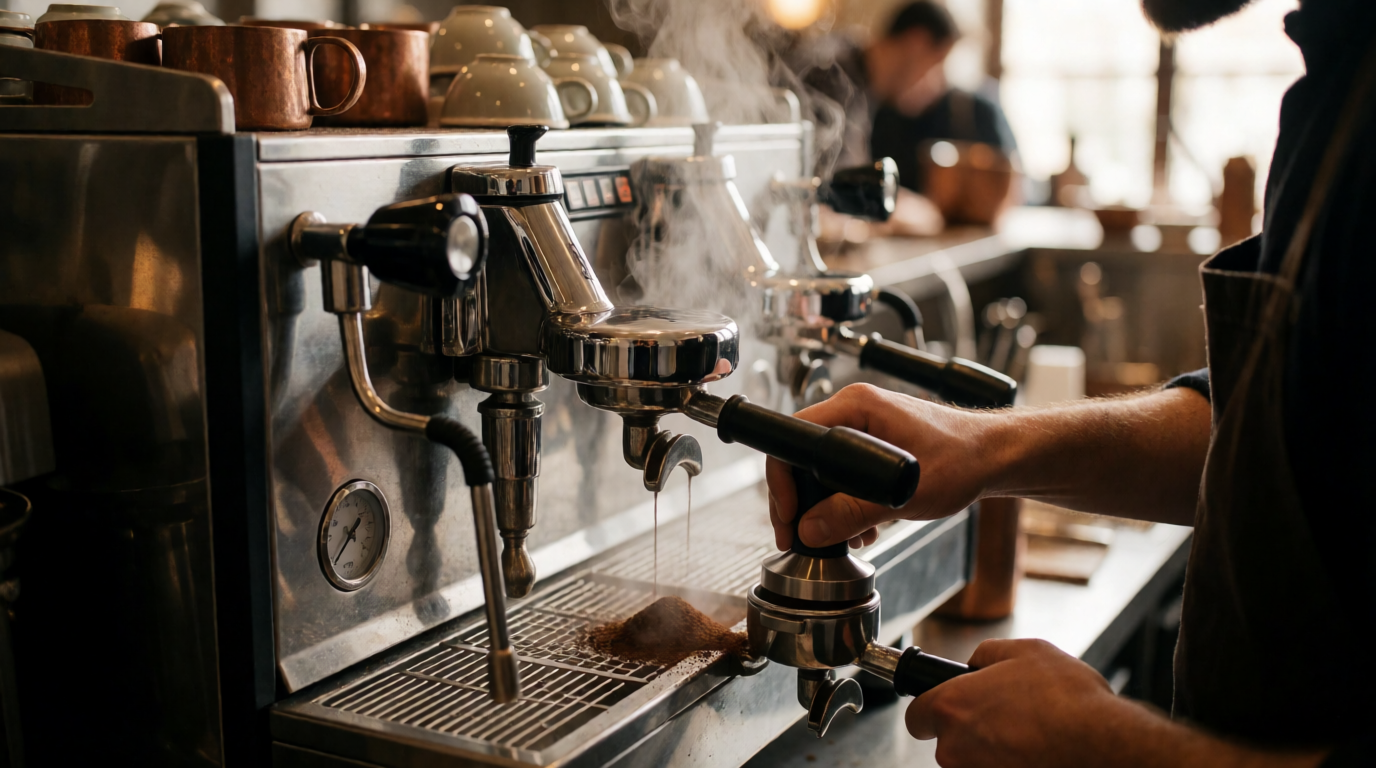
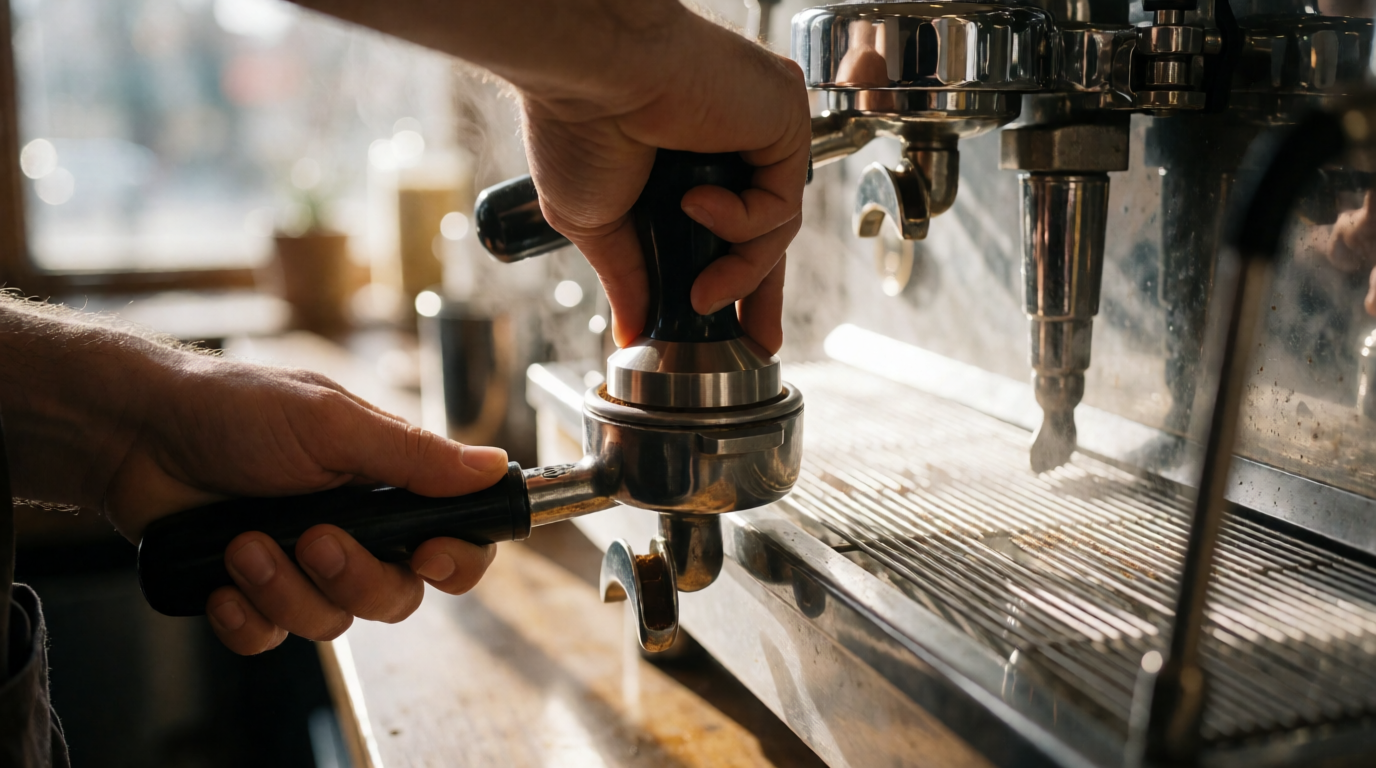
Consistency is the holy grail of restaurant coffee. Managed service restaurants include staff training — both initial and refresher sessions. White-glove technicians like Leslie Cook (a real technician with the company) train teams on proper grinding, tamping, and cleaning procedures. This ensures that the coffee tastes the same at 7 AM and 9 PM, whether the owner is present or not.
Step 4: Transparent Billing
One monthly invoice covers everything: equipment use, beans, filters, maintenance, and support. There are no surprise charges for emergency calls or replacement parts. For multi-location operators, this simplifies accounting and budgeting immensely.
Managed Coffee Service vs. Traditional Models
The table below highlights the key differences between managed coffee service restaurants and conventional approaches like buying equipment outright or leasing from a distributor.
| Feature | Managed Service (All-Inclusive) | Traditional Purchase | Standard Lease |
|---|---|---|---|
| Upfront Cost | $0 | $5,000–$20,000 | $0–$2,000 deposit |
| Monthly Fee | Fixed (includes everything) | Variable (beans + repairs) | Fixed (equipment only) |
| Maintenance | Included (proactive) | Pay per visit ($150–$400) | Limited warranty |
| Bean Quality | Premium specialty | Bulk commodity | Varies by contract |
| Staff Training | Included | Not included | Optional / extra |
| Contract Flexibility | Month-to-month or short-term | N/A | 3–5 year lock-in |
| Uptime Guarantee | 99%+ | No guarantee | No guarantee |
As the table shows, the managed model eliminates the two biggest risks for restaurant owners: capital exposure and operational variability. This is why more operators are exploring all-inclusive coffee service as a strategic priority.
Best Practices for Adopting Managed Coffee Service Restaurants
Transitioning to a managed coffee service requires thoughtful planning. Based on what I have seen work across dozens of implementations, here are the best practices for a smooth and profitable switch.
💡
Key Takeaway
The most successful transitions happen when the operator treats the coffee program as a strategic partnership, not a vendor transaction.
1. Audit Your Current Coffee Costs
Before evaluating providers, calculate your total current spend: equipment depreciation (or lease payments), beans, filters, water line installation, and repair costs over the last 12 months. Many operators discover they are paying 30–40% more than they realize. This baseline is essential for comparing managed proposals.
2. Prioritize Equipment Fit for Your Volume
A high-volume breakfast diner needs different equipment than a fine-dining dinner house. Discuss your peak hour volume with the provider. The SENSA line, for example, offers models rated for 100 to 500+ cups per day. Choosing the wrong capacity leads to bottlenecks or wasted capacity.
3. Insist on White-Glove Training
Not all managed services include hands-on training. Verify that the provider sends a certified technician to train your staff — not just a video or manual. The difference in consistency is night and day. As noted in our companion article on white-glove coffee service, this human touch is what separates premium providers from commodity distributors.
4. Review Contract Flexibility
Avoid long-term lock-ins. The best managed services offer month-to-month or 12-month agreements with no penalty for early termination. This protects you if your concept changes or if you decide to remodel.
5. Test the Service Response
Call the provider’s support line before signing. Ask about average response times for service calls. A provider that answers quickly and professionally will likely treat your restaurant the same way when a machine goes down on a Saturday brunch rush.
Frequently Asked Questions
How much does a managed coffee service for restaurants cost?
Pricing varies based on equipment tier, daily volume, and the number of locations. For a typical mid-volume restaurant (150–300 cups per day), managed memberships range from $400 to $1,200 per month. This includes premium specialty beans, all maintenance, and unlimited support. Compared to the alternative — purchasing a $12,000 machine plus $600/month in beans and $200/month in average repairs — the managed model often saves 15–25% annually. For an exact quote, providers like the company offer a free site assessment.
What happens if the coffee machine breaks during service?
This is where managed service shines. Most premium providers guarantee a same-day or next-business-day service call. Because the provider owns the equipment and profits from its uptime, they have a strong incentive to fix issues fast. Many also keep loaner machines on hand. In contrast, a restaurant that owns its machine faces a 3–5 day wait for a repair technician and a bill of $200–$500 for the visit.
Can I choose my own coffee beans?
Most managed services offer a curated selection of specialty-grade beans, often sourced from single-origin or direct-trade farms. The company, for example, works with roasters who supply fresh-roasted beans optimized for their SENSA equipment. While you may not have unlimited freedom to source any bean, the trade-off is consistency: the beans are specifically tested and dialed in for the machine. This eliminates the guesswork and ensures every cup meets quality standards.
Is managed coffee service suitable for multi-location restaurants?
Absolutely. In fact, multi-location operators benefit the most. A single monthly invoice, centralized support, and standardized equipment across all sites simplify operations dramatically. The company has deployed managed programs across medical office chains and boutique hotel groups, achieving consistent quality from location to location. It also simplifies training: new staff learn one system, not a hodgepodge of different machines.
How do I switch from my current coffee provider?
Switching is straightforward. The new managed provider handles everything: equipment removal (if needed), installation of new machines, and staff training. Most providers require 2–3 weeks lead time for equipment and installation scheduling. During the transition, the outgoing provider may require a 30-day notice, so plan accordingly. The best part: no capital outlay, so you can make the switch without tapping into your operating budget.
Conclusion
Managed coffee service restaurants represent a fundamental shift in how foodservice operators think about their beverage programs. Instead of managing a fragmented collection of equipment vendors, bean suppliers, and repair technicians, operators gain a single partner who owns the entire experience — from the first cup of the morning to the last espresso of the night.
For a deeper dive into the full spectrum of options, revisit our comprehensive guide to coffee service for restaurants, which covers everything from equipment selection to cost analysis and provider comparison.
If you are ready to eliminate capital expense, reduce operational complexity, and serve coffee that keeps guests coming back, explore how the company's all-inclusive managed membership works. With the SENSA line, white-glove support, and a transparent monthly fee, you can finally run your restaurant without worrying about the coffee.
Recommended Readings
To deepen your understanding of these topics, we recommend reading the following articles:
- SENSA Coffee Machines Ideal for Businesses
- Cost Savings from Automated Coffee Machines
- Ultimate Guide to Automated Coffee Machines for Business
- Ultimate Guide to Specialty Coffee Equipment for Business
About the Author
the author is the at the company, where he has spent over a decade helping foodservice businesses — from independent restaurants to national hotel chains — build profitable, hassle-free coffee programs. His firsthand experience deploying managed coffee service restaurants across hundreds of locations gives him unique insight into what works and what doesn't in real-world operations.
Free Coffee Pairing Guide & Specialty Roast Cheat Sheet
Unlock the secrets of perfect brewing ratios, water temperatures, and specialty roast profiles. Download the guide.