Introduction
If your business serves coffee — whether in an office breakroom, a hotel lobby, or a bustling restaurant — you know the struggle: machines break down, beans run out, and maintenance eats into your time and budget. The traditional approach is to buy your own equipment, negotiate with multiple suppliers, and hope for the best. But there's a smarter way: managed service coffee machines.
These all-inclusive solutions bundle premium equipment, installation, maintenance, and coffee supply into a single predictable monthly fee. In my experience working with hundreds of foodservice businesses, this model eliminates the headaches of ownership while delivering consistent quality. According to the National Coffee Association, 62% of Americans drink coffee daily, making it a non-negotiable amenity for most workplaces. Yet many businesses still rely on outdated, unreliable setups.
This guide dives deep into everything you need to know about managed coffee machines for businesses, including how they work, why they matter, and how to choose the right provider. For a broader overview of coffee subscriptions, see our Ultimate Guide to Coffee Subscriptions for Businesses.
What Are Managed Service Coffee Machines?
📚
Definition
Managed service coffee machines are commercial-grade coffee brewing systems provided under a subscription or lease agreement where the provider handles installation, maintenance, repairs, and coffee supply for a fixed monthly fee.
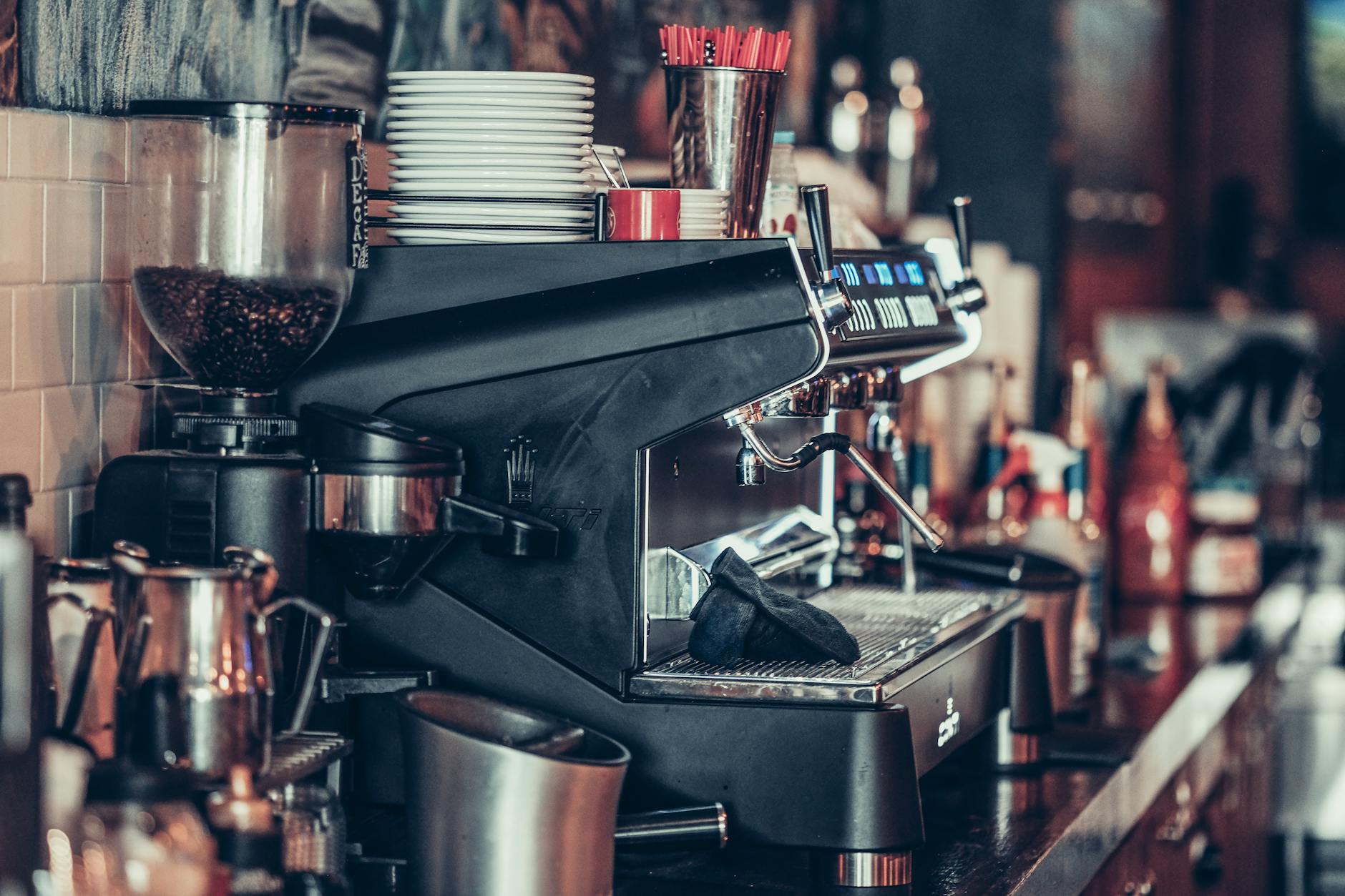
Unlike buying a machine outright, a managed service model transfers ownership and operational burden to the provider. You get access to top-tier equipment — often from brands like La Marzocco, Bunn, or Curtis — without the capital expense. The provider schedules regular cleaning, replaces parts when needed, and ensures you never run out of beans.
💡
Key Takeaway
Managed services turn coffee from a capital expense into a predictable operational cost, freeing up cash flow for other priorities.
This model is particularly popular in offices, hotels, restaurants, and healthcare facilities where coffee volume is high but in-house expertise is low. According to a report by IBISWorld, the commercial coffee service industry in the U.S. generates over $12 billion annually, and the managed service segment is growing at 8% per year as businesses seek simplicity.
Why Managed Coffee Machines Matter for Your Business
1. Cost Predictability
With traditional equipment ownership, you face unpredictable costs: sudden repairs, replacement parts, and supply price fluctuations. A managed service bundles everything into one flat fee. A study by Deloitte found that businesses using managed services for essential equipment reduce total cost of ownership by up to 25% over three years.
2. No Capital Outlay
High-end commercial espresso machines can cost $10,000 or more. Combining that with a grinder, water filtration, and installation often exceeds $20,000. Managed services eliminate this upfront hit — ideal for startups, growing businesses, or those wanting to preserve capital.
3. Consistent Quality
Coffee quality is highly dependent on machine calibration, water quality, and cleanliness. Managed providers perform regular maintenance and use fresh beans, ensuring every cup tastes as good as the last. The Specialty Coffee Association reports that improper maintenance can degrade espresso quality by 40% within months.
4. Reduced Staff Burden
Designated “coffee people” waste time on cleaning, troubleshooting, and ordering supplies. Outsourcing to a service frees your team to focus on core tasks. In hotels, this can translate to faster check-ins; in offices, more productive meetings.
5. Scalability
As your business grows or opens new locations, a managed provider can quickly install additional machines under the same contract, often at a discounted per-unit rate.
💡
Key Takeaway
The biggest advantage is peace of mind — you get great coffee without ever worrying about the machine.
For more on how managed services compare to traditional models, read our guide on Coffee Subscription vs Buying Equipment: Which is Better?.

How to Implement Managed Coffee Machines in Your Business
Step 1: Assess Your Volume and Needs
Calculate how many cups you serve daily. A small office (20 people) might need a single super-automatic machine; a hotel breakfast buffet may require a high-volume batch brewer. Most providers will help you size correctly.
Step 2: Compare Providers
Look for providers that offer branded equipment (e.g., Vollrath, Franke, or Bunn), transparent contracts, and local service coverage. Read reviews and ask for references. A provider like Busy Bean Coffee specializes in all-inclusive managed coffee solutions with top-tier SENSA equipment.
Step 3: Review the Contract Terms
Typical contracts run 3–5 years. Ensure you understand:
- What's included (machine, installation, maintenance, beans)
- Response time for service calls
- Early termination fees
- Price escalation clauses
Step 4: Plan Installation
A professional installation includes water line connection, electrical setup, and staff training. Most providers offer white-glove service — see our White Glove Coffee Installation Guide.
Step 5: Establish a Maintenance Schedule
Regular cleaning is critical for taste and longevity. The provider should handle periodic descaling, filter changes, and deep cleaning. Ask for a service log to track visits.
Step 6: Monitor and Adjust
After the first month, review consumption patterns. Many providers allow you to adjust bean quantities or machine settings to reduce waste or improve taste.
For more detailed steps, check out our Managed Coffee Services: All-Inclusive for Foodservice article.
Common Mistakes to Avoid with Managed Coffee Machines
1. Ignoring Water Quality
Hard water can destroy a machine in months. Verify that the managed service includes water filtration. Without it, you'll face frequent repairs and bitter coffee.
2. Choosing the Wrong Machine Type
A pod machine may be fine for a 10-person office but terrible for a restaurant. Assess your peak demand accurately. Super-automatic espresso machines are ideal for high-volume needs; bean-to-cup for moderate use.
3. Overlooking Fine Print
Some contracts include hidden fees for extra beans, service calls after hours, or installation of accessories. Ask for a complete price breakdown before signing.
4. Not Training Staff
Even maintenance-included machines require basic daily care like emptying drip trays and descaling. Ensure the provider trains your team — otherwise, problems accumulate.
5. Staying Locked in a Long Contract with a Poor Provider
Service companies can be slow to respond. Check online reviews and perhaps request a trial period. A 3-year contract with subpar service is a major headache.
6. Neglecting Coffee Quality
Managed service isn't just about the machine — the beans matter. Ask about origin, roast date, and blend consistency. Some providers use stale commodity beans to cut costs, ruining the experience.
💡
Key Takeaway
The cheapest managed service often costs more in lost productivity and bad coffee. Invest in a reputable provider.
For more tips on avoiding pitfalls, see our Best Office Coffee Subscriptions to Boost Team Morale guide.
Managed Coffee Machines vs. Traditional Ownership: A Side-by-Side Comparison
| Aspect | Traditional Ownership | Managed Service |
|---|---|---|
| Upfront Cost | $5,000 – $25,000+ | $0 (monthly fee) |
| Maintenance | You handle or pay per call | Included |
| Coffee Supply | Buy separately | Included (custom blends) |
| Quality Consistency | Varies with cleaning | Guaranteed by provider |
| Staff Training | You train | Provider trains |
| Scalability | Buy new machines | Add units under contract |
| Total Cost (3 years) | $30,000 – $60,000 (est.) | $18,000 – $36,000 (flat fee) |
This table clearly shows the financial advantage of managed services for most businesses. However, if you have very low volume (< 10 cups/day) or specialized coffee programs, ownership may still work. Our article Coffee Subscription vs Equipment explores this in depth.

Frequently Asked Questions
1. What exactly is a managed coffee machine service?
A managed coffee machine service provides commercial-grade coffee equipment, installation, ongoing maintenance, and coffee supplies for a fixed monthly fee. The provider retains ownership of the machine and handles all repairs, cleaning, and bean replenishment. Businesses get consistent coffee without the capital investment or operational headache.
2. How much does a managed coffee machine cost per month?
Pricing varies based on machine type, volume, and contract length. For a typical office super-automatic machine, expect $200–$500 per month. For high-volume restaurant or hotel units, $500–$1,500. This includes everything: machine, installation, filter, beans, and service. Compare this to the total cost of ownership, which often exceeds $1,000/month when amortized and adding supplies.
3. Is a managed service cheaper than buying a coffee machine?
Over three to five years, yes, usually by 20–40%. Buying costs high upfront plus ongoing maintenance, parts, and labor. Managed services spread costs evenly and include repairs. For example, a $10,000 machine with $3,000/year in supplies and $500/year in maintenance totals $20,500 over three years. A managed service at $400/month is $14,400 — a savings of $6,100.
4. What types of businesses benefit most from managed coffee machines?
Offices, hotels, restaurants, coworking spaces, healthcare facilities, and educational institutions benefit most. Any business serving more than 50 cups per day and lacking dedicated coffee staff is ideal. Our guides for Hotel Coffee Subscriptions and Restaurant Coffee Subscriptions provide tailored insights.
5. What if the machine breaks down?
Most managed contracts guarantee a response time (e.g., 24 hours for non-emergency, 4 hours for critical failure). The provider will repair or replace the machine at no additional cost. Always check the service level agreement before signing. At Busy Bean Coffee, we aim for same-day service in metro areas.
6. Can I choose the coffee beans with a managed service?
Yes, reputable providers offer a selection of roasts and blends. Some even allow you to customize the blend exclusively for your business. Ensure the contract specifies bean quality (e.g., 100% Arabica, specialty grade) and roast freshness. Our subscription services offer curated options from top roasters.
7. How long is the typical contract for managed coffee machines?
Most contracts run 3 to 5 years. Shorter terms (1–2 years) are possible but usually come with higher monthly fees. Early termination fees can be steep, so choose a provider you trust. Ask about month-to-month options after the initial term.
8. What happens at the end of the contract?
You can return the equipment, renew the contract (often at a lower rate), or upgrade to newer machines. Some providers offer buyout options if you want to own the machine. Make sure the contract doesn’t automatically renew without notice.
Conclusion
Managed service coffee machines represent a paradigm shift for businesses that depend on quality coffee without the operational drag. By outsourcing the machine, maintenance, and supply to a single provider, you gain cost predictability, consistent cups, and time to focus on what matters. Whether you run a 50-person office or a high-traffic hotel, the right managed solution can transform your coffee program.
Before signing any contract, assess your volume, compare providers, and read the fine print. For a comprehensive look at how coffee subscriptions fit into your overall strategy, revisit our Ultimate Guide to Coffee Subscriptions for Businesses.
Ready to simplify your coffee service? Explore Busy Bean Coffee's all-inclusive managed coffee solutions at www.busybeancoffee.com. With premium SENSA equipment, full maintenance, and artisan beans, we deliver a better cup with zero hassle.
Recommended Readings
To deepen your understanding of these topics, we recommend reading the following articles:
- Ultimate Guide to Wholesale Barista Equipment for Businesses
- Best Wholesale Espresso Machines for Restaurants and Cafes
- Commercial Coffee Grinders Wholesale Buyer's Guide
- Top Milk Frothers and Steamers Wholesale for Bars
About the Author
Travis Estes is the (Founder) at Busy Bean Coffee. With over a decade of experience in the commercial coffee industry, he has helped hundreds of hotels, offices, and restaurants optimize their coffee programs through managed services and subscription models.
Free Coffee Pairing Guide & Specialty Roast Cheat Sheet
Unlock the secrets of perfect brewing ratios, water temperatures, and specialty roast profiles. Download the guide.