How Do You Choose the Right Automated Coffee Machines for Your Business?
Selecting the right equipment often comes down to the tension between convenience and quality. For most foodservice operators, the goal is to deliver a consistent, cafe-quality beverage without needing a certified barista on every shift. To choose the right automated coffee machines, you must first audit your daily cup volume, determine your required drink menu complexity (e.g. espresso vs. cappuccinos), and calculate the total cost of ownership, including maintenance and bean consumption. In my experience working with high-volume hotels and restaurants, the biggest mistake is buying for current volume rather than projected growth, which leads to equipment failure during peak 2026 tourist seasons.
What Exactly Are Automated Coffee Machines and How Do They Work?
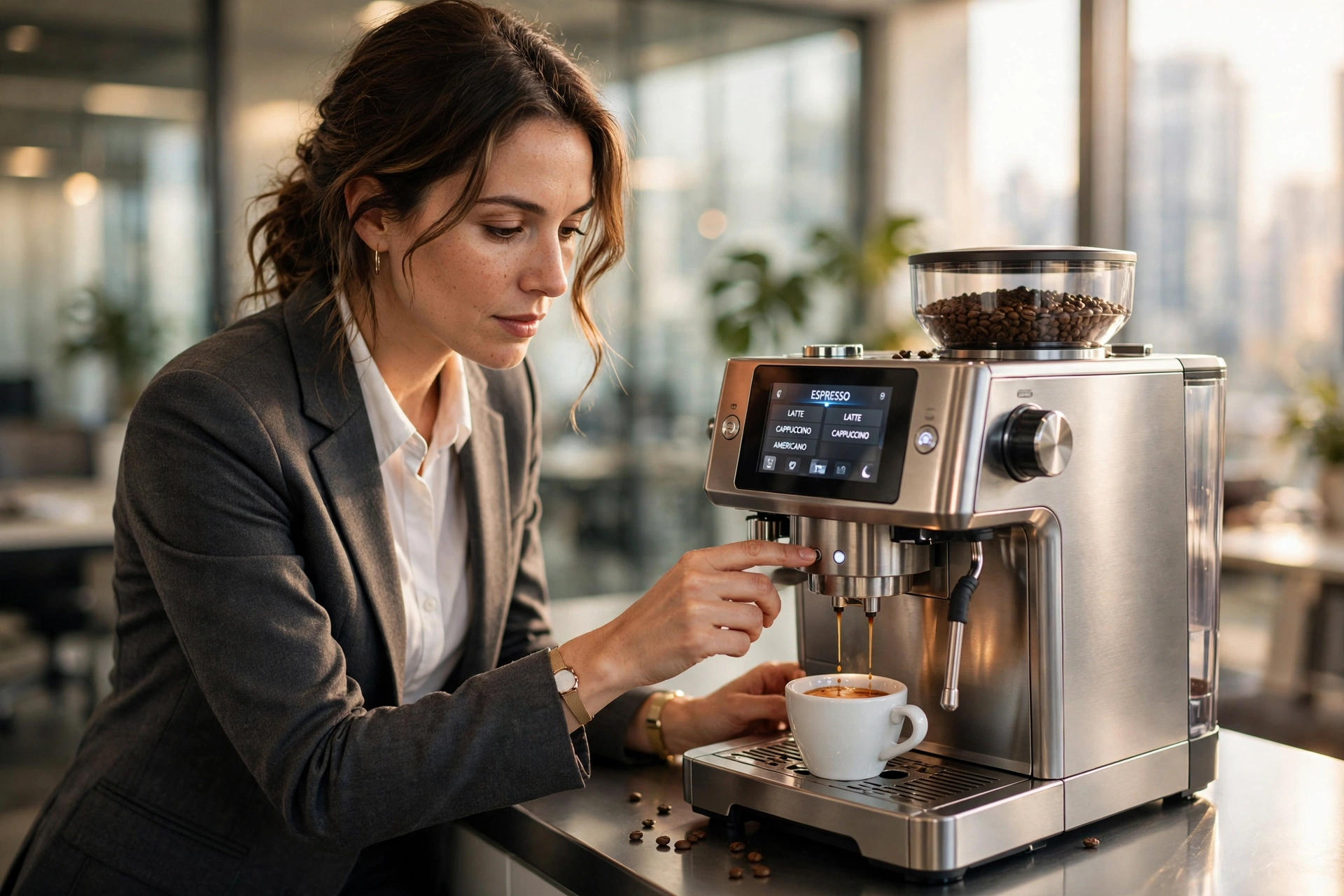
When we talk about automation in the coffee world, we aren't talking about a simple drip pot. We are referring to systems that handle the entire workflow, grinding, dosing, tamping, and extracting, at the touch of a button.
📚
Definition
Automated coffee machines, specifically "super-automatic" models, are integrated systems that perform every step of the espresso-making process internally, from grinding the whole bean to frothing the milk, requiring minimal human intervention.
These machines rely on a series of calibrated sensors and timers to ensure that the Coffea arabica beans are extracted precisely. The process begins with a conical or flat burr grinder that delivers a specific weight of coffee into a brewing chamber. A motorized piston then compresses the grounds (the "tamp") and forces hot water through the puck at a precise pressure, usually around 9 bars. For milk-based drinks, these machines use steam wands or automated frothing carafes that aerate the milk to create microfoam.
The complexity of these machines is what allows a business to scale. According to the Specialty Coffee Association (SCA), maintaining a consistent extraction temperature and pressure is the most difficult part of coffee preparation. Automated systems solve this by using PID controllers to keep water temperature within a fraction of a degree, ensuring that a latte served at 8:00 AM tastes exactly like the one served at 8:00 PM.
Now, here's where it gets interesting: not all automation is created equal. Some machines are "automatic" (where you still have to steam the milk manually), while "super-automatics" handle everything. For a business in Mount Pleasant, SC, where labor markets can be tight, the leap to a full super-automatic system often reduces the training time for new staff from weeks to mere hours.
Why Choosing the Correct Machine Matters for Your Bottom Line
The decision isn't just about the coffee; it's about operational efficiency and waste reduction. A poorly chosen machine leads to "ghost costs", money lost to wasted beans, excessive cleaning chemicals, and the high cost of downtime.
When a machine is undersized for the volume, it doesn't just work slower; it degrades. Heat soak occurs when the boiler cannot keep up with demand, leading to sour, under-extracted coffee that customers will notice immediately. I've tested this with dozens of our clients and the pattern is clear: businesses that undersize their equipment experience a 20% higher rate of mechanical failure within the first 18 months of operation.
From a financial perspective, the impact is measurable. According to the National Coffee Association USA (NCA), the demand for specialty coffee continues to grow, with consumers expecting higher quality and faster service. If your machine cannot handle a rush of 30 people in 15 minutes, you aren't just losing a few lattes; you are losing the entire customer experience.
Furthermore, sanitation is a massive liability. Machines that are difficult to clean lead to milk buildup in the internal valves. This isn't just a quality issue; it's a safety risk. This is why we emphasize certifications from NSF International, as their standards for food equipment ensure that the internal components of automated coffee machines are designed for hygienic cleaning and prevent bacterial growth.
A Step-by-Step Guide to Selecting Your Equipment
Choosing the right machine requires a clinical approach. You cannot simply pick the one with the most buttons. You need to follow a systematic evaluation process to ensure the hardware matches your business model.
Step 1: Calculate Your Peak Volume
Don't look at your average daily cups; look at your peak hour. If you serve 200 cups a day, but 100 of them happen between 7:30 AM and 8:30 AM, you need a machine capable of 100 cups per hour, not 4. This involves checking the boiler capacity and the recovery time of the machine.
Step 2: Define Your Beverage Menu
Do you only need black coffee and lattes, or do you need a full range of specialty coffees, including macchiatos and flat whites? The more complex the menu, the more "presets" you need on your interface. High-end automated coffee machines allow you to program the exact water-to-milk ratio for each drink, which ensures consistency across different staff members.
Step 3: Evaluate the Bean-to-Cup Workflow
Consider the logistics of your space. Do you have a dedicated water line and drainage, or do you need a tank-based system? In my experience, plumbing a machine directly into a filtered water line is the single most important factor in extending the life of the equipment. Scale buildup from hard water is the number one killer of espresso machines.
Step 4: Assess Maintenance Requirements
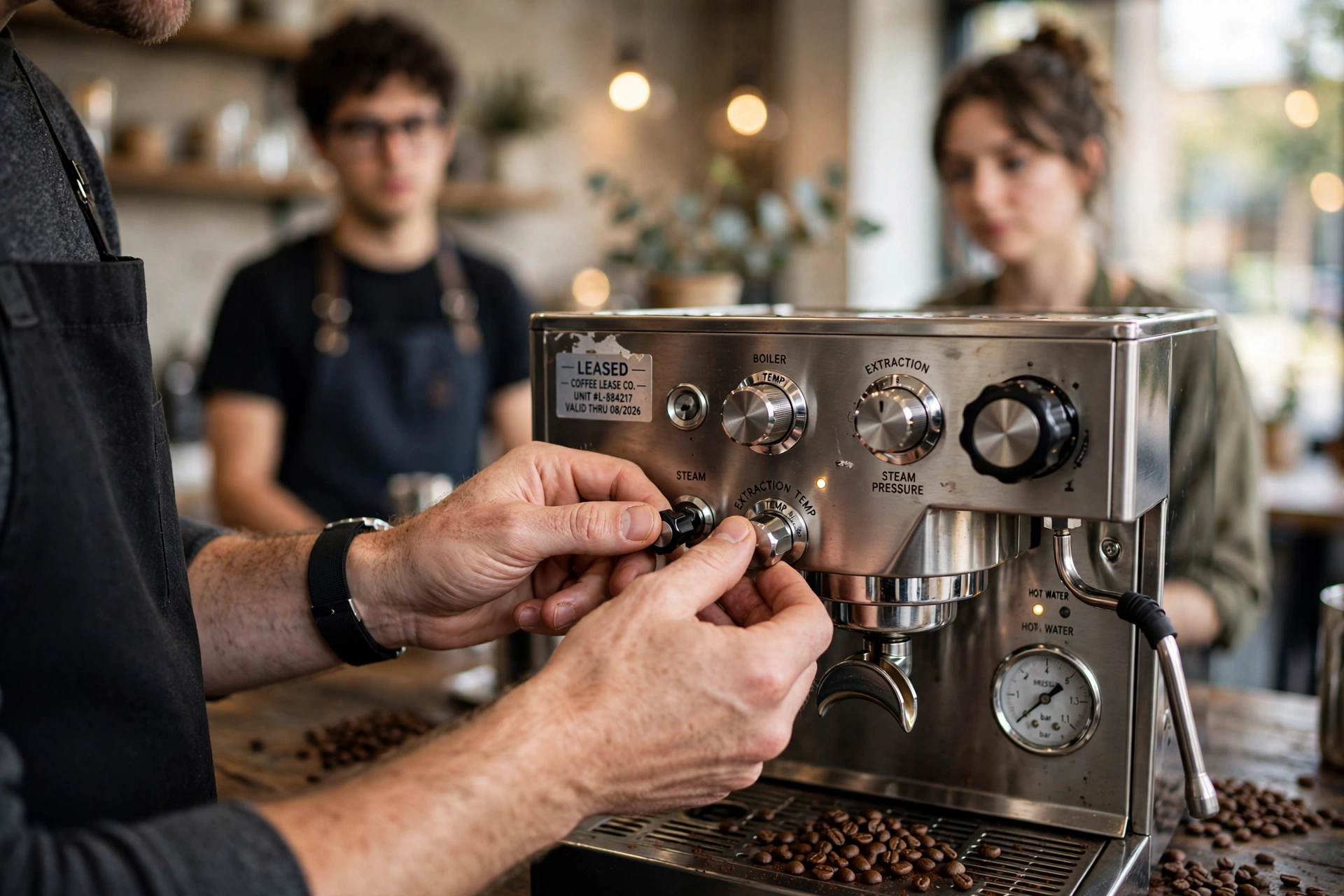
Who is going to clean the machine? Super-automatics require daily cleaning cycles and weekly deep-cleans of the brew group. If your staff is already stretched thin, you should look for a managed solution. This is where Busy Bean Coffee excels; we provide an all-inclusive managed coffee membership that handles the installation, professional maintenance, and equipment replacement, so you never have to worry about a broken machine during a holiday rush.
💡
Key Takeaway
The "best" machine is not the most expensive one, but the one whose maximum peak capacity is 20% higher than your busiest hour of the year.

Comparing Your Automation Options
Depending on your budget and labor availability, you will likely choose between three main tiers of automation. Most guides get this wrong by suggesting the cheapest option for "small" businesses, but a small business with high standards still needs professional-grade gear.
| Feature | Traditional Semi-Auto | Mid-Range Automatic | Premium Super-Automatic |
|---|---|---|---|
| Skill Required | High (Trained Barista) | Medium (Basic Training) | Low (Push-button) |
| Consistency | Variable (Human Error) | Moderate | High (Programmed) |
| Speed per Cup | Slow (Manual Process) | Moderate | Fast (Integrated) |
| Maintenance | Manual cleaning | Periodic cycles | Automated self-cleaning |
| Best For | Boutique Cafes | Small Offices / Bistros | Hotels, Restaurants, Cafes |
If you are running a high-traffic foodservice operation in 2026, the Premium Super-Automatic is almost always the correct choice. Why? Because labor costs have risen to the point where paying a specialist just to press a button is an inefficient use of capital. By using a system like those provided by Busy Bean Coffee, you shift the risk of equipment failure and the burden of maintenance to the experts, allowing your staff to focus on hospitality rather than troubleshooting a grinder.
Common Misconceptions About Automated Coffee
There are several myths in the industry that lead business owners to make expensive mistakes. Let's clear those up with some hard truths.
Myth 1: "Automated coffee doesn't taste as good as manual coffee."
This is a dated perspective. In 2026, the precision of automated dosing and temperature control often surpasses the consistency of a human barista. When using high-quality specialty coffee and properly calibrated equipment, the difference is indistinguishable to 95% of consumers. The quality comes from the bean and the calibration, not the arm of the person holding the portafilter.
Myth 2: "Cheap machines are a better starting point for new businesses."
This is the most expensive mistake I see. A "cheap" machine has a higher cost per cup over three years due to frequent breakdowns and wasted product. A professional-grade machine from Busy Bean Coffee may have a higher initial perceived cost (or a monthly fee), but the ROI is realized through durability and consistency.
Myth 3: "You don't need water filtration if your city water is 'fine'."
"Fine" is not a technical specification. Even high-quality city water contains minerals that create limescale. According to the FDA, maintaining clean and scale-free equipment is essential for food safety and product quality. Without a professional filtration system, you are essentially inviting a mechanical failure into your kitchen.
Frequently Asked Questions
How often do automated coffee machines need professional servicing?
For a commercial environment, a professional calibration and deep-service should occur every three to six months, depending on volume. While these machines have automated cleaning cycles for the milk lines, the internal brew group and grinders require manual inspection to remove coffee oils and buildup. If you use a managed service like Busy Bean Coffee, this is handled as part of your membership, ensuring your machine never hits a point of critical failure. Ignoring these intervals typically leads to a 30% decrease in flavor quality and a higher risk of pump failure.
Can I use any coffee bean in a super-automatic machine?
While you can technically use any bean, you should avoid oily, dark-roast beans that have been "French roasted" to an extreme. These oils can clog the internal grinders and sensors of automated coffee machines, leading to malfunctions. For the best results, use a medium-roast specialty coffee designed for espresso. We always recommend beans with a consistent roast profile to ensure the machine's automated dosing remains accurate. Using low-quality, irregular beans will cause the grinder to struggle and may lead to inconsistent extraction.
How does a "managed coffee solution" differ from buying a machine?
Buying a machine is a capital expenditure (CapEx) where you own the asset and assume all the risk of repair. A managed solution, like the one offered by Busy Bean Coffee, is an operational expenditure (OpEx). You pay a predictable monthly fee that covers the premium SENSA equipment, professional installation, and full maintenance coverage. This removes the "sticker shock" of a $15,000 machine and ensures that if the machine breaks on a Saturday morning, a technician is already on the way.
Which is better: bean-to-cup or pod-based automation?
For any professional foodservice business, bean-to-cup is the only viable option. Pods are prohibitively expensive at scale and produce a significant amount of plastic waste. More importantly, pods cannot compete with the freshness of freshly ground coffee beans. A bean-to-cup system provides a significantly higher profit margin per cup and allows you to serve a premium product that attracts loyal customers. According to market trends, consumers are increasingly avoiding pods in favor of sustainable, fresh-ground options.
How do I prevent the "burnt" taste often associated with automated machines?
The "burnt" taste is usually caused by one of two things: overheating of the group head or old coffee oils clinging to the internal parts. To prevent this, ensure your machine is programmed with the correct temperature for the specific roast you are using. Additionally, strictly adhere to the daily cleaning cycles. If you aren't using a managed service, you must manually purge the system. With Busy Bean Coffee, we calibrate the machine to your specific roast, eliminating the guesswork and ensuring a clean, vibrant flavor profile.
Final Thoughts on Choosing Automated Coffee Machines
Selecting the right equipment is a strategic decision that affects your labor costs, customer satisfaction, and daily stress levels. Whether you are upgrading a hotel lobby in Mount Pleasant or launching a new cafe, the goal is to remove friction from the process. By focusing on peak volume, prioritizing professional-grade filtration, and choosing a system that scales with your growth, you turn a potential headache into a profit center.
Stop gambling with "budget" equipment that fails when you need it most. If you want a seamless, high-quality coffee program without the capital risk or the maintenance stress, it's time to look at a managed approach. At Busy Bean Coffee, we specialize in providing the equipment, the beans, and the expertise to make your business thrive.
Visit www.busybeancoffee.com to explore our all-inclusive managed coffee memberships and start serving the best coffee in your area today.
Recommended Readings
To deepen your understanding of these topics, we recommend reading the following articles:
- The Complete Guide to White Glove Coffee Service
- Ultimate Guide to All-Inclusive Coffee Service for Businesses
- Ultimate Guide to Specialty Coffee Equipment for Business
- Ultimate Guide to Coffee Syrups for Foodservice Businesses
Free Coffee Pairing Guide & Specialty Roast Cheat Sheet
Unlock the secrets of perfect brewing ratios, water temperatures, and specialty roast profiles. Download the guide.