Which Cafe Equipment Supply Model Is Right for Your Business?
Choosing the wrong hardware can kill a cafe's margins before the first bean is roasted. Most operators face a choice between three distinct paths: purchasing equipment outright (CapEx), leasing traditional hardware, or opting for a managed membership model. For those operating in high-traffic environments, the most efficient choice is typically a managed coffee service because it eliminates the volatility of maintenance costs and technical downtime. If you are scaling a hospitality venture, you need a cafe equipment supply strategy that prioritizes uptime over initial ownership.
In my experience working with dozens of hotel and restaurant owners, the biggest mistake is treating an espresso machine like a kitchen appliance. A toaster doesn't stop your entire revenue stream when it breaks; a failing group head on a commercial machine does. When we help clients implement automatic coffee machines for hotels and hospitality, we focus on the "Total Cost of Ownership" (TCO), not the sticker price.
Understanding the Landscape of Cafe Equipment Supply
When we talk about cafe equipment supply, we aren't just talking about where to buy a grinder. We are discussing the operational framework that keeps your beverage program running. The core of this system is the balance between hardware capability, technical support, and bean quality. Whether you are sourcing a single-group machine for a small boutique or a full suite of automated systems for a medical wing, the supply chain you choose dictates your daily stress levels.
📚
Definition
Total Cost of Ownership (TCO) in the coffee industry refers to the combined cost of the initial equipment purchase, monthly energy consumption, water filtration maintenance, professional barista labor, and unplanned emergency repairs over the lifespan of the machine.
The complexity of modern coffee technology means that the "supply" aspect now includes software updates and precision calibration. According to the Specialty Coffee Association (SCA), maintaining strict temperature stability and pressure profiles is essential for producing specialty coffee that meets global quality standards. If your equipment supply model doesn't include a plan for regular calibration, your "specialty" coffee will taste mediocre within three months.
Now, here is where it gets interesting: many operators think that owning the equipment outright gives them more control. In reality, ownership often means you are the only person responsible when a boiler leaks at 7:00 AM on a Monday. In a managed model, that risk is shifted to the provider. This is why we see a massive shift toward integrated solutions, such as the Sensa Coffee Service in Charlotte, NC, where the equipment is part of a broader service agreement rather than a standalone asset.

Why Your Equipment Choice Dictates Your Bottom Line
The financial implications of your cafe equipment supply choice go far beyond the initial invoice. In the foodservice industry, equipment downtime is a direct leak of profit. If a machine is offline for two days, you aren't just losing the cost of the coffee; you're losing the customer's lifetime value and the potential for high-margin food pairings.
According to research from NSF International, adherence to strict sanitary and safety standards (such as NSF/ANSI 4) is not just a regulatory requirement but a risk mitigation strategy. Equipment that is poorly supplied or maintained frequently fails health inspections or, worse, causes safety hazards. When you opt for a low-cost, unmanaged supply route, you are essentially betting your business on the hope that your machine won't fail during a peak holiday rush.
The data shows a clear pattern: businesses that utilize managed coffee memberships see a more predictable monthly OpEx (Operating Expenditure) and a significant reduction in "hidden" costs. For example, a standard commercial espresso machine can require $500 to $2,000 in annual maintenance if managed internally. When this is coupled with the cost of a skilled barista to perform that maintenance, the "cheap" option becomes expensive.
Furthermore, the National Coffee Association USA (NCA) notes that consumer preferences are shifting toward higher-quality, automated specialty beverages. If your equipment cannot keep up with these trends, you lose market share. This is why integrating a foodservice coffee program in Chicago IL or similar urban hubs requires hardware that can handle extreme volume without compromising the integrity of the Coffea arabica bean.
How to Implement a Professional Equipment Strategy
Implementing a high-tier cafe equipment supply strategy requires moving away from "shopping" and moving toward "architecting." You don't want a machine; you want a beverage system that produces consistent results regardless of who is pressing the button.
The first step is conducting a volume analysis. How many cups per hour do you realistically expect during peak times? If you are a medical clinic, your needs are different from a hotel lobby. For clinics, we recommend automated coffee machines for clinics and medical offices because they offer speed and hygiene without requiring a full-time barista.
Second, evaluate your water quality. This is the most overlooked part of any cafe equipment supply. Mineral buildup (scale) is the number one killer of commercial machines. A professional implementation must include a multi-stage filtration system tailored to the local water chemistry.
Third, decide on your labor model. Do you have a certified barista, or do you have a general staff member who needs to make a great latte? If the latter, you need automated "bean-to-cup" technology. Busy Bean Coffee specializes in this transition, providing SENSA equipment that removes the human error from the brewing process.
💡
Key Takeaway
The most successful coffee programs prioritize "consistency over complexity." An automated system that delivers a 9/10 cup every single time is infinitely more profitable than a manual system that delivers a 10/10 cup only when a master barista is on shift.
Once the hardware is in place, the final step is the service layer. This includes professional installation and a maintenance schedule that happens before the machine breaks. For businesses in the Carolinas, we implement this through targeted regional support, such as our Sensa Coffee Service in Mount Pleasant SC, ensuring that a technician is always nearby.
Comparing the Three Main Equipment Supply Models
When deciding which path to take, you must weigh the trade-offs between capital preservation, operational risk, and quality control. Most operators mistakenly focus only on the "Pros" of ownership while ignoring the "Cons" of maintenance.
| Feature | Traditional Purchase (CapEx) | Traditional Leasing | Managed Membership (Busy Bean) |
|---|---|---|---|
| Upfront Cost | Extremely High | Moderate | Zero to Low |
| Maintenance | Your Responsibility | Varies by Contract | Fully Included |
| Equipment Quality | User Choice | Limited to Lease | Premium SENSA Gear |
| Risk Profile | High (Equipment Failure) | Medium (Contractual) | Low (Managed Service) |
| Cash Flow | Heavy Initial Hit | Predictable Monthly | Predictable Monthly |
| Best For | High-End Boutique Cafes | Mid-Sized Enterprises | Hotels, Clinics, Foodservice |
That said, the "Traditional Purchase" model is only viable if you have a dedicated technician on staff. For the vast majority of hospitality businesses, the Managed Membership model is the only one that aligns the incentives of the supplier and the operator. When we provide a Sensa Coffee Service in Raleigh NC, our goal is to ensure the machine never goes down, because our membership depends on your success.

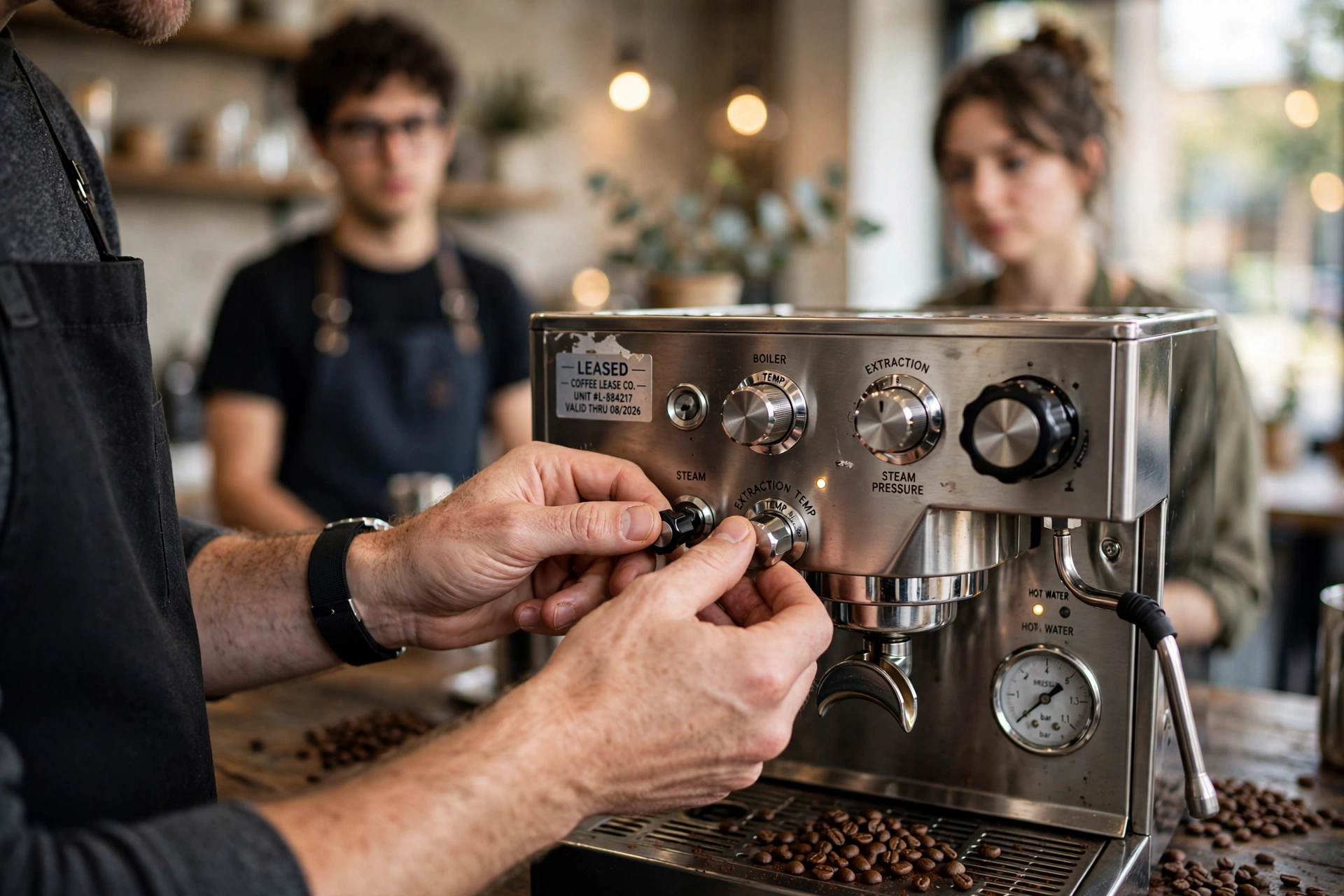
Now, here is the real-world friction point: many "leasings" are just glorified loans. You pay for the machine over time, but you still have to call a third-party repairman when the pump dies. That is not a service; that is a payment plan. A true managed supply, like what we offer at Busy Bean Coffee, integrates the equipment, the beans, and the maintenance into a single monthly fee.
Common Misconceptions About Cafe Equipment Supply
Most guides on coffee equipment get this wrong: they tell you to buy the "best" machine. But "best" is a relative term. A $20,000 manual machine is the "worst" choice for a hotel lobby where the staff has zero barista training.
Myth 1: "Owning the equipment saves money in the long run."
This is a fallacy. When you factor in the depreciation of the hardware and the cost of emergency repairs, ownership is often more expensive than a managed service. In my experience, an unplanned repair during a busy weekend can cost more in lost revenue than an entire year of membership fees.
Myth 2: "Automatic machines produce lower-quality coffee."
This is a relic of the 1990s. Modern automated equipment, especially the SENSA line, utilizes precision grinding and PID temperature control that rivals manual machines. As long as you use high-quality Arabica coffee, the consumer cannot tell the difference between an automated pour and a manual one.
Myth 3: "Any technician can fix any machine."
False. Modern espresso machines are essentially computers with boilers. Using a general handyman to fix a precision-calibrated machine is a recipe for disaster. You need a supplier who provides certified technicians who understand the specific firmware and hydraulics of your gear. This is why localized support, like our Sensa Coffee Service in Greenville SC, is such a critical advantage.
Frequently Asked Questions
Which cafe equipment supply model is best for a new hotel?
For hotels, a managed membership is almost always the superior choice. Hotels operate 24/7, meaning equipment wear is accelerated. A managed model ensures that maintenance is proactive rather than reactive. Furthermore, hotels typically lack a dedicated in-house barista for every shift; therefore, automated SENSA equipment ensures that a guest gets the same high-quality espresso at 3:00 AM as they do at 8:00 AM. This predictability protects the hotel's brand reputation and reduces labor costs.
How do I calculate the ROI of a managed coffee service versus purchasing?
To calculate ROI, you must look beyond the monthly fee. Add up the initial purchase price, the cost of annual servicing, the cost of replacing worn gaskets/filters, and the estimated loss of revenue during a 48-hour downtime event. Compare this total to the monthly membership cost over 36 months. In most cases, the managed service wins because it converts a volatile, high-risk CapEx cost into a stable, predictable OpEx cost, freeing up capital for other growth areas of your business.
Does the type of coffee bean affect the equipment I should choose?
Absolutely. If you are using high-altitude specialty coffee, you need equipment with precise temperature control to avoid over-extracting the delicate notes of the bean. If you are running a high-volume "commodity" coffee program, you need durability and speed. Our systems at Busy Bean Coffee are calibrated specifically for specialty roasts, ensuring that the equipment enhances the flavor profile of the coffee bean rather than masking it with burnt or sour notes.
What is the difference between a "lease" and a "managed service"?
A lease is a financial agreement to pay for a piece of hardware over time; once the lease is over, you may own it, but you've spent the time maintaining it. A managed service is a partnership. It includes the hardware, the coffee supply, and the technical support. If the machine breaks in a managed service, the provider is incentivized to fix it immediately because the service agreement is based on operational success, not just equipment delivery.
How often should commercial cafe equipment be serviced?
At a minimum, deep cleaning and calibration should happen weekly, but professional preventative maintenance should occur every quarter. This includes replacing water filters and checking boiler pressure. In a managed supply model, this is handled automatically. If you are managing your own Sensa Coffee Service in Columbia SC, failing to adhere to a quarterly schedule can lead to scale buildup that permanently damages the heating element, leading to costly replacements.
Final Thoughts on Cafe Equipment Supply
Selecting the right cafe equipment supply strategy is not about finding the cheapest machine; it is about minimizing the gap between your "ideal" cup of coffee and the one actually served to your customer. Whether you are managing a boutique office or a large-scale hospitality operation, the goal is the same: consistent quality with zero operational friction.
The transition from traditional ownership to a managed membership is the single most effective way to protect your margins in 2026. By removing the burden of maintenance and the risk of capital loss, you can focus on your core business while we handle the technical complexities of the brew.
If you are ready to upgrade your beverage program without the stress of ownership, explore the all-inclusive solutions at Busy Bean Coffee. From precision SENSA equipment to professional installation, we provide the infrastructure your business needs to thrive. For more regional insights, check out our Sensa Coffee Service in Charleston SC guide to see how we support local businesses.
Free Coffee Pairing Guide & Specialty Roast Cheat Sheet
Unlock the secrets of perfect brewing ratios, water temperatures, and specialty roast profiles. Download the guide.