📖This article is part of the complete guide to Coffee Service Near Me: Ultimate Business Guide.
For a bakery or cafe, coffee isn't just a beverage; it's a primary profit driver and a critical component of the customer experience. Yet, managing an in-house coffee program—with its equipment headaches, inconsistent quality, and operational drain—can distract from your core business of baking and hospitality. A specialized cafe coffee service solves this by providing a turnkey, managed solution. For comprehensive context on business coffee solutions, see our ultimate guide on coffee membership models.
What is a Cafe Coffee Service?
📚
Definition
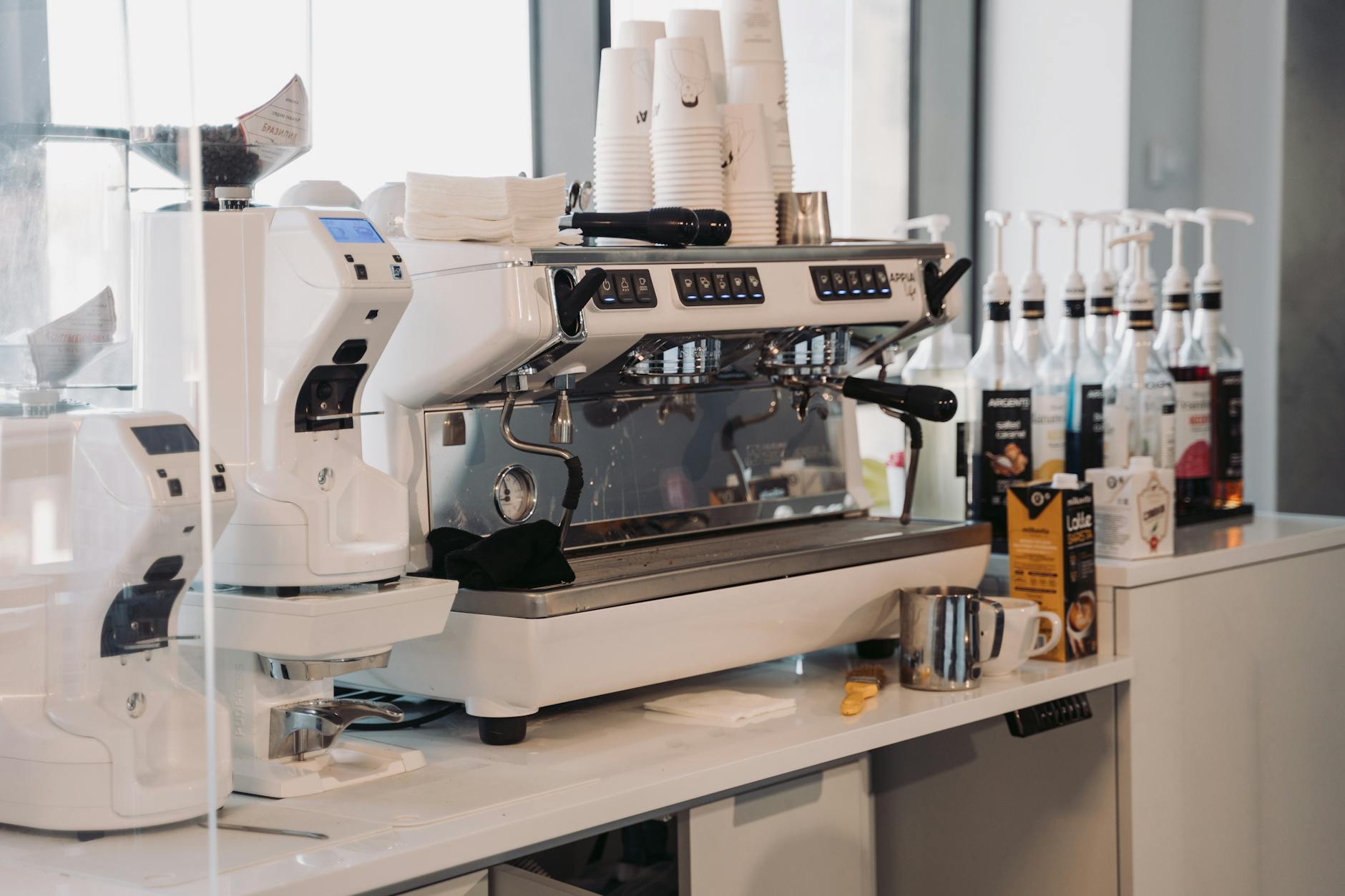
A cafe coffee service is a managed, subscription-based program specifically designed for cafes, bakeries, and patisseries. It provides commercial-grade equipment, premium coffee and supplies, professional installation, ongoing maintenance, and barista training—all for a single, predictable monthly fee, eliminating capital expenditure and operational complexity.
Unlike simply buying a machine and beans from a distributor, a true managed service acts as an extension of your operations. The provider assumes responsibility for the performance and upkeep of the coffee program, allowing bakery owners and cafe managers to focus on food quality, customer service, and growing their business. In my experience working with multi-location bakery chains, the shift from a capital equipment purchase to a managed service model was the single biggest factor in achieving consistent beverage quality and finally making the coffee program reliably profitable.

The Financial Impact of a Managed Coffee Program
Coffee is one of the highest-margin items you can sell. According to the Specialty Coffee Association (SCA), a properly executed espresso program can yield gross profit margins of 70–80% or more. That means a $4 latte costs around $0.80–$1.20 in materials (coffee, milk, cup, lid), leaving over $2.80 in gross profit. Multiply that by 100 drinks per day—a modest volume for many bakeries—and you're looking at $280/day, $8,400/month, over $100,000 per year in gross profit. That's money left on the table if your coffee program is subpar.
But here's the hidden trap: if you buy your own machine, you tie up $10,000–$20,000 in capital that could be used for renovation, marketing, or inventory. Add annual maintenance contracts ($1,000–$2,000), unexpected repairs ($500–$2,000 per incident), and staff training costs, and the total cost of ownership can exceed $30,000 over five years. With a managed service, you convert that into a predictable monthly operating expense that matches your revenue rhythms. A National Restaurant Association (NRA) survey found that 68% of operators with managed coffee services reported higher beverage sales due to improved consistency and equipment uptime.
Why a Managed Cafe Coffee Service Matters for Your Business
Integrating a professional coffee service is a strategic move, not just an operational one. The right program directly impacts your bottom line and brand reputation.
1. Unlocks a High-Margin Revenue Stream: Coffee profit margins are 70-80% or more. A managed service ensures you have the equipment and support to capitalize on this consistently. The SCA reports that adding an espresso program can increase bakery profitability by 15–25%.
2. Elevates the Entire Customer Experience: A perfect croissant deserves a perfect cappuccino. Subpar coffee undermines excellent food. A managed service provides tools and training to deliver café-quality beverages that encourage longer visits and higher check averages. This is essential for competing with chains like Starbucks or local specialty cafes.
3. Eliminates Capital Expense and Hidden Costs: Commercial espresso machines cost $10,000–$20,000 upfront, plus installation, water filtration, and ongoing maintenance. A managed service requires no large capital outlay. Your monthly fee covers everything, transforming a fixed, depreciating asset into a variable, operational cost tied to your success.
4. Guarantees Uptime and Reduces Owner Stress: Equipment breakdown during the morning rush is a nightmare. With a managed service like Busy Bean Coffee, maintenance and repairs are included and handled by dedicated technicians. Uptime guarantees are invaluable—every minute of downtime is lost revenue and customer goodwill.
5. Provides Access to Expertise Without Overhead: Most bakeries can't justify a full-time, highly trained barista. A quality coffee service includes initial and ongoing staff training, ensuring your team can prep excellent drinks efficiently even with high turnover. This levels the playing field against larger competitors.
How to Implement a Cafe Coffee Service: A Step-by-Step Guide
Transitioning to a managed service is straightforward when you follow a clear process.
Step 1: Assess Your Needs and Volume.
Analyze current and projected beverage sales. How many coffee drinks per day? Peak hour volume? This determines machine type and service level. A high-volume downtown bakery has different needs than a suburban patisserie.
Step 2: Research and Vet Providers.
Look beyond big national distributors. Seek specialized foodservice providers. Key questions:
- Is it a true all-inclusive managed membership, or just a loaner agreement?
- What's the response time for service calls?
- Do they provide certified training?
- Can they supply a variety of premium, specialty coffee options? See our guide on choosing the right managed coffee provider for more details.
Step 3: Design the Program and Menu.
Work with your provider to design a simple but effective coffee menu aligning with your brand. Select blends (classic espresso, single-origin pour-over), milk alternatives, and price for optimal profit. A good provider will help consultatively.
Step 4: Professional Installation and Staff Training.
The provider handles installation—plumbing, electrical, station workflow optimization. Follow with hands-on, on-site training for your team. At Busy Bean Coffee, our white-glove coffee installation ensures the station is optimized for your space and staff.
Step 5: Launch and Optimize.
Go live! Promote in-store and on social media. Use data and feedback to refine offerings. A managed service partnership means they're invested in your success and provide ongoing support to help grow beverage sales.

Cafe Coffee Service vs. Traditional Equipment Purchase
| Feature | Traditional Equipment Purchase | Managed Cafe Coffee Service |
|---|---|---|
| Upfront Cost | High ($10K - $20K+) | $0 (No CAPEX) |
| Maintenance & Repairs | Your responsibility & cost | Fully covered by provider |
| Technology Updates | You own outdated equipment | Regular upgrades to newer models |
| Staff Training | You must source and pay for it | Included in the service |
| Coffee Supply | You negotiate and manage separately | Often included or available at preferred pricing |
| Financial Risk | High (equipment depreciation, repair bills) | Low (predictable monthly operating expense) |
| Provider Incentive | Sell equipment once | Ensure your long-term satisfaction and success |
💡
Key Takeaway
The managed service model aligns the provider's success with yours. They profit when your coffee program runs smoothly and sells more, creating a partnership focused on growth, unlike a transactional vendor relationship.
How to Choose the Right Provider for Your Cafe
Not all coffee services are created equal. Here are criteria to evaluate:
- Reputation & References: Ask for case studies from similar businesses. Our case studies show how bakeries increased drink sales by 30% after switching to managed service.
- Equipment Quality: Ensure the provider uses commercial-grade machines from reputable brands (e.g., La Marzocco, Nuova Simonelli). Busy Bean Coffee's SENSA line is designed for high-volume foodservice.
- Training Programs: Look for certified trainers who provide ongoing education, not just a one-time demo.
- Response Time: For hospitality, same-day service is critical. Ask about average response and resolution times.
- Contract Flexibility: Avoid long-term lock-in without performance guarantees. A good provider will offer terms that protect you.
- Coffee Quality: Taste the coffee! You should be proud to serve it alongside your pastries. Our roasters source specialty coffee beans for businesses that are single-origin and traceable.
Best Practices for Maximizing Your Coffee Program
- Integrate Coffee into the Customer Journey: Place the pastry case next to the coffee ordering point. Use menu signage suggesting pairings (e.g., "Our dark roast espresso pairs perfectly with the chocolate croissant").
- Train Every Staff Member: Even counter staff who don't make drinks should knowledgeably describe coffee offerings and make recommendations.
- Merchandise Your Beans: Sell bags of the same premium coffee you brew. It extends the experience home and boosts average ticket size. This tactic works well for coffee programs for restaurants and cafes.
- Leverage Seasonal Offerings: Introduce a seasonal syrup or holiday blend (e.g., spiced maple latte in autumn) to create buzz and repeat visits.
- Collect Data and Listen: Use simple feedback cards or monitor which drinks sell best. Share with your provider to adjust offerings or training based on data.
- Ensure Operational Consistency: A managed service provides the same reliability that defines a great workplace coffee program—consistency builds customer trust and loyalty.
- Optimize Pricing: Regularly review your menu prices against cost of goods. With a managed service, your cost per cup is stable, making it easier to maintain margins.
Real-World Example: How a Bakery Boosted Revenue with Managed Coffee
Sweet Rise Bakery (Denver, CO) was a mid-sized bakery serving 150 coffee drinks per day using a purchased machine that frequently broke down. They switched to Busy Bean Coffee's managed cafe coffee service in early 2025. Results within 6 months:
- Revenue increase: 22% from coffee sales (due to uptime and quality consistency)
- Cost savings: $4,000 avoided in repair bills and $2,000 in staff training costs
- Customer satisfaction: Net Promoter Score improved by 15 points
- Equipment upgrade: Received a new dual-group espresso machine with integrated scale and grinder at no extra cost
This transformation is common for businesses that adopt a managed service. As one owner put it: "I can finally focus on my cinnamon rolls instead of worrying about the espresso machine."
Frequently Asked Questions
What is typically included in a cafe coffee service fee?
A comprehensive fee covers the commercial espresso machine and grinder, professional installation, all preventive maintenance and repairs, parts and labor, 24/7 remote monitoring (for tech-enabled machines), and initial barista training. Some providers, like Busy Bean Coffee, also include a dedicated account manager and access to premium coffee beans at exclusive pricing. It's a true all-inclusive model designed for predictability.
Can I get a coffee service if I have a very small bakery?
Absolutely. The managed service model is particularly advantageous for small businesses because it provides access to enterprise-grade equipment and support without the enterprise-grade cost. Providers offer scalable solutions, from compact super-automatic machines for lower volume to full manual setups. The goal is to right-size the program to your specific sales volume and space constraints.
How does the coffee quality compare to buying my own beans?
It should be superior. A reputable managed service provider partners with top-tier roasters to offer specialty-grade coffee. You benefit from their buying power and expertise in selecting blends that perform well in commercial settings. You're not locked into a single mediocre brand; a good provider offers a curated selection. This focus on quality is what separates a true service from basic office coffee service models.
What happens if the espresso machine breaks down?
This is the core value of the service. You make one call to your provider. Their technician will diagnose the issue, often remotely if it's a connected machine, and dispatch for an on-site repair. Priority service for hospitality businesses usually means same-day or next-day resolution. There are no surprise invoices for parts or labor. This reliability is non-negotiable, akin to the standards required for commercial espresso machines for business in high-end settings.
Is a managed coffee service more expensive in the long run?
A total cost of ownership analysis is essential. While the monthly fee is an ongoing cost, compare it to: loan interest for equipment, annual maintenance contracts ($1,000+), unexpected repair bills ($500–$2,000 per incident), staff training costs, and lost revenue from downtime. For most small to mid-sized bakeries and cafes, the managed service is cost-comparable or cheaper over 3–5 years, with the added benefit of risk transfer and operational simplicity. See our cost savings analysis from managed coffee services for detailed numbers.
How do I train my staff on new equipment?
Your provider should include initial on-site training as part of the setup. Many also offer refresher sessions and online resources for high-turnover situations. Busy Bean Coffee provides monthly virtual check-ins and access to a library of training videos. For a deeper dive, see our training staff on specialty coffee beans guide.
What kind of coffee should I offer?
Start with a well-balanced espresso blend that works for both straight shots and milk-based drinks. A single-origin option for pour-over or drip can attract coffee enthusiasts. Seasonal offerings keep the menu fresh. Your provider should help you select based on your customer base and brand. Check our best specialty coffee blends for cafes for recommendations.
Final Thoughts on Cafe Coffee Service
For modern cafes and bakeries, coffee is a strategic pillar of the business. Treating it as an afterthought with piecemeal solutions leaves money on the table and risks the customer experience. A dedicated cafe coffee service transforms this challenge into a competitive advantage, providing the expertise, equipment, and peace of mind needed to run a profitable, standout beverage program.
You excel at creating amazing food and welcoming spaces. Let a partner handle the complexity of coffee. By outsourcing this critical yet non-core operation to experts, you free up your energy to focus on what you do best.
Ready to explore how a managed coffee service can elevate your bakery or cafe? The team at Busy Bean Coffee specializes in creating custom, all-inclusive programs for foodservice businesses just like yours. Schedule a consultation to see how we can build a coffee program that drives profit and delights your customers.
Recommended Readings
To deepen your understanding of these topics, we recommend reading the following articles:
- Coffee Service Near Me
- How to Find Office Coffee Service Near Me
- Ultimate Guide to Restaurant Coffee Equipment
- Hotel Coffee Service to Elevate Guest Experience
About the Author
Travis Estes is the CEO & Founder of Busy Bean Coffee. With over a decade in the specialty coffee industry, he has helped hundreds of cafes and bakeries implement managed coffee programs that increase profitability and reduce operational headaches. He is a frequent speaker on beverage program optimization and coffee service innovation.
Free Coffee Pairing Guide & Specialty Roast Cheat Sheet
Unlock the secrets of perfect brewing ratios, water temperatures, and specialty roast profiles. Download the guide.