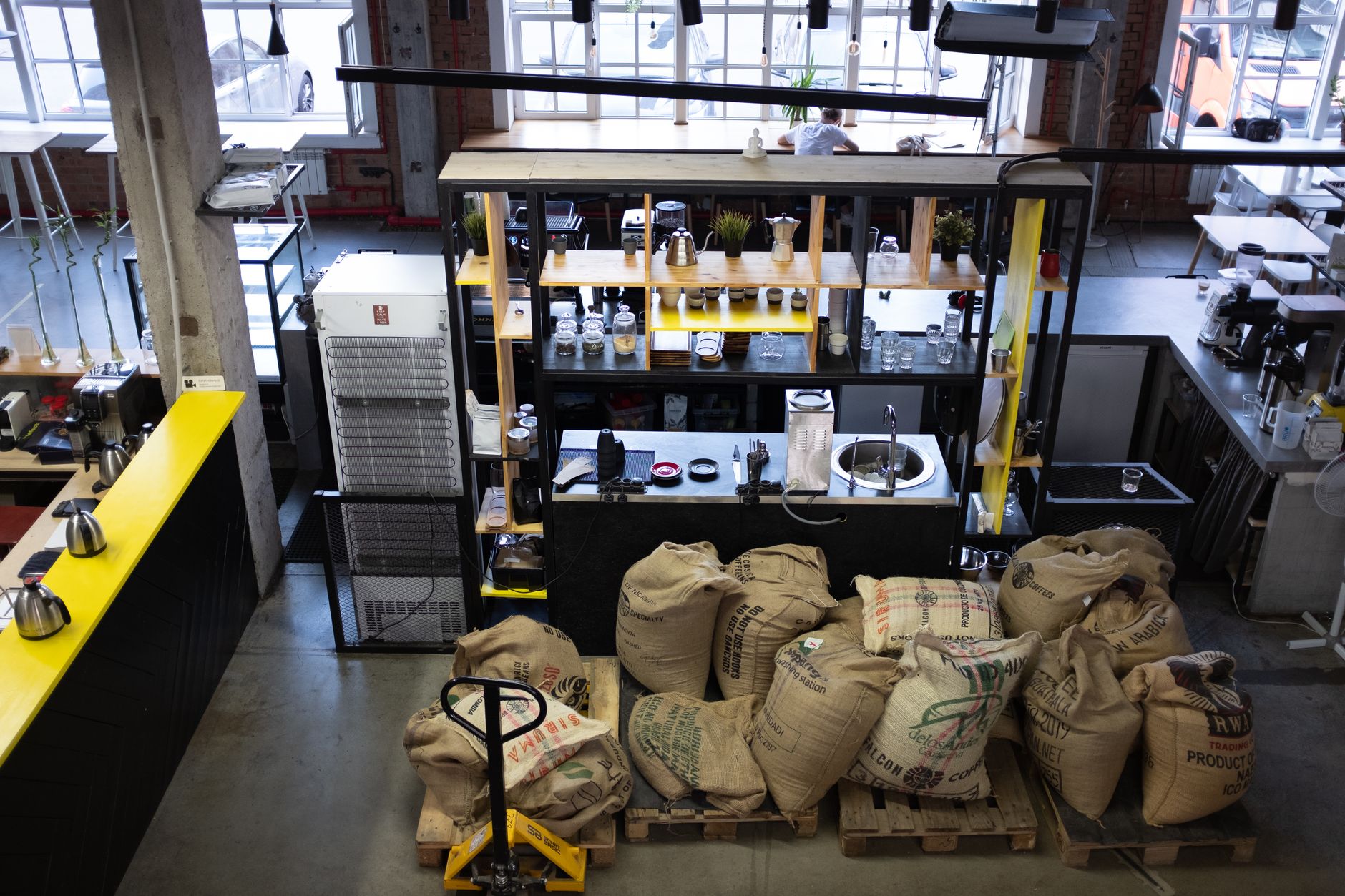
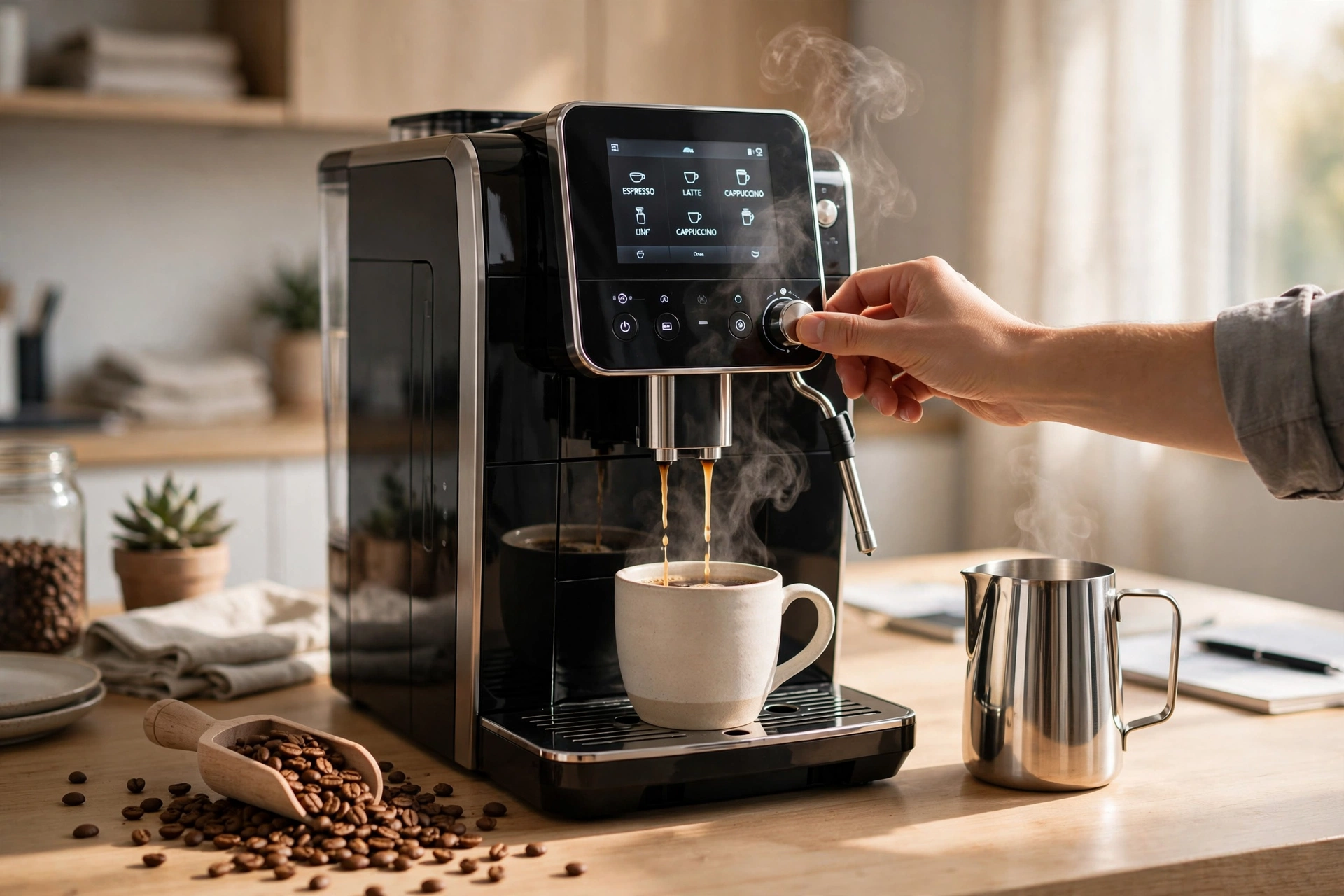
****: Sourcing specialty coffee beans for restaurants involves selecting high-quality, traceable green or roasted beans from reputable suppliers who prioritize flavor, sustainability, and consistency. This ensures your coffee program stands out, builds customer loyalty, and supports ethical practices. Proper sourcing covers evaluation of origin, processing methods, roast profiles, and supply chain transparency.
| Sourcing Method | Key Features | Best For |
|---|---|---|
| Direct Trade | Direct relationship with producers, higher quality control, premium pricing | Upscale restaurants, specialty cafes |
| Importers/Exporters | Wide selection, volume discounts, less direct relationship | High-volume operations, chains |
| Local Roasters | Freshness, personalized service, smaller batch sizes | Farm-to-table, mid-range restaurants |
| Cooperatives | Community support, consistent quality, lower prices | Budget-conscious, ethically focused businesses |
What Is Sourcing Specialty Coffee Beans?
📚
Definition
Sourcing specialty coffee beans is the process of identifying, evaluating, and procuring high-quality green or roasted coffee beans that score 80 points or higher on the Specialty Coffee Association (SCA) scale. It involves vetting origins, producers, importers, or roasters to ensure consistent flavor, ethical production, and freshness.
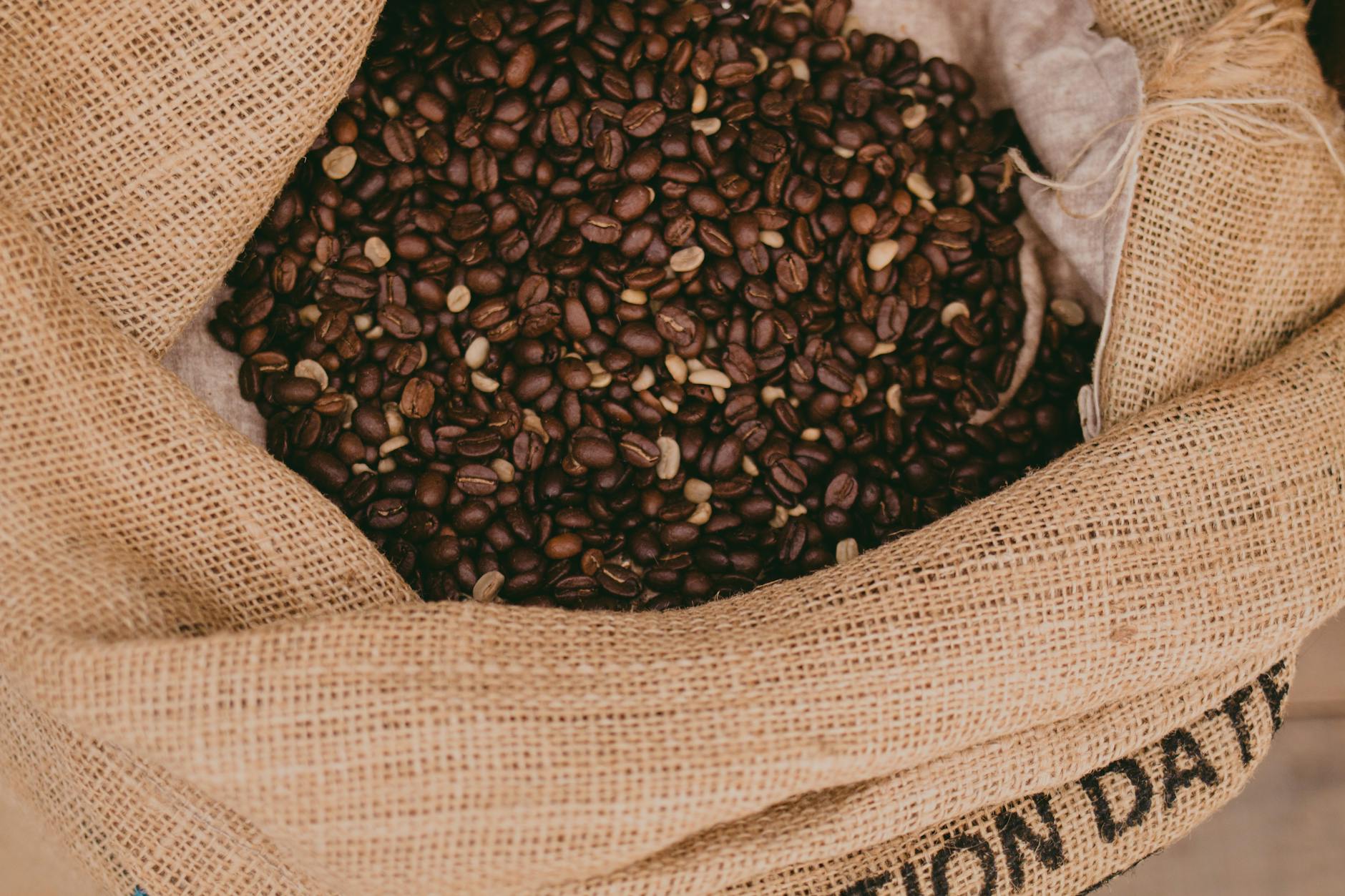
For restaurants, sourcing specialty coffee goes beyond simply buying beans. It means building a supply chain that delivers beans with distinct flavor profiles, supports sustainable farming practices, and creates a story you can share with guests. According to the Specialty Coffee Association, specialty coffee accounts for over 50% of the US coffee market by value, yet many restaurants still serve commodity-grade coffee. By choosing specialty, you differentiate your brand and command higher menu prices. In my experience working with dozens of restaurant owners, the difference in customer perception is immediate — guests notice the smoother taste and richer aroma, translating into repeat visits and positive reviews.
Why Sourcing Specialty Coffee Beans Matters for Your Restaurant
Investing in sourcing specialty coffee beans offers several concrete benefits:
1. Elevates Customer Experience
A premium cup of coffee leaves a lasting impression. A National Coffee Association study found that 79% of consumers say they are more likely to return to a restaurant that serves great coffee. Specialty beans deliver complex flavors — think fruity, nutty, or chocolatey notes — that create a memorable experience.
2. Higher Profit Margins
Restaurants can charge $4–$6 for a cup of specialty coffee, compared to $2–$3 for standard coffee. With a cost per cup of roughly $0.50–$1.00 for specialty beans, margins exceed 75%. Even factoring in labor and overhead, specialty coffee is one of the highest-margin items on any menu. For more on how specialty beans improve office coffee programs, check out Why Specialty Beans Elevate Office Coffee Programs.
3. Brand Differentiation
In a crowded market, specialty coffee tells a story of quality and ethics. Sourcing from specific origins (e.g., Ethiopia Yirgacheffe) or using direct trade relationships can become a marketing asset. Guests appreciate knowing their purchase supports farmers and sustainable practices. According to the World Coffee Research, consumers are willing to pay up to 10% more for coffee labeled as “sustainable” or “direct trade.”
4. Operational Consistency
Specialty coffee roasters typically provide training, equipment support, and consistent supply. This reduces waste and ensures every cup meets your standards. To learn how local roasters can meet high-volume demand, see High-Volume Specialty Bean Supply for Retirement Communities.
How to Source Specialty Coffee Beans: A Step-by-Step Guide
Follow these steps to build a reliable sourcing strategy:
Step 1: Define Your Flavor Profile
Decide on the taste you want. Consider roast level (light, medium, dark) and flavor notes (fruity, chocolatey, floral). Sample several coffees from different origins to identify what works best with your menu.
Step 2: Choose Your Sourcing Channel
- Local / Regional Roasters: Ideal for restaurants wanting freshness and relationship. They can deliver roasted-to-order beans and often provide equipment.
- Direct Trade / Importers: Best for high-volume or upscale restaurants that want control over origin and price. Direct trade builds farmer relationships but requires larger commitments.
- Specialty Coffee Cooperatives: Offer consistent quality, fair pricing, and community impact. Great for restaurants with a strong ethical mission.
Step 3: Evaluate Quality
Request samples and do a cupping evaluation. Look for clean cup, balance, and absence of defects. Ask for recent SCA scores. The specialty threshold is 80 points; many roasters offer 85+ beans for premium programs.
Step 4: Assess Reliability and Logistics
Ask about lead times, minimum order quantities, shipping methods, and freshness guarantees. Specialty coffee is best consumed within 2–4 weeks of roasting, so ensure a steady supply chain. Busy Bean Coffee offers all-inclusive managed coffee solutions with professional installation and maintenance, so you never worry about equipment downtime. Learn more at Busy Bean Coffee.
Step 5: Negotiate Terms
For restaurants, annual contracts often lock in pricing and supply. Ask about volume discounts, training, and marketing support. Many roasters provide branded materials and training for your staff.
Step 6: Train Your Staff
Even the best beans yield a bad cup if prepared poorly. Ensure baristas or servers understand grind size, water temperature, and brew ratios. Consider partnering with a roaster that offers training.
For more on finding reliable suppliers, see Finding Reliable Specialty Beans for Cafes and Coffee Shops.
Direct Trade vs. Roaster Partnerships: Which Is Best?
| Aspect | Direct Trade | Roaster Partnership |
|---|---|---|
| Control Over Origin | High | Medium (depends on roaster) |
| Price | Premium (higher cost) | Competitive (often lower) |
| Relationship | Direct with farmer | Via roaster |
| Freshness | Depends on logistics | Usually very fresh |
| Support/Training | Limited | Typically included |
| Minimum Order | High (e.g., 1 bag green) | Low (e.g., 10 lbs roasted) |
Direct trade works best for high-end restaurants that want exclusive access and a story to tell. Roaster partnerships are more flexible and offer hands-off sourcing with support. Many restaurants start with a local roaster and later explore direct trade as they grow. To see how wholesale sourcing benefits hotels, read Wholesale Specialty Coffee Beans for Hotels and Hospitality.
Best Practices for Sourcing Specialty Coffee Beans
Follow these tips to ensure success:
💡
Key Takeaway
Consistent quality in specialty coffee sourcing requires building strong relationships, regular cupping, and adjusting for seasonality.
- Develop a Taste Standard — Create a flavor profile that complements your food menu. For example, a steakhouse might prefer dark roasts with chocolate notes, while a brunch spot benefits from bright, fruity light roasts.
- Rotate Seasonally — Coffee harvests vary by origin. Build a rotating menu based on availability to keep things fresh. This also reduces price volatility.
- Insist on Freshness — Roast dates matter. Accept nothing older than 2 weeks for peak flavor. Store beans in airtight containers away from light and heat.
- Audit Your Suppliers — Perform blind taste tests quarterly and review scores. Don’t stay with a supplier if quality drops.
- Consider Sustainability — Look for Rainforest Alliance, Fair Trade, or organic certifications. Sustainable Sourcing Strategies for Specialty Coffee Beans offers more details.
- Negotiate Training — Many roasters include free barista training. Use it to ensure consistency across shifts.
- Track Usage and Waste — Use inventory software to monitor consumption and adjust orders accordingly. This reduces waste and ensures you never run out.
Frequently Asked Questions
How much do specialty coffee beans cost for restaurants?
Specialty coffee beans typically cost $8–$15 per pound for roasted beans, depending on origin and certification. Direct trade coffees can reach $20+ per pound. However, the per-cup cost remains low — around $0.50–$1.00 — allowing restaurants to maintain high margins. Volume discounts often apply for orders over 50 lbs. Some roasters offer subscription models with free shipping to manage cash flow.
What makes a coffee bean “specialty”?
According to the Specialty Coffee Association (SCA), specialty coffee must score 80 points or higher on a 100-point scale. Beans are graded by certified Q-Graders based on fragrance, flavor, aftertaste, acidity, body, balance, uniformity, cleanliness, and sweetness. Additionally, specialty beans should be free of primary defects. They are often single-origin or from micro-lots, and they emphasize traceability and sustainable farming.
Can I buy specialty coffee beans in bulk?
Yes. Most importers and large roasters offer bulk purchasing options — usually in 30kg, 60kg, or pallet quantities. Bulk buying reduces per-pound cost and ensures consistent supply. However, be mindful of storage: roasted beans lose freshness quickly. Purchase only what you can use within 2–4 weeks, or invest in nitrogen-flushed packaging for longer shelf life. Green beans can be stored for months if kept in a cool, dry place.
How often should I change my coffee supplier?
It depends. If your current supplier consistently delivers high-quality, fresh beans and supports your training needs, loyalty is rewarded with better service. However, review your partnership quarterly. If scores drop, prices increase without notice, or you experience supply disruptions, it’s time to explore options. Many restaurants switch once a year to negotiate better terms or chase new flavor profiles.
What equipment do I need to serve specialty coffee?
At minimum, a quality espresso machine or batch brewer, a precision grinder, and a water filtration system. Specialty coffee requires precise brewing parameters: water temperature (195–205°F), grind size, and brew ratio. Busy Bean Coffee provides all-inclusive managed coffee solutions including premium SENSA equipment, installation, and maintenance. This eliminates upfront capital expense and ensures your equipment is always calibrated for specialty beans. See our Quick Setup Guide for Office Espresso Machines for more details (though it’s office-focused, the principles apply).
Recommended Readings
To deepen your understanding of these topics, we recommend reading the following articles:
- Types of Specialty Coffee Beans for Foodservice
- Benefits of Specialty Coffee Beans for Businesses
- Best Specialty Coffee Beans for Hotels and Guests
- Roasting Process for Specialty Coffee Beans
Conclusion
Sourcing specialty coffee beans is a powerful strategy to differentiate your restaurant, increase revenue, and delight customers. By understanding the different channels — direct trade, importers, and local roasters — and following best practices like cupping, seasonal rotation, and staff training, you can build a coffee program that stands out. Remember, consistency and relationships are key.
To learn more about building a complete coffee supply chain, revisit our Ultimate Guide to Specialty Coffee Bean Supply for Businesses. Ready to simplify your coffee sourcing? Busy Bean Coffee offers all-inclusive managed coffee solutions tailored for restaurants. With premium SENSA equipment, professional installation, full maintenance, and inventory support, you can focus on serving great coffee without the hassle. Contact Busy Bean Coffee today to start your journey.
Free Coffee Pairing Guide & Specialty Roast Cheat Sheet
Unlock the secrets of perfect brewing ratios, water temperatures, and specialty roast profiles. Download the guide.