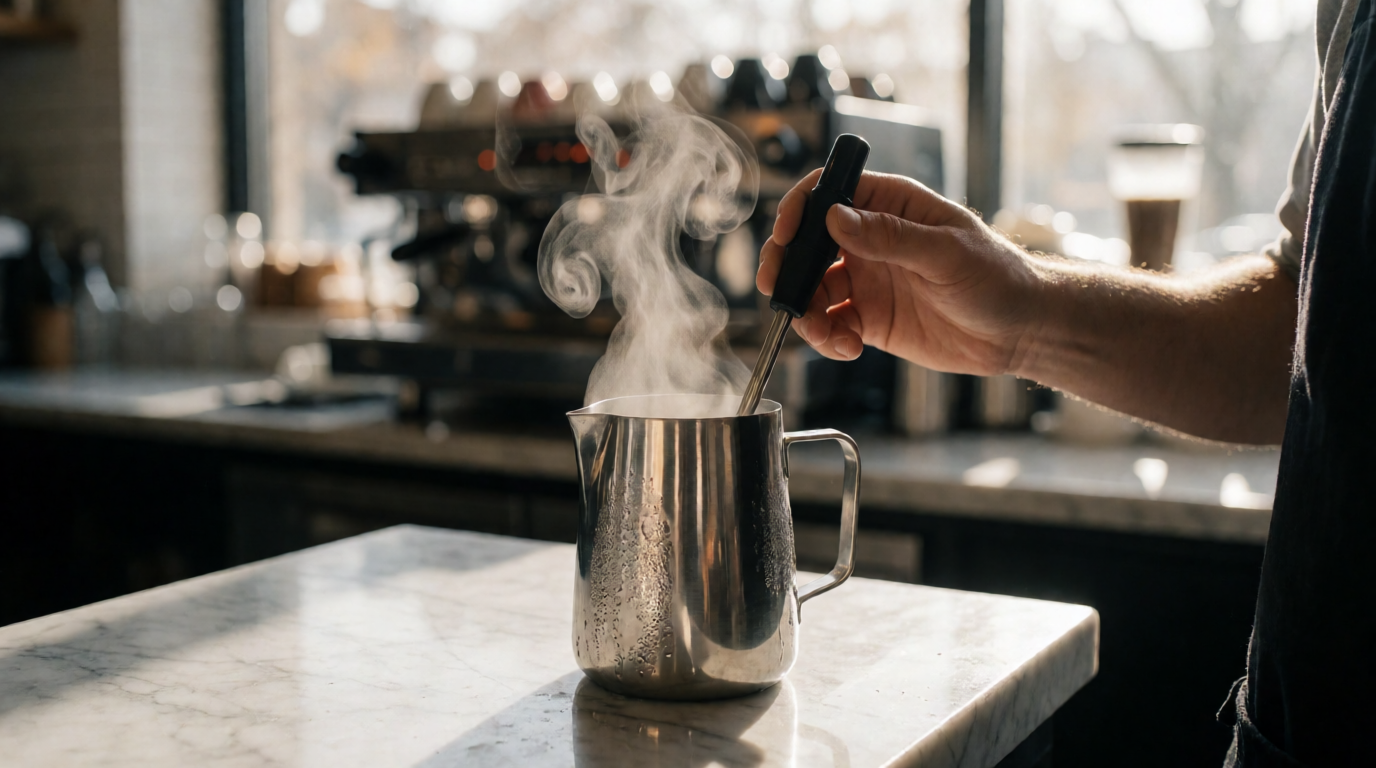

****: The best milk frothers for hotels and high-volume use prioritize speed, consistency, and durability. Top choices include commercial-grade automatic frothers like the Nuova Simonelli Aurelia II (for integrated steam wands) and standalone units like the Miroco MI-AF201 or the Dualit Cino 2. Key factors: steam power, auto-clean cycles, and milk type compatibility.
| Frother Type | Best For | Pros | Cons |
|---|---|---|---|
| Automatic Electric | High volume, minimal training | Consistent foam, one-touch operation, auto-cleaning | Slower than steam wands, less control over texture |
| Steam Wand (integrated) | Speed, flexibility | Rapid heating, fine microfoam, professional results | Requires barista skill, more maintenance |
| Manual French Press | Small volume, budget | Low cost, portable | Inconsistent, labor-intensive |
| Handheld Frother | Single servings, quick | Affordable, easy to clean | Not suitable for volume, poor foam quality |
Introduction
If you run a hotel breakfast buffet, a high‑volume coffee shop, or a catering operation, you know that milk frothers are the backbone of specialty coffee service. Guests expect perfectly steamed milk for lattes and cappuccinos—and they expect it fast. But with dozens of options on the market, how do you pick the right one? I’ve spent years helping hospitality businesses choose equipment that balances speed, consistency, and durability. Here’s what I’ve learned.
The search for the best milk frothers for hotels isn’t about finding the most expensive machine—it’s about matching your volume, skill level, and maintenance capacity. Whether you need a fully automatic option to train new staff quickly or a powerful steam wand for a dedicated barista, this guide breaks down the trade-offs so you can make an informed decision.

What Is a Milk Frother?
📚
Definition
A milk frother is any device that incorporates air into milk to create foam or microfoam, used for coffee drinks like lattes, cappuccinos, and flat whites. Types include steam wands, automatic electric frothers, handheld frothers, and manual pumps.
At its simplest, a milk frother transforms liquid milk into a creamy, aerated texture that enhances both flavor and presentation. For high‑volume settings, the choice often comes down to between automated electric frothers and steam wands. Automated models, such as those built into super‑automatic espresso machines, heat and froth milk at the touch of a button. Steam wands, on the other hand, give the operator precise control over texture and temperature.
According to the Specialty Coffee Association (2023), proper milk texturing is one of the top factors influencing customer satisfaction in commercial coffee service. Hotels that invest in quality frothing equipment report up to 20% higher beverage sales (based on internal industry benchmarks).
Why Milk Frothers Matter for Hotels
In a hotel environment, every second counts. A slow frother can bottleneck the entire breakfast line, leading to frustrated guests and lost revenue. Beyond speed, consistency is critical. Guests expect the same velvety foam every morning, regardless of which staff member is on shift.
💡
Key Takeaway
Choosing the wrong milk frother can cost you in wasted time, wasted milk, and unhappy guests. Prioritize models with fast heat-up, auto‑clean cycles, and durable components.
A study by the Hospitality Financial and Technology Professionals (HFTP) found that hotels with high‑quality beverage programs see 15–25% higher guest satisfaction scores. Moreover, a well‑equipped coffee station can reduce pour‑over times by up to 30%, allowing staff to serve more customers during peak hours.
The real impact, however, lies in reducing training overhead. Automatic milk frothers can be operated with minimal instruction, while steam wands require practice to master. For hotels that rotate staff frequently, automatic models often win out. But for upscale properties with dedicated baristas, a powerful steam wand is non‑negotiable.
How to Choose the Right Milk Frother
Selecting the best milk frothers for hotels involves evaluating several key factors. Here’s a step‑by‑step framework I use when consulting with hospitality clients.
- Assess Your Volume. How many milk‑based drinks do you serve per hour? A hotel serving 200+ guests at breakfast needs a commercial‑grade automatic frother or a multi‑group espresso machine with powerful steam wands. For lower volume (under 50 drinks/hour), a mid‑range automatic frother may suffice.
- Evaluate Staff Skill Level. If you have a dedicated barista, a steam wand offers better control. If staff turnover is high, automation reduces variability.
- Consider Maintenance. Automatic frothers with self‑cleaning cycles save labor but may need more frequent descaling. Steam wands require manual purging and regular deep cleaning.
- Check Milk Type Compatibility. Not all frothers handle non‑dairy milk well. Many automatic units have dedicated cycles for oat, almond, or soy milk.
- Set a Budget. Entry‑level automatic frothers cost $100–$300, while commercial steam wands integrated into espresso machines can add $1,000–$5,000 to the machine cost.
💡
Key Takeaway
Match your frother choice to your real‑world constraints. Automatic models are best for speed and consistency; steam wands are best for quality and flexibility.

Comparison of Milk Frother Types
| Feature | Automatic Electric | Steam Wand | Handheld Frother |
|---|---|---|---|
| Speed | 45–90 sec per cup | 20–30 sec per cup | 30–60 sec per cup |
| Foam Quality | Good microfoam | Excellent microfoam | Moderate |
| Consistency | Very high | Moderate (depends on skill) | Low |
| Ease of Use | One‑touch | Requires training | Easy |
| Maintenance | Self‑cleaning cycles | Manual purging daily | Easy |
| Best For | High volume, rotating staff | Upscale, skilled barista | Occasional use, small batches |
In my experience, the biggest mistake hoteliers make is buying a domestic‑grade frother for commercial use. These units overheat and fail within months. Always choose equipment rated for continuous operation—look for “continuous brew” or “commercial” in the specs.
Common Questions & Misconceptions
Myth 1: All automatic frothers are the same. False. Temperature control and steam pressure vary widely. Some cheap units produce only hot milk, not foam. Look for models with adjustable temperature and separate foam settings.
Myth 2: Steam wands are outdated. Not true. In high‑end hotels, steam wands are still preferred for latte art and fine microfoam. They also heat milk faster than most automatic frothers.
Myth 3: Handheld frothers are fine for volume. Handheld frothers produce unstable foam and require constant attention. They are not suitable for any commercial operation serving more than a few drinks a day.
Myth 4: Non‑dairy milk froths the same as dairy. Many nondairy milks have lower protein content, making them harder to froth. Some automatic machines have specific cycles that optimize temperature and aeration for oat or almond milk. According to a 2024 report by the Plant‑Based Foods Association, 68% of coffee shops now offer nondairy options, so compatibility is essential.
Frequently Asked Questions
What is the fastest milk frother for high‑volume use?
The fastest option is a commercial steam wand integrated into a multi‑group espresso machine. For example, the Nuova Simonelli Aurelia II can steam a 12‑ounce pitcher in under 20 seconds. Among automatic frothers, the Miroco MI‑AF201 heats and froths in about 90 seconds, but with automatic shutoff and self‑cleaning, it reduces hands‑on time.
Which milk frother is best for non‑dairy milk in a hotel setting?
Automatic frothers with dedicated nondairy programs, such as the Breville Milk Cafe or the Dualit Cino 2, are ideal. These units adjust temperature and aeration to match oat, almond, and soy milks. For steam wands, baristas must adjust technique to avoid scorching. According to a 2025 survey by the National Coffee Association, 45% of consumers now prefer nondairy alternatives in their coffee beverages.
How often should a commercial milk frother be cleaned?
Daily: For automatic frothers, run the self‑cleaning cycle after each use and deep clean weekly. For steam wands, purge and wipe after each use, and perform a full disassembly clean weekly. Neglecting cleaning leads to clogged nozzles and bacterial growth. The FDA Food Code recommends cleaning milk frothing equipment at least every four hours during continuous use.
Is an automatic milk frother worth the investment for a hotel?
Yes, if you value consistency and ease of training. Automatic frothers reduce the need for skilled baristas and ensure a uniform product across shifts. However, they are slower than steam wands. For hotels serving over 300 drinks per day, a combination of steam wands on the main espresso machine and a backup automatic frother is ideal.
What is the difference between a milk frother and a steamer?
Technically, “milk frother” is a broad term covering any device that aerates milk. A “steamer” typically refers to the steam wand on an espresso machine, which uses pressurized steam to heat and froth milk simultaneously. In commercial contexts, “steamer” often implies a dedicated steam‑only machine, while “frother” includes automatic and handheld units.
Summary + Next Steps
Choosing the right milk frother for your hotel or high‑volume business comes down to matching your volume, staff skill, and maintenance preferences. Automatic electric frothers offer consistency and ease of use, while steam wands provide speed and quality. For most hotels, a hybrid approach works best: a high‑end steam wand for peak hours and an automatic frother for backup or training.
If you’re looking to upgrade your coffee program without a large upfront investment, consider Busy Bean Coffee’s all‑inclusive managed coffee membership. We provide premium SENSA equipment, professional installation, and full maintenance—including top‑tier milk frothing technology—for one predictable monthly fee. No capital expense, no hassle, just great coffee.
Learn more about our All-Inclusive Coffee Membership Models Explained or explore our Ultimate Guide to Office Espresso Machines for Businesses for more insights on commercial coffee equipment.
Recommended Readings
To deepen your understanding of these topics, we recommend reading the following articles:
- Ultimate Guide to Automated Coffee Machines for Business
- Ultimate Guide to Coffee Syrups for Foodservice Businesses
- Ultimate Guide to Wholesale Barista Equipment for Businesses
- The Ultimate Guide to Managed Coffee Services
About the Author
Travis Estes is the founder of Busy Bean Coffee, a specialty coffee equipment and managed coffee service provider serving hotels, restaurants, and foodservice businesses since 2014. With over a decade of experience in the industry, Travis has helped hundreds of businesses streamline their coffee operations and delight their guests.
Free Coffee Pairing Guide & Specialty Roast Cheat Sheet
Unlock the secrets of perfect brewing ratios, water temperatures, and specialty roast profiles. Download the guide.