Why Your Business Needs Professional Office Coffee Solutions
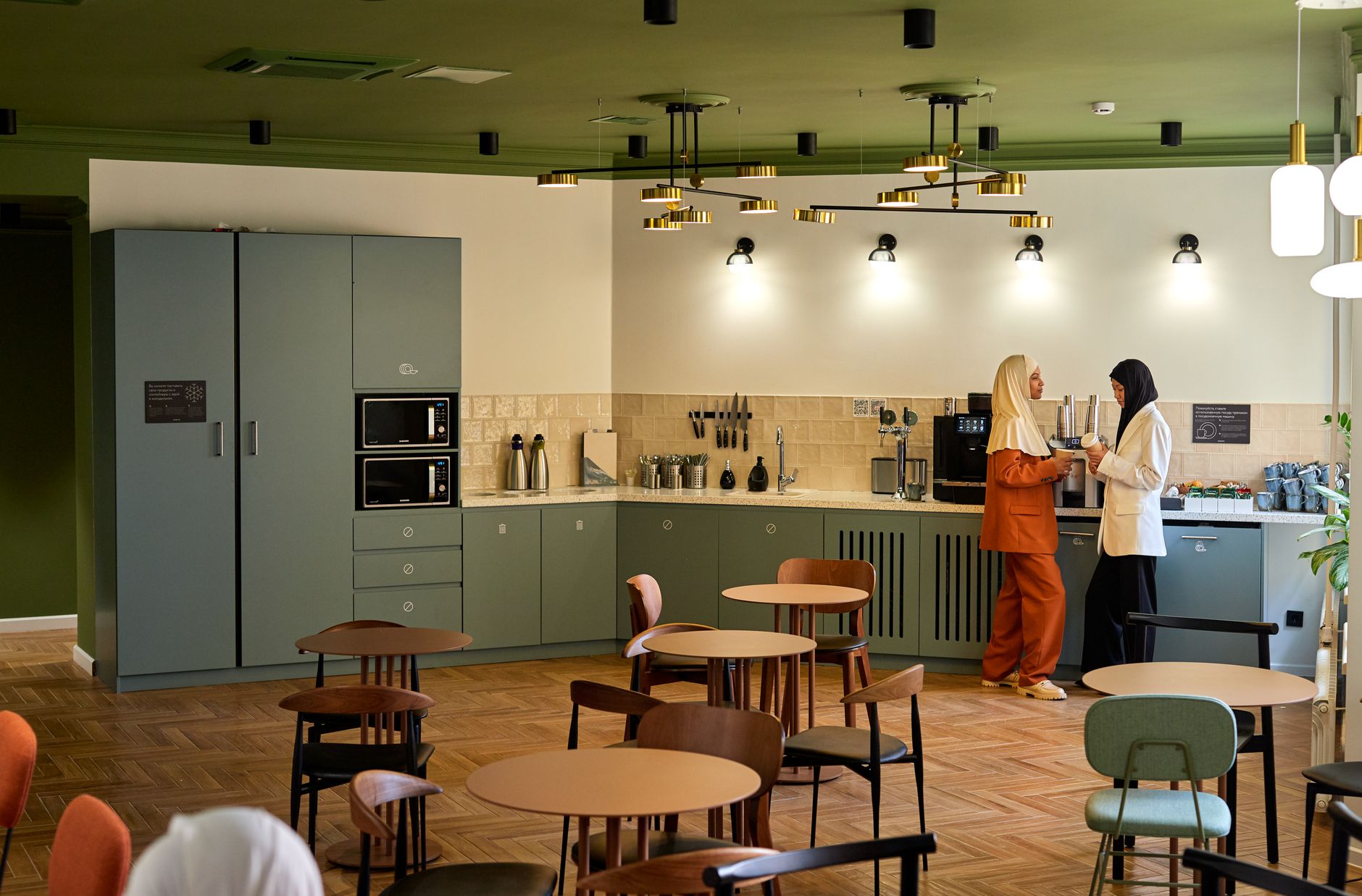
A stagnant breakroom with a stained pot of burnt coffee isn't just a culinary disappointment; it is a hidden drain on your company's operational efficiency. After analyzing hundreds of corporate environments, the pattern is clear: when employees are forced to leave the building for a "real" cup of coffee, you lose more than just 15 minutes of productivity, you lose the spontaneous collaboration that happens at the coffee station. Investing in professional office coffee solutions is the most direct way to reclaim those lost hours, boost employee morale, and create a high-performance culture where the environment matches the ambition of the team.
For many organizations, the shift toward a managed service is an essential move to eliminate the "coffee run" culture that quietly erodes the workday. If you are managing a high-traffic environment, such as those seen in our
Sensa Coffee Service in Charlotte, NC implementations, you know that the quality of the beverage is a proxy for how much a company values its people.
What Exactly Are Managed Office Coffee Solutions?
To understand the impact, we first need to define what we are talking about. Many managers confuse a "coffee machine" with a "coffee solution." One is a piece of hardware; the other is a comprehensive ecosystem designed to sustain peak performance without adding to the administrative burden of the office manager.
📚Definition
Office coffee solutions refer to an all-inclusive managed service that combines professional-grade brewing equipment, a consistent supply of specialty coffee beans, regular maintenance, and technical support, typically delivered via a membership or lease model to remove capital expenditure.
In my experience working with various corporate clients, the most common mistake is purchasing a high-end machine from a retail store and assuming the problem is solved. This approach ignores the "lifecycle of the bean." Without a dedicated supply chain and a maintenance schedule, that expensive machine becomes a glorified paperweight the moment a pump fails or the beans go stale. A true solution focuses on the consistency of the extraction, the freshness of the roast, and the uptime of the hardware.
When we look at the technical side, this involves integrating Specialty Coffee standards, where the coffee scores 80 points or higher on a 100-point scale, into a high-volume business environment. This requires equipment capable of maintaining precise temperature stability and pressure, often utilizing Coffea arabica for a smoother, more complex flavor profile that keeps employees satisfied and focused.
According to the
Specialty Coffee Association (SCA), the standards for brewing involve a complex balance of water quality, grind size, and temperature. When a business implements a managed solution, they aren't just buying coffee; they are outsourcing the science of extraction to experts, ensuring that every cup served in 2026 meets these global quality benchmarks without requiring a licensed barista on staff.
Why Does the Quality of Office Coffee Actually Matter?
The "why" behind upgrading your coffee service isn't about luxury; it's about the cognitive and social architecture of the workplace. Coffee is a primary catalyst for "micro-breaks," which are essential for preventing mental burnout and maintaining sustained attention throughout an eight-hour shift.
From a productivity standpoint, the cost of the "coffee run" is staggering. If ten employees leave the office for 20 minutes each to find a quality latte, the business loses over three hours of collective productivity daily. Over a year, this translates to thousands of dollars in lost labor. Furthermore, the
National Coffee Association USA (NCA) highlights that coffee consumption is deeply tied to social bonding and workplace networking. The "watercooler effect" is real, but in 2026, it has evolved into the "espresso bar effect."
When the coffee is poor, employees avoid the breakroom or leave the premises. When the coffee is exceptional, the breakroom becomes a hub for cross-departmental collaboration. I've seen teams solve complex project bottlenecks over a shared pot of high-quality roast that would have taken three scheduled Zoom meetings to resolve. This is the "hidden ROI" of a professional setup.
There are also severe consequences to neglecting this area. A poor coffee experience signals a lack of attention to detail and a disregard for employee wellness. In a competitive job market, these "small" perks are often the deciding factor for top talent when choosing between two similar offers. If your office feels like a relic of the 1990s with a drip machine from a big-box store, you are inadvertently telling your team that their comfort and experience are not priorities.
Moreover, the health and safety implications of unmanaged equipment are often overlooked. According to
NSF International, improper maintenance of food and beverage equipment can lead to biofilm buildup and sanitary risks. A managed solution ensures that your
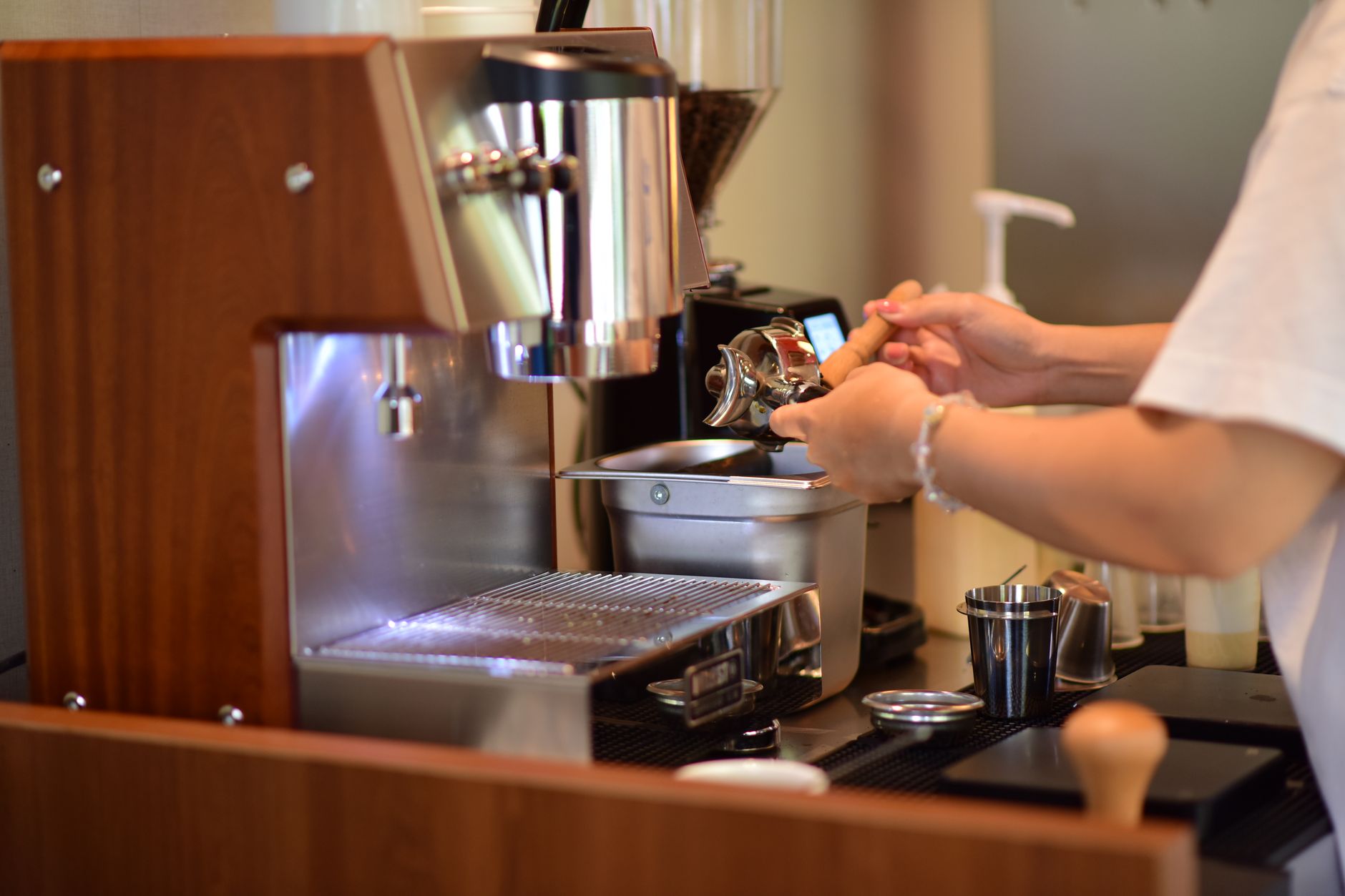
espresso machine is descaled and sanitized according to professional standards, removing the risk of health code violations or equipment failure.
How to Implement a Professional Coffee Program Step-by-Step
Transitioning from a basic pot to a managed service requires a strategic approach. You cannot simply drop a machine into a room and expect a culture shift. The implementation must be aligned with the volume of your staff and the specific needs of your workspace.
First, conduct a volume audit. Calculate how many cups are consumed per hour during peak times (usually 8:00 AM to 10:00 AM). This determines whether you need a single-boiler machine or a high-capacity automated system. For those managing large-scale hospitality or corporate hubs, we often recommend exploring
Automatic Coffee Machines for Hotels and Hospitality in 2026 as a benchmark for efficiency and speed.
Second, evaluate your water source. Coffee is 98% water. If you have hard water or high chlorine levels, your coffee will taste metallic, and your machine will fail prematurely due to scale buildup. A professional installation includes a filtration system tailored to your local water chemistry.
Third, select your roast profile. Not every office wants a dark, smoky roast. A blend of Arabica coffee providing a balanced, medium profile is generally the safest bet for a diverse workforce. Busy Bean Coffee specializes in this curation, ensuring the roast complements the automated settings of the equipment.
Fourth, establish a maintenance cadence. This is where most companies fail. A professional solution includes "preventative maintenance" (PM) visits. Instead of calling a technician when the machine breaks, a pro-active service identifies worn gaskets or clogged filters before they cause downtime. This is a core component of our
Sensa Coffee Service in Raleigh NC (2026 Overview), where we prioritize zero-downtime environments.
Fifth, train your "coffee champions." While automated machines are designed for ease of use, having a few employees who understand the basics of the equipment ensures the machine is treated well and the coffee is consistently great.
💡Key Takeaway
The goal of a professional implementation is to move coffee from a "chore" (cleaning, filling, troubleshooting) to a "utility" (press a button, get a perfect cup) that requires zero effort from your administrative staff.
Comparing Coffee Service Models: Which is Right for Your Business?
Choosing the wrong model can lead to "subscription fatigue" or unexpected capital losses. I've seen businesses buy a $10,000 machine only to realize they have no one to fix it when it breaks, leading to a total loss of investment within two years.
| Feature | Traditional (Retail Purchase) | Cheap Pod/Capsule Systems | Managed Solution (Busy Bean) |
|---|
| Upfront Cost | High (CAPEX) | Low to Medium | Zero to Low (Membership) |
| Coffee Quality | Variable (User dependent) | Average (Processed) | Premium (Specialty Grade) |
| Maintenance | Internal/DIY (High Risk) | Replace Unit if Broken | Full Professional Coverage |
| Waste | Medium (Filter/Grounds) | Very High (Plastic Pods) | Low (Compostable/Bulk) |
| Employee Experience | Inconsistent | Convenient but "Cheap" | High-End Cafe Experience |
| Best For | Tiny offices (1-5 people) | Very low volume/Budget | Scaling businesses & Corporate |
Now, here's where it gets interesting: the "cheap" pod systems are actually the most expensive over time. When you calculate the cost per cup of a plastic pod versus professional bulk beans, the delta is massive. Furthermore, the environmental impact of thousands of plastic pods in a corporate landfill is a PR nightmare in 2026.
A managed approach, like the one we provide through our
Business Coffee Membership in Boston MA: Complete Guide, shifts the financial risk from the business to the provider. Instead of owning a depreciating asset, you pay for a guaranteed outcome: a functioning, high-end coffee station.
Common Misconceptions About Office Coffee Solutions
Most guides on office amenities get this wrong by focusing on the "perk" rather than the "process." There are several myths that lead managers to make poor decisions.
Myth 1: "Pod machines are the most efficient option."
Actually, they are the least efficient for scaling. The "convenience" of a pod is offset by the logistical nightmare of restocking hundreds of different flavors and the environmental cost. In a professional setting, a bean-to-cup automated system provides the same speed but significantly higher quality and lower cost per cup.
Myth 2: "Specialty coffee is too expensive for a general office."
This is a misunderstanding of the value chain. By removing the middleman and using a managed membership, the cost of a high-end cup of coffee is often lower than the cost of an employee leaving the building to buy one at a retail cafe. When you factor in the productivity gain, specialty coffee is the most economical choice.
Myth 3: "We can just handle the maintenance ourselves."
I see this constantly. An office manager is tasked with descaling the machine, but because they aren't a technician, they miss a step or use the wrong chemical. This leads to a catastrophic failure of the boiler. Professional equipment requires specialized tools and knowledge. Outsourcing this to a service like our
Sensa Coffee Service in Jacksonville, FL ensures the machine's lifespan is extended by years.
Myth 4: "One machine fits all."
A machine that works for a medical clinic is not the same as one that works for a 500-person corporate headquarters. The pressure requirements, waste bin capacity, and water tank size must be calibrated to the specific environment. This is why we tailor our
Automated Coffee Machines for Clinics and Medical Offices differently than our corporate hospitality suites.
Frequently Asked Questions
How does a managed coffee service actually save a company money?
A managed service saves money by converting a volatile capital expense (buying expensive machines and paying for emergency repairs) into a predictable monthly operating expense. When you buy your own equipment, you absorb the cost of depreciation and the "hidden cost" of downtime. If a machine breaks and you wait three days for a part, your employees are either wasting time at a nearby cafe or drinking subpar coffee. A managed solution typically includes a guarantee of uptime and proactive maintenance, meaning you never pay for a machine that isn't working. Additionally, bulk sourcing of specialty beans through a membership is significantly cheaper per ounce than retail purchasing.
What is the difference between "commercial" coffee and "specialty" coffee in an office setting?
Commercial coffee is often a blend of various bean grades, including Robusta, which is cheaper but more bitter and less complex. Specialty coffee, as defined by the SCA, must score 80+ points and be free of primary defects. In an office, this means the difference between a cup that needs cream and sugar to be palatable and a cup that is naturally sweet, aromatic, and energizing. Because specialty coffee is processed with more care, it provides a cleaner caffeine boost without the "crash" often associated with low-grade, over-roasted commercial beans.
Is a bean-to-cup machine better than a traditional espresso machine for a non-barista staff?
Absolutely. While a manual espresso machine offers the most control, it requires a trained barista to operate correctly. In an office, you cannot expect employees to dial in a grinder or tamp a puck perfectly every time. A bean-to-cup system automates the grinding, dosing, and tamping process, ensuring a consistent, high-quality result regardless of who presses the button. This removes the "human error" element and ensures that the coffee tastes the same at 8:00 AM as it does at 4:00 PM, which is essential for maintaining a standard of quality.
How often should office coffee equipment be professionally serviced?
For high-volume environments, professional servicing should occur at least quarterly. While daily cleaning is the responsibility of the staff, deep descaling, gasket replacement, and calibration of the grinders require professional tools. Neglecting these intervals leads to "scale buildup," where minerals from the water harden inside the heating element, eventually causing the machine to burn out. A managed service automates this schedule, so you don't have to remember it. This proactive approach is a cornerstone of the
Sensa Coffee Service in Mount Pleasant SC: Complete Guide.
Can a professional coffee solution help with employee retention and recruitment?
Yes, and the impact is more psychological than physical. In 2026, employees view the office environment as a reflection of the company's culture. A high-end coffee station is a visible, daily signal that the company cares about the "employee experience." It transforms the office from a place where people have to be into a place where they want to be. When a candidate tours an office and sees a professional-grade coffee setup, it creates an immediate perception of a modern, attentive, and successful organization.
Final Thoughts on Office Coffee Solutions
The decision to upgrade your office coffee is not about the beans; it is about the business results those beans facilitate. When you provide a premium experience, you reduce the friction of the workday, eliminate the productivity drain of the "coffee run," and foster a culture of spontaneous collaboration. A professional setup ensures that your team is energized and that your brand is perceived as a leader in employee wellness.
If you are ready to stop managing a coffee pot and start managing a high-performance culture, it is time to move toward a professional membership. Whether you need a specialized setup for a medical facility or a full-scale deployment for a corporate campus, the right partner makes the difference.
Explore how we can transform your breakroom at
Busy Bean Coffee Blog and start providing the fuel your team deserves. For more localized insights, check out our
Sensa Coffee Service in Savannah GA: Complete Guide | Busy Bean Coffee.
Ready to Upgrade Your Business Coffee?
Café-quality coffee, zero maintenance headaches, and one predictable monthly price. Let's build your custom coffee program.
Free Coffee Pairing Guide & Specialty Roast Cheat Sheet
Unlock the secrets of perfect brewing ratios, water temperatures, and specialty roast profiles. Download the guide.