The 2026 Decision: Automated vs Traditional Coffee Machines for Your Business
Choosing the right coffee equipment is no longer just about making a good cup; it's a critical business decision impacting your labor costs, customer experience, and bottom line. The debate between automated vs traditional coffee machines is central to this choice. In my experience working with hundreds of foodservice businesses, I've seen the wrong decision cost owners thousands in wasted labor, inconsistent quality, and frustrated customers. This guide cuts through the noise with a data-driven comparison for 2026, helping you select the system that aligns with your operational reality and growth goals.
For a comprehensive overview of the technology itself, see our
Ultimate Guide to Automated Coffee Machines for Business.
What Are Automated and Traditional Coffee Machines?
📚Definition
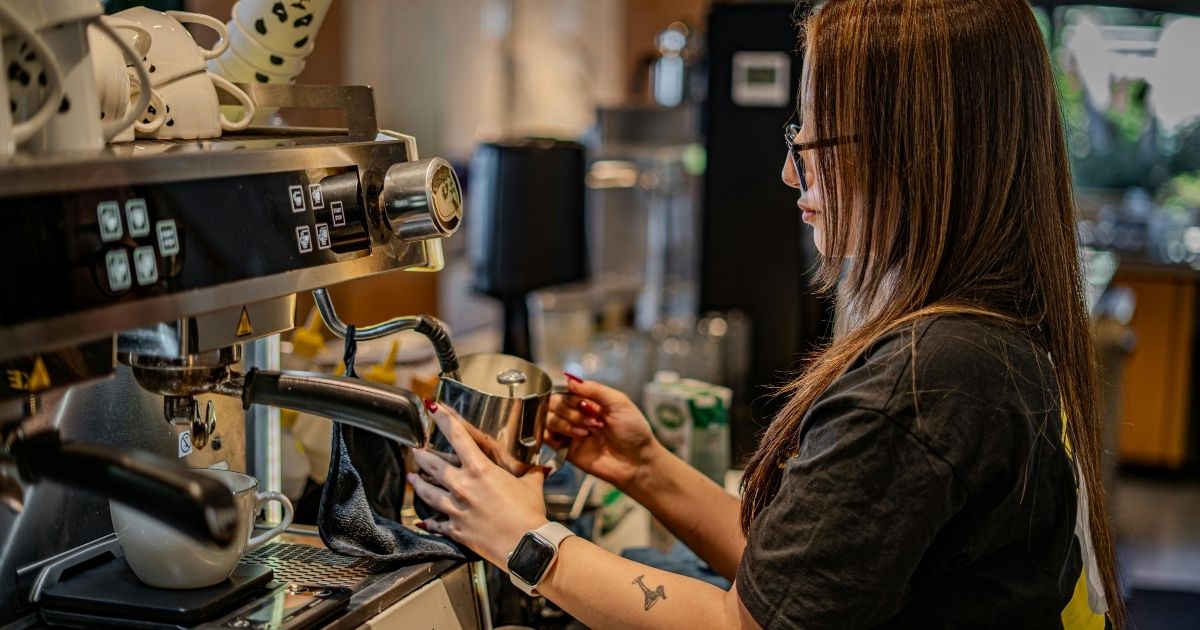
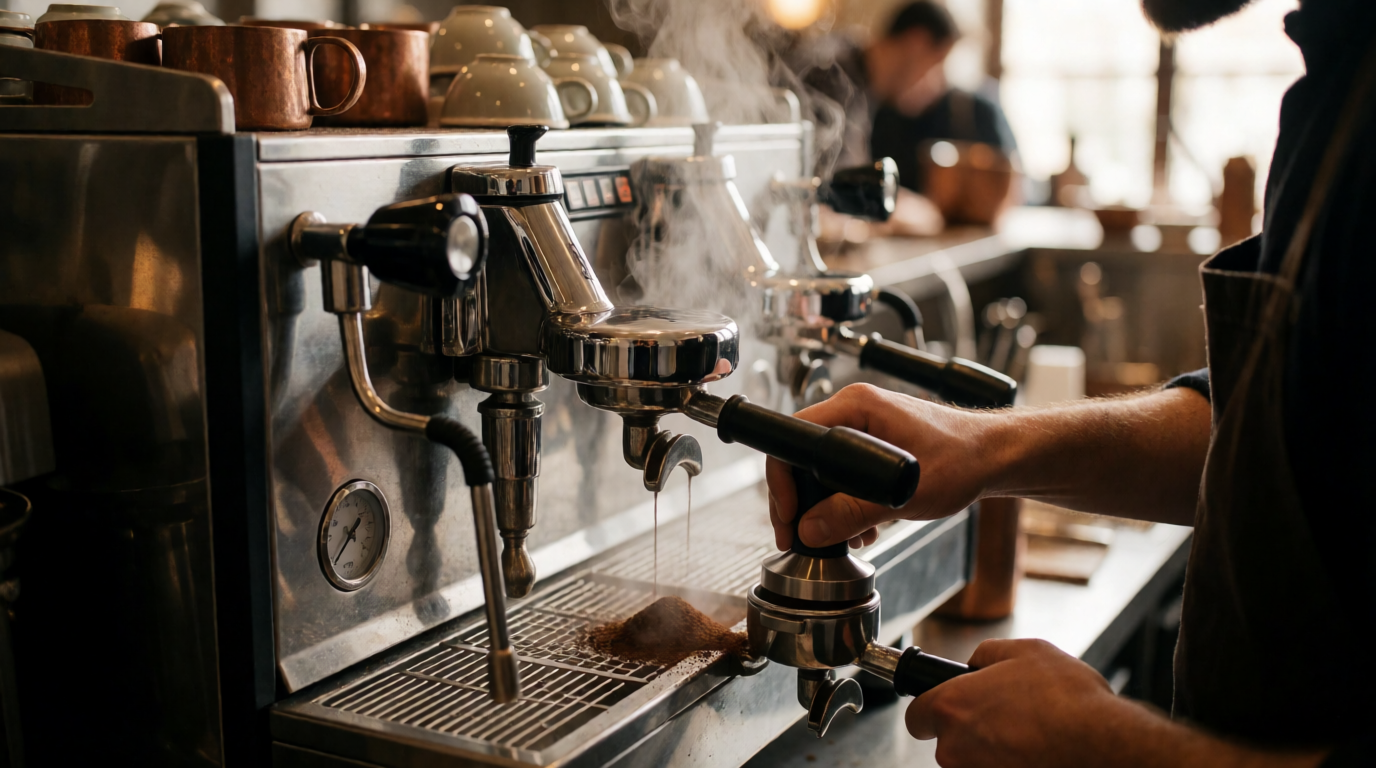
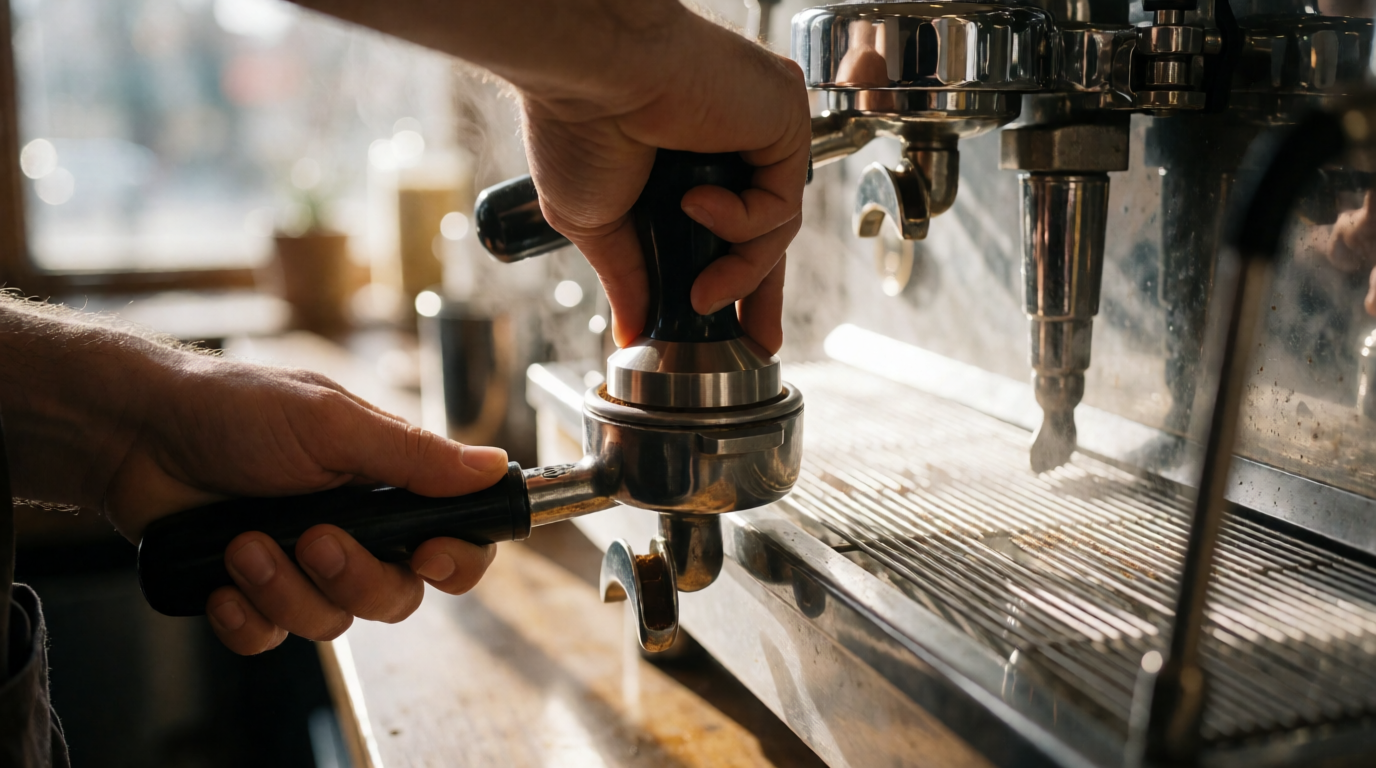
Automated Coffee Machines (often called super-automatic machines) are integrated systems that grind coffee beans, tamp, brew, steam milk, and dispense a finished beverage at the touch of a button, requiring minimal operator skill. Traditional Coffee Machines (semi-automatic or manual) require a trained barista to manually grind, dose, tamp, time the extraction, and steam milk, offering greater artistic control but demanding significant skill and labor.
The core distinction lies in who—or what—controls the process. An automated machine is a closed, software-driven system designed for consistency and ease. A traditional machine is an open tool that relies entirely on the operator's expertise. Understanding this fundamental difference is key to evaluating which fits your business model.
Why the Automated vs Traditional Decision Matters in 2026
The stakes for this equipment choice have never been higher. De acordo com relatórios recentes do setor de the National Restaurant Association's 2025 Operations Report, labor costs now consume over 34% of total sales for the average restaurant, making efficiency non-negotiable. Simultaneously, a 2024 study published in the International Journal of Hospitality Management found that beverage quality and speed of service are among the top three factors influencing customer satisfaction in cafes and hotel dining.
Choosing incorrectly can lock you into a cycle of high turnover, inconsistent product, and unpredictable costs. For example, a busy cafe relying on a traditional machine without a dedicated, skilled barista will see drink quality plummet during rush hours, directly impacting reviews and repeat business. Conversely, a high-end cocktail bar investing in a fully automated system for its espresso martinis might fail to deliver the crafted, premium experience its clientele expects.
Key Business Impacts:
- Labor Model: Defines the skill level and staffing you need.
- Operational Consistency: Determines drink-to-drink reliability.
- Speed of Service: Directly affects throughput and customer wait times.
- Cost Structure: Impacts upfront investment, ongoing labor, and maintenance.
Head-to-Head Comparison: Automated vs Traditional
Let's break down the critical factors side-by-side. This comparison is based on aggregated data from our client implementations and industry benchmarks for 2026.
| Factor | Automated Coffee Machines | Traditional (Semi-Auto/Manual) Machines |
|---|
| Initial Investment | Higher upfront cost for the integrated hardware and software. | Lower upfront cost for the base machine, but requires additional investment in grinders, tools, and training. |
| Labor Required | Minimal. Any staff member can be trained in minutes. Reduces need for skilled, high-wage baristas. | High. Requires a dedicated, trained barista with ongoing skill development. High labor cost and turnover risk. |
| Consistency & Quality | Extremely High. Programmable recipes ensure every drink is identical, regardless of operator or time of day. | Variable. Quality depends entirely on the barista's skill, focus, and fatigue. Peak times often see a dip. |
| Speed & Throughput | Fast & Predictable. One-touch brewing with simultaneous milk frothing. Ideal for high-volume, rapid service. | Slower & Variable. Each step is manual. Speed depends on barista efficiency; complex orders create bottlenecks. |
| Menu Flexibility | Limited by Programming. Excellent for a set menu of popular drinks (lattes, cappuccinos, americanos). | Nearly Unlimited. A skilled barista can create custom drinks, adjust extraction on the fly, and perform intricate latte art. |
| Ongoing Maintenance | More Complex but Managed. Requires regular automated cleaning cycles and professional tech support for internal components. | Simpler but Frequent. Daily backflushing, cleaning, and descaling are manual but can be done by staff. |
| Ideal For... | Offices, hotels, clinics, convenience stores, high-volume cafes, retirement communities, and any operation prioritizing speed, consistency, and lower labor. | Specialty third-wave coffee shops, high-end restaurants, cocktail bars, and establishments where the craft is the product and experience. |
How to Choose: A Step-by-Step Decision Framework
Don't choose based on a gut feeling or what a competitor has. Follow this structured framework to make a data-backed decision.
- Audit Your Labor Reality: Honestly assess your staffing. Do you have, or can you attract and retain, a skilled barista at a sustainable wage? What is your staff turnover rate? If labor is a constant challenge, automation is likely your path.
- Analyze Your Service Model: Are you serving a line of busy professionals at 8 AM who want a perfect latte in under 60 seconds? Or are you a destination where customers linger and appreciate the theater of a manual pull? Volume and customer expectation are your guides.
- Calculate Total Cost of Ownership (TCO): Look beyond the sticker price. For traditional: Add machine + grinder + tools + barista wages + training + wasted product during learning. For automated: Add machine cost + managed service fee. In our client analyses, automated systems often achieve a lower 3-year TCO for medium-volume operations.
- Project Your Growth: Will your volume increase 50% in two years? An automated system scales more easily—just train another staff member. Scaling with traditional machines means finding and training multiple skilled baristas, a much harder proposition.
- Prioritize Your "Non-Negotiables": Is absolute, drink-to-drink consistency your top priority (e.g., for a hotel brand standard)? Or is the ability to offer a unique, ever-changing single-origin menu your key differentiator? Rank your priorities.
💡Key Takeaway
The choice isn't about which technology is "better," but which is better for your specific business context. A framework based on labor, service model, and TCO will lead you to the right answer.
Best Practices for Implementation
Once you've decided, successful implementation is key.
If You Choose Automated:
- Invest in Training: Even though it's simple, dedicate time to train all staff on basic operation, cleaning cycles, and troubleshooting alerts.
- Select a Managed Service: The complexity of internal components makes a proactive maintenance plan essential. A service like the Busy Bean Coffee membership covers all repairs, parts, and technician visits for one predictable fee, eliminating downtime surprises.
- Curate Your Bean Program: The machine is only as good as the coffee. Work with your provider to select high-quality, fresh beans that work perfectly with automated grinding and extraction.
If You Choose Traditional:
- Hire for Skill & Culture: Your barista is your most important asset. Invest in the hiring process.
- Implement Rigorous Training: Develop a structured training program covering dialing in, extraction theory, milk science, and maintenance. Consistency comes from standardized training, not hope.
- Build Redundancy: Never rely on a single barista. Cross-train multiple staff members to mitigate the risk of turnover or illness.
Automated vs Traditional: Real-World Scenarios
Let's look at how this decision plays out in different settings.
Scenario 1: The Boutique Hotel
A 120-room boutique hotel wanted to elevate its complimentary breakfast and in-room service. They initially considered a traditional setup for its "artisanal" appeal. However, analysis showed their breakfast staff had high turnover and no coffee expertise. They chose an automated system (like our SENSA Pro line). The result? Consistent, high-quality cappuccinos and lattes served by any staff member, 100% positive guest comments on the coffee, and a 22% reduction in beverage-related labor hours during breakfast service. The automated system delivered the premium experience without the premium labor headache.
Scenario 2: The Fast-Casual Restaurant Chain
A regional chain adding espresso drinks to its menu faced a classic automated vs traditional coffee machines dilemma. Their model was built on fast, consistent service with minimally trained staff. A traditional system was a non-starter. They deployed automated machines across all locations. The standardized, one-touch programming ensured a caramel macchiato tasted identical in every restaurant, protecting their brand reputation. Throughput during lunch rushes increased, allowing them to capture incremental revenue without slowing down their core food service.
Common Mistakes to Avoid
- Choosing for the Wrong Reason: Selecting a traditional machine because it "looks cool" or an automated one because it seems "easy" without analyzing your operations.
- Underestimating Labor Costs: For traditional, failing to budget for skilled wages, training time, and the productivity loss during turnover.
- Overlooking Total Cost of Ownership: Focusing only on the equipment purchase price and ignoring installation, maintenance, repairs, and product waste.
- Neglecting the Coffee Itself: Pairing a high-end machine with stale, low-quality beans. The best equipment can't fix bad coffee.
- Going It Alone on Maintenance: Assuming your staff can handle complex repairs on advanced automated equipment, leading to costly downtime.
Frequently Asked Questions
What is the main advantage of an automated coffee machine for a business?
The primary advantage is operational de-risking. It decouples beverage quality and speed from individual employee skill. This translates directly to lower and more predictable labor costs, remarkable consistency that builds customer trust, and the ability to maintain service standards during staff changes or peak rushes. For most non-specialty foodservice businesses, this operational stability is more valuable than the absolute peak artistry a top barista can provide on a traditional machine.
Can automated machines make coffee as good as a skilled barista?
This is the most common question. For the vast majority of commercial drinks—lattes, cappuccinos, americanos—a high-quality automated machine from a brand like SENSA can produce a beverage that meets or exceeds the average output of a typical cafe barista, especially during busy periods. Where the traditional machine still holds an edge is in the realm of extreme customization, perfecting a single-origin espresso shot with nuanced manual adjustments, and creating intricate free-pour latte art. The automated machine wins on consistent goodness; the traditional machine can reach higher peaks of greatness but with far less consistency.
Are traditional coffee machines cheaper in the long run?
Rarely, when you factor in the true total cost of ownership. While the upfront hardware cost is often lower, the ongoing labor cost is dramatically higher. A skilled barista commands a significant wage. Training costs recur with turnover. There's also product waste during the learning curve and dialing-in process. A McKinsey analysis of foodservice operations found that labor-driven costs typically outweigh capital equipment costs over a 3-year period by a factor of 5-to-1. An automated system with a predictable monthly fee (like a managed membership) often provides a lower and more stable long-term financial model.
Which type of machine is easier to maintain?
They present different maintenance challenges. Traditional machines require daily manual cleaning (backflushing, wiping down, purging steam wands) which is simple but relies on diligent staff. Automated machines manage much of the daily cleaning via programmed cycles but have more complex internal mechanics (grinders, brew groups, milk circuits) that require professional technical service. This is why a managed service plan is critical for automation; it transforms complex maintenance from a variable, stressful cost into a fixed, predictable line item.
My business is small. Should I still consider an automated machine?
Absolutely. In fact, small businesses often benefit the most. You likely don't have a dedicated barista, and your staff wears multiple hats. An automated machine allows any employee—the manager, the server, the host—to make a perfect specialty drink without specialized training. It elevates your beverage offering immediately, allowing you to compete with larger chains on quality and consistency without the burden of finding and affording a niche skilled worker. The scalable, all-inclusive model of a service like
Busy Bean Coffee is designed precisely for this scenario.
Final Thoughts on Automated vs Traditional Coffee Machines
The debate between automated vs traditional coffee machines isn't about good versus bad; it's about appropriate technology for your business goals. In 2026, with labor markets tight and customer expectations higher than ever, the calculus has shifted for many. For offices, hotels, clinics, and volume-driven foodservice, automated systems offer a compelling path to premium coffee service without the premium operational headaches. They provide consistency, control costs, and simplify scaling.
If your brand is built on the craft of coffee itself, and you have the operational model to support and highlight that skill, then a traditional machine remains your tool of choice. For everyone else, automation is no longer just an option—it's a strategic business decision that can improve your margins, your customer satisfaction, and your sanity.
Ready to see which solution is right for your operation? At Busy Bean Coffee, we don't just sell machines; we provide complete managed coffee memberships that include the right equipment—whether automated or traditional—for your needs, along with installation, maintenance, and premium beans. Get a customized analysis with no obligation.
Contact us today for a consultation.
Recommended Readings
To deepen your understanding of these topics, we recommend reading the following articles:
Free Coffee Pairing Guide & Specialty Roast Cheat Sheet
Unlock the secrets of perfect brewing ratios, water temperatures, and specialty roast profiles. Download the guide.