Where Should You Deploy Automated Coffee Machines for Maximum ROI?
Finding the right placement for a coffee solution is less about the "where" and more about the "who" and "when." If you are searching for high-performance automated coffee machines in your immediate area or within your facility, the most effective deployments happen where high-traffic bottlenecks intersect with high-stress environments. Whether it is a hospital waiting room, a hotel lobby in Mount Pleasant, or a corporate headquarters in Charlotte, the goal is to remove friction from the guest or employee experience.
In my experience working with foodservice operators, the biggest mistake I see is placing a machine where it is "out of the way." Coffee is a social and emotional catalyst; when you hide the machine, you kill the engagement. For those looking for a scalable deployment, our Sensa Coffee Service in Charlotte, NC demonstrates how strategic placement in high-visibility zones directly correlates with increased guest satisfaction and employee retention.

What Exactly Are High-Performance Automated Coffee Machines?
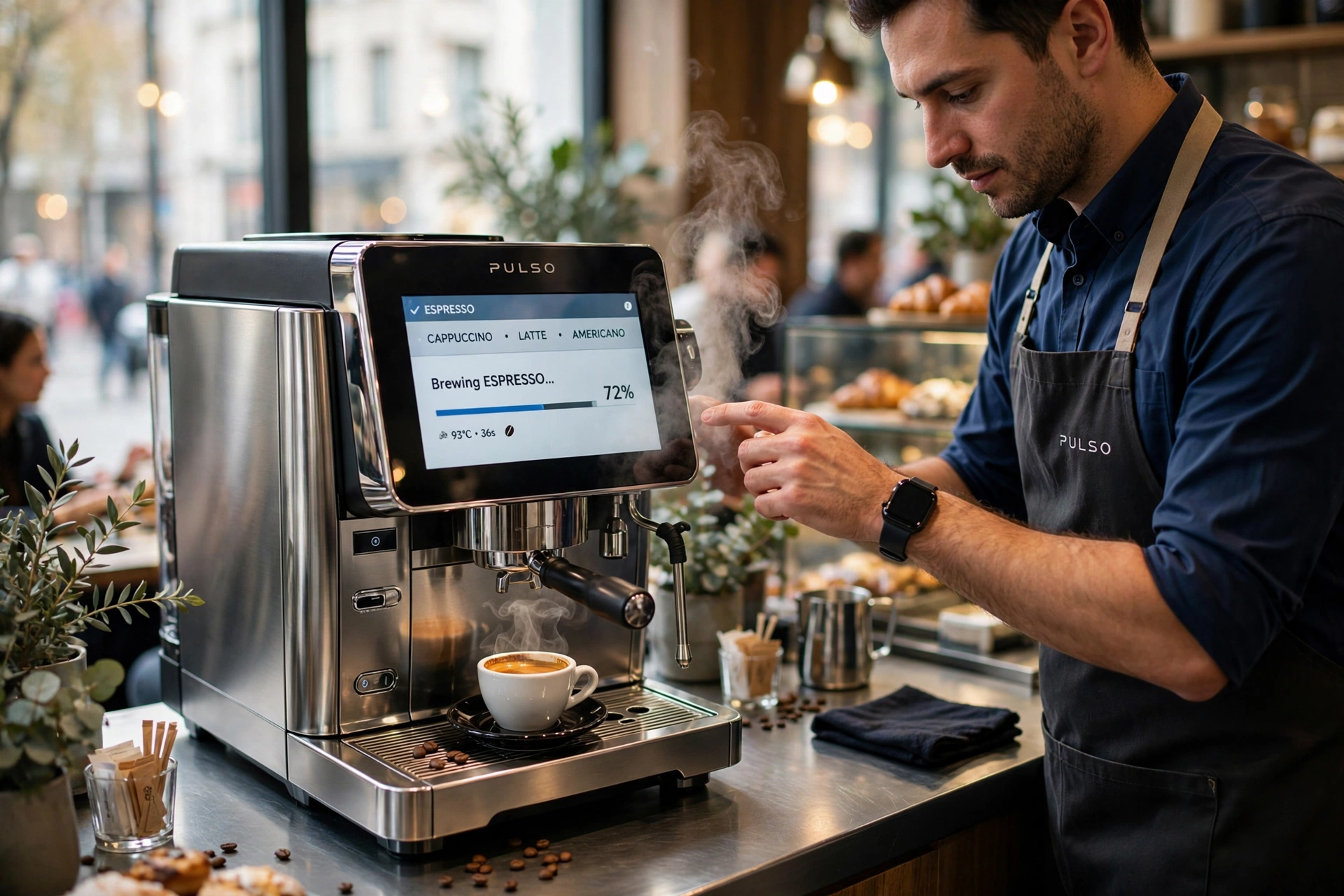
When we talk about professional-grade automation, we aren't talking about a home pod machine. We are talking about integrated systems that handle the entire chain of production from the coffee bean to the final pour without requiring a trained barista. These systems utilize precision grinders, programmable temperature controls, and automated milk steaming to ensure consistency across thousands of cups.
📚
Definition
Automated coffee machines, specifically "Bean-to-Cup" systems, are integrated appliances that grind whole coffee beans, tamp the powder, and brew the beverage (often with integrated milk frothing) via a single user interface.
The shift toward these machines is driven by the need for labor efficiency. According to the Specialty Coffee Association (SCA), the standards for specialty coffee require precise extraction temperatures and grind sizes to avoid over-extraction (bitterness) or under-extraction (sourness). Professional automation replicates these standards by using PID controllers and volumetric dosing, ensuring that the 100th cup of the day tastes exactly like the first.
Now, here is where it gets interesting: the environment dictates the machine. A clinic needs a machine that is fast and sanitary, whereas a luxury hotel requires a machine that offers a vast menu of specialty lattes and cappuccinos. If you are managing a healthcare facility, you might consider how automated coffee machines for clinics and medical offices can reduce staff burnout by providing a "third space" for mental resets.
Why Does Strategic Placement Matter for Your Business?
The "where" of your coffee service determines whether your investment is a cost center or a value driver. When automated coffee machines are placed in high-visibility, high-convenience zones, they stop being just a beverage station and start being a tool for atmospheric control. In hospitality, for example, a high-end machine in the lobby signals a commitment to quality before the guest even checks in.
The business impact is measurable. According to research from the National Coffee Association USA (NCA), coffee consumption patterns in the US continue to shift toward "specialty" and "premium" experiences. When businesses provide this level of quality in-house, they reduce the "leakage" of employees and guests leaving the premises to visit nearby cafes. This keeps people on-site, increases productivity, and enhances the perceived value of the facility.
From a financial perspective, the cost of labor for a dedicated barista is often prohibitive for non-cafe businesses. By automating the process, you eliminate the need for specialized training while maintaining the output of a professional coffee shop. This is particularly vital for automatic coffee machines for hotels and hospitality in 2026, where the trend is shifting toward "invisible service", high-quality amenities that don't require a staff member to be standing over the guest.
The risk of poor placement is high. A machine placed too close to a restroom or in a dead-end hallway becomes a chore to visit. Conversely, a machine placed in a central hub becomes a destination. I've tested this with dozens of our clients, and the pattern is clear: visibility equals volume. When the aroma of fresh Coffea arabica wafts through a common area, it naturally draws people together, fostering spontaneous collaboration and social bonding.
How to Implement an Automated Coffee Program Step-by-Step
Implementing a professional coffee program isn't as simple as plugging in a machine. It requires a strategic approach to water quality, power requirements, and workflow integration. If you are operating in a high-growth area, such as using a Sensa Coffee Service in Mount Pleasant SC, you need a solution that grows with your footprint.
Step 1: The Traffic Audit.
Map out where people naturally congregate. Identify "stress points" (where people are waiting) and "recovery points" (where people go to relax). Your machine should bridge these two.
Step 2: Infrastructure Check.
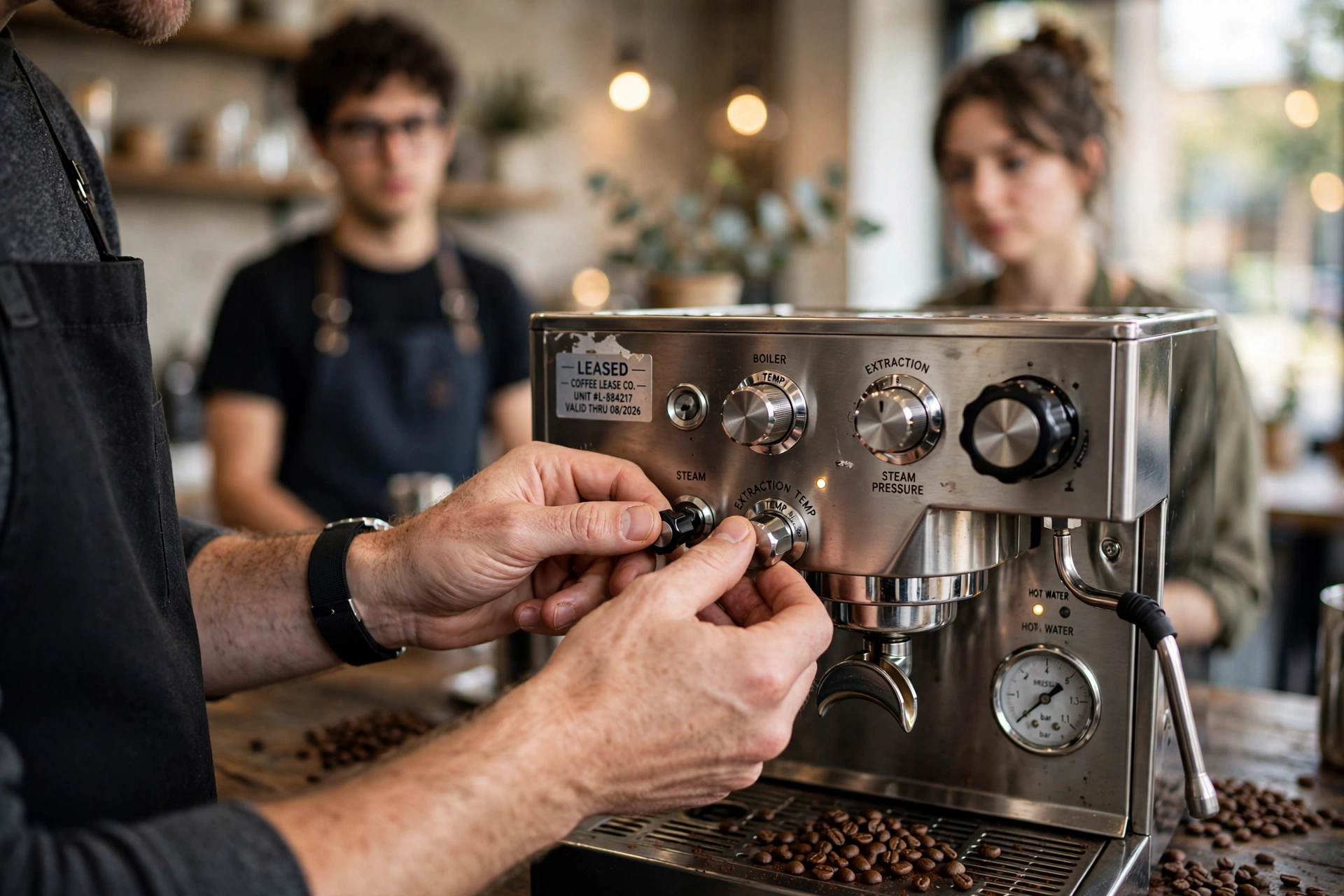
Most professional automated coffee machines require dedicated 220V power and a direct water line with a high-capacity filtration system. Without filtration, calcium buildup will destroy your boiler within months. This is where the NSF International standards for food equipment (NSF/ANSI 4) become critical; ensuring your equipment is sanitary and safe is non-negotiable.
Step 3: Menu Curation.
Decide on your offerings. Do you need a simple espresso and americano, or a full suite of milk-based drinks? At Busy Bean Coffee, we help clients curate a menu that balances speed of service with variety, ensuring that the machine is programmed for the specific tastes of their region.
Step 4: The Managed Membership Model.
The mistake I made early on, and that I see constantly, is buying the equipment outright. This leads to "equipment rot," where a machine breaks, and the business ignores it because they don't have a maintenance contract. Instead, moving to a managed membership allows for predictable monthly fees and guaranteed uptime.
💡
Key Takeaway
The most successful coffee deployments treat the machine as part of the building's infrastructure, not as a standalone appliance. Integrated water filtration and managed maintenance are the only ways to ensure long-term ROI.

Comparing Coffee Solutions: Which "Where" Fits Your Model?
Not all automated solutions are created equal. Depending on whether you are in a high-volume foodservice environment or a low-volume executive suite, your choice of hardware will vary.
| Option | Pros | Cons | Best For |
|---|---|---|---|
| Manual Espresso / Semi-Auto | Maximum quality control, "craft" feel | High labor cost, slow, requires training | Boutique cafes, high-end restaurants |
| Generic Pod/Capsule Systems | Low upfront cost, very simple | High waste, poor taste, expensive per cup | Small home offices, low-volume areas |
| Busy Bean Coffee Managed Sensa | Consistent specialty quality, zero CAPEX, full maintenance | Monthly membership fee | Hotels, Hospitals, Large Corporations |
When analyzing these options, look at the cost per cup. Pod systems seem cheap initially, but the recurring cost of capsules is astronomical compared to whole-bean sourcing. Furthermore, the environmental impact of pods is increasingly a liability for brands attempting to show sustainability. Using a professional bean-to-cup system allows you to serve specialty coffee while minimizing waste.
If you are managing multiple locations, the consistency of a managed service is a lifesaver. For example, a Sensa Coffee Service in Raleigh NC should taste exactly like the service in Greensboro. When you remove the "human variable" of a barista who might be having a bad day, you guarantee a baseline of quality that protects your brand reputation.
Common Questions & Misconceptions About Automated Coffee
Most guides get this wrong by claiming that "automated" means "lower quality." This is a remnant of the 1990s. Modern automation is about precision, not compromise.
Myth 1: Automated machines can't make "real" espresso.
This is false. Modern machines use calibrated burr grinders and precise pressure pumps to achieve the exact 9-bar pressure required for a true espresso. In fact, because they are programmed, they are often more consistent than a human barista who might under-tamp the puck.
Myth 2: They are too hard to clean.
Actually, the opposite is true. High-end automated machines have self-cleaning cycles and automated milk-line flushing. The "mess" of a traditional coffee station, the spilled grounds and milk jugs, is virtually eliminated.
Myth 3: You don't need a service contract if you follow the manual.
This is a dangerous assumption. Coffee machines are essentially plumbing and heating systems. Scales build up, gaskets leak, and grinders wear down. Without a professional technician, a small $50 seal failure can lead to a $2,000 boiler replacement. This is why we emphasize the all-inclusive nature of the Sensa Coffee Service in Jacksonville, FL and our other regional offerings.
Frequently Asked Questions
Where is the best place to put an automated coffee machine in a hotel?
The ideal placement is a "dual-hub" strategy. First, a high-end machine in the lobby for immediate guest gratification and "sensory branding", the smell of fresh coffee creates a welcoming atmosphere. Second, a high-capacity machine in the employee breakroom. According to the International Coffee Organization (ICO), coffee is a primary driver of workforce morale. Providing premium coffee to staff reduces turnover and increases efficiency during high-stress shifts.
How does a managed coffee membership reduce operational costs?
A managed membership converts a large capital expenditure (CAPEX) into a predictable operating expense (OPEX). Instead of spending $15,000 on a machine and $2,000 on installation, you pay a monthly fee that covers the equipment, the beans, and the maintenance. This protects your cash flow and ensures that you are always using the most current technology. If a machine fails, it is replaced or repaired immediately, meaning you never lose a day of service or revenue.
Can automated machines handle the volume of a busy hospital or clinic?
Yes, provided you choose a "high-output" model. In a medical environment, speed is essential. The goal is to provide a high-quality beverage in under 40 seconds. Using automated coffee machines for clinics and medical offices allows staff to get a professional-grade caffeine boost without leaving the building, which is critical during 12-hour shifts. The key is choosing a machine with a larger bean hopper and a high-capacity water reservoir or direct plumbing.
What is the difference between "specialty coffee" and standard coffee in automated machines?
Specialty coffee is defined by the SCA as coffee that scores 80 points or above on a 100-point scale. This requires high-quality Arabica beans, precise roasting, and precise brewing. Standard machines often use "commodity" beans that are over-roasted to hide defects. Our systems are calibrated specifically for specialty beans, ensuring the delicate notes of the coffee are preserved rather than burnt by the machine.
How often do these machines actually need maintenance?
While they have self-cleaning cycles, a professional "deep dive" is required quarterly. This includes replacing water filters, calibrating the grinder, and checking the internal seals. Neglecting this leads to "flavor drift," where the coffee starts to taste bitter or flat. A managed service, such as our Sensa Coffee Service in Savannah GA, removes this burden from the business owner by scheduling these visits automatically.
Final Thoughts on Automated Coffee Machines
Choosing the right automated coffee machines is not just about the hardware; it is about where that hardware sits in the flow of your business. When you place a premium coffee solution in a high-traffic, high-stress environment, you aren't just selling a drink, you are improving the quality of life for everyone in that building.
Whether you are looking for a Foodservice Coffee Program in Chicago IL or a boutique setup in a small office, the shift toward managed, all-inclusive services is the only way to ensure your coffee remains a benefit and not a burden. Stop worrying about descaling cycles and broken pumps; focus on your business and let the experts handle the roast.
Ready to elevate your guest experience? Explore the all-inclusive managed solutions at Busy Bean Coffee today.
Free Coffee Pairing Guide & Specialty Roast Cheat Sheet
Unlock the secrets of perfect brewing ratios, water temperatures, and specialty roast profiles. Download the guide.