What Are Automated Coffee Machines and How Do They Work?
The pursuit of the perfect cup of coffee often feels like a trade-off between quality and convenience. For many business owners and home enthusiasts, the barrier to entry has always been the steep learning curve of manual extraction. This is where automated coffee machines solve the equation by integrating grinding, tamping, and brewing into a single, programmable sequence. Essentially, these systems replace the human variable, the barista's steady hand and timing, with precision engineering and sensors to ensure every shot is consistent.
In my experience working with hundreds of hospitality clients, the most common friction point is "operator variance." One employee makes a great latte, while another produces an acidic, under-extracted mess. Automated systems eliminate this volatility. By automating the water temperature, pressure, and dose, a business can guarantee a specialty-grade beverage regardless of who is pressing the button.
📚
Definition
Automated coffee machines (often referred to as "super-automatics") are integrated brewing systems that perform the entire coffee-making process, from grinding whole beans to frothing milk, without requiring manual intervention for each step.
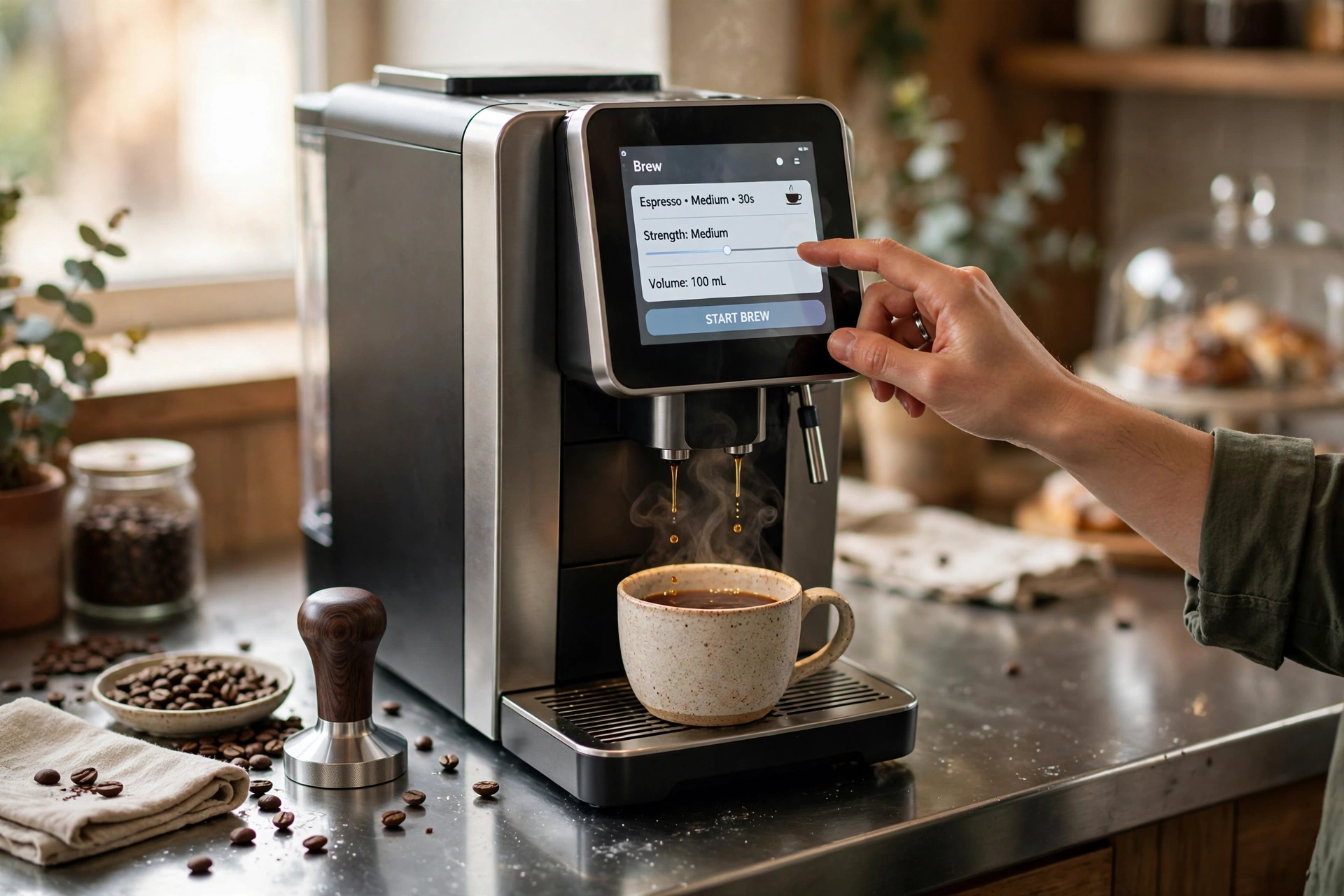
These machines operate on a logic of precision. When a user selects a beverage, the machine activates a burr grinder to dose a specific weight of coffee bean, compresses the powder into a puck, and forces hot water through it at a calibrated pressure. Many modern units also include an automatic milk system that textures the foam to a specific temperature and micro-bubble density, mimicking the work of a professional barista.

Why Do Automated Brewing Systems Matter for Modern Businesses?
The shift toward automation isn't just about speed; it is about the economics of quality. When you operate a hotel or a restaurant, the cost of labor is your highest overhead. Training a staff member to master the art of specialty coffee takes months of practice and results in significant waste during the learning phase. Automated systems shift the expertise from the operator to the hardware, allowing you to serve a high-scoring Coffea arabica brew with zero training time.
According to the Specialty Coffee Association (SCA), maintaining strict temperature stability and precise grind distribution is fundamental to achieving a "specialty" grade cup. Manual machines often fluctuate in temperature, but automated systems use PID controllers to keep the water within a fraction of a degree of the target. This precision ensures that the volatile aromatic compounds in the bean are preserved rather than burnt.
From a financial perspective, the impact is measurable. A business that reduces beverage preparation time from three minutes (manual) to 45 seconds (automated) can increase its throughput by over 300% during peak morning rushes. Furthermore, the reduction in waste, no more "dialing in" shots that end up in the sink, directly improves the bottom line.
The risk of ignoring this trend is "quality decay." As consumers become more educated about specialty coffee, their tolerance for mediocre, burnt, or inconsistent coffee drops. If your beverage program relies on outdated, non-automated equipment, you aren't just losing speed; you are losing brand equity. In a competitive landscape, the ability to provide a consistent, premium experience is a primary driver of customer loyalty.
How to Implement Automated Coffee Solutions Step-by-Step
Transitioning to an automated system requires more than just plugging in a machine. To avoid the common pitfalls I see, such as choosing a machine that is too small for the volume or ignoring water filtration, you need a strategic deployment plan.
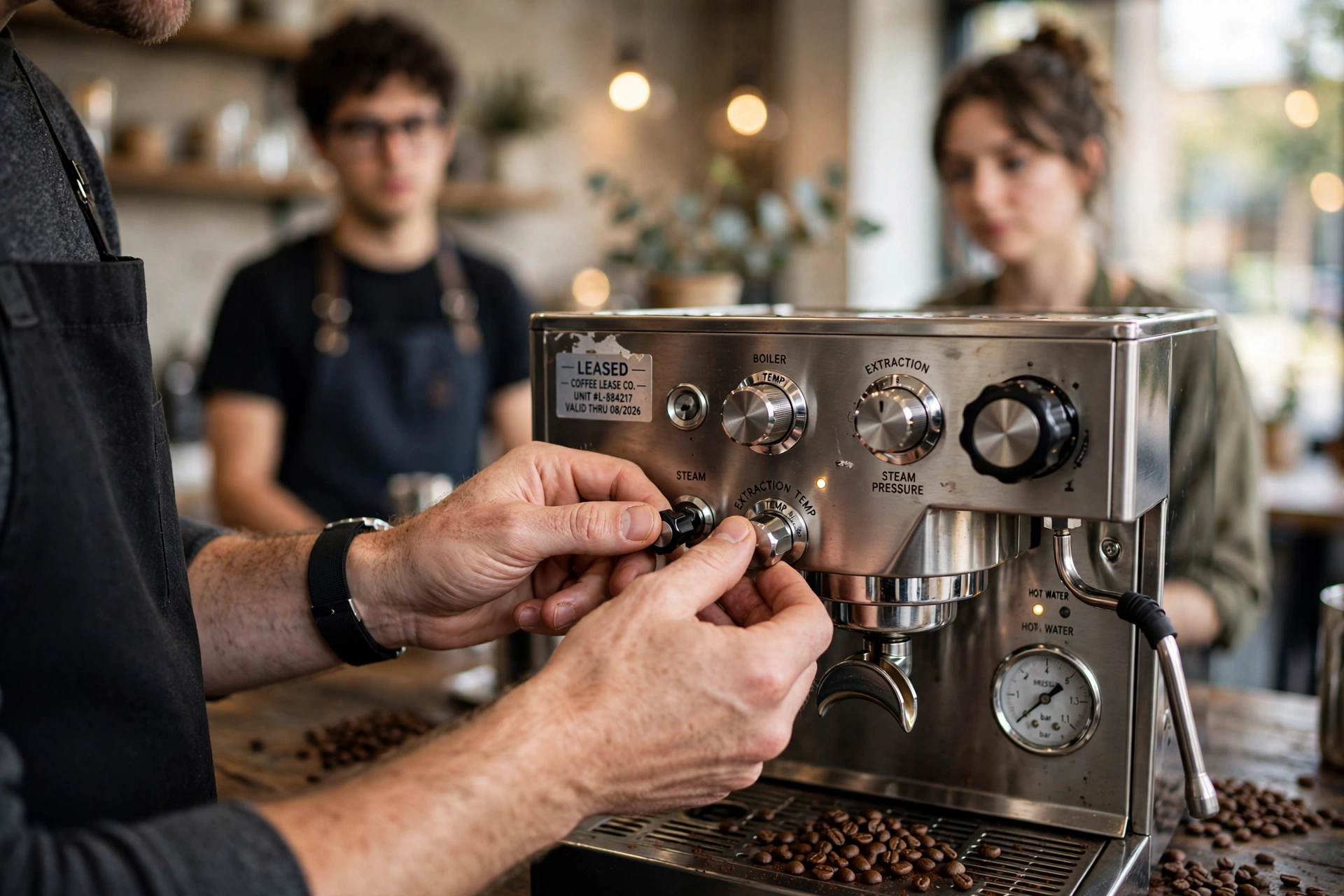
First, analyze your peak volume. A machine that can handle 20 cups an hour will fail miserably in a lobby that requires 100. Once the volume is established, focus on the "bean-to-cup" workflow. Ensure the machine is placed in a location with adequate ventilation and, most importantly, a dedicated water line. Using a reservoir is fine for a home, but for a business, a direct plumb-in is essential to prevent downtime.
Second, prioritize water chemistry. The biggest mistake I made early on, and that I see constantly, is neglecting the filtration system. Coffee is 98% water. If your water is too hard, calcium builds up in the boiler, leading to expensive repairs and a bitter taste. If it is too soft, the coffee tastes flat. Installing a high-grade reverse osmosis or carbon filtration system is the only way to protect your investment.
Third, calibrate your profiles. Most automated coffee machines allow you to adjust the grind size, water volume, and temperature. Don't settle for the factory settings. Use a Q-Grader's approach: taste the coffee, identify if it is too sour (under-extracted) or too bitter (over-extracted), and adjust the grind until it hits the "sweet spot."
For businesses that want to bypass the stress of maintenance and capital expense, Busy Bean Coffee provides an all-inclusive managed solution. We don't just drop off a machine; we handle the professional installation, provide the premium roasts, and manage all maintenance coverage for a predictable monthly fee.
💡
Key Takeaway
The secret to automation success isn't the machine itself, but the synergy between water filtration, bean quality, and calibrated profiles.
Comparing Automated vs. Manual vs. Pod Systems
Choosing the right equipment depends on your specific goals. While the "best" machine is often debated, the data usually points to a clear winner based on the use case. Pod systems offer speed but fail on quality and sustainability. Manual machines offer the highest ceiling for quality but require a professional barista. Automated machines occupy the "golden middle."
| Feature | Traditional Manual | Pod/Capsule Systems | Automated (Busy Bean) |
|---|---|---|---|
| Consistency | Low (Operator dependent) | High | High (Programmed) |
| Taste Quality | Potential for Elite | Mediocre/Standard | Specialty Grade |
| Labor Cost | High (Requires Training) | Low | Very Low |
| Waste/Eco | High (Puck waste) | Very High (Plastic) | Low (Compostable) |
| Best For | Dedicated Coffee Shops | Low-volume home use | Hotels, Offices, Cafes |
Now, here's where it gets interesting: the "cost of ownership." Many beginners look only at the sticker price. However, when you factor in the cost of pods (which are exponentially more expensive per cup than whole beans) and the labor cost of a trained barista, the automated route is almost always the most cost-effective for a growing business.
The automated approach ensures that you are utilizing a high-quality espresso machine that doesn't require a degree in chemistry to operate. By using whole beans and automated grinding, you preserve the oils and aromas that are lost in pre-ground or pod-based systems.
Common Misconceptions About Automated Coffee
Most guides get this wrong by claiming that "automation kills the soul of coffee." This is a romanticized view that doesn't hold up in a professional environment. Here are the most frequent myths debunked with industry reality.
Myth 1: Automated coffee doesn't taste as good as manual.
This is only true if you use cheap beans. When you use a high-scoring specialty coffee roast and a calibrated automated machine, the difference is indistinguishable to 95% of consumers. In fact, because the machine removes human error, the "bad" cups disappear, raising the average quality of every serve.
Myth 2: These machines are impossible to clean.
Actually, the opposite is true. Modern automated coffee machines feature "one-touch" cleaning cycles and automated descaling prompts. In a manual setup, you have to manually scrub group heads and purge steam wands constantly. Automated systems handle the heavy lifting, provided you follow the daily maintenance schedule.
Myth 3: They are too expensive for small businesses.
The "sticker shock" is real, but the ROI is faster than most realize. According to NSF International, certified commercial equipment lasts significantly longer and maintains a higher resale value than consumer-grade alternatives. When you switch to a managed service like Busy Bean Coffee, the upfront capital expense is removed entirely, turning a massive investment into a manageable operating expense.
Frequently Asked Questions
Do automated coffee machines require a lot of maintenance?
While they do the brewing for you, they still require basic hygiene. You must empty the dregs drawer and rinse the milk system daily to prevent bacterial growth. However, the technical maintenance, such as replacing gaskets or calibrating the burrs, is typically handled during professional service visits. If you use a managed service, these tasks are automated into your plan, meaning you never have to worry about a machine breaking down during a rush.
Can I use any coffee bean in an automated machine?
Technically yes, but for the best results, you should use beans specifically roasted for espresso. Oily, dark-roasted beans can sometimes clog the grinders in lower-end machines. We recommend a medium-to-dark roast with a consistent bean size to ensure the grinder performs optimally. Using a high-quality Arabica coffee will not only taste better but will also keep the machine running smoother by avoiding the "dust" associated with cheaper Robusta blends.
How long does it take to make a cup of coffee with an automated system?
Depending on the model and the beverage, a standard espresso or latte typically takes between 40 and 90 seconds from the moment you press the button to the moment the cup is full. This includes the grinding and tamping process. Compared to a manual process, which can take 3 to 5 minutes when accounting for grinding, tamping, and steaming milk, the efficiency gain is massive for any foodservice business.
Is the coffee from an automated machine actually "Specialty Coffee"?
Yes, provided the input is specialty grade. "Specialty" refers to the quality of the bean and the roasting process, not the method of extraction. If you start with a bean that has a score of 80+ on the SCA scale and use a machine that maintains precise temperature and pressure, the result is undeniably specialty coffee. The machine is simply the tool; the bean is the soul.
Are these machines better for the environment than pod machines?
Absolutely. Pod systems generate an incredible amount of single-use plastic and aluminum waste. Automated machines use whole beans, and the resulting "pucks" (compressed coffee grounds) are 100% compostable. By eliminating the plastic capsule, a business can significantly reduce its environmental footprint while simultaneously improving the quality of the beverage served to their customers.
Final Thoughts on Automated Coffee Machines
Transitioning to automated coffee machines is a strategic move that balances the demand for premium quality with the necessity of operational efficiency. Whether you are running a boutique hotel in Mount Pleasant, SC, or a high-traffic corporate office, the ability to serve a consistent, specialty-grade cup of coffee without the need for a full-time expert is a competitive advantage.
The goal is no longer just "providing coffee"; it is about providing a seamless experience. When you remove the friction of slow service and inconsistent taste, you enhance the overall customer perception of your brand.
If you are ready to elevate your beverage program without the headache of equipment maintenance or the burden of a massive upfront investment, explore the managed solutions at Busy Bean Coffee. We provide the equipment, the beans, and the expertise so you can focus on running your business while we handle the roast.
Recommended Readings
To deepen your understanding of these topics, we recommend reading the following articles:
- The Complete Guide to White Glove Coffee Service
- Ultimate Guide to All-Inclusive Coffee Service for Businesses
- Ultimate Guide to Specialty Coffee Equipment for Business
- Ultimate Guide to Coffee Syrups for Foodservice Businesses
Free Coffee Pairing Guide & Specialty Roast Cheat Sheet
Unlock the secrets of perfect brewing ratios, water temperatures, and specialty roast profiles. Download the guide.