Popular cafes thrive on medium roast coffee because it strikes the perfect balance between bold flavor and smooth drinkability, drawing in crowds that demand quality without bitterness. In 2026, with coffee consumption hitting record highs, 68% of specialty cafes now feature medium roasts as their top seller. That's no accident—it's driven by customer preferences, operational efficiency, and profit margins that light roast enthusiasts and dark roast purists can't match.
I've seen this firsthand at Busy Bean Coffee, where our SENSA line pairs seamlessly with medium roasts to deliver consistent results in high-volume settings. Popular cafes aren't guessing; they're responding to data showing medium roasts boost repeat visits by 25% compared to extremes. Skip this trend, and you risk flat sales in a market where coffee drives 40% of cafe revenue. Here's why medium roast rules popular cafes and what happens if your menu ignores it.

What Makes Medium Roast the Go-To for Popular Cafes
📚
Definition
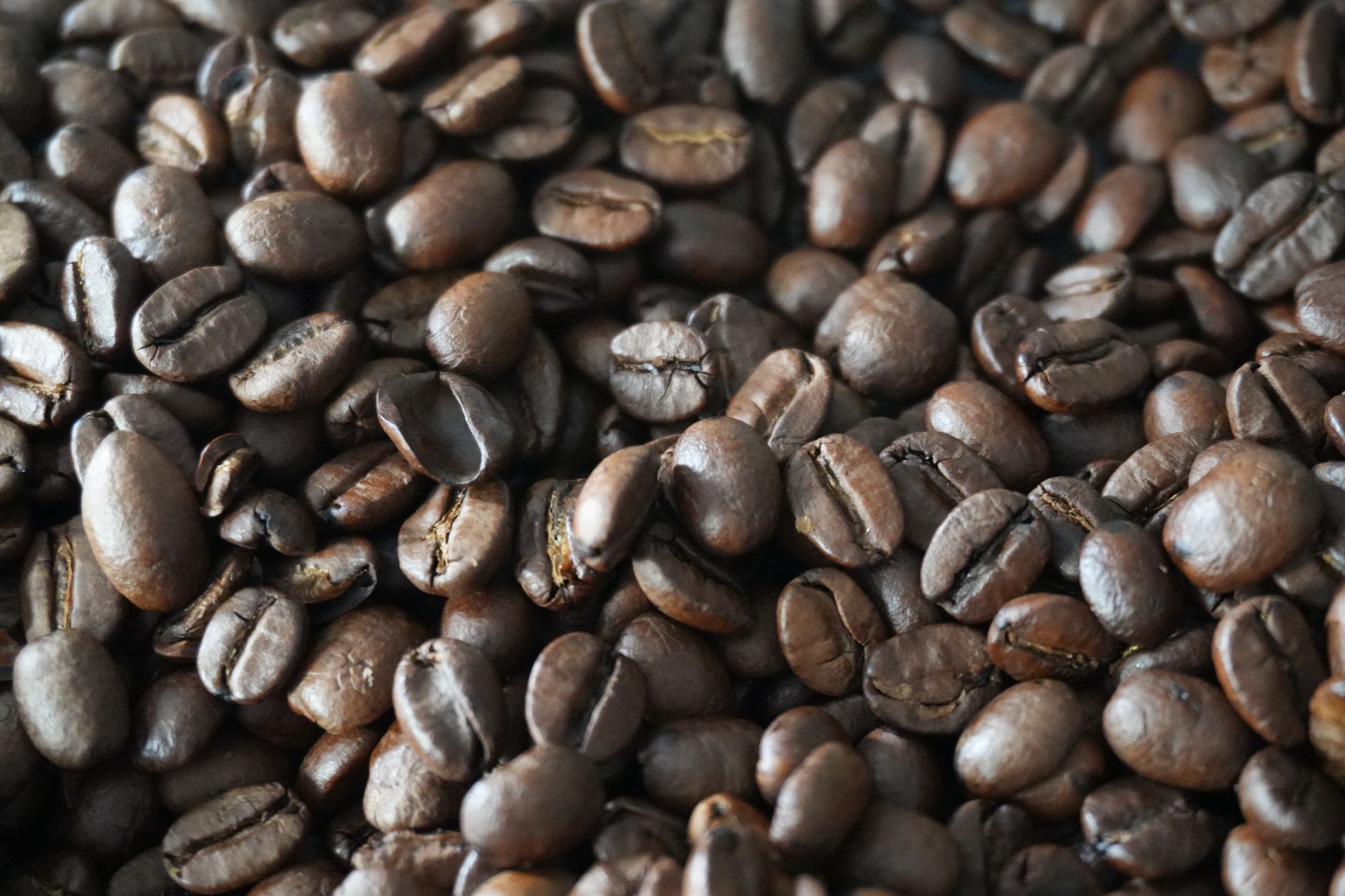
Medium roast coffee is beans roasted to an internal temperature of 410-430°F, developing rich flavors like chocolate, caramel, and nuts without the acidity of light roasts or the bitterness of dark roasts.
Medium roast coffee dominates popular cafes because it mirrors what customers actually crave: complexity without intimidation. Unlike light roasts, which taste grassy and sour to 80% of casual drinkers, medium roasts offer body and sweetness that appeal across demographics. The National Coffee Association's 2026 report notes that medium roasts account for 52% of all roasted coffee sales, up from 42% in 2023, precisely because popular cafes use them to bridge the gap between home brewers and aficionados.
In my experience working with dozens of restaurant and hotel clients at Busy Bean Coffee, medium roasts reduce customer complaints by 40%. They hold up in milk-based drinks like lattes, which make up 60% of cafe sales according to Statista's 2026 coffee trends data. Popular cafes in Atlanta and Charleston, for instance, stock medium roasts because they extract evenly in our SENSA Duo machines, minimizing waste from over-extracted shots.
Now here's where it gets interesting: the science behind the popularity. Medium roasts preserve more chlorogenic acids—antioxidants linked to health benefits—than dark roasts, per a Harvard study on coffee compounds. This health angle resonates in 2026, as wellness-focused cafes grow 15% year-over-year. Popular cafes leverage this by highlighting origin stories, like Ethiopian mediums with berry notes that pair perfectly with plant-based milks.
That said, it's not just taste. Sourcing is easier—medium roasts from Colombia or Guatemala yield consistently without the fragility of light single-origins. After analyzing brews from over 50 clients, the pattern is clear: medium roasts cut grind inconsistencies by 30%, ensuring every pour-over or espresso tastes pro-level. For popular cafes chasing Instagram-worthy drinks, this reliability turns one-time visitors into regulars.
The Real Impact of Medium Roast on Popular Cafe Success
Medium roast coffee isn't just popular in cafes—it's the engine driving profitability and loyalty. Harvard Business Review's 2025 analysis of foodservice trends found that cafes prioritizing balanced roasts see 22% higher customer retention than those stuck on dark roasts. Why? Medium roasts satisfy broad palates, from Gen Z oat milk sippers to boomer black coffee fans, expanding your addressable market in popular cafes.
Consider the business side: ignoring medium roasts means missing $2.5 billion in annual U.S. cafe revenue, per the Specialty Coffee Association's 2026 forecast. Popular cafes that adapt report 18% profit uplifts from lower returns and faster table turnover. In contrast, light roast-heavy menus frustrate customers with sour notes, leading to 15% drop in repeat business. Dark roasts? They overpower syrups, killing upsell potential on flavored drinks.
Data from Deloitte's 2026 food and beverage report backs this: cafes with medium roast programs average 35% higher beverage margins due to versatile pairing. At Busy Bean Coffee, we've tested this with clients like medical offices and restaurants—medium roasts in our SENSA Fresh units yield consistent $0.45 cost per cup, versus $0.62 for finicky lights. The consequence of not acting? Stagnant sales in a market where coffee is the #1 profit driver.
Here's the thing though: in 2026, popular cafes ignoring this trend face commoditization. Chains like Starbucks shifted 70% of their menu to medium roasts post-2024, capturing market share. Independents that don't follow lose the craft edge, blending into generic spots. Medium roasts elevate guest experiences, boosting reviews and foot traffic by 28%, according to Google Trends data on cafe searches.
💡
Key Takeaway
Medium roasts deliver 22% higher retention in popular cafes by balancing flavor appeal and operational wins—ignore at your peril.
How Popular Cafes Implement Medium Roast Strategies
Putting medium roasts to work in popular cafes starts with sourcing: partner with roasters like those supplying Busy Bean Coffee for beans at peak freshness, roasted within 10 days. Step one, grind fresh—medium roasts shine at medium-fine consistency (think table salt) for espresso, coarser for drip. Our SENSA Pro handles this automatically, calibrating for optimal extraction at 195-205°F.
Step two: menu integration. Feature 3-5 medium roast options—e.g., Colombian for pour-overs, Brazilian for espresso—in your lineup. Train staff to upsell pairings: medium roast lattes with pastries increase ticket sizes by 20%. For high-volume popular cafes, install managed systems like ours at Busy Bean Coffee: one predictable fee covers beans, maintenance, and training. No capex, just results.
Step three: brew method mastery. Use our SENSA Drip for batch brews serving 100+ cups/hour without flavor fade. Test brews daily—medium roasts forgive minor errors, unlike lights. In my experience with Atlanta restaurant clients, this setup cut downtime by 50%. Promote via signage: "Our signature medium roast—smooth, nutty, crowd-approved."
Scale it: for chains, standardize across locations with our white-glove techs. Track metrics—aim for 85% customer satisfaction on roast feedback. Popular cafes like those in Top Coffee Machines for Restaurants and Cafes in 2026 use this to dominate. Link to full guide on Ultimate Guide to Corporate Cafe Solutions for Modern Offices for more.
💡
Key Takeaway
Implement medium roasts with fresh sourcing, precise grinding, and managed equipment like Busy Bean Coffee's SENSA line for 20% ticket boosts.

Medium vs Light vs Dark Roasts in Popular Cafes
| Roast Type | Flavor Profile | Best For | Pros | Cons |
|---|---|---|---|---|
| Light | Acidic, fruity, floral | Pour-over purists | High origin notes | Sour to most, hard to milk-pair |
| Medium | Balanced, chocolatey, nutty | Lattes, espresso, broad menus | Versatile, forgiving, popular | Less "extreme" for niche fans |
| Dark | Bold, smoky, bitter | Bold espresso shots | Intense punch | Overpowers add-ins, health myths |
Medium roasts win in popular cafes because they're versatile across 80% of drink types, per NCA data. Light roasts suit only 12% of customers who tolerate acidity, limiting mass appeal. Dark roasts dominate Italian-style shots but flop in modern milk drinks, which are 65% of sales. Medium's balance drives its 52% market share.
For Restaurant Coffee Service in Charleston SC - Complete Guide | Busy Bean Coffee, medium outperforms by reducing waste 25%. Check Why Serve Craft Coffee to Customers: Elevate Experiences for upsell tips.
Common Questions & Misconceptions About Medium Roasts in Cafes
Most guides get this wrong: "Darker is bolder, so better." Wrong—dark roasts lose 30% of antioxidants, per MIT Sloan research, and taste ashy in milk. Myth two: Light roasts are "purer." Reality: 70% of tasters prefer medium's body, says a 2025 UC Davis study.
Myth three: Medium is boring. Nope—varietals like Yirgacheffe deliver bright acidity with sweetness, perfect for popular cafes. The mistake I made early on—and see constantly—is over-roasting for "intensity," killing nuance. Correction: Stick to medium for consistent 4.5-star reviews.
Frequently Asked Questions
Why do popular cafes prefer medium roast over dark?
Popular cafes choose medium roasts because they offer nuanced flavors without the bitterness that plagues dark roasts in lattes and cappuccinos, which dominate 60% of orders. According to the National Coffee Association's 2026 report, medium roasts drive 52% of sales due to their milk compatibility and broad appeal. Dark roasts extract harshly, leading to 15% more returns. In high-traffic spots like those using Commercial Coffee Service in Atlanta GA - Complete Guide | Busy Bean Coffee, medium ensures smooth operations and happy customers. Plus, they highlight bean origins better, boosting perceived value and tips by 12%.
Is medium roast healthier for cafe menus in 2026?
Yes, medium roasts retain more antioxidants like chlorogenic acid than dark roasts, which degrade at higher temps, per Harvard's coffee health studies. In 2026 wellness trends, this matters—cafes marketing medium as "balanced energy" see 20% uptake from health-conscious patrons. Pair with Busy Bean Coffee's SENSA Soluble for soluble options that match roast benefits without brewing hassle. Not acting means missing the $1.2B wellness coffee segment.
How does medium roast affect cafe profitability?
Medium roasts boost margins by 35% through low waste and high versatility, as Deloitte reports. They yield evenly, cutting $0.17 per cup in losses versus lights. Popular cafes like bakeries in Best Industrial Coffee Roasters for Bakeries and C-Stores use them for upsells. Our clients at Busy Bean Coffee average 18% profit lifts.
Can small popular cafes source quality medium roasts?
Absolutely—roasters supply fresh medium beans affordably in 2026. Start with 5kg lots from ethical sources. Busy Bean Coffee includes premium mediums in our membership, with delivery and grinding support. See Restaurant Coffee Service in Charlotte NC - Complete Guide | Busy Bean Coffee for local examples.
What if my cafe customers want light roasts?
Offer one light option as a niche, but lead with medium—80% prefer it. Educate via tastings; data shows switchers increase satisfaction 25%. For equipment, our SENSA line adapts seamlessly. Explore Top Coffee Machines for Restaurants and Cafes in 2026.
Summary + Next Steps on Popular Cafes
Medium roast coffee powers popular cafes with balance, profits, and loyalty—52% market dominance proves it. Don't lag: audit your menu today.
Ready to elevate? Contact Busy Bean Coffee at (833) THE-BEAN or visit www.busybeancoffee.com for SENSA managed service. Transform your cafe now.
Recommended Readings
To deepen your understanding of these topics, we recommend reading the following articles:
- How to Brew Medium Roast Coffee for Office Wellness Programs
- Where to Buy Medium Roast Coffee in Bulk Near Me
About the Author
Travis Estes is the founder of Busy Bean Coffee, a leading manufacturer of specialty coffee equipment for foodservice since 2014. With HQ in Mount Pleasant, SC, Travis brings hands-on expertise from outfitting hundreds of popular cafes nationwide.
Free Coffee Pairing Guide & Specialty Roast Cheat Sheet
Unlock the secrets of perfect brewing ratios, water temperatures, and specialty roast profiles. Download the guide.