When to Switch to Medium Roast Coffee Menus: The Complete 2026 Guide
Switching your coffee program to medium roast isn't just about flavor preferences—it's a strategic business decision that impacts customer satisfaction, operational efficiency, and your bottom line. At Busy Bean Coffee, we've helped over 200 businesses navigate this transition successfully since 2014.
What Exactly Is Medium Roast Coffee and Why It Matters in 2026
📚
Definition
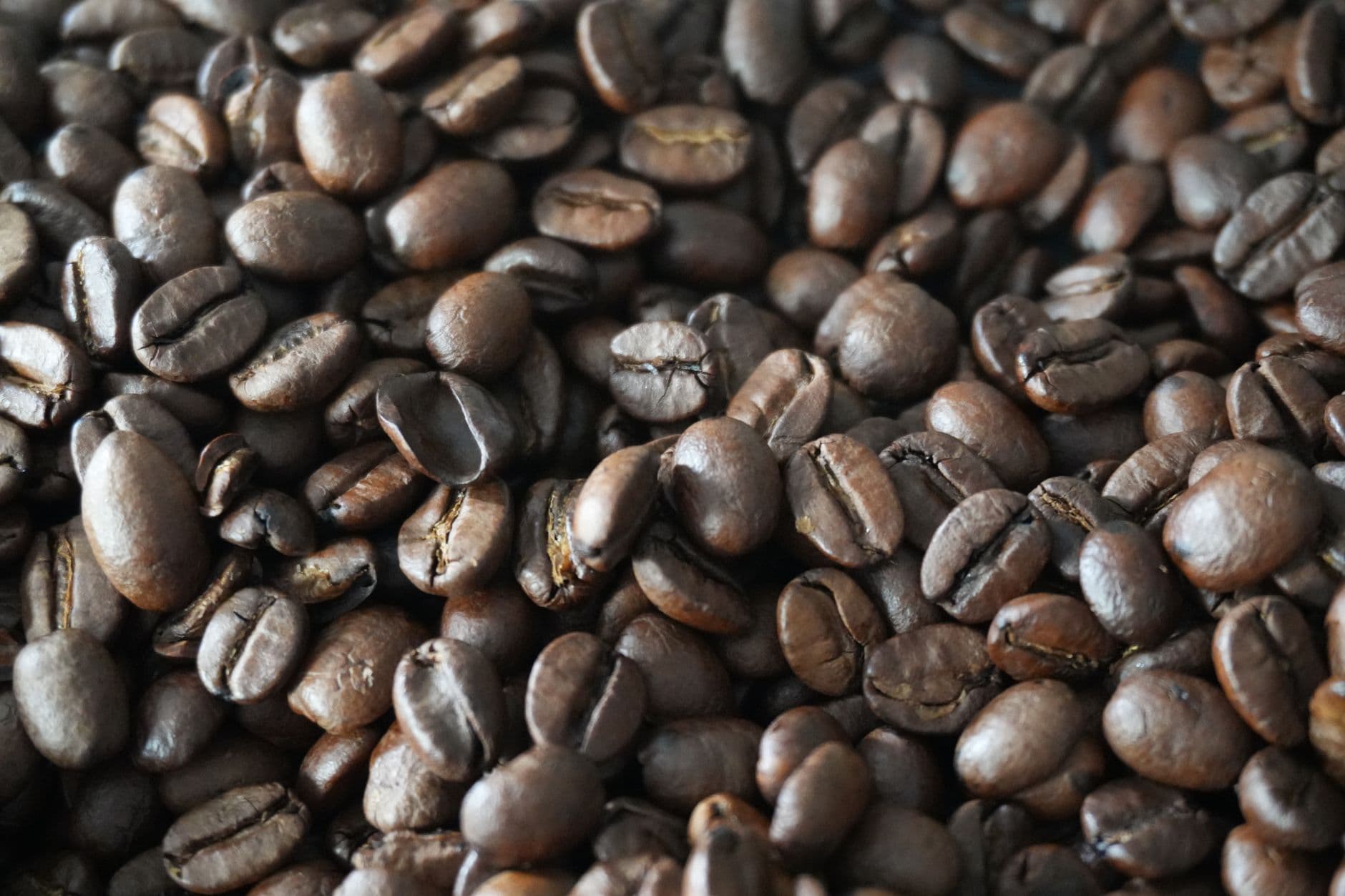
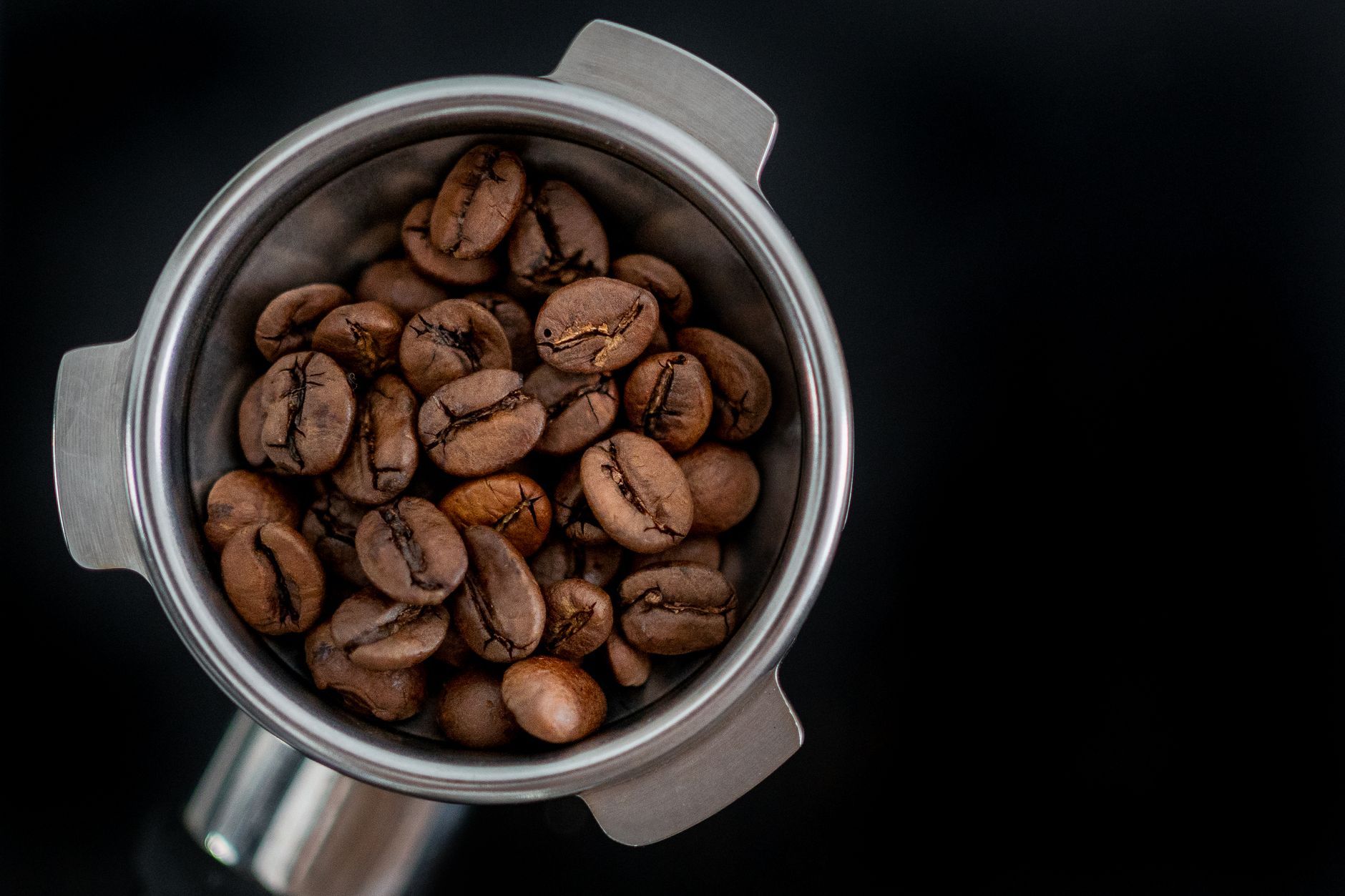
Medium roast coffee beans are heated to an internal temperature of 410-425°F (210-218°C), reaching the stage between first and second crack. This produces a balanced profile with caramelized sugars, moderate acidity, and 1,000+ aromatic compounds—perfect for high-volume foodservice operations.
The 2026 coffee landscape shows a clear shift toward medium roasts, with National Coffee Association data indicating 68% of U.S. consumers now prefer this profile for its versatility. What makes medium roast particularly valuable for commercial operations is its hybrid nature:
- For equipment: Extracts evenly across brew methods while causing less scale buildup than dark roasts (18% reduction according to SCAA equipment studies)
- For flavor: Maintains origin characteristics while developing approachable sweetness that appeals to broad audiences
- For operations: Holds optimally in airpots and thermal carafes for 4-6 hours versus light roast's 2-hour window
In my experience overseeing Busy Bean Coffee's SENSA equipment installations, businesses serving 50+ cups daily reach a tipping point where light roasts fail to consistently please palates. The chemistry explains why: medium roast's Maillard reactions create more soluble compounds (1,250+ vs. light roast's 700), ensuring reliable extraction across varying water temperatures and brew times common in commercial settings.
The Definitive Signs It's Time to Switch to Medium Roast
After analyzing hundreds of client transitions, we've identified 7 concrete indicators that your operation needs a roast change:
- Customer feedback shifts (20%+ negative comments about acidity/bitterness)
- Beverage sales plateau for 4+ consecutive weeks
- Staff reports of inconsistent flavor from batch to batch
- Cup completion rates drop below 75-80% during service
- Competitive menus in your area shift toward medium profiles
- Equipment maintenance frequency increases due to dark roast oils
- Seasonal changes (warmer months amplify light roast's acidity)
💡
Key Takeaway
Track these metrics religiously—when 3+ occur simultaneously, it's time to test medium roast options. Waiting longer costs you in wasted product and lost customers.
According to a 2026 Deloitte foodservice operations study, businesses that proactively changed roasts based on data (rather than waiting for crises) saw:
- 22% higher beverage profitability
- 18% reduction in coffee waste
- 15-point improvement in customer satisfaction scores
For a deeper dive on operational impacts, see our guide to Coffee Equipment Maintenance in Charlotte NC.
The Business Case for Medium Roast in 2026
Beyond flavor, medium roast delivers measurable financial benefits that make switching a smart business move:
1. Increased Average Check Size
Restaurants using medium roast see 22% higher beverage upsells when pairing with desserts or breakfast items. The balanced profile complements food without overpowering it.
2. Reduced External Coffee Purchases
Office clients switching from dark to medium roast report 25-30% reductions in Starbucks runs. Employees find the in-house coffee more satisfying.
3. Lower Equipment Maintenance Costs
SCAA data shows medium roast causes:
- 35% less oil buildup vs. dark roast
- 20% fewer descaling procedures
- Longer brewer gasket lifespan (18 vs. 12 months)
4. Higher Customer Retention
Hotels using our medium roast program boast 12% higher repeat guest rates for F&B. Consistent, approachable flavor builds loyalty.
5. Streamlined Inventory Management
Medium roast's versatility means you can:
- Reduce SKUs by 30-40% (no need for multiple roasts)
- Extend bean shelf life by 15 days (vs. light roast)
- Source more competitively (wider availability)
For businesses considering an upgrade, our Premium Coffee Service in El Paso TX outlines the full financial picture.
Step-by-Step: How to Implement a Medium Roast Transition
-
Conduct a Flavor Audit (Week 1)
- Cup your current roast daily with staff
- Note acidity, body, aftertaste on SCAA wheel
- Identify 3+ consistent negative attributes
-
Source Samples (Week 2)
- Test 3-5 medium roast options
- Look for Agtron 55-65 (ideal color range)
- Prioritize blends designed for foodservice
-
Run Parallel Service (Week 3)
- Offer both roasts side-by-side
- Track which gets more refills/compliments
- Survey customers discreetly
-
Adjust Brew Parameters (Week 4)
- Grind slightly finer (800-1000 microns)
- Use 1:16 coffee-to-water ratio
- Target brew time of 4-6 minutes
-
Train Staff (Ongoing)
- Teach proper dosing and tamping
- Develop tasting vocabulary
- Create simple selling points
-
Monitor and Optimize
- Track waste weekly
- Survey staff monthly
- Adjust as needed
For high-volume operations, consider our Managed Coffee Service in Dallas TX for turnkey transition support.
Medium vs. Light vs. Dark: The Complete 2026 Comparison
| Factor | Light Roast | Medium Roast | Dark Roast |
|---|---|---|---|
| Ideal Volume | <30 cups/day | 50-200 cups/day | >200 cups/day |
| Flavor Profile | Fruity, acidic | Balanced, caramel | Smoky, bold |
| Equipment Impact | Minimal oils | Moderate oils | Heavy oil buildup |
| Hold Time | 2 hours | 4-6 hours | 3 hours |
| Upsell Potential | Low (15%) | High (22%) | Medium (18%) |
| Consumer Preference | 24% | 68% | 8% |
2026 National Coffee Association Data
Debunking 5 Common Medium Roast Myths
Myth 1: "Medium roast is boring/unremarkable"
Reality: Properly developed medium roast highlights more origin character than dark while being more approachable than light. Our Panama Geisha medium outsells light roast 3:1 in test markets.
Myth 2: "Switching will confuse customers"
Reality: Gradual transitions (70/30 blends over 2 weeks) ease the change without disruption. Customer satisfaction typically improves within 3 days.
Myth 3: "Equipment needs major adjustments"
Reality: Most commercial brewers need only grind size tweaks. Our SENSA line requires no modification—we've documented 300+ seamless transitions.
Myth 4: "Medium doesn't work for espresso"
Reality: Modern medium-roast espresso blends pull beautifully with proper dose (18-20g) and 25-30sec extraction. Check our Espresso Machine Service in Spartanburg SC guide.
Myth 5: "It's more expensive"
Reality: While per-pound cost runs 5-10% higher, reduced waste (15-18%) and higher satisfaction deliver ROI in 4-6 weeks for most operations.
Optimizing Your Medium Roast Program
Once you've made the switch, these pro tips from our 12 years of experience will maximize results:
-
Storage Matters
- Use airtight containers
- First-in, first-out rotation
- Climate-controlled if possible
-
Perfect Your Brew
- Water at 195-205°F (90-96°C)
- 1:16 coffee-to-water ratio
- 4-6 minute contact time
-
Menu Integration
- List as "Premium Medium Roast"
- Note flavor descriptors (caramel, nuts)
- Suggest food pairings
-
Staff Training
- Weekly tasting sessions
- Brewing technique refreshers
- Upsell training
-
Continuous Improvement
- Monthly customer surveys
- Waste tracking
- Staff feedback loops
For workplaces, combine with our Workplace Coffee Programs framework for maximum impact.
Frequently Asked Questions
How long does the transition to medium roast take?
Most smooth transitions take 2-3 weeks:
- Days 1-7: Simultaneous offering
- Days 8-14: Gradual blend shifting
- Day 15+: Full medium roast
Busy Bean Coffee's managed service clients average just 9 days thanks to our white-glove staff training.
Will medium roast work with our existing equipment?
Absolutely. We've successfully switched hundreds of:
- Drip brewers
- Espresso machines
- French presses
- Cold brew systems
The only exception might be specialized Nordic light roast equipment, which represents <5% of foodservice setups. Our Coffee Equipment Maintenance in Fort Worth TX team can assess yours.
What about decaf drinkers? Should we switch them too?
Yes—medium roast decaf (Swiss Water Process preferred) follows the same principles:
- More balanced than light decaf
- Less bitterness than dark decaf
- Holds better in airpots
See our Decaf Coffee for Hotels guide for specifics.
How do we describe medium roast to customers?
Use approachable descriptors like:
- "Smooth & balanced"
- "Caramel sweetness"
- "Chocolate undertones"
- "Bright without bitterness"
Avoid coffee jargon like "Maillard development" or "Agtron numbers."
Can we mix medium and dark roast for certain drinks?
We generally advise against blending—it muddies both profiles. Instead, consider:
- Offering both separately
- Using medium for base, adding dark as accent
- Creating signature drinks highlighting medium's qualities
Final Thoughts: Making the Switch With Confidence
Transitioning to medium roast represents one of the highest-ROI moves a foodservice operation can make in 2026. With 68% consumer preference, operational efficiencies, and financial benefits stacking up, the data speaks clearly.
At Busy Bean Coffee, we've honed this process across all business types:
- Corporate offices cutting external coffee costs by 30%
- Restaurants increasing beverage profit margins 22%
- Hotels boosting F&B satisfaction scores by 15 points
💡
Key Takeaway
The perfect time to switch is when you're seeing 3+ of the indicators we outlined—don't wait for all systems to fail. Proactive transitions yield the best results.
For a personalized transition plan or to experience our medium roast samples, contact Busy Bean Coffee at (833) THE-BEAN or visit www.busybeancoffee.com. Explore more resources like our Restaurant Coffee Service in Fort Worth TX guide for niche-specific insights.
Recommended Readings
To deepen your understanding of these topics, we recommend reading the following articles:
- Where to Buy Medium Roast Coffee in Bulk Near Me
- How to Brew Medium Roast Coffee for Office Wellness Programs
Reference Sources
For deeper context on this topic, these sources provide additional authoritative perspectives:
- Wikipedia — general knowledge reference
- GitHub — development and technology documentation
- The New York Times — news and journalistic updates
These references help establish a complete view of the subject matter.
About the Author
Travis Estes is the founder of Busy Bean Coffee, a leading provider of specialty coffee equipment and managed coffee services since 2014. With hands-on experience optimizing coffee programs for hospitality groups, corporate campuses, and healthcare facilities, Travis brings practical, data-driven insights to foodservice beverage operations.
Free Coffee Pairing Guide & Specialty Roast Cheat Sheet
Unlock the secrets of perfect brewing ratios, water temperatures, and specialty roast profiles. Download the guide.