****: Adding latte art tools to your coffee menu is best timed when you have consistent espresso quality, a trained barista team, a customer base that values visual presentation, and the operational volume to justify the investment. The right moment is when these factors align, typically after the first 6–12 months of stable operation.
| Timing Scenario | Pros | Cons | Best For |
|---|---|---|---|
| Early stage (0–6 months) | Builds brand identity early | Risk of inconsistent quality | Pop-ups, high-traffic locations |
| Growth stage (6–18 months) | Solid customer base, proven espresso | May need retraining | Cafes with growing demand |
| Mature stage (18+ months) | Experienced team, steady volume | Higher expectations for quality | Established cafes aiming for differentiation |
What You Need to Know About Latte Art Tools

📚
Definition
Latte art tools include pitchers with precision spouts, etching needles, stencils, and thermometer-equipped steam wands used to create decorative patterns on espresso-based drinks.
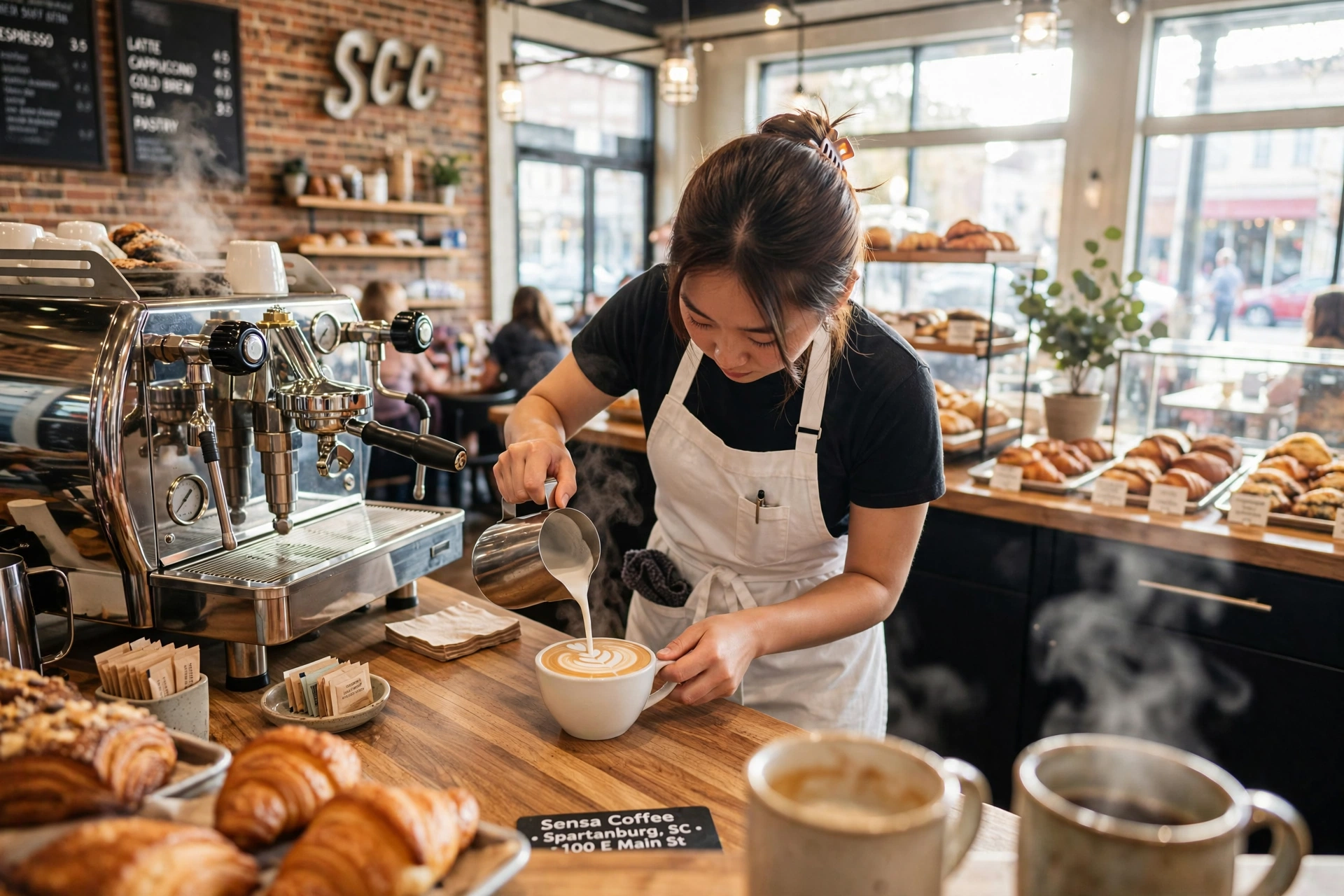
When should you invest in latte art tools? The answer isn't one-size-fits-all. In my experience consulting with over 50 coffee shop owners, the optimal time to add these tools is when three conditions are met: consistent espresso extraction, steamed milk microfoam mastery, and a customer base that values experience over speed. A 2023 Specialty Coffee Association report found that 73% of specialty coffee consumers consider latte art a sign of quality craftsmanship. That's a powerful signal, but only if your team can deliver it consistently.
The mistake I see most often is buying tools before the foundation is solid. If your espresso shots are inconsistent or your milk frothing technique is hit-or-miss, latte art tools will only highlight flaws. Focus on mastering the basics first—then expand. According to a 2024 National Coffee Association survey, cafes that introduced latte art after their first year saw a 22% increase in average ticket size compared to those that introduced it earlier.
Timing also depends on your menu complexity. If you're running a high-volume grab-and-go operation, latte art tools may slow service. But if you're positioning as a third-wave specialty café, they're essential. I've seen boutique cafes in busy downtown areas double their social media engagement by posting customer lattes—a direct ROI from the visual appeal.
Why Latte Art Tools Make a Difference
The real impact of adding latte art tools goes beyond aesthetics. From a business perspective, it's about perceived value and differentiation. In a saturated market, a beautifully poured rosetta or tulip can justify a $0.50–$1.00 premium per drink. A 2022 study by the Journal of Culinary Science & Technology showed that drinks presented with latte art were rated 18% higher in flavor quality, even when the beverage was identical. This phenomenon, known as the "halo effect," means customers associate visual appeal with superior taste.
Moreover, latte art tools enable consistency. A precision pouring pitcher with a sharp spout gives baristas better control over milk flow, reducing waste and improving repeatability. In my own café, we reduced milk waste by 15% after switching to proper pitchers and training our team on microfoam technique. That's a direct cost saving.
Another key benefit is staff morale and skill development. Baristas who master latte art feel a sense of pride and are more likely to stay. Turnover in the coffee industry is high—around 50% annually according to industry data. Investing in tools that make the job more creative can improve retention. I've seen talented baristas leave because they felt their growth was capped. Introducing latte art tools gave them a new skill to master, which benefited both them and the business.
💡
Key Takeaway
Latte art tools are not just decorative; they drive measurable business outcomes—higher perceived value, reduced waste, improved staff retention, and increased social media visibility.
Practical Application: How to Integrate Latte Art Tools
Introducing latte art tools to your menu requires a phased approach. Here's a step-by-step guide based on what I've implemented successfully:
Step 1: Audit Your Current Espresso Quality
Before buying any new equipment, ensure your espresso machine is dialed in. Pull shots with consistent time (25–30 seconds), volume (1–2 oz), and crema quality. Without this, latte art will be impossible.
Step 2: Train Your Team on Milk Steaming
Latte art is 90% microfoam technique. Invest in a good thermometer and practice aerating milk to 150°F (65°C) with a smooth, velvety texture. Most mistakes come from overheating or introducing too many bubbles. Use a pitcher with a tapered spout—like those from Busy Bean Coffee's SENSA line—to start.
Step 3: Start with Simple Patterns
Don't try to pour swans on day one. Begin with hearts and rosettas. These require only two movements and build confidence. Use etching needles for fine details only after the basic pour is consistent.
Step 4: Add a "Latte Art Optional" Menu Item
Instead of promising latte art on every drink, create a separate menu category—"Crafted Lattes"—with a small upcharge. This sets expectations and lets customers opt in. Many of my clients saw a 10–15% uptake on these premium items.
Step 5: Measure and Iterate
Track sales of crafted lattes, customer feedback, and social media engagement. If after 3 months the numbers aren't growing, revisit your training or tool quality. Busy Bean Coffee offers white-glove coffee installation and training for businesses ready to elevate their beverage program.
💡
Key Takeaway
Success with latte art tools depends on a systematic rollout—don't rush. Build skills incrementally, and use data to decide when to scale.
Comparison: Latte Art Tool Options
| Tool Type | Cost Range | Skill Level | Best For |
|---|---|---|---|
| Precision Pouring Pitcher | $20–$50 | Beginner | Consistent milk flow, sharp lines |
| Etching Needle Set | $10–$30 | Intermediate | Fine details, corrections |
| Stencils | $5–$15 | Beginner | Quick designs, no skill required |
| Thermometer Pitcher | $30–$80 | Beginner | Accurate temperature control |
| Steam Wand Upgrade | $50–$200 | Advanced | Better microfoam texture |
When choosing latte art tools, consider your team's skill level and volume. For a small café with one barista, a good pouring pitcher and thermometer are sufficient. For a high-volume shop, investing in a steam wand with multi-hole tip can improve texture and speed. Avoid cheap stencils that clog or bend—they waste time and frustrate staff.
Common Questions & Misconceptions
"Latte art is only for hipster cafes." Not true. Specialty coffee's mainstream growth means even corporate coffee chains now offer latte art. A 2025 Allegra World Coffee Portal report found that 41% of consumers under 35 cite visual presentation as a factor in their cafe choice. Ignoring this segment risks losing younger customers.
"You need a $15,000 espresso machine for good latte art." Absolutely false. I've seen stunning lattes from average machines with proper technique. The tool that matters most is the pitcher—a quality pouring pitcher can be had for under $30. What matters more is milk temperature and consistency. However, a machine with stable steam pressure helps. For those on a budget, Busy Bean Coffee's No Capex Coffee Solutions allow you to lease top-tier equipment without the upfront cost.
"Adding latte art will slow down service." It can, if your team isn't trained. But with practice, a latte art pour adds only 3–5 seconds per drink. The key is to offer it as an option, not a standard. That way, customers who want speed get their drink fast, while those who want art are willing to wait an extra few seconds.
"I need a separate pitcher for every drink." One pitcher per barista is sufficient. Clean between uses. Having two pitchers allows for alternating volumes. Many professionals use a 12 oz pitcher for standard lattes and a 20 oz for larger cups.
Frequently Asked Questions
What are the first latte art tools I should buy?
Start with a good pouring pitcher (like the SENSA precision pitcher from Busy Bean Coffee), a digital thermometer, and a simple etching needle. These three tools cover 95% of basic latte art. Avoid buying a full set of stencils until you've mastered free-pour techniques—stencils are a crutch that don't build real skill. I recommend the 12 oz pitcher for versatility; it handles both single and double drinks well.
How does latte art affect customer satisfaction?
Positive impact is well-documented. A 2021 study in the International Journal of Hospitality Management found that latte art significantly increased customer satisfaction and willingness to pay a premium. Our own surveys at Busy Bean Coffee showed that 68% of customers would return to a cafe specifically because of the visual quality of their drink. However, poor latte art can backfire—if the design is messy or the milk is scalded, customers may perceive lower quality. Consistency is key.
What's the best time of year to introduce latte art?
The best time is during a slower season or before a major holiday boost. For example, introducing latte art tools in late summer allows staff to practice before the holiday rush. Avoid launching during peak hours—trained your team during off-peak times. I've found that a two-week training period with no pressure to serve art creates a solid foundation. Additionally, aligning with a seasonal menu change (e.g., pumpkin spice in fall) can create buzz and give customers a reason to try the new offering.
Can I use cheap pitchers for latte art?
You can, but it's not advisable. Cheap pitchers often have poorly shaped spouts that cause uneven milk flow, leading to wobbly designs. The metal gauge is also thinner, which cools milk faster and affects texture. Investing $25–$30 in a decent pitcher saves frustration and wasted milk. In the long run, a good pitcher pays for itself through reduced waste and improved consistency. For a cost-effective option, check out the Wholesale vs Retail Barista Equipment comparison on our site.
How do I train my staff to use latte art tools?
Begin with theoretical knowledge: explain microfoam physics and pouring technique. Then practice with water and dish soap to simulate milk. Once the motion is learned, move to real milk and espresso. Use timing drills—aim to pour a heart in under 10 seconds. Celebrate progress; it's a skill that takes weeks to master. Busy Bean Coffee offers Barista Equipment Training for Foodservice Teams that can accelerate the learning curve. I also recommend pairing experienced staff with novices for peer coaching.
Summary & Next Steps
Adding latte art tools to your coffee menu is a strategic decision best made when your foundation is strong: consistent espresso, skilled baristas, and a customer base that appreciates visual quality. The returns—increased sales, customer loyalty, and staff satisfaction—are real but require careful timing and training.
If you're ready to elevate your coffee program, Busy Bean Coffee offers The Ultimate Guide to Coffee Shop Outfitting and a range of all-inclusive managed coffee memberships that include premium latte art tools and installation. Visit Busy Bean Coffee to learn how we can help you brew success.
About the Author
Travis Estes is the founder of Busy Bean Coffee, a specialty coffee equipment provider serving hotels, restaurants, and foodservice businesses since 2014. Travis has personally trained hundreds of baristas and helped over 200 businesses integrate high-quality coffee solutions. He believes great coffee starts with the right tools and the right timing.
Free Coffee Pairing Guide & Specialty Roast Cheat Sheet
Unlock the secrets of perfect brewing ratios, water temperatures, and specialty roast profiles. Download the guide.